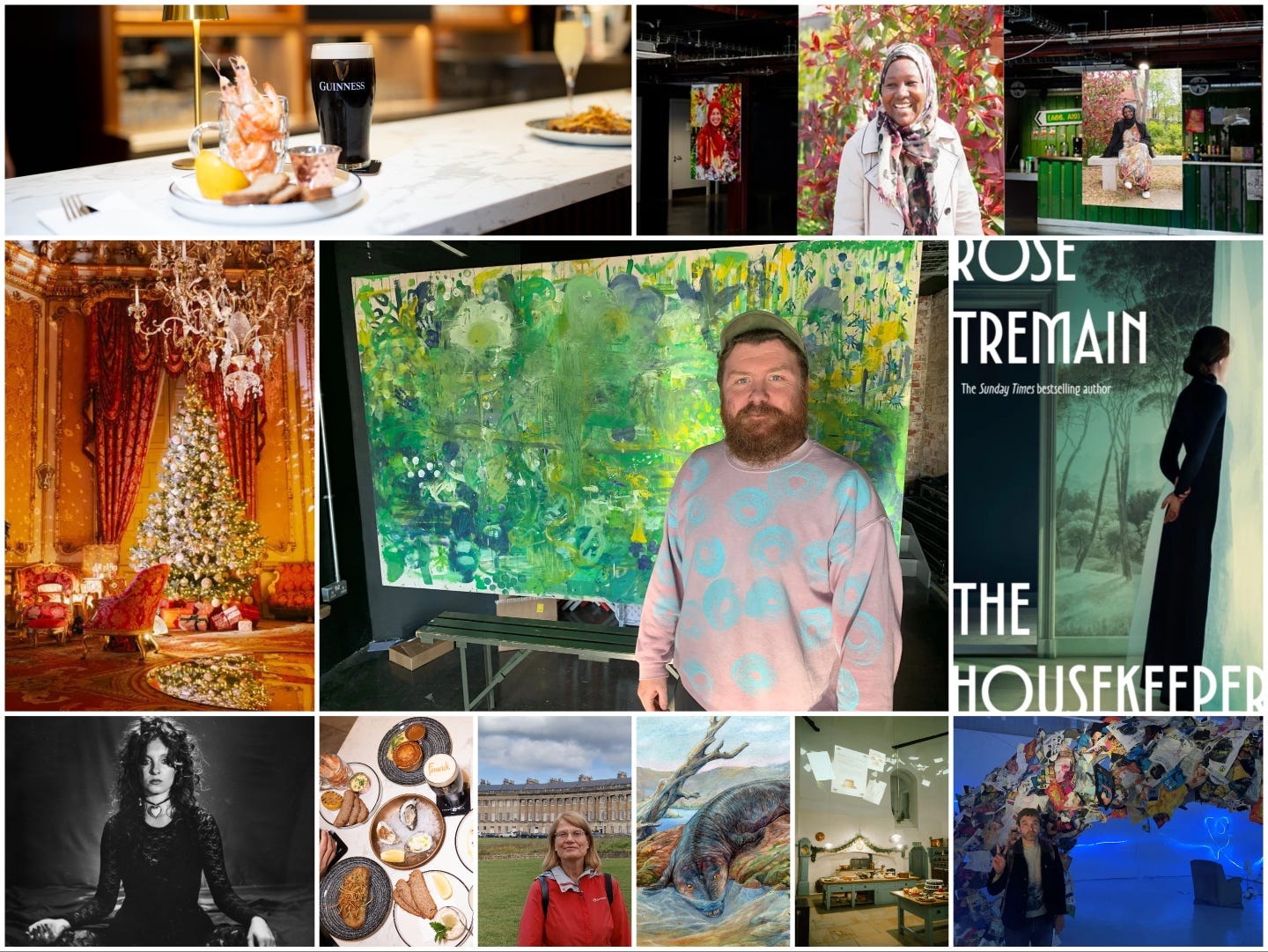
Welcome to another edition of Cultured. On Sunday, with a collection of stories taking us from Middlesbrough’s contemporary art scene to the Christmas celebrations of Edwardian high society.
David Whetstone has been exploring The Auxiliary, an artist-led project space in Middlesbrough, while Tony Henderson has the fascinating story of the North East miners who became self-taught naturalists and made some remarkable contributions to science.
I’ve been to Raby Castle, where the Christmas decorations are up and I’ve come home with plenty of ideas (and a couple of baubles).
We’re also introducing Sounds on Sunday, a new slot for music being made across the North East, starting with Newcastle singer-songwriter Heidi Curtis and a track from her forthcoming EP, Summon.
Collected Books recommends Rose Tremain’s The Housekeeper, while Sunday Plate serves up an unlikely partnership between Newcastle United, Guinness and Fenwick – with oysters on the side.
Thanks for reading and enjoy the rest of your weekend!
Auxiliary highlights local talent to complement Turner Prize

Liam Slevin has a bushy beard, a disarming laugh and an accent that gives no reason to doubt that he hails from Cork.
But for the past decade he has been based not on the River Lee but on the River Tees, having blown in, so it seems, almost by accident.
It was a happy accident, it must be said, for anyone seeking a more positive narrative for Middlesbrough where good things are often overshadowed, to the frustration of those who love the place.
We’re talking in The Auxiliary, the artist-led project space which Liam established with his partner, Anna Byrne (also Irish), out of next to nothing and which is now a key player in Middlesbrough’s cultural life.
It reopened in September after a £1.6m redevelopment and is one of the participants in Turner on Tees, the major exhibitions and events programme taking place across the Tees Valley to accompany the Turner Prize being hosted at MIMA.
The visual arts, as you can see, are strong in Middlesbrough.

The Christmas decorations are up at Raby Castle. I'm taking notes.

As often happens when the nights draw in, I’ve recently found myself rewatching Downton Abbey while cooking. Or pairing socks. Or trying out my new walking pad.
I need to get out more.
ANYWAY. My visit to Raby Castle couldn’t have come at a better time, having just watched one of those classic Christmas episodes where we get to see how the festive season unfolds both upstairs and downstairs.
And that’s pretty much what Raby Castle is offering this Christmas, albeit without the family dramas, complicated romantic entanglements and Maggie Smith delivering devastating one-liners.
Following the success of last year’s festive opening – the first time the castle had welcomed Christmas visitors in 50 years – the County Durham landmark has once again thrown open its doors for a journey through an Edwardian Christmas Day.
And what a lovely job they’ve done.
Eleven rooms have been transformed to tell the story of Christmas at Raby, from the excitement of opening stockings beside the fire to the preparations for a grand family dinner and the celebrations that followed.
There are beautifully decorated trees, greenery, twinkling lights and all sorts of thoughtful touches, with pieces from the castle’s historic collection helping to bring the story to life.


The pitmen who unearthed a lost world
A new booklet celebrates the North East miners who became self-taught naturalists, uncovering prehistoric creatures and making significant contributions to science. Tony Henderson reports.
Miners who spent their working lives underground found themselves still in touch with the natural world – albeit one which was millions of years old.
In a North East blanketed by collieries, pitmen came across fossil creatures and plants embedded in the coal measures.
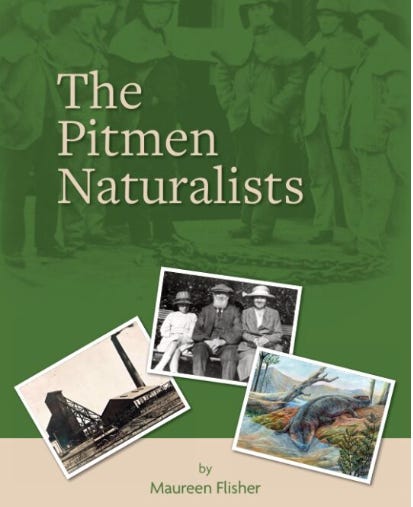
For some men, it was a source of fascination and they spent much of what little leisure time they had in learning about such fossils, adding to the scientific knowledge of the day.
Their finds ended up in collections, such as those in the Great North Museum: Hancock in Newcastle and Sunderland Museum.
But although pitmen painters and poets have won wide acclaim, the miner-naturalists have been largely forgotten. Until now.
Maureen Flisher, a volunteer with the Natural History Society of Northumbria (NHSN) based at the Great North Museum, has spent years researching NHSN archives to write a booklet on five representative pitmen-naturalists and their achievements.

There’s no shortage of good music being made in the North East, and we reckon more of it deserves to be heard. So we’re making some room in Cultured. On Sunday for new releases from artists based across the region, whether they’re just starting out or have been making music for years.
Newcastle singer-songwriter Heidi Curtis releases her new EP, Summon, on November 20, having written and produced all the tracks herself – a first for the musician.
The latest single, River of Spirit, is an acoustic reflection on friendship, vulnerability and the temptation to shut people out when life gets difficult.
“This song exists because I avoided seeing my friends when I knew they’d see straight through the front I was putting on,” she says.
Following her first headline tour and support slots with Self Esteem and Holly Humberstone, Heidi will join Blossoms for three UK arena dates later this month.

Founded by Emma Hamlett, Collected Books is an independent bookshop in Durham, with two floors of books to browse as well as coffee, wine, and cake to enjoy. They specialise in writing by women but stock all genres of fiction and non-fiction as well as books for kids, YA titles, poetry, and classics.
This week’s recommendation is The Housekeeper by Rose Tremain, a perfectly captivating companion for these dark, cold evenings and Collected’s November fiction book of the month.
Mrs Danowski – known as Danni – is the housekeeper of a grand mansion on the wild coast of Cornwall. When glamorous young writer Daphne du Maurier visits Manderville Hall to research her new novel, she and Danni are drawn into a clandestine and intoxicating affair. For Danni, it is an all-consuming love; for Daphne a submission to long-suppressed desires.
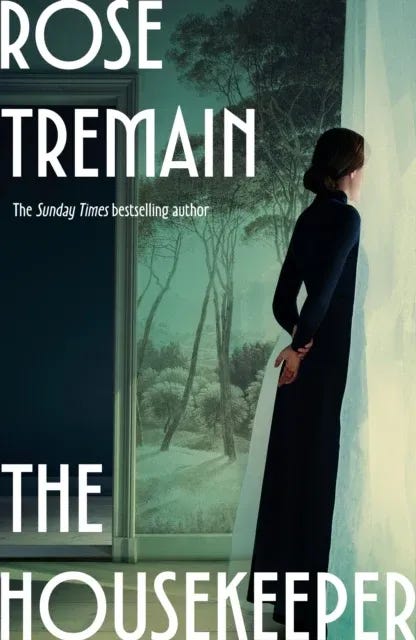
But their fragile secret is vulnerable to prying eyes and destined for heartbreak. When Daphne’s novel launches to triumphant success, Danni is distraught to find herself transformed into a malign and jealous character on the page. She seeks respite from the hurt by telling her own story: The Housekeeper.
Bookseller Frankie describes The Housekeeper as “an absolutely mesmerising reimagining of the genesis of the twentieth century’s most remembered stories, Rebecca.
“Prepare to be swept away by Tremain’s prose and totally engrossed, shirking many work and home responsibilities to read.
“The novel explores the catalyst and consequences of a forbidden love affair between Daphne (du Maurier) and ‘Danni’, the housekeeper at Manderville Hall. Starting to sound familiar? When you come across fiction this brilliant, it’s a wrestle between keeping quiet and savouring this delicious find to yourself or shouting from the rooftops.
“If you’re looking for your next delicious read, make it this!”
Copies of The Housekeeper are available at Collected, both online and in-store.


Guinness and oysters on the menu at new Fenwick bar
Newcastle United, Guinness and Fenwick have teamed up to open a pop-up bar in the department store’s Food Hall.
A new bar combining pints of Guinness, fresh oysters and a little Newcastle United nostalgia has opened in the heart of Newcastle.
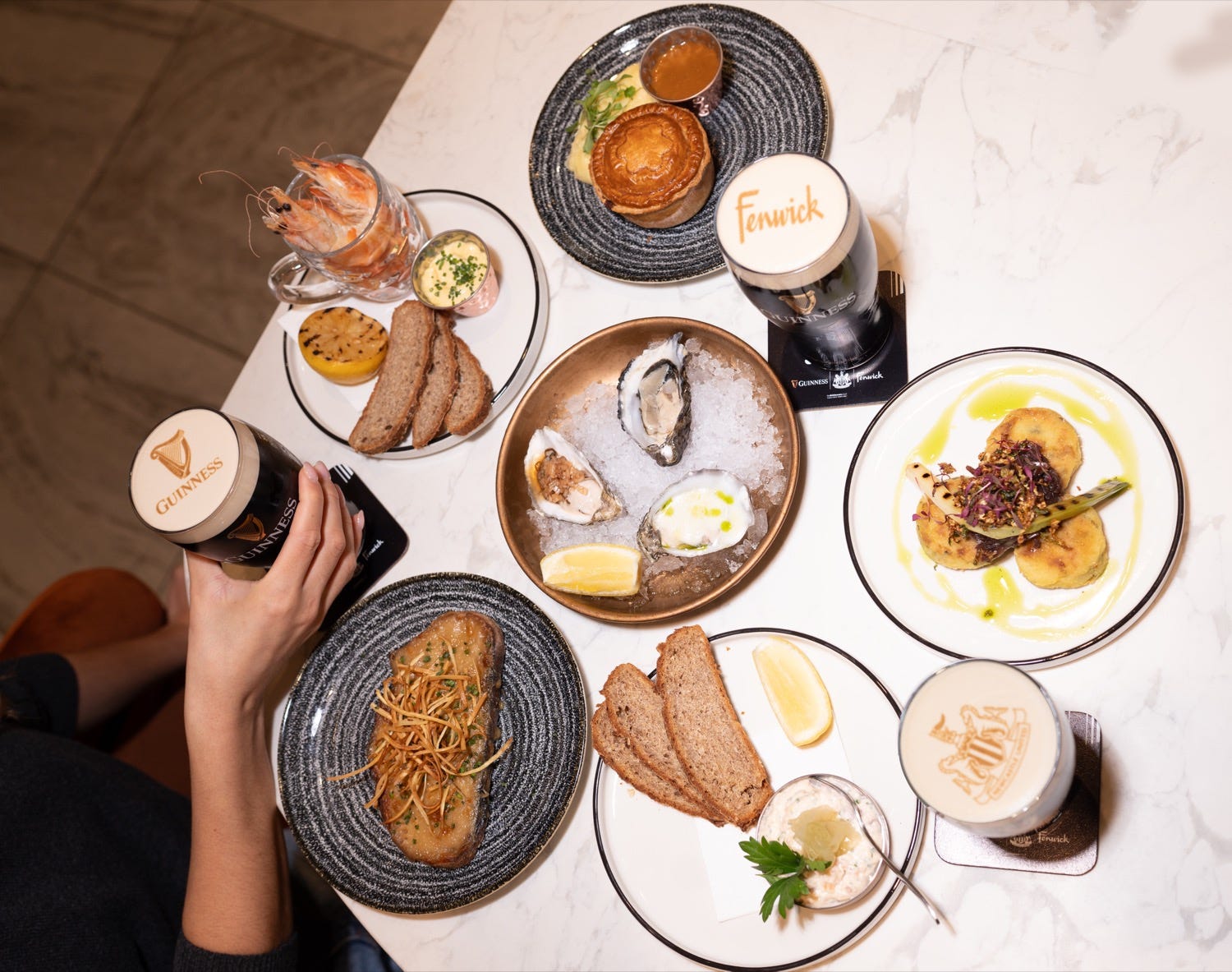
The Harp & Stripes, a collaboration between the football club, the Irish stout maker and Fenwick, opened earlier this month in the department store’s Ground Floor Food Hall on Northumberland Street.


The menu centres on the traditional pairing of Guinness and oysters, supplied by Newcastle’s Saltwater Fish Company.
Other dishes include mini Guinness beef pies, beef and ale croquettes and smoked salmon served on Guinness soda bread, alongside seasonal small plates.
There’s also a cocktail menu featuring a Black Velvet, made with Champagne and Guinness Original, and an Espresso Stout combining vodka, espresso and Baileys.
The bar’s black, green and gold interiors feature vintage photographs and references to Newcastle United’s history.
There’s an interesting local connection behind the partnership, too.
John ‘Jack’ Gilroy, the Cullercoats-born artist responsible for some of Guinness’s most recognisable advertising illustrations, was a lifelong friend of Trevor Fenwick, grandson of department store founder John James Fenwick.
The pair, born in 1898 and 1901 respectively, maintained their friendship after leaving the North East and were both members of London’s Garrick Club.
The Harp & Stripes welcomes walk-ins, while advance bookings can be made through the website.