


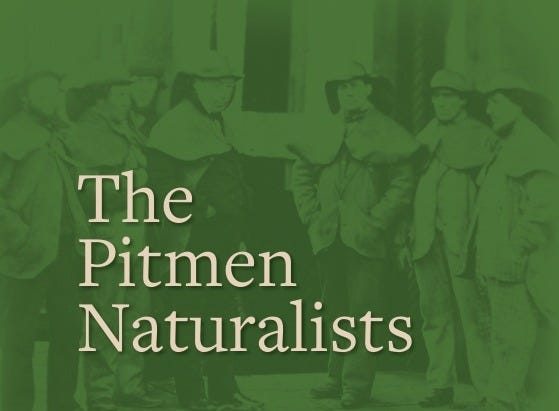
Miners who spent their working lives underground found themselves still in touch with the natural world – albeit one which was millions of years old.
In a North East blanketed by collieries, pitmen came across fossil creatures and plants embedded in the coal measures.
For some men, it was a source of fascination and they spent much of what little leisure time they had in learning about such fossils, adding to the scientific knowledge of the day.
Their finds ended up in collections, such as those in the Great North Museum: Hancock in Newcastle and Sunderland Museum.
But although pitmen painters and poets have won wide acclaim, the miner-naturalists have been largely forgotten. Until now.
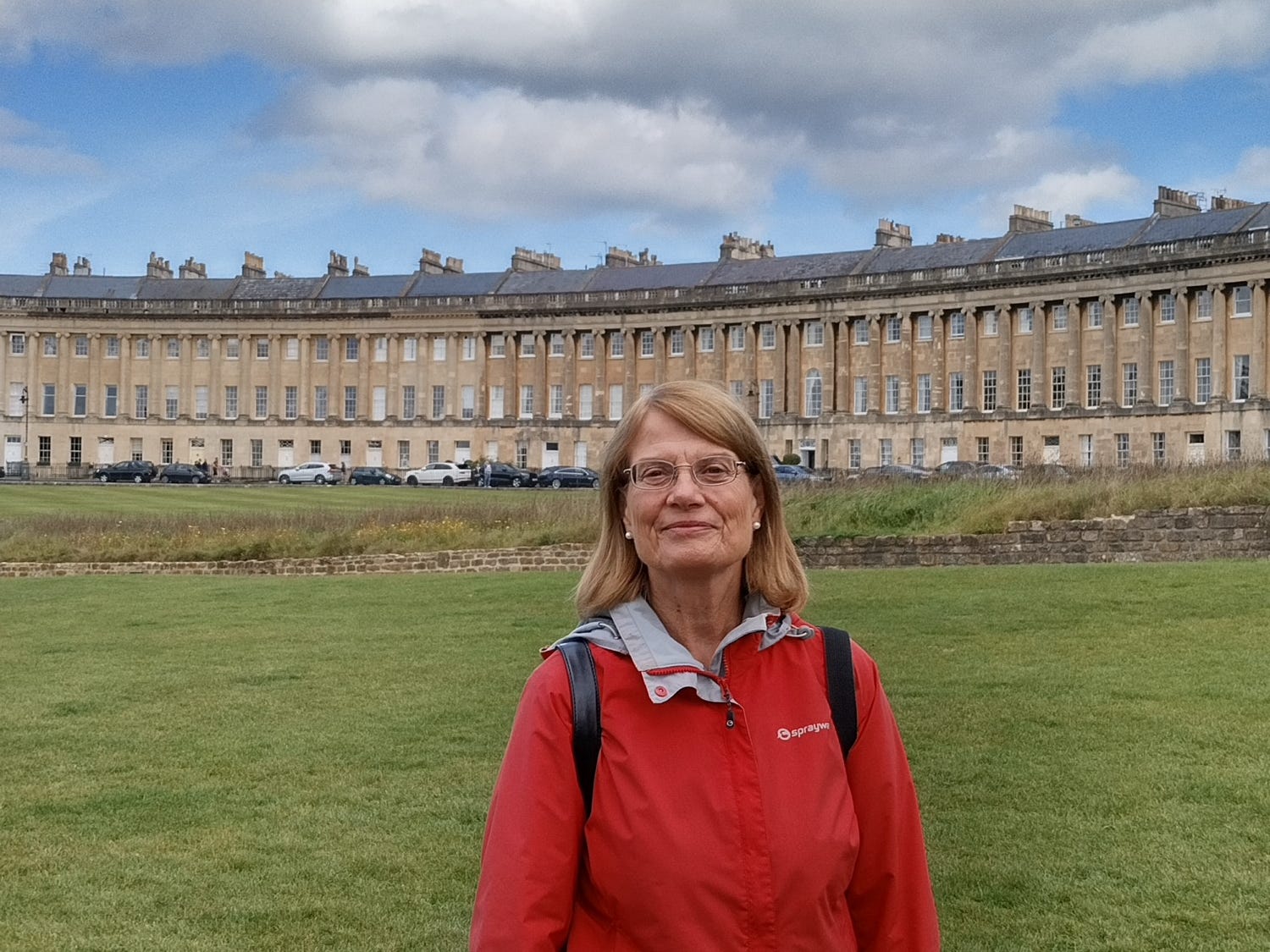
Maureen Flisher, a volunteer with the Natural History Society of Northumbria (NHSN) based at the Great North Museum, has spent years researching NHSN archives to write a booklet on five representative pitmen-naturalists and their achievements.
Maureen, from Blyth, said: “I was really fascinated. We hear about the painters and the poets but it seemed as if the pitmen-naturalists had never existed. I thought that they should be recognised and given the credit they deserved.
“I used the extensive archive material to reveal the lives of a group of miners who developed a profound interest in geology, palaeontology and microscopy (the use of microscopes to advance their studies).
“These men lived hard lives, entering the mines as boys. Somehow they found the time to educate themselves and in doing so make serious contributions to the life sciences.
“Many of the specimens they dug out of the spoil heaps and coal seams of the North East are in museum and university collections today, including specimens named after them.”
“In a few published articles in scientific journals of the day some were acknowledged for their finds and labour, but many were not.
“Over the years as named collections are sold or amalgamated and print journals are lost, there is a danger that the story of these men’s lives and their journeys from coalface to scientific recognition may also be lost forever.”
The NHSN, which commissioned The Pitmen Naturalists booklet, says: “It explores the lives of a remarkable group of working men, miners by trade but naturalists by passion.
“At a time when access to formal education was limited, they taught themselves to observe, collect and interpret the natural world, contributing to the developing sciences.
“The coal seams and spoil heaps of Northumberland and Durham revealed traces of ancient worlds in fossilised plants, fish, amphibians and other remains from the Carboniferous period. The coalface became both workplace and classroom.
“The Pitmen Naturalists shows that the story of science in the North East was shaped not only by gentlemen naturalists and professional scholars but also by miners whose knowledge came from lived experience and relentless self-education.
“Their lives speak to the importance of working-class heritage. We see men whose working lives took them underground but whose minds travelled across deep time.”
Maureen discovered John Simm in a report of 1917 in which Joseph Gill, temporary curator of the Hancock Museum, wrote: “I went to Cramlington to inspect a large collection of books chiefly on natural history which formed part of the library of the late John Simm.”
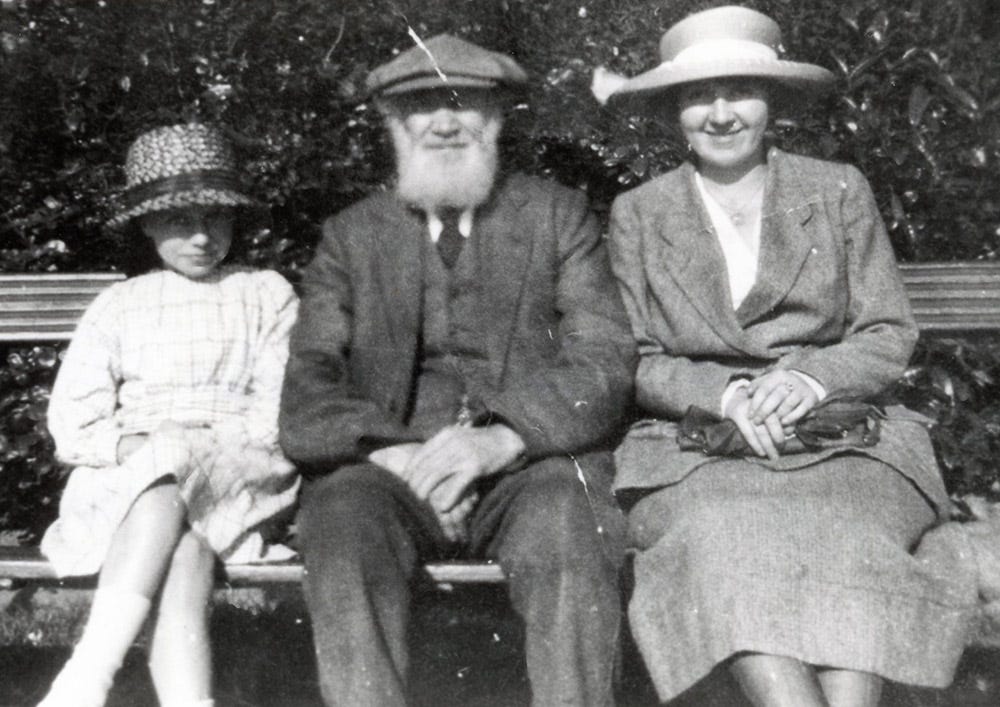
John Simm, who died in 1904, had worked at Cramlington Colliery from the age of 11 until 72 and was a member of the local club of microscopists and a self-taught slide maker.
His library of more than 100 books and scientific journals was accommodated at the foot of the bed, separated by a curtain from the main living area of the two-room pit cottage which was home to the Simms and their five children.
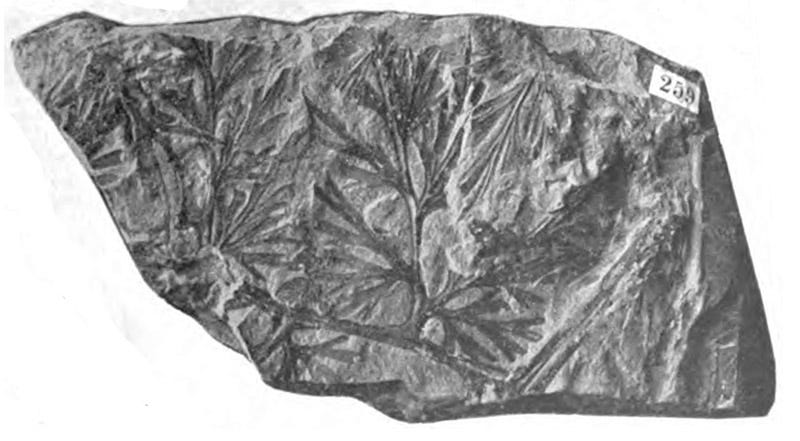
Interviewed by the Weekly Newcastle Chronicle, Simm described finding fossils at the coalface: “Shining in the light of the lamp might be seen a mass of ferns, making a group of surpassing beauty. I thought of the time when these delicate leaf forms flourished when there was no song of bird, no hum of bee.”
Another fossil-collecting miner in the 1860s at West Cramlington was Joseph Taylor. He and Simm were well known to fellow enthusiast Newcastle alderman and lecturer T P Barkas, who wrote a book on the subject and identified a new fossil species which he named after Taylor.
The Museum of Science and Art in Edinburgh also named a fish after Taylor, who had discovered it. He became a deputy at Shiremoor Blue Bell pit and both he and Simm were also leading figures in the local Co-op movement.
Miner John Salt worked at Newsham Colliery and a collection of his fossils was bought from Sunderland Museum by the National Museum of Scotland.
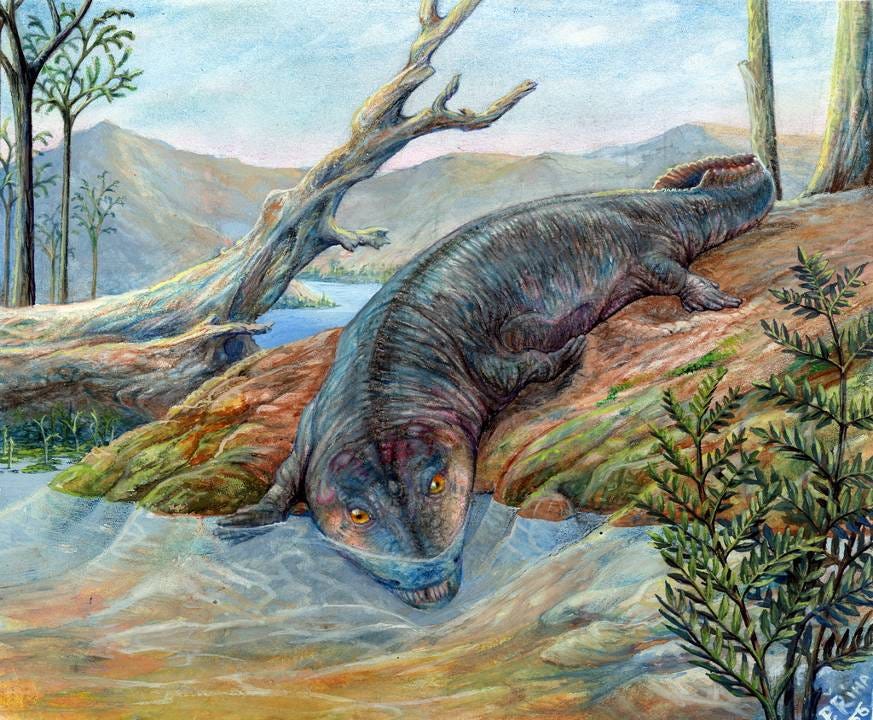
Newsham was the scene in 1870 of a spectacular find by miner Andrew Swain. The NHSN records describe how Swain had come across a chain of bones while working in the pit “which he rightly took for the remains of some large animal.
“The object being of unusual magnitude, he was anxious to obtain it in as perfect a state as possible.
“Laying down his rough coat on the floor of the mine under the position of the fossil and gently detaching the shale in which it was embedded, he placed it carefully on his coat in eight pieces.” He carried his bundle to Newcastle to show Alderman Barkas.
The NHSN identified it as a 14ft-long carnivorous creature, like a giant newt, which 315 million years ago hunted in the swamps which covered Northumberland.
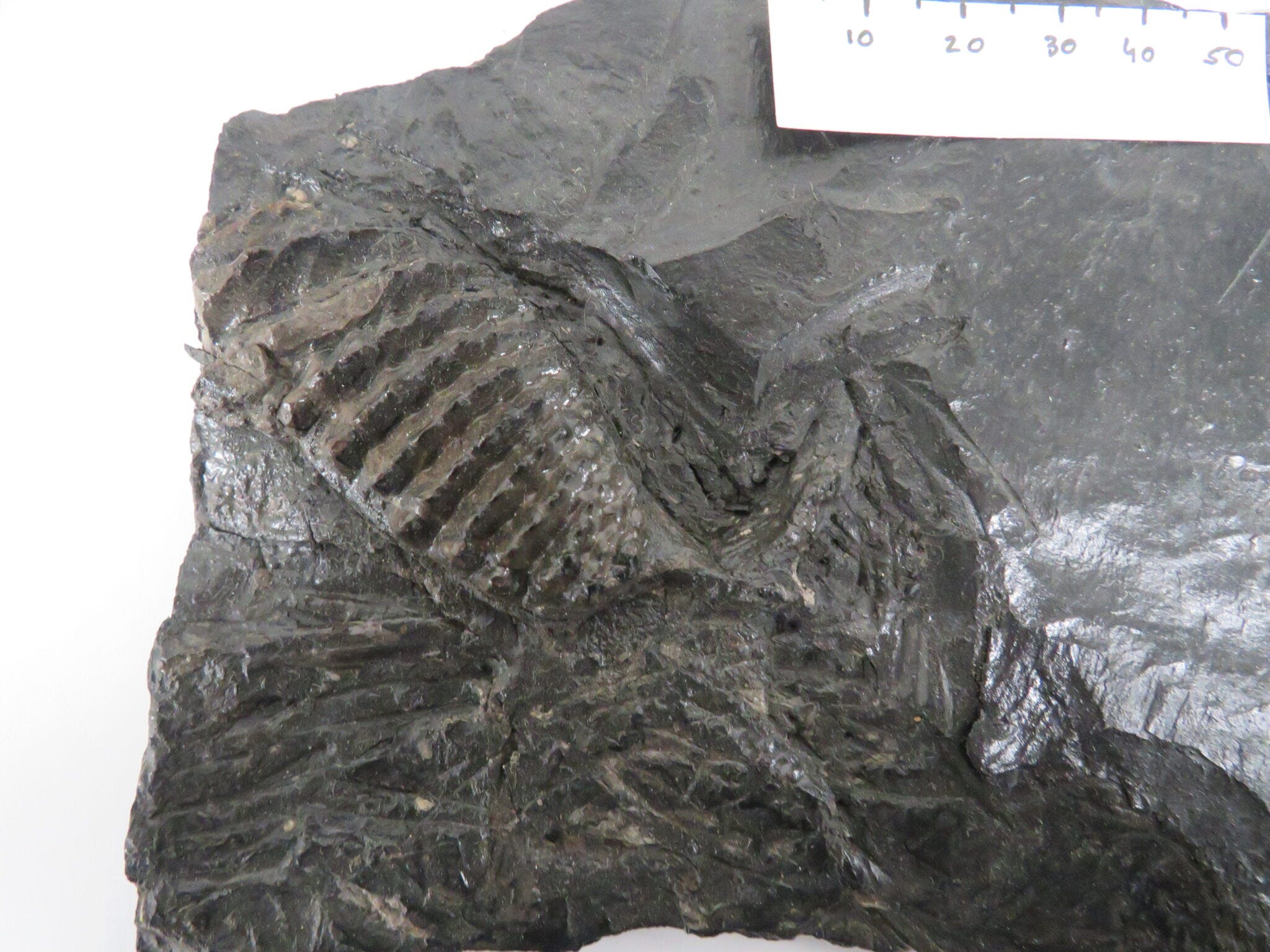
Andrew Swain appears on the list of “sinkers” – the men who dug the mine shafts – who risked their lives in the rescue attempts after the Hartley Colliery disaster in 1862, in which 204 miners died.
The fifth miner researched by Maureen is Alexander Butters, born in Cramlington in 1826, who worked in mines at Cowpen and Houghton-le-Spring. In a letter to a friend later in life, he recalls walking home after a shift “hardly able to put one foot after another.”
He emigrated to America, where he became an underground manager of a new pit in Illinois. His name appears several times in a state geological survey, with a fossil shark being named after him.
On a trip back to the North East in 1892, he donated to the Hancock Museum some of his fossil collection, a Native American pipe, a stuffed toad from California and a spider from Kansas.
The Pitmen Naturalists is available from the NHSN website, www.nhsn.org.uk, at £3.50.
