


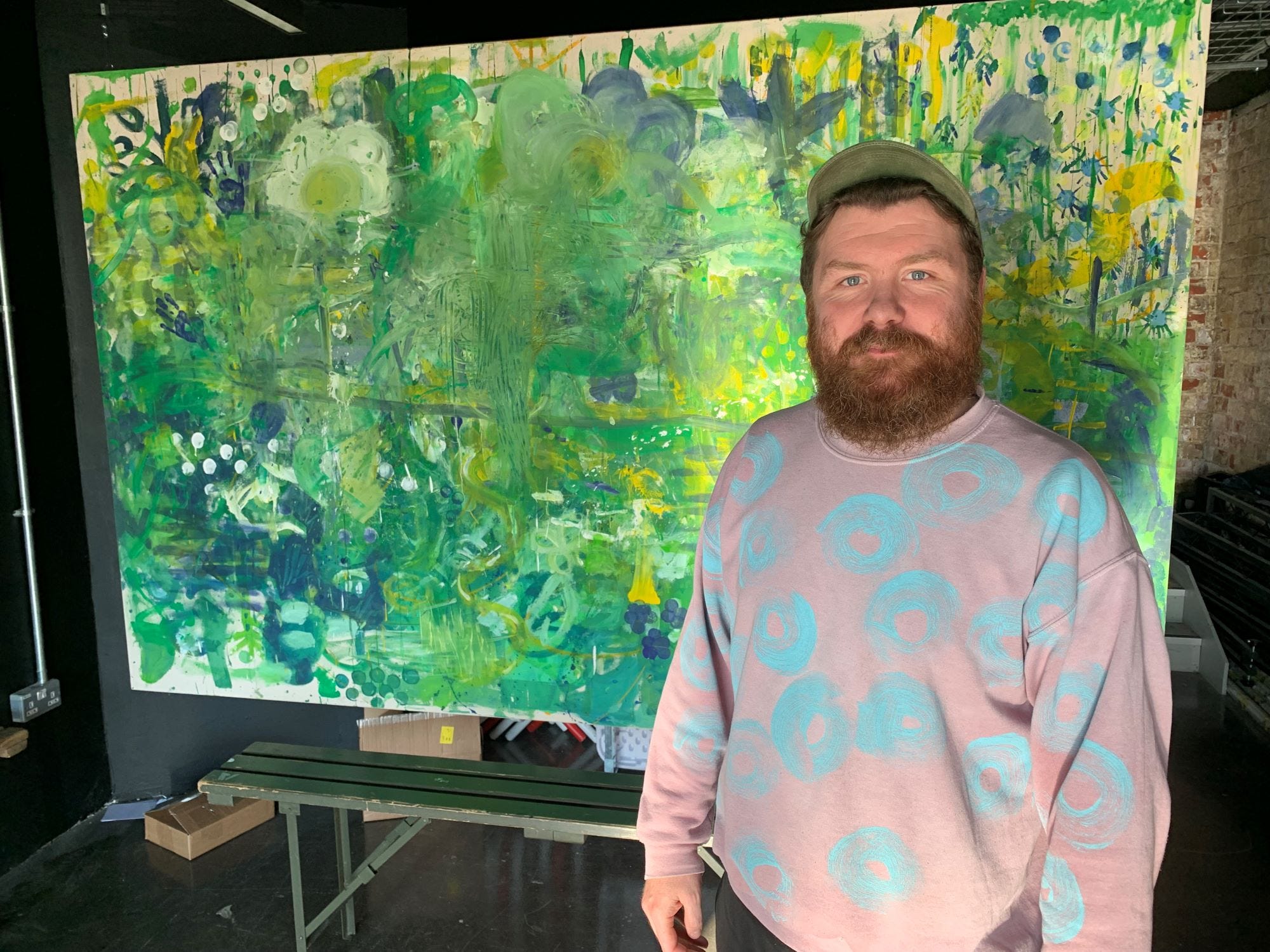
Liam Slevin has a bushy beard, a disarming laugh and an accent that gives no reason to doubt that he hails from Cork.
But for the past decade he has been based not on the River Lee but on the River Tees, having blown in, so it seems, almost by accident.
It was a happy accident, it must be said, for anyone seeking a more positive narrative for Middlesbrough where good things are often overshadowed, to the frustration of those who love the place.
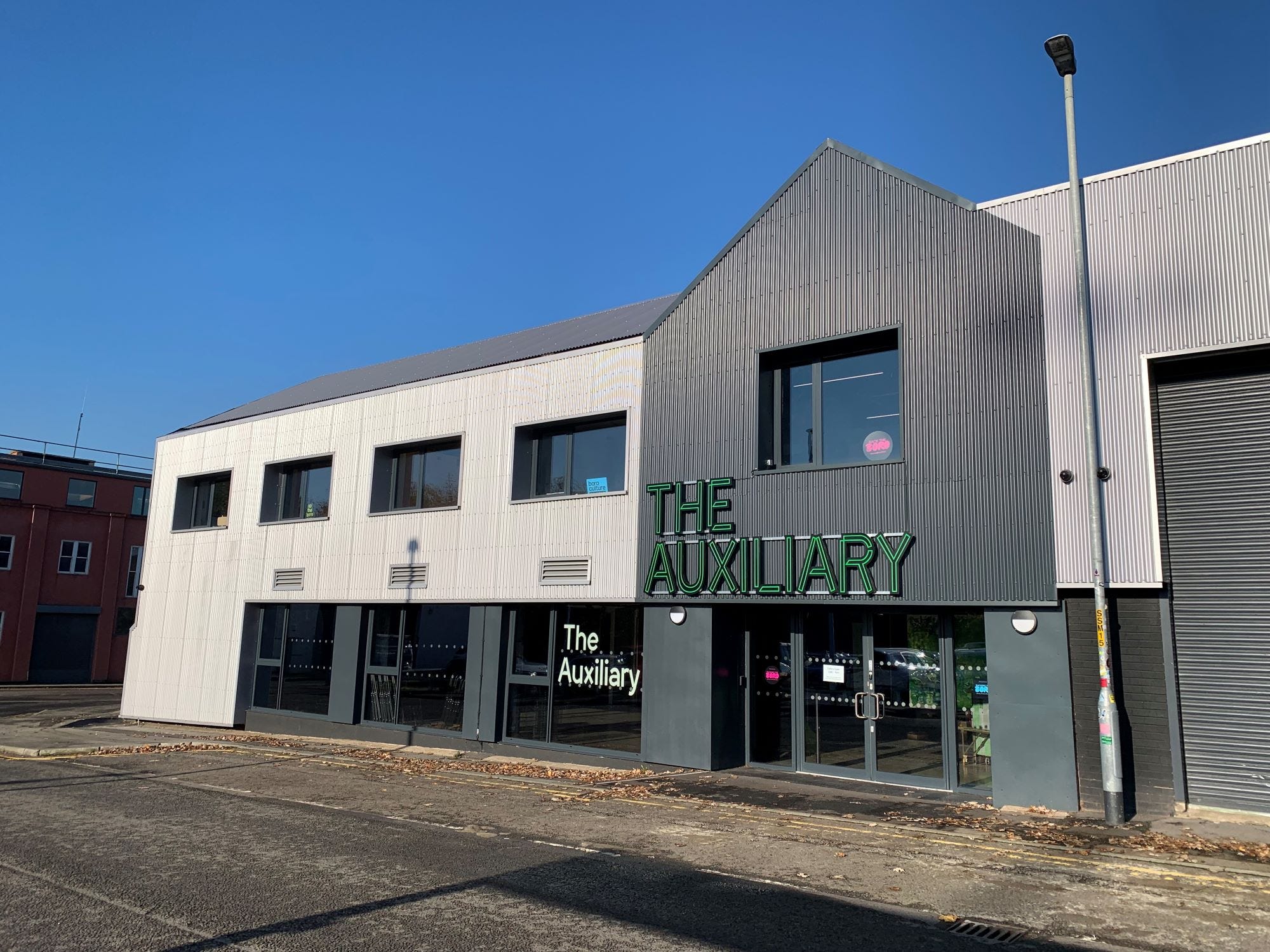
We’re talking in The Auxiliary, the artist-led project space which Liam established with his partner, Anna Byrne (also Irish), out of next to nothing and which is now a key player in Middlesbrough’s cultural life.
It reopened in September after a £1.6m redevelopment and is one of the participants in Turner on Tees, the major exhibitions and events programme taking place across the Tees Valley to accompany the Turner Prize being hosted at MIMA.
The visual arts, as you can see, are strong in Middlesbrough.
As well as being home to MIMA, which turns 20 next year, it’s the site of major sculptural works including Temenos, by Turner Prize-winning Anish Kapoor, and Bottle of Notes, by Claes Oldenburg and Coosje van Bruggen.
But you can only really judge a town’s cultural credentials by what happens at grassroots level and that’s where the likes of Liam and The Auxiliary come in.
“This is maybe the fifth space that I’ve run,” he tells me.
For the previous five years the couple lived in Berlin. Liam had run a couple of places there, as he had done in Cork – “all artist-led, grassroots, self-funded sort of places, very DIY.
“Then we went to Detroit on a residency called Popps Packing, run by a couple who had a big warehouse and a house and were buying up land.
“Seeing this couple who were maybe 10 or 15 years ahead of us, and this was very much their life, I thought that’s what I want.”
Back in Berlin, they’d looked at warehouses to no avail.
“A year’s lease was all we could get and it was going to take all of our savings. I’m mad for taking risks but that did seem foolish.
“But Anna’s two brothers have been here a while and she’d once lived in Darlington for a few months. They were like, ‘Come to Teesside. There are lots of opportunities’.”
Liam roars with laughter as he recalls his reaction: “I’m not moving from an art capital of the world to go there. That’s not happening.”
But it did happen. They visited when Redcar steelworks was about to close, marvelling at the proximity of nature and industry, at Seal Sands and the brutalist Dorman Coke Tower (gone now, along with the steelworks).
“The area was amazing. Seeing the tower, I thought, I want to do a gig in there. I saw possibilities, like in Berlin and Detroit. I have this interest in… (laughter again) well, some people call it ruin porn.”
Liam and Anna relocated 10 years ago, settling initially in Stockton, loving the place but encountering soon enough the common problem.
“The second year we were there, Panorama put out this programme about health inequality. Everything in it was true but life’s more than statistics and that’s the shame of it.
“A couple of weeks later it was SIRF (Stockton International Riverside Festival) and you had 50,000 people and a brass band in the fountain.
“That’s what annoys you, and I’m not even from here. It’s disheartening when places are so much more than what statistics show.”
Liam secured a meeting with Alistair Hudson, director of MIMA before current incumbent Laura Sillars, and remembers the gist of his advice: “You can come here and try anything because no one will care.
“I sort of liked and disliked that but he was right in a way.”
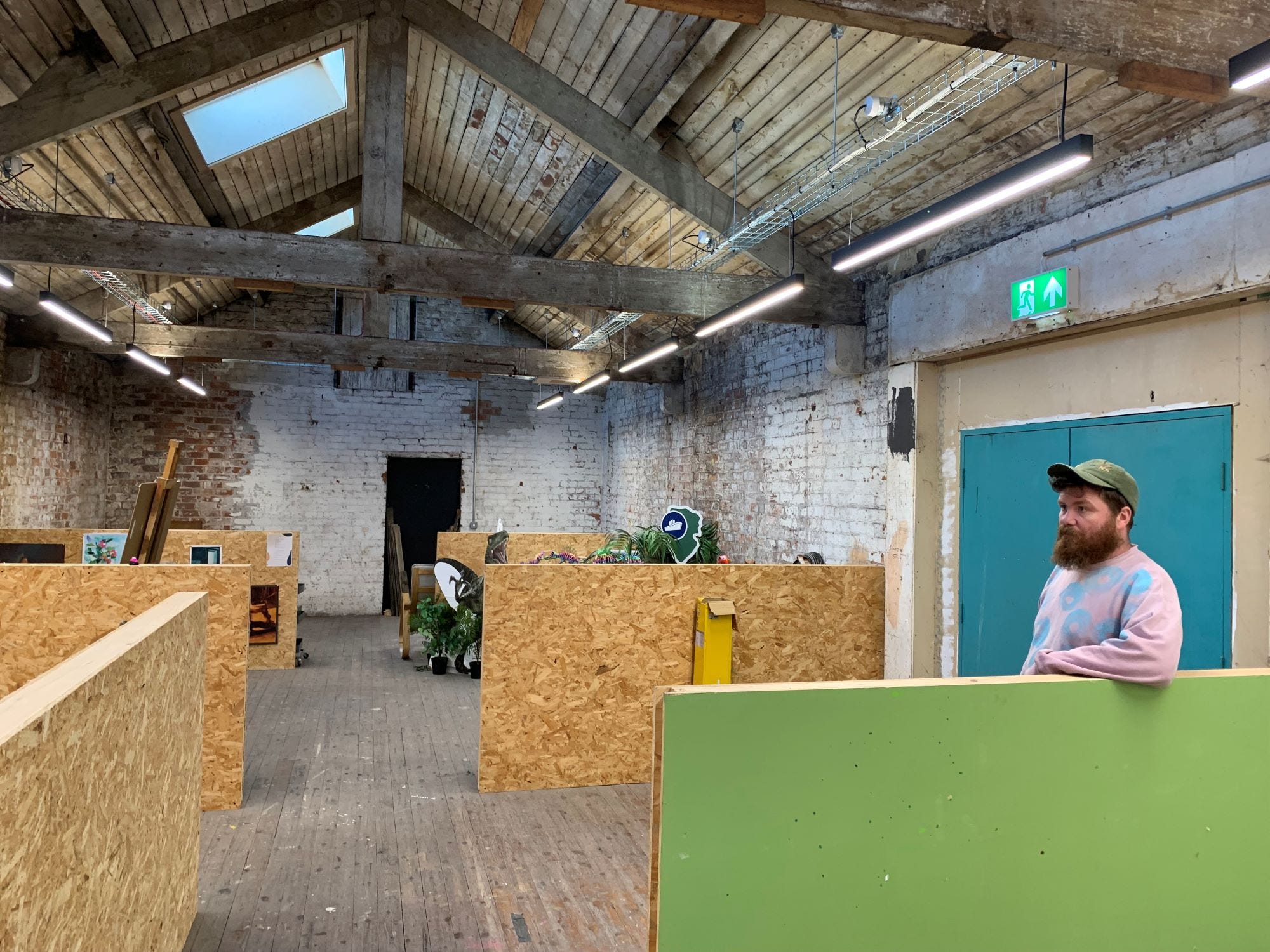
Right, perhaps, in that Middlesbrough was accommodating and open to ideas. Wrong, surely, in that no one cares.
When the town recently put in a spirited and audacious bid to be UK City of Culture, thousands got behind it.
Ultimately it failed but Liam was surprised, given the degree of public support. ‘Back the bid’ stickers still adorn the doors of The Auxiliary.
For someone dedicated to grassroots activity, not a single blade of it has grown under Liam Slevin’s feet since he arrived a decade ago.
He and Anna secured the disused building beside the railway line which is now The Auxiliary, persuading the landlord to let them run it as a creative hub with studios and exhibition spaces.
They initiated the Middlesbrough Art Weekender which grew into Middlesbrough Art Week (coinciding this year with the opening of the Turner Prize) and its sister Sonic Arts Week, reflecting Liam’s practice as an artist specialising in sound.
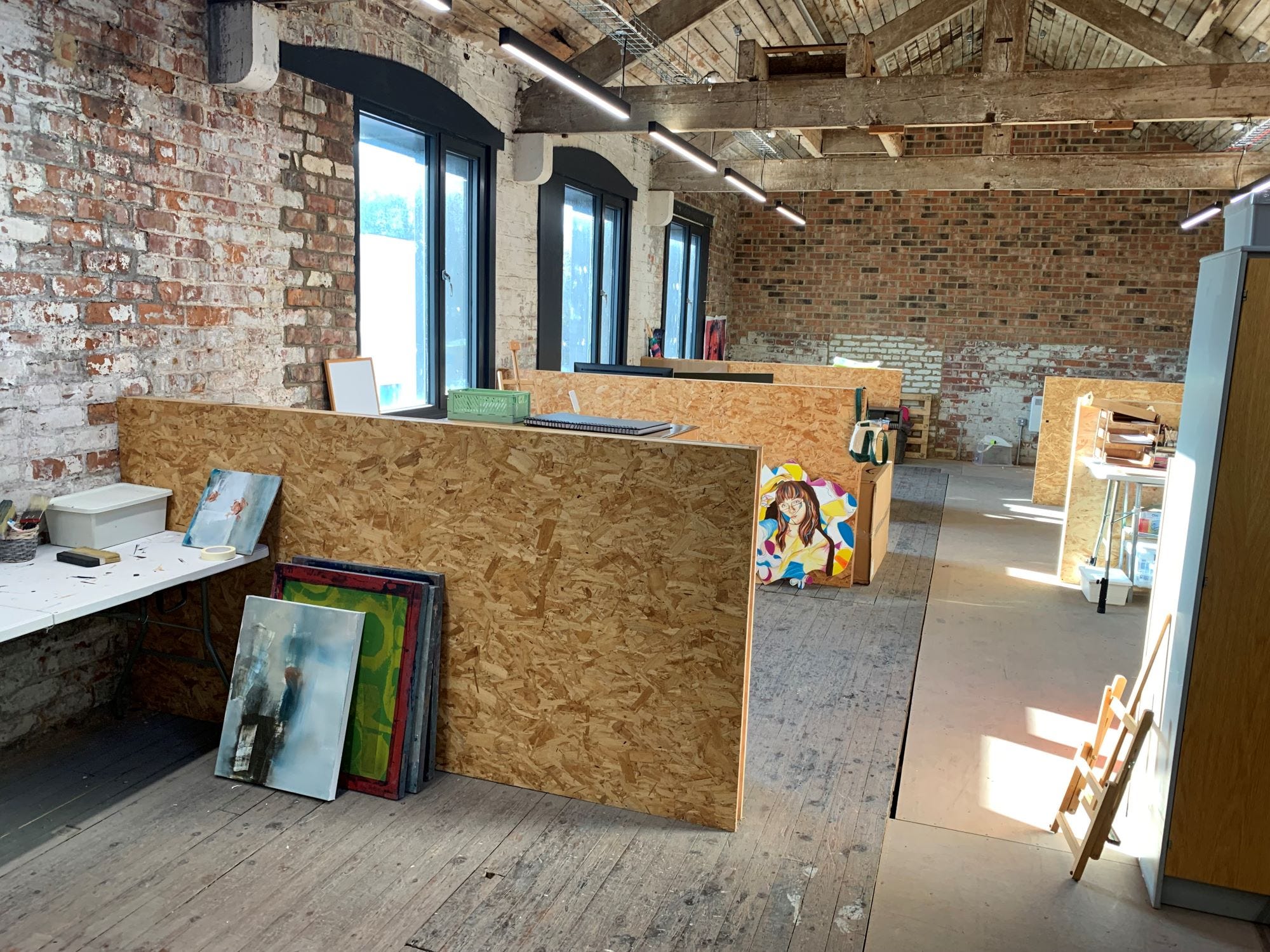
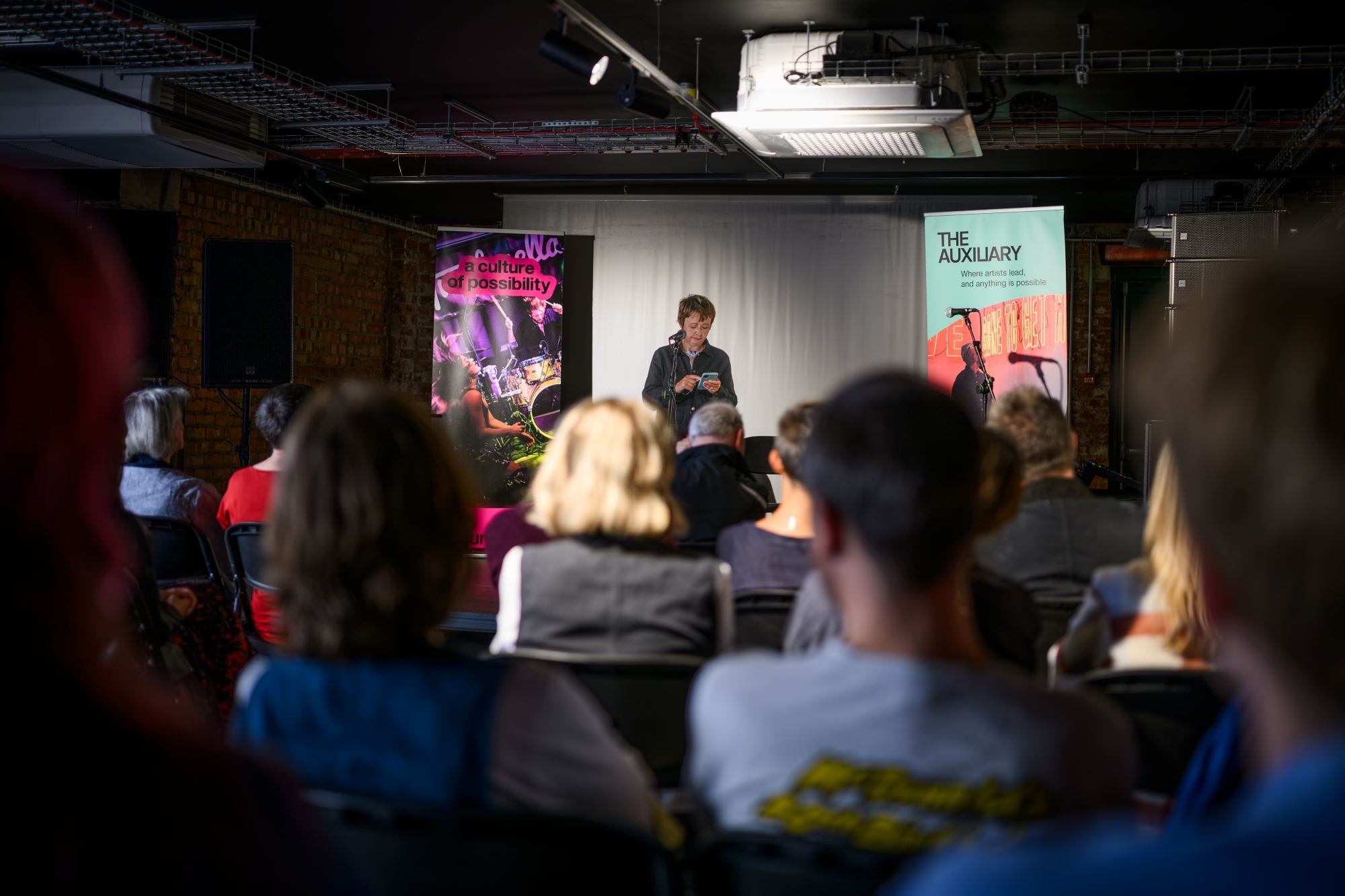
In 2023, The Auxiliary achieved the coveted status of an Arts Council England national portfolio organisation, and they fulfilled their obligations last year by running 59 events without having access to the building.
Then, along with delays and much frustration, came the redevelopment, supported by the Government’s cultural development fund and Middlesbrough Development Corporation.
For the money, Liam joked, they should be getting a skyscraper. Back came the reply from the builder: “You might get it warm and dry if you’re lucky.”
Mission accomplished on that front. Liam says tonnes of concrete were poured in to level the floors, the front windows of the building were replaced and upper skylight windows installed along with a mezzanine floor.
And what Liam calls a “big lagging jacket” was laid over the whole place, protecting both it and the occupants from the elements.
After our chat in what he calls “the social space”, equipped with bar and stage and suitable for talks, gigs or conferences (and effectively the only space for hire), Liam takes me through to the gallery.
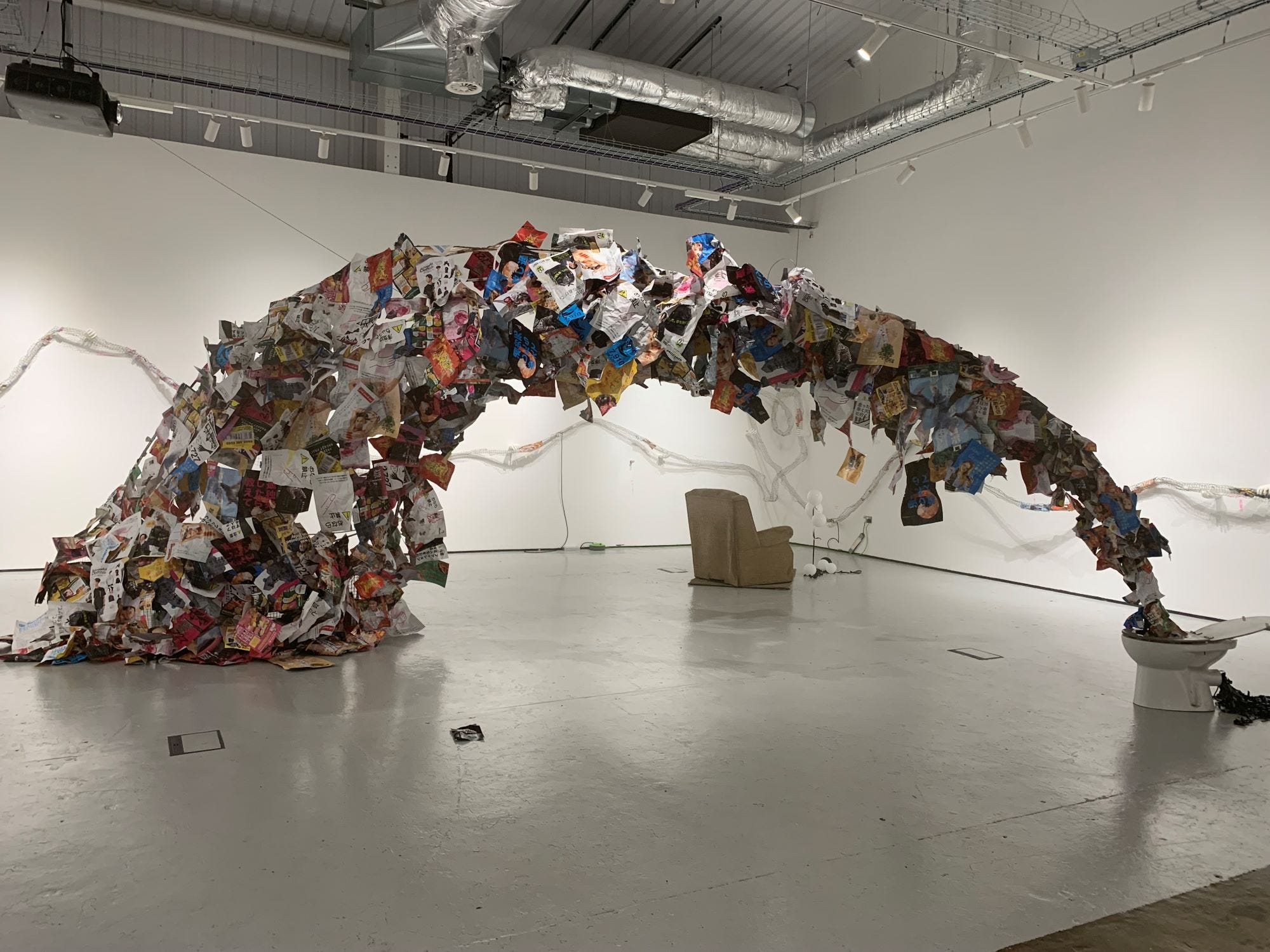
Here we meet Hartlepool-based artist Stuart Langley whose extraordinary installation, which wouldn’t look out of place in the Turner Prize show, is the product of a residency in Japan.
It’s called Polishing Turds and while the title sounds vulgar, the work is delicate, thought-provoking and fun.
When Stuart returns to Fukuoka in the new year, Liam will go with him, keen to forge a link with the Overground gallery which has a similar outlook to The Auxiliary.
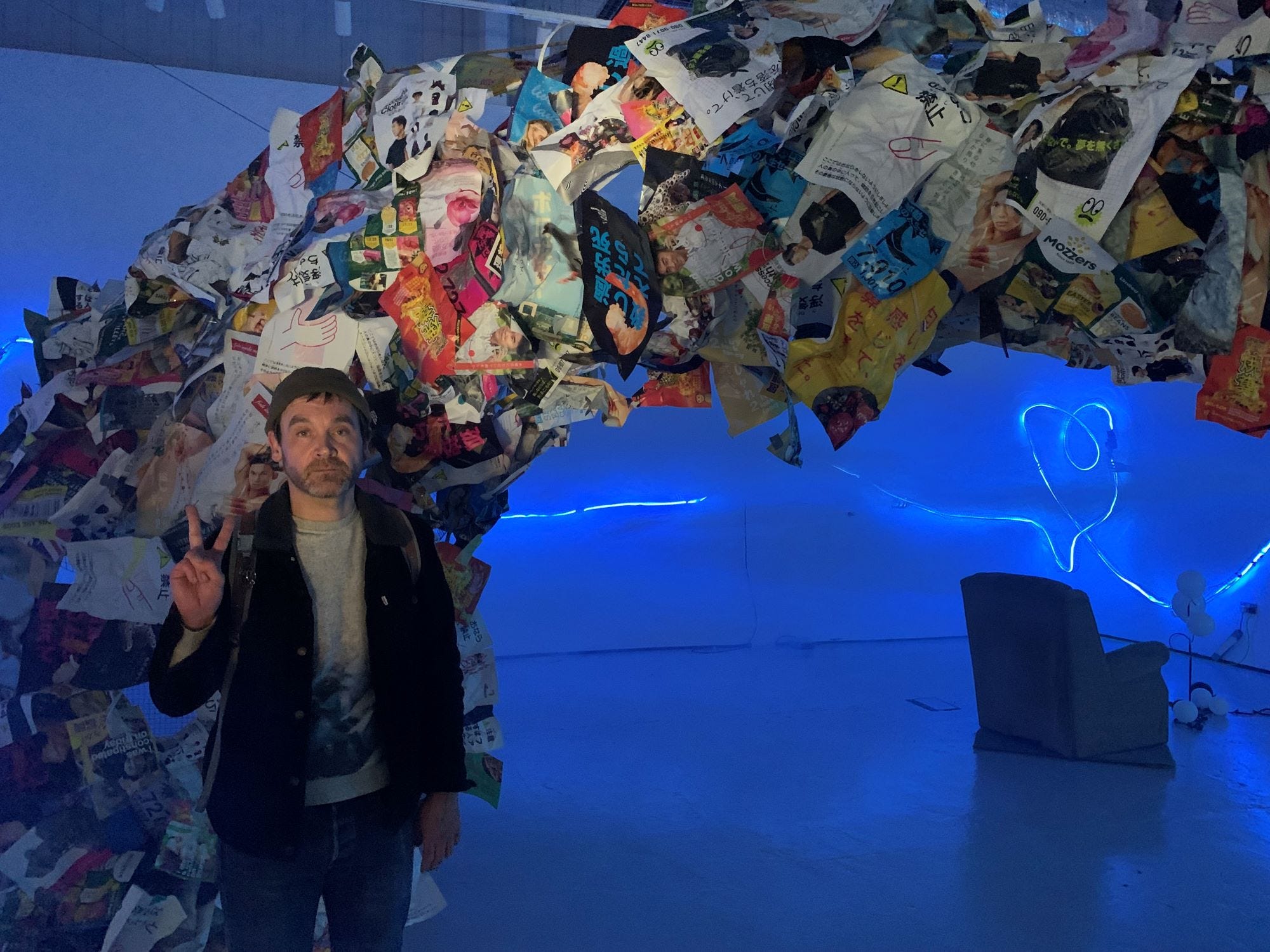
Liam poses in front of an arresting painting made by schoolchildren during Middlesbrough Art Week and then shows me the 27 studio spaces snugly accommodated beneath the rafters of the old building.
And while he keeps this busy show on the road, Anna leads on another Middlesbrough venture, Creative Factory, which is similarly dedicated to creating spaces where creativity can take root and grow.
All this constitutes a good news story that’s ongoing.
When the Turner Prize closes on March 29 next year, that will be just one more step on the way to Middlesbrough’s bicentenary in 2030. Nobody can take that one away and it promises to be a biggie.
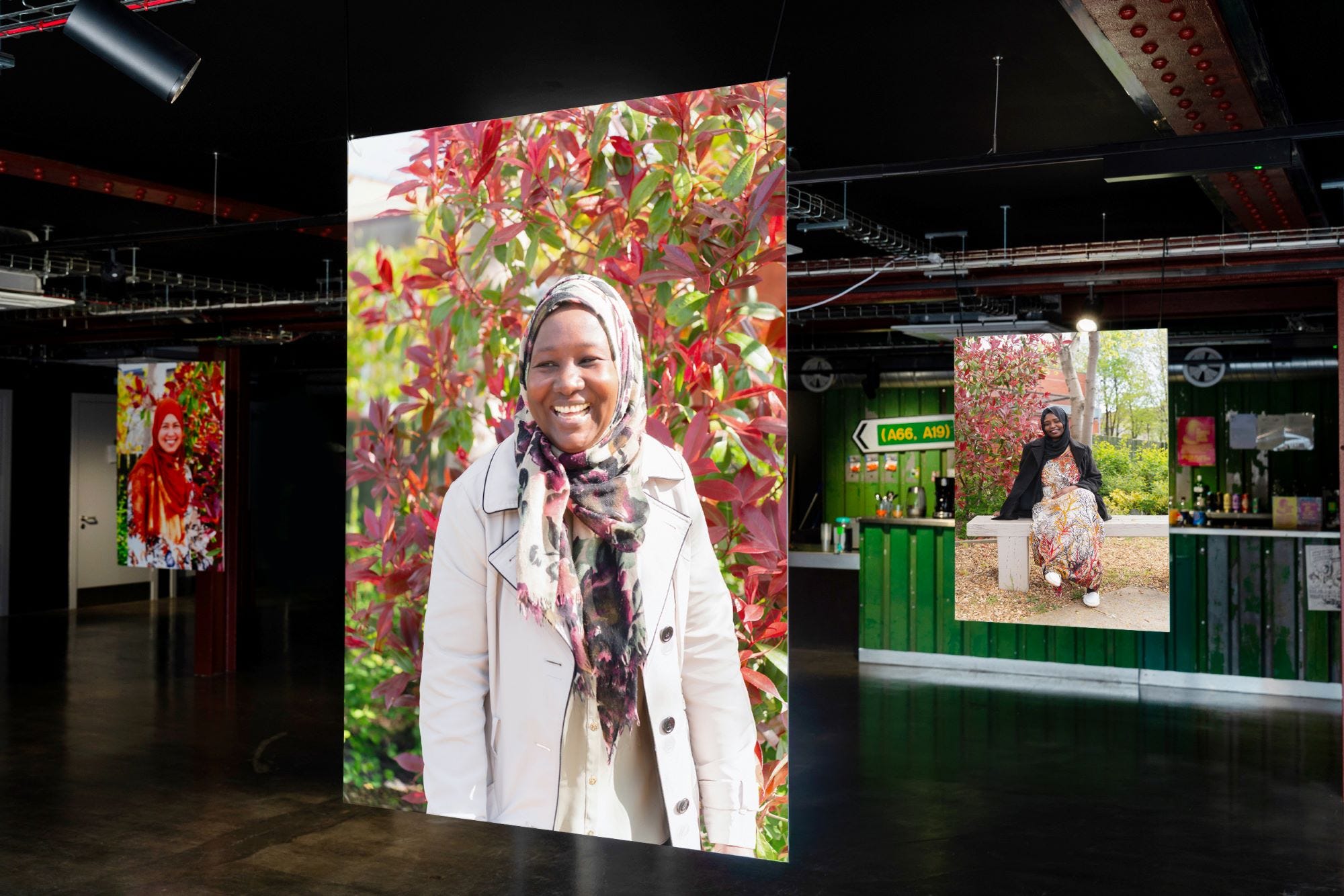
Stuart Langley’s exhibition ends on November 21 but there’s one more Turner on Tees show at The Auxiliary to come.
This is an exhibition (December 3-18) by members of GANG, which stands for Guidance for Artists: Networks & Growth, another creative support initiative by the ever inventive Liam Slevin and The Auxiliary.
Berlin’s loss looks very much like Middlesbrough’s gain.