


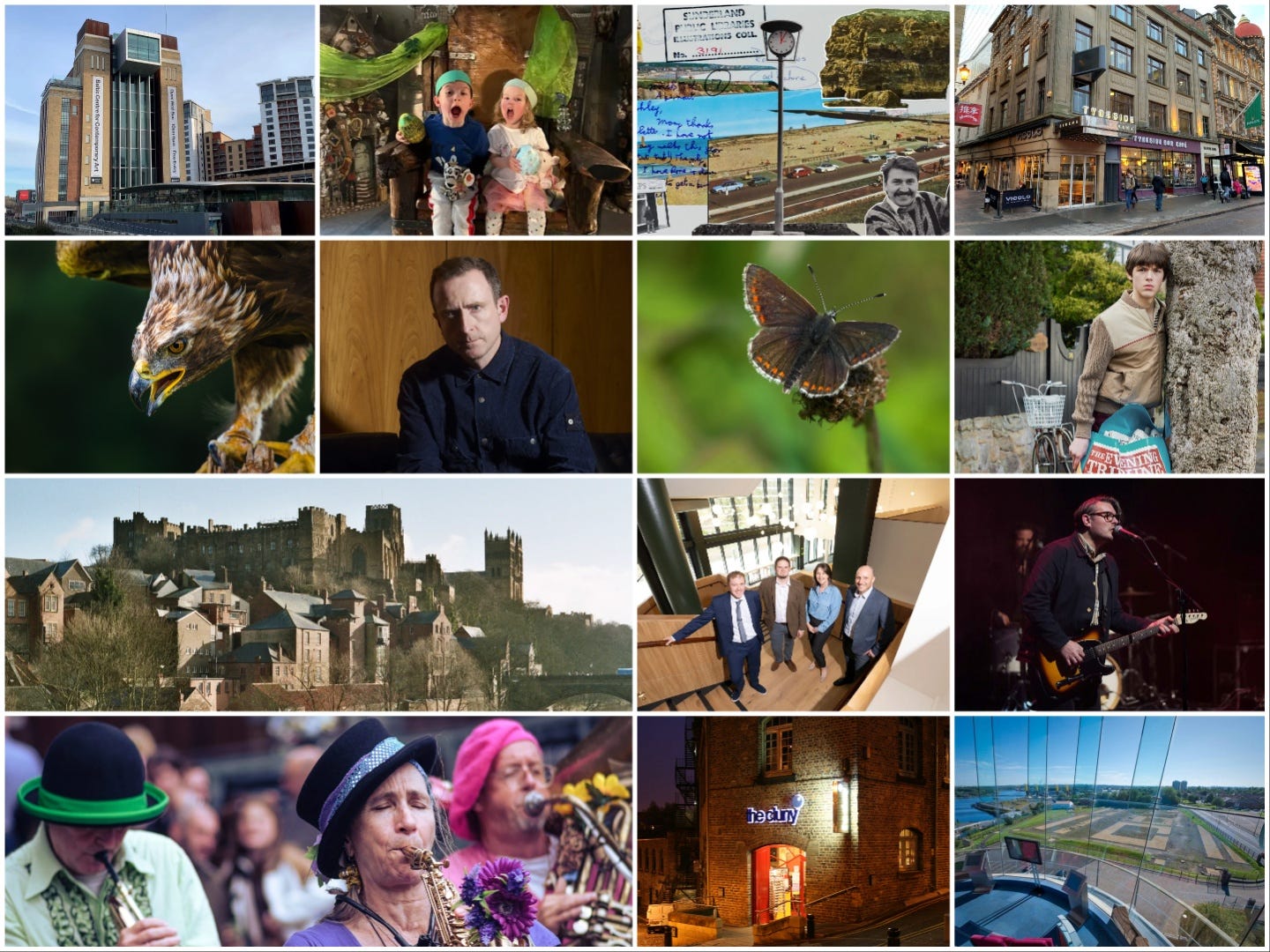

Government's £12 million boost to our cultural infrastructure

Cultural venues and organisations across the North East are to receive a £12 million share of the Government’s Arts Everywhere Fund, announced by Culture Secretary Lisa Nandy who has committed up to £1.5 billion to the cultural sector during this parliament.
The Government’s stated aim earlier this year was to save more than 1,000 arts venues, museums, libraries and heritage buildings across England.
Gratitude came tinged with relief at Baltic Centre for Contemporary Art in Gateshead where current work around the lifts has entailed barriers and apologetic signs for visitors.
Gateshead’s landmark gallery has been awarded £3,649,800, the largest sum destined for the North East from any of the three separate funds which fall under the Arts Everywhere Fund umbrella.

North East music champion wins national award
Mick Ross, CEO of music develop agency, Generator, has been named Unsung Hero at this year’s Music Producers Guild Awards.
The award, presented in London on Thursday night (April 16), recognises individuals working behind the scenes in the recording industry who make an exceptional contribution to supporting artists and producers.
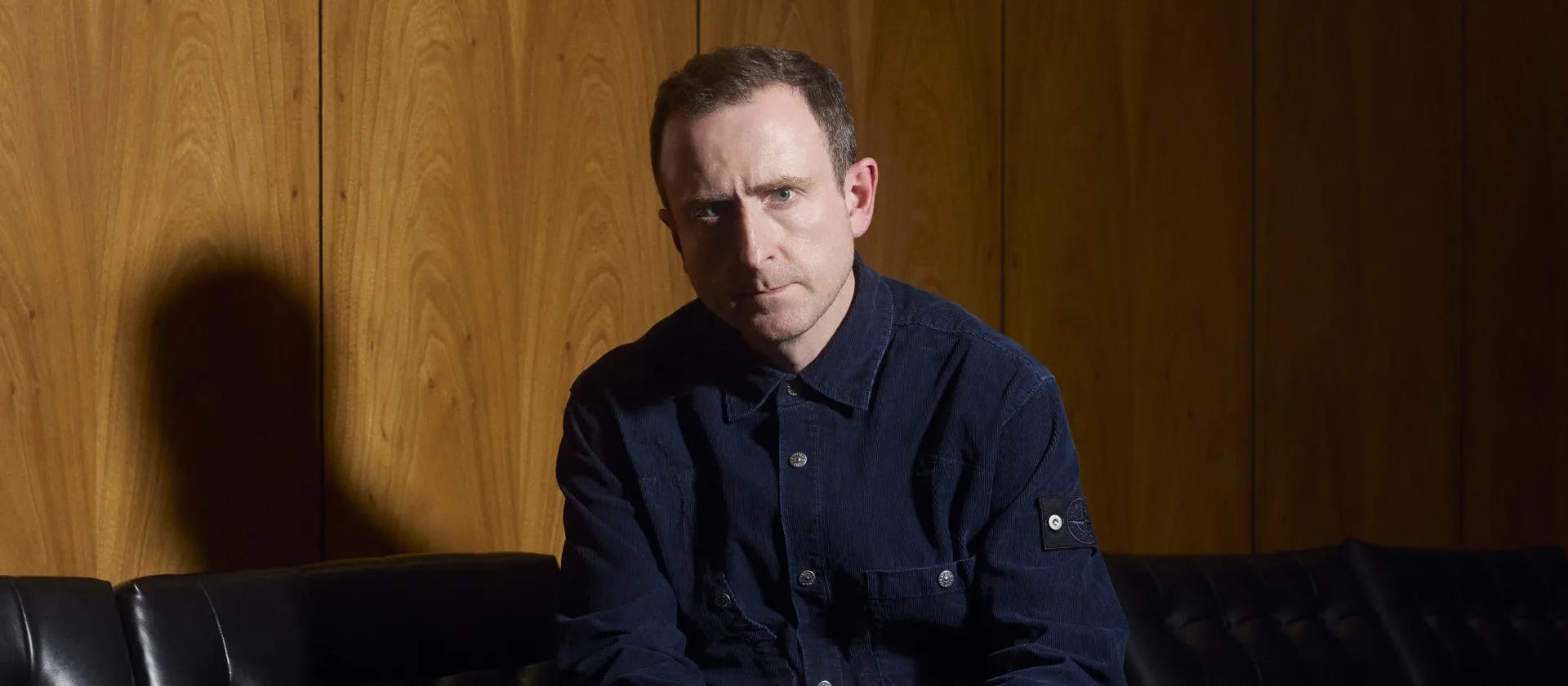
The driving force behind Generator’s ambitious suite of activity to “put the North East on the global map” Mick’s efforts have helped secure landmark events for the region including the MOBO Awards and Mercury Music Prize ceremonies - with the latter returning to the Utilita Arena Newcastle later this year.
Sharing the news on social media, he said: “A massive thank you to those that nominated and voted for me, and by doing so recognised the huge contribution our Generator team delivers for the NE. They work tirelessly for this region the year round and I couldn’t be more proud of them.”
The Unsung Hero category is open to nominations from across the industry, celebrating those whose work often goes unseen but plays a vital role in the sector.
Durham locals and visitors soon to see The Light
Another milestone has been reached in the transformation of the old DLI Museum & Art Gallery into new Durham cultural venue The Light.
The building has been formally handed back to the city council by construction firm Willmott Dixon.
The firm has spent the past two years stripping the place down to its basic structure and almost rebuilding it.
Now, say the council, the building at Aykley Heads is capable of staging world class exhibitions – although it will also have a dedicated DLI gallery, telling the story of the Durham Light Infantry, known as the ‘Durhams’.
Officially it is being described as a multipurpose cultural space and a sister venue to The Story which is the permanent home of the DLI Collection.
Casting confirmed for North East shot Adrian Mole reboot

A first glimpse of a much-loved British character has been unveiled, as the BBC confirms stellar casting on a new adaptation of The Secret Diary of Adrian Mole Aged 13¾ – with the North East set to take centre stage.
Based on the iconic and beloved book by Sue Townsend, the nine-part series is being brought to the screen by David Nicholls, whose previous credits include One Day and Us. Produced by Big Talk Studios, the show will air on BBC iPlayer and BBC One.
Rising star Oliver Savell takes on the title role of Adrian Mole, the introspective and often anxious teenager navigating life in early 1980s Britain.
Already recognised with a BAFTA nomination for Best Male Comedy Performance in 2025 and nominated again for 2026 for his portrayal of Alan Carr in ITV series, Changing Ends, Oliver will be joined by Lisa McGrillis as Adrian’s mother Pauline and Colin Hoult appears as his father George.

NEIFF lands Grierson qualifying status
The North East International Film Festival has been named a qualifying festival for the Grierson Awards, marking a major milestone for the region’s screen sector.
From this year, documentaries screened at NEIFF will be eligible for consideration at the prestigious awards, named in honour of the pioneering Scottish documentary filmmaker John Grierson.
Organisers said the recognition reflects the strength of the festival’s programme and the work of its filmmakers and volunteer team.
Established in 1972, the Grierson Awards honour documentaries that demonstrate excellence, creativity and integrity across the genre.
Domino effect booked for Newcastle festival

A large-scale domino run is set to sweep through Newcastle city centre this summer, transforming streets and public spaces into a moving chain of sculptural performance.
Dominoes Newcastle will take place on Sunday, August 9, forming the headline finale of this year’s NOVUM Summer Festival (Aug 7-9).
Presented by internationally acclaimed performance company Station House Opera, the ambitious project - which has been seen all over the world in locations including Melbourne, Toronto, Copenhagen and Marseille - will see thousands of breezeblocks carefully arranged across the city before being toppled in a single, continuous chain reaction.
Stretching from east to west, the route will wind through Newcastle’s streets, public spaces and venues, even incorporating dramatic drops from buildings and pauses for large-scale sculptural structures.
The result aims to be both visually striking and deeply communal - a city-wide artwork experienced in real time.


Selfies, stories and Sunderland: public call-out for major new artwork
Sunderland residents are being invited to help shape a major new digital artwork set to take centre stage at the city’s new cultural hub.
Timepiece, an ambitious audio-visual installation, is being created for Culture House Sunderland by a North East-led creative team including Ross Millard of The Futureheads, alongside video artist Jeremy Bradfield and creative technologist Ben Lawrence.
The large-scale work will occupy the building’s atrium, appearing on the hour, every hour, for a full year. Designed to function as both a clock and a living artwork, Timepiece will combine archive images, film, audio, field recordings and newly composed music to create an evolving portrait of Sunderland.
At its heart, the project aims to celebrate the city’s past, present and future - and the public are being encouraged to play a direct role. The artists are calling for submissions of personal images, from family photos and selfies to snapshots of everyday life across the city.
Redefest Calls Time on Two-Decade Run
After nearly two decades, organisers of Rochester’s Redefest have announced the cancellation of the festival.
The long-running Northumberland community event has been halted following a combination of reduced attendance, rising costs and ongoing difficulties recruiting volunteers. Organisers said the decision was made after “hours of heartsearching” and reflected wider challenges facing independent festivals.
In a statement, they thanked landowners, local businesses, musicians, volunteers and audiences for their support, describing volunteers as “the heartbeat of the festival”.
While Redefest comes to an end, remaining funds and equipment will be shared with other local community events to support their future.
Durham's 'living heritage' to be celebrated as part of global celebration

Forty years ago Durham Castle and Cathedral was included in the first batch of seven UK cultural sites to be awarded world heritage site status.
It was added to the new UNESCO World Heritage List in 1986. Today it is number 370 and there are 1,223 sites worldwide.
Saturday (April 18) is World Heritage Day and is being celebrated along with the run up to the 40th anniversary at a Durham event with the theme of ‘Living Heritage’.
Organised by Durham Castle and Cathedral World Heritage Site Partnership and County Durham Forum for History and Heritage, the event will bring the history of Durham to life, combining entertainment with discovery to appeal to all visitors of all ages.
Funding boost for Blyth creatives as Celebrates Fund returns
Artists and community groups are being invited to help shape Blyth’s cultural future as the Northumberland County Council reopens its Blyth Celebrates Fund for 2026/27.
Now open for applications, the fund offers a total of £25,000 to support creative projects in the town, with grants ranging from £1,000 to £5,000. Successful applicants will deliver activity at the Market Pavilion, Blyth’s growing creative hub, between June 2026 and March 2027.
The scheme is designed to support a wide range of work, from workshops and performances to community-led initiatives, all aimed at connecting people and celebrating Blyth’s identity. It builds on a previous round of funding which backed a series of projects across 2025 and early 2026.
Councillor Wendy Pattison said: “Blyth Celebrates continues to showcase the incredible creativity and community spirit we have in the town. This fund is a fantastic opportunity for artists and groups to share their ideas, connect with local audiences and play a part in shaping Blyth’s cultural future. I’d encourage anyone with a creative idea to apply and be part of something special.”
The deadline for applications is April 30. To download the guidance document and application form, visit greatnorthumberland.co.uk
Durham coast transformation inspires new conservation appeal
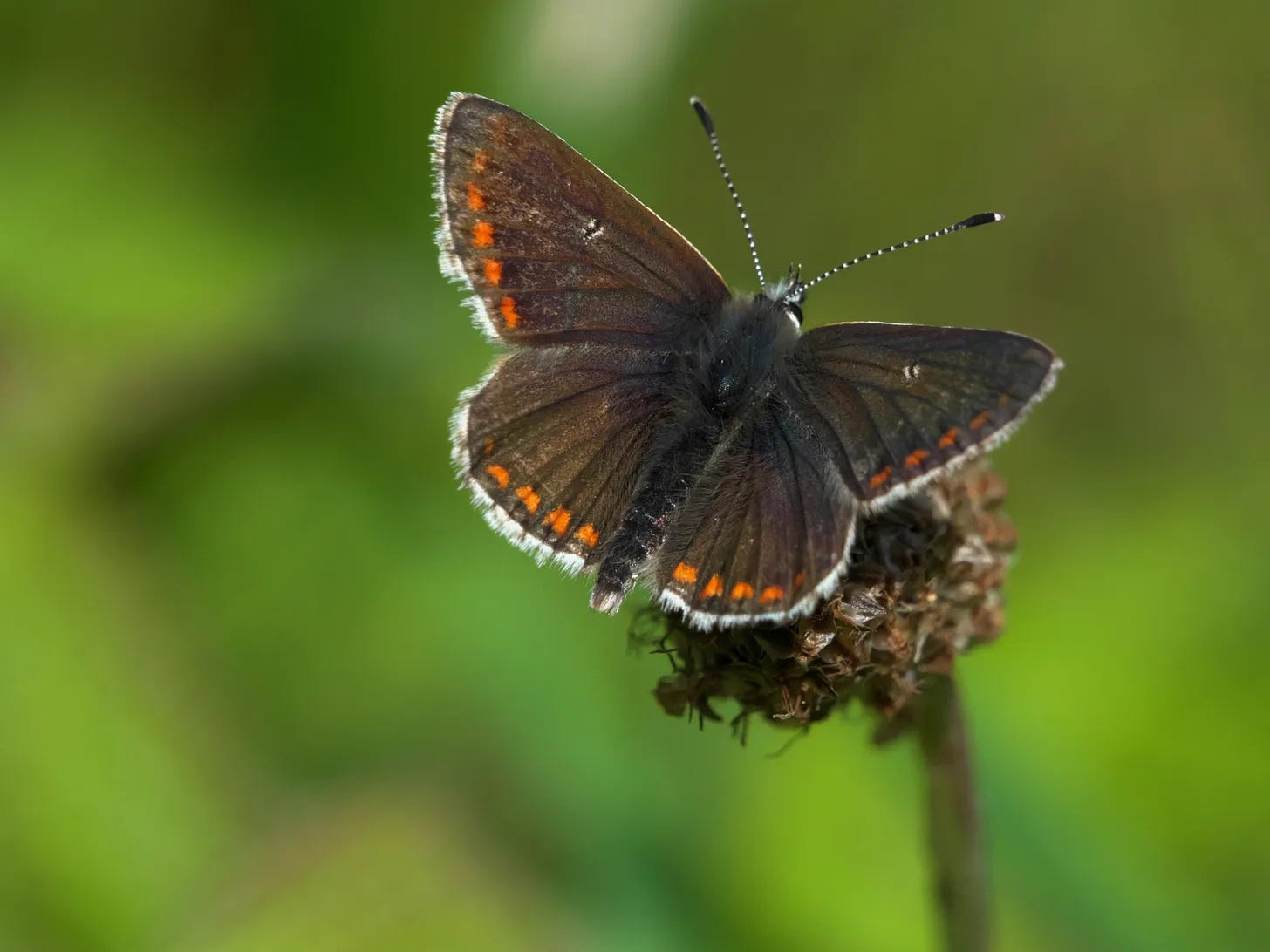
The welfare of butterflies would not have been high on the agenda of Michael Caine’s Get Carter character.
But times change and now a fundraising appeal has been launched to support nature at a location near to where Jack Carter is shot on a County Durham beach at the end of the 1971 famous film.
The climax to Get Carter was set around the coal-blackened beach at Blackhall Rocks on the Durham coast - an area which was the target of a £10m Turning the Tide clean up operation.
Fifty-five years on, the grim industrial landscape created by colliery waste tipping has been transformed into a nature reserve due to Durham Wildlife Trust carrying out a dedicated conservation programme following the closure of Blackhall Colliery in 1981.
Now, the Trust is asking nature-lovers to donate to its Earth Raise appeal, so it can continue to support nature on the site and several other magnesian limestone grasslands in the North East.

Lights, camera, collaboration: national film fan conference heads to Newcastle
Film exhibitors from across the UK are set to gather in Newcastle as BFI FAN CON heads to Tyneside Cinema.
Hosted by the BFI Film Audience Network, the event will bring together cinemas, festivals and industry professionals to share ideas and explore new ways of engaging audiences.
The programme will feature workshops, panels and case studies covering topics from data and AI to youth engagement, community-led exhibition and Green Cinema initiatives.
Following a successful debut in Belfast, organisers say the event aims to inspire collaboration and innovation across the sector.
Early bird tickets are now available, with further programme details set to be announced soon.
Exhibition opens at Segedunum as new funding is confirmed

A cash injection is set to enhance the visitor experience at a Tyneside Roman fort which has just unveiled its latest exhibition.
Segedunum Roman Fort in Wallsend, part of the Frontiers of the Roman Empire UNESCO World Heritage Site, has been awarded £213,100 from The Wolfson Foundation and the Department for Culture, Media and Sport.
Over the past 25 years, archaeological discoveries, such as the original Bath House uncovered in 2014, and new research has significantly advanced knowledge of the site.
The project seeks to reinterpret and reinvigorate the fort’s outdoor spaces, ensuring the presentation reflects the latest scholarship.
Design the parade: artist opportunity announced for Ouseburn Festival
Artists are being invited to help shape one of the North East’s most community-driven celebrations, as Ouseburn Trust launches a call-out for its 2026 parade commission.
Part of the Ouseburn Festival, the project will see an artist lead workshops to create bold banners for the annual parade, inspired by this year’s theme, YOUseburn Festival.
Celebrating local people and milestones for organisations including Ouseburn Farm and Seven Stories, the role offers a £1,800 fee.
The deadline for applications is May 8, with the festival taking place in July 2026. Email festival@ouseburntrust.org.uk for more details.
Plans take flight for golden eagle revival
A new study has singled out Northumberland and the North Pennines as prime areas for the re-establishment of golden eagles in England.
The government has awarded £1m in funding to explore a recovery programme and reintroduction of golden eagles, following the study by Forestry England.
The species was virtually wiped out in England by persecution during the Victorian era. Only a handful of pairs have been seen in England since and the last eagle failed to return to its nesting site in Haweswater in the Lake District in 2016.
The Forestry England study confirms that England has the capacity to sustain golden eagle populations once more, with eight potential ‘recovery zones’ (PRZs) identified.
Among eight areas with the greatest ecological potential to support the birds are the Cheviots, North Pennines, and the Lake District.
Millions awarded to improve museums across the region
Four North East museums are set to benefit from a share of a £4 million funding pot aimed at improving access to arts and culture.
The investment, delivered through a partnership between the Department for Culture, Media and Sport and the Wolfson Foundation, will support upgrades to displays, collections care and visitor accessibility across 24 museums nationwide.
In the region, Museum of Hartlepool has been awarded £218,400 to create a temporary exhibitions gallery and improve its collections facilities; Seven Stories in Newcastle will receive £316,200; North East Museums’ Segedunum Roman Fort (see aforementioned story) has secured £213,100 to enhance visitor facilities and improve access to its collections; and Kirkleatham Museum, Redcar will use £272,000 to redevelop its galleries.
Museums Minister Baroness Twycross said: “We want to ensure that everyone, everywhere can experience arts and culture in the area they call home and this fund plays a key role in making that possible.”
Comedy creatives invited to apply for BBC Scheme
Applications are open for the BBC Comedy Collective, a scheme designed to support the next generation of UK comedy talent.
The initiative offers 10 mid-career creatives the chance to develop their work through paid placements on BBC productions, mentoring and a £5,000 development grant. Participants will also gain direct access to BBC commissioners and industry ambassadors.
The scheme is aimed at writers, performers, producers, directors and editors with at least one professional credit, rather than those at entry level.
Previous North East members of the Collective include writer Benjamin Bee, producer Zahra Zomorrodian and writer/performer Chess Tomlinson.
Jon Petrie, director of comedy at the BBC, said: “The BBC Comedy Collective is a fantastic way for emerging comedy talent, both on screen and behind the scenes, to get stuck into the heart of the industry. It’s about opening doors and helping the next wave of voices find their place in the comedy community. We’re thrilled to launch the search for this year’s cohort.”
Applications close on May 6, with the 2026 cohort due to be announced at the Edinburgh TV Festival in August.