

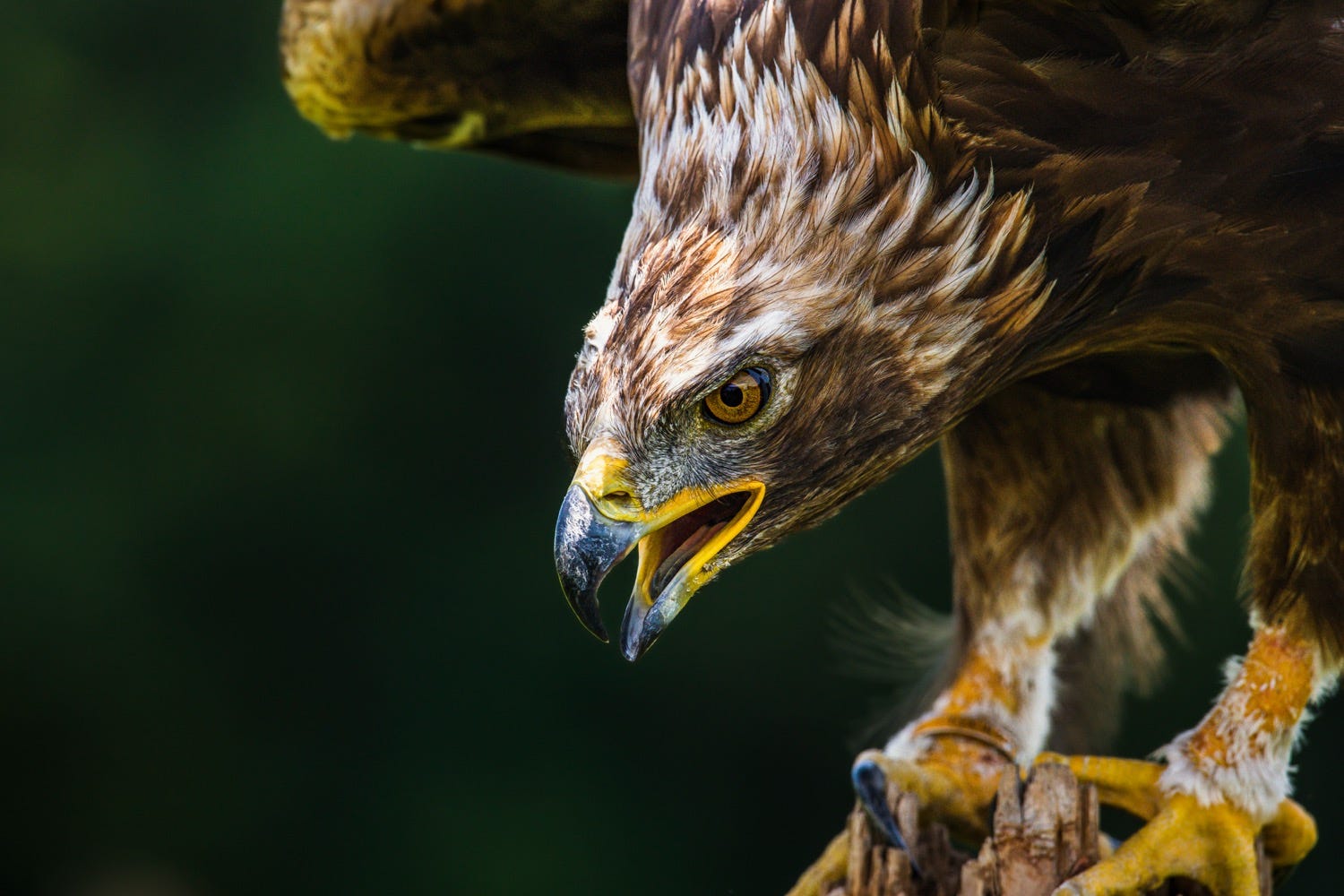
A new study has singled out Northumberland and the North Pennines as prime areas for the re-establishment of golden eagles in England.
The government has awarded £1m in funding to explore a recovery programme and reintroduction of golden eagles, following the study by Forestry England.
The species was virtually wiped out in England by persecution during the Victorian era. Only a handful of pairs have been seen in England since and the last eagle failed to return to its nesting site in Haweswater in the Lake District in 2016.
The Forestry England study confirms that England has the capacity to sustain golden eagle populations once more, with eight potential ‘recovery zones’ (PRZs) identified.
Among eight areas with the greatest ecological potential to support the birds are the Cheviots, North Pennines, and the Lake District.
The study says that the most probable routes of natural recolonisation from Southern Scotland are south through the Cheviots PRZ, into the North Pennines and Lake District. Once reached, the North Pennines and Yorkshire Dales would be critical routes to recolonisation of remaining northern PRZs.

Environment Secretary Emma Reynolds has welcomed the study’s findings and approved the additional funding to explore a reintroduction programme with the potential for juveniles, six to eight weeks old, to be released as early as next year.
With support from Forestry England, the charity Restoring Upland Nature (RUN) will now consult with farming, game management, recreation, nature conservation, tourism and education interests.
Encouragement has been drawn from the success of the South of Scotland golden eagle recovery project, involving RUN, which began in 2018 and has seen young birds exploring northern England.
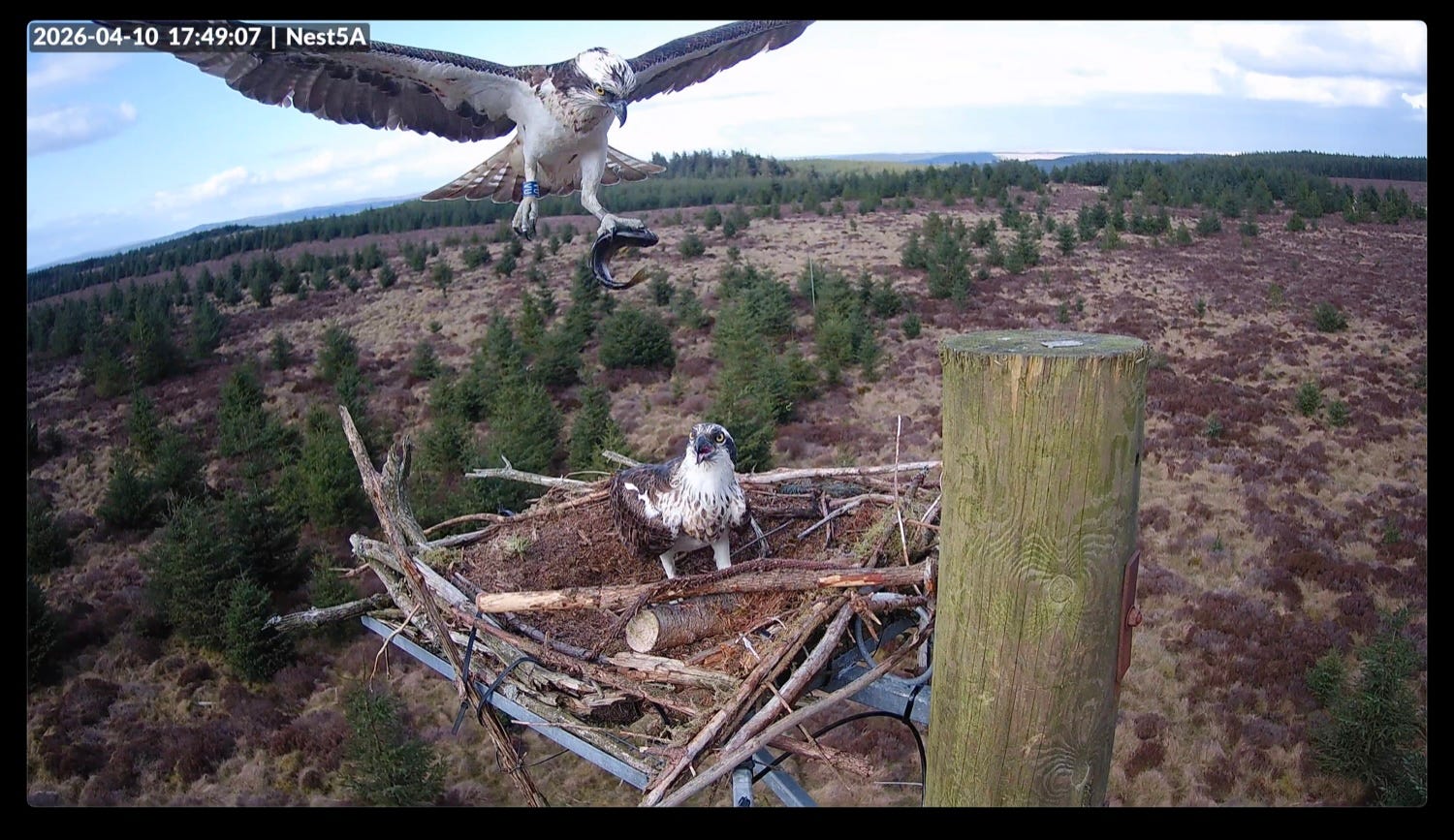
Other positives have been the success of the Northumberland osprey nesting colony at Kielder, with the sea eagles returning in 2009 and benefiting from nest poles installed by Forestry England.
This year six breeding pairs of ospreys have already settled on nests and single birds on two further nests.
The 2004 reintroduction of red kites in the Derwent Valley in Gateshead and County Durham is also seen as a promising example for the region, as have conservation efforts to help threatened hen harriers in Northumberland and County Durham.
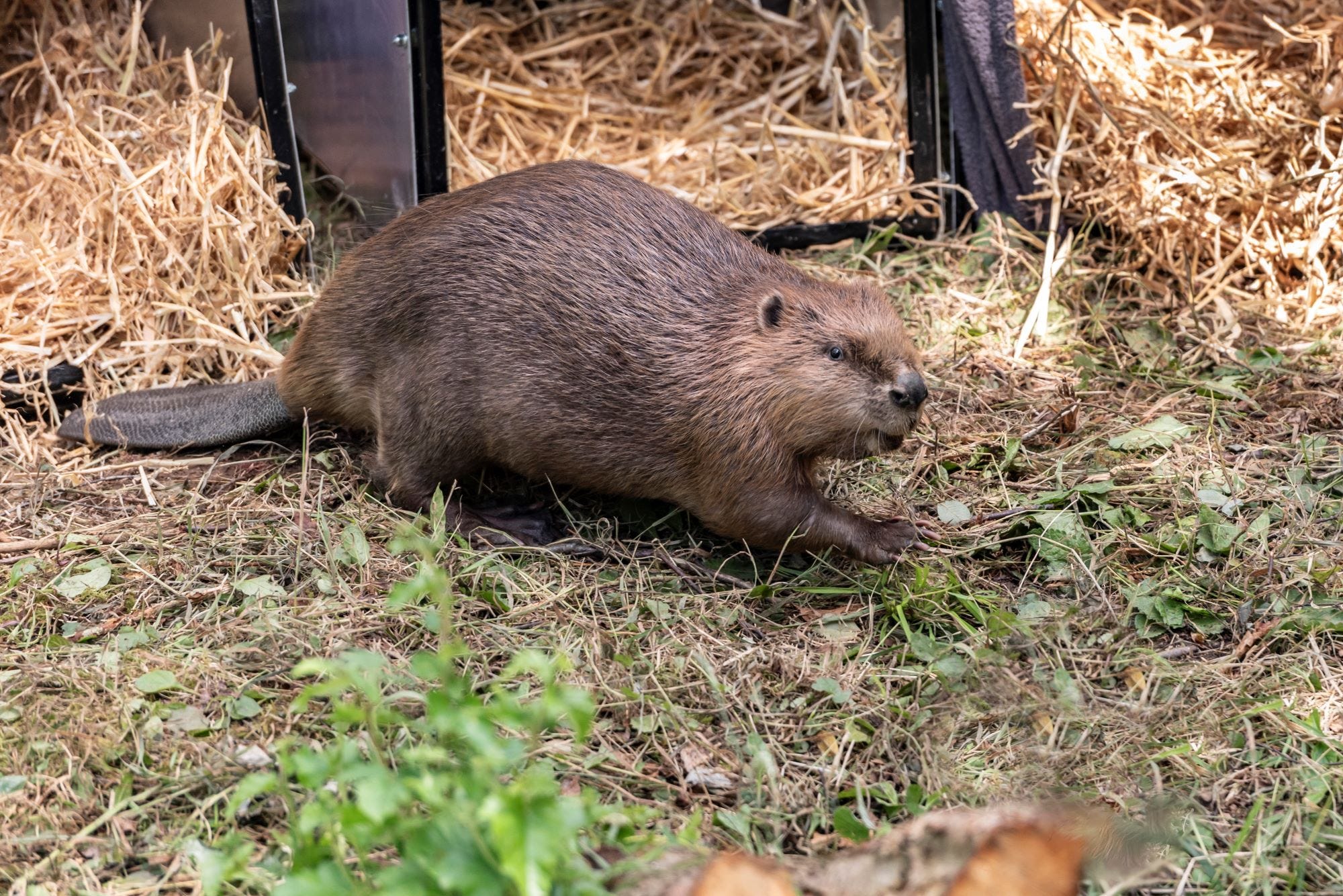
The new project also follows the government’s landmark decision last year to allow the legal reintroduction of another keystone species, beavers, into the wild in England for the first time in hundreds of years.
A family of beavers are now resident on the National Trust’s Wallington estate in Northumberland.
Forestry England says: “The forest landscapes we manage in northern England include significant upland areas suitable for golden eagles to hunt and nest in and the edges of the forests we care for offer hunting opportunities for the eagles as they return to settle and breed.
“We’re working in partnership with RUN to explore how golden eagles could return to northern England. This project is in its very early stages and focuses on listening, learning and building trust with the people who live and work in the areas where eagles might one day live.”
Emma Reynolds said: “This government is committed to protecting and restoring our most threatened native wildlife – and that includes bringing back species like the golden eagle.
“We will work alongside partners and communities to make the golden eagle a feature of English landscapes once again.”
Aside from being Britain’s second largest bird of prey with a two-metre wingspan, the golden eagle is a keystone species that can play a vital role in nature recovery more widely. As a predator at the top of the food chain, golden eagles help to keep the whole ecosystem in balance.
Mike Seddon, Forestry England chief executive, said: “It is our ambition that the nation’s forests will become the most valuable places for wildlife to thrive and expand in England. And we know from our successful reintroduction projects that returning lost species is vital for nature recovery across landscapes.
“The detailed findings of our feasibility study will guide us with our partners to take the next steps to explore the recovery of golden eagles in northern England.”
Dr Cat Barlow, restoring upland nature chief executive, said: “This presents a truly exciting, and potentially game-changing moment for the return of golden eagles to Northern England. Our success to date is testament to the strength of collaborative working between conservationists, raptor study groups, gamekeepers and land managers, and to the incredible support of thousands of people across communities in southern Scotland.
“We now have the opportunity to replicate and build on this approach in Northern England. Our priority will be to listen, to work in partnership, and to ensure that golden eagle recovery supports both nature and the people who manage these landscapes, so that everyone can enjoy the thrill of seeing golden eagles flying high once again across the uplands of the UK.”
Golden eagles mostly eat rabbits, hares, birds and carrion. Evidence points to no, or negligible, economic risk to lambs.