


A Kickstarter campaign has been launched to give a new lease of life to a much-loved body of work by celebrated North East photographer Sirkka-Liisa Konttinen.
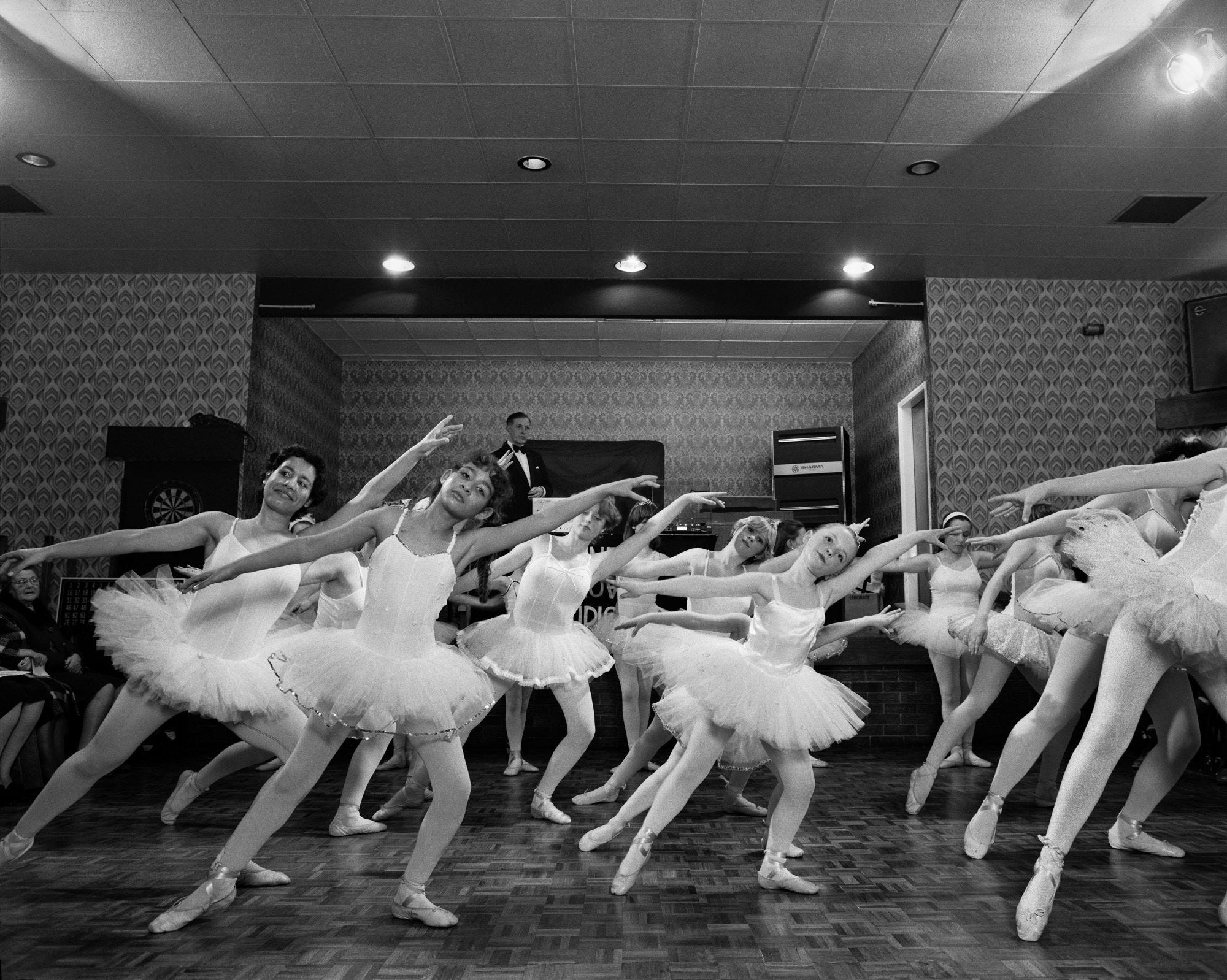
In the 1980s Sirkka took her camera to the Connell-Brown Dancing School in North Shields and photographed the girls and their mothers who attended the classes.
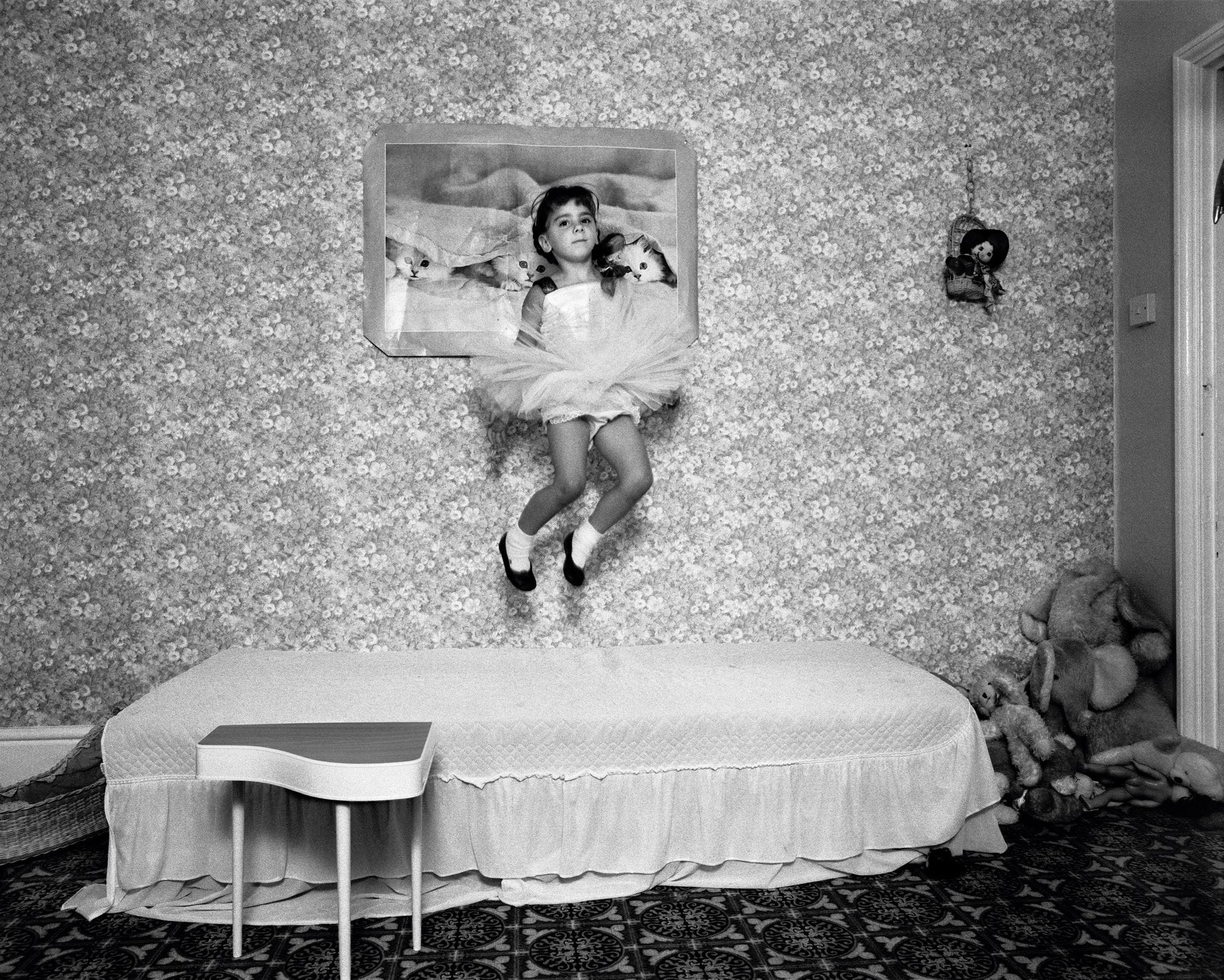
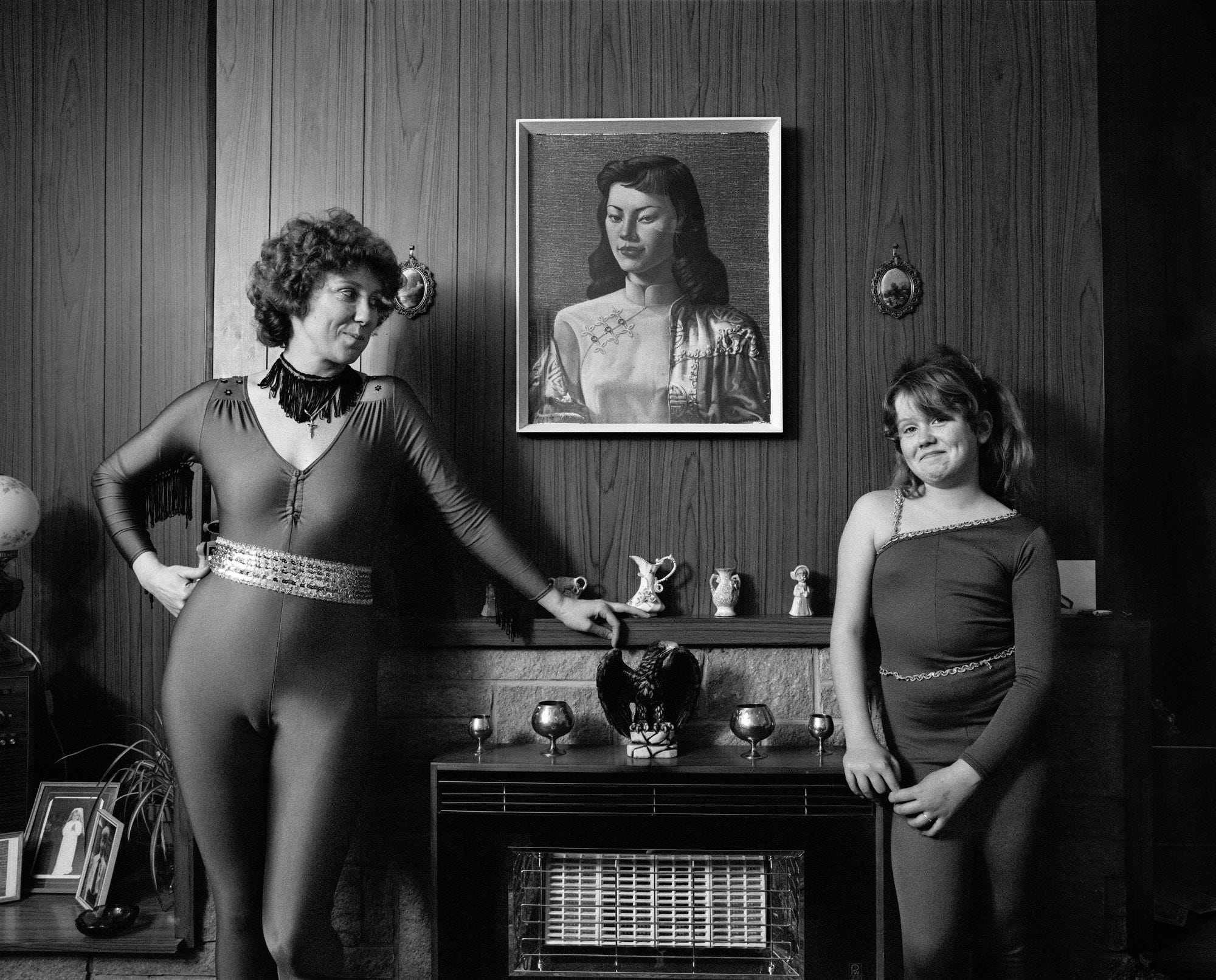
Later she was invited by some of the women into their homes and took more photographs in domestic settings.
This resulted in her dancing school project evolving into something broader, a portrait of the lives and relationships of working class women and their daughters.
Sirkka’s photographs were made into a book called Step by Step which was published in 1989.
Her work with the dancing school and its customers also spawned a drama documentary film by the AmberSide collective – of which Sirkka was a founding member – called Keeping Time.
The original book has long been out of print and the plan by Dewi Lewis Publishing, specialist publisher of photography books, is to reissue Step by Step as a high quality art book.
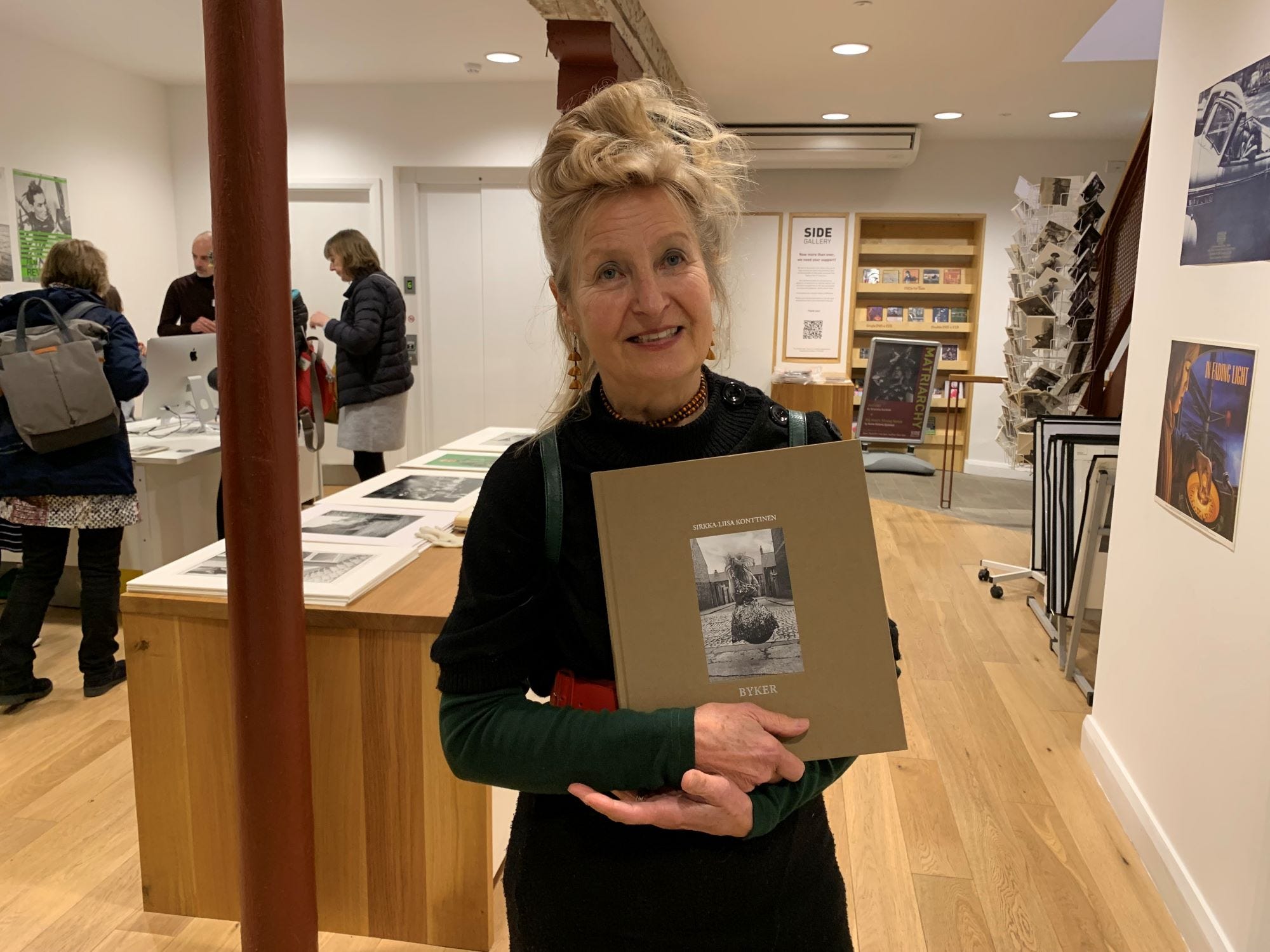
Sirkka is excited by the prospect. Two of her other books – Byker, documenting the terraced streets of the Newcastle district before they were demolished, and Writing in the Sand, showing people having fun on North East beaches – have also been given the Dewi Lewis treatment.
Fresh from her own fun on the beach, or at least in the sea, for Sirkka enjoys a daily swim at Tynemouth, she explained the motivation for the new edition of Step by Step.
“It has been completely re-worked. I’d say the first edition was like a draft because it wasn’t as coherent as this new one will be.
“At the time, back in the 1980s, I wasn’t yet scanning negatives. The scans for the book were done from prints and I didn’t even really know what I had.
“Now that I’ve been going through all my negatives, I’ve been finding stuff I didn’t know existed. This new version of the book is extended and it has some better stuff in it.
“I’ve even dropped some of the original stuff because it didn’t serve the narrative.
“It’ll be beautifully printed in Italy (Dewi Lewis uses EBS in Verona, Italy, acknowledged as one of the best printers in the world) and will easily surpass that first edition of 1989.
“At that time it was the best that could be done with the available technology but the photographs using the tritone process will be tonally so much richer and capture even more.
“It’ll be superior in so many ways that in a way I wouldn’t wish people to keep their copy of the original version.”
Personally, I’d advise anyone who does have a copy to hang onto it, but perhaps to get the new one too – or at least to donate to the Kickstarter whereby Dewi Lewis is trying to raise £10,000 towards the cost of producing a volume worthy of Sirkka’s photography.
At the time of writing, the half way point has just been reached with 24 days left of the campaign.
Sirkka, who came to Britain from Finland to study and then moved from London to the North East with her fellow Amber creatives on graduation, said the new edition of the book would be true to the original intention.
“I’ve kept the voices of the women, all their thoughts and conversations as they reflected on themselves and their activities, and the second part which was more about how they fitted into the world of work at the time.
“What I think is interesting – and people have kept commenting on it – is how little the world has changed in many respects from the 1980s in terms of social and economic opportunities in the North East.
“In fact, it might even be a bit tougher now for young people. So this is something that’s still relevant now. It’s not just a piece of social history or nostalgia.
“A lot of the issues are still very current, for women in particular.”
Sirkka said she was always interested in dancing so initially was drawn to the dancing school for recreational purposes.
Her photography project gained sharper focus when she became a mother and noticed how an intense hobby activity such as dancing could foster closer relationships, particularly between mothers and daughters.
“Many of the mothers became dancers themselves through taking their daughters to the classes and that was one strand I followed.”
Dancing also offered a release from the grind of work, as clearly demonstrated in the case of Margaret Bull, photographed in a ballet tutu but whose day job, in what must have been very much a man’s world, was shovelling coal as a stoker and caretaker.
Margaret, said Sirkka, is still around, as are many of the people she photographed, although many of the girls are well into their forties now.
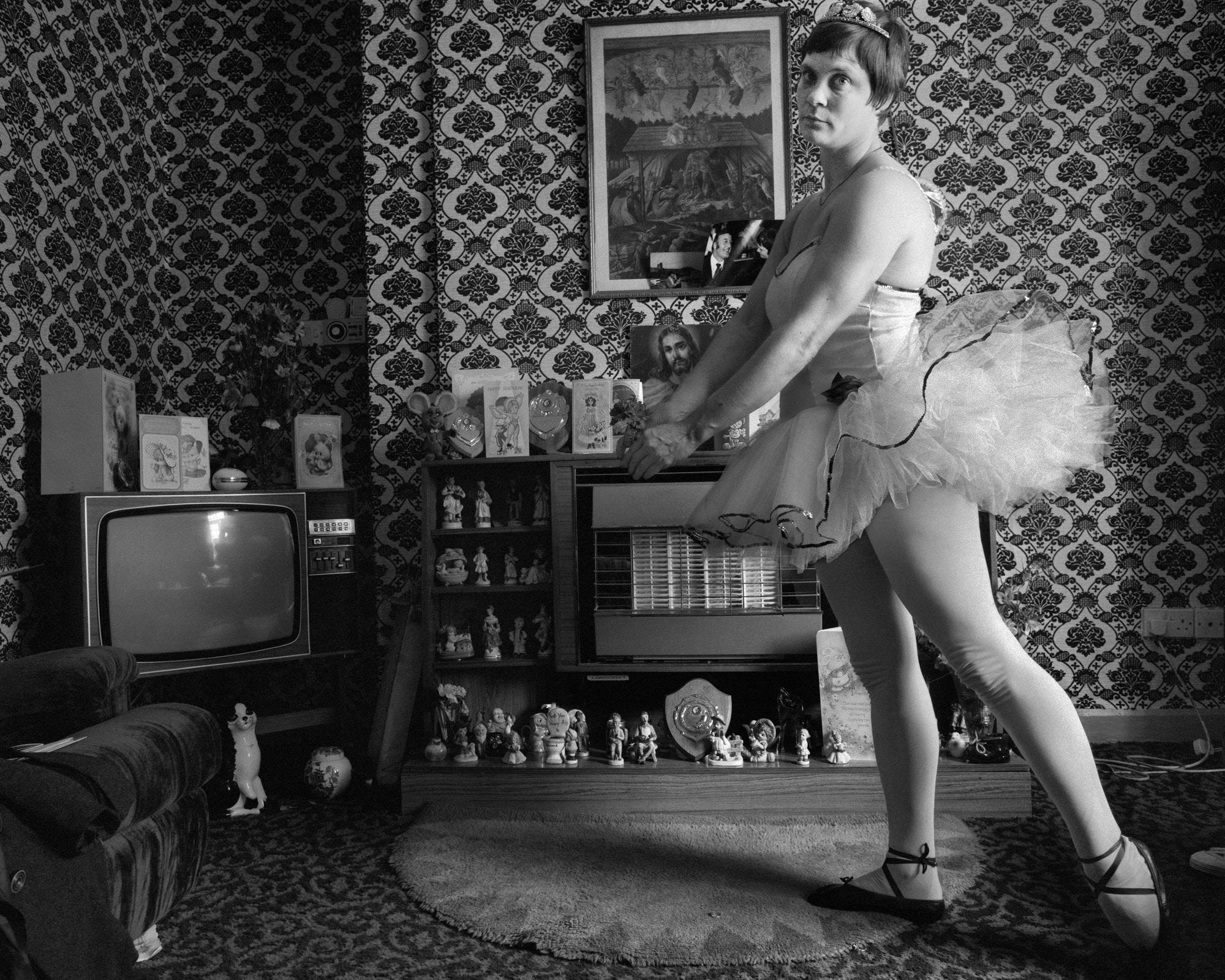
Some of them assembled once to watch footage of their young selves dancing and their reactions were captured for a new film. The laughter on the resulting soundtrack resounded around the gallery, recalled Sirkka.
Many who appear in the photographs are no longer with us or have scattered far and wide. This, Sirkka reminded me, was an age before social media and many of the girls, on marriage, changed their surnames, becoming harder to contact.
“But today I do get messages on Facebook from time to time.”
The Connell-Brown Dancing School is no more. Sirkka said the couple who ran it taught all the classes and when they retired, there was no-one to take it on. The good that it did is clear for all to see, thanks to all those endearing and respectful photographs.
Sirkka was made an MBE in 2025 for services to photography.
Her work is held in major collections including AmberSide, Tate Modern and the Victoria & Albert Museum in London, New York Public Library and the Finnish Museum of Photography in Helsinki.
Her hope is that the new, super-duper edition of Step by Step will be ready to go to the printers in June ahead of September publication by Dewi Lewis. It rather depends on pledges of support made to that Kickstarter campaign, which can be seen here.
Loved seeing the exhibition of Sirkka's collection, Byker, at the Hatton Gallery many years ago. Thanks for writing about this. It will be amazing.