

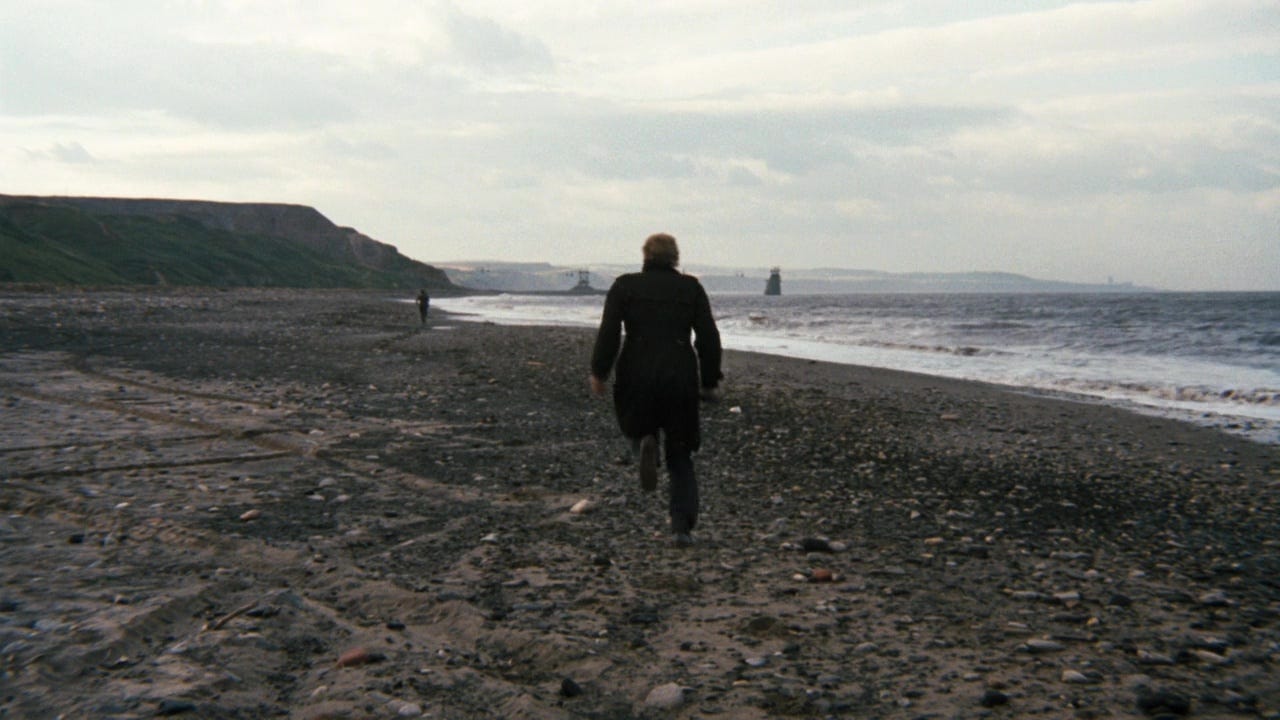
The welfare of butterflies would not have been high on the agenda of Michael Caine’s Get Carter character.
But times change and now a fundraising appeal has been launched to support nature at a location near to where Jack Carter is shot on a County Durham beach at the end of the 1971 famous film.
The climax to Get Carter was set around the coal-blackened beach at Blackhall Rocks on the Durham coast - an area which was the target of a £10m Turning the Tide clean up operation.
Fifty-five years on, the grim industrial landscape created by colliery waste tipping has been transformed into a nature reserve due to Durham Wildlife Trust carrying out a dedicated conservation programme following the closure of Blackhall Colliery in 1981.
Now, the Trust is asking nature-lovers to donate to its Earth Raise appeal, so it can continue to support nature on the site and several other magnesian limestone grasslands in the North East.
The appeal runs from April 22-29, with donations being doubled by the Big Give charity. After April 29, the Trust will continue to fundraise through its own Magical Meadows campaign.
Of the 400 hectares of magnesian limestone grasslands in the UK, two-thirds are in the North East – Durham, South Tyneside, and Sunderland – with Durham Wildlife Trust managing 100 hectares.
The grasslands are home to 83 nationally scarce invertebrate species and 13 nationally scarce plant species.
“This appeal is extremely important because magnesian limestone grasslands are very special to the North East, and it’s a chance for people to support nature in landscapes that give life to some rare and interesting species,” said Durham Wildlife Trust ecology manager Mark Dinning.
“Every pound they give will be doubled in the week of the Earth Raise appeal, enabling us to carry out more conservation work and protect these beautiful landscapes for future generations.”
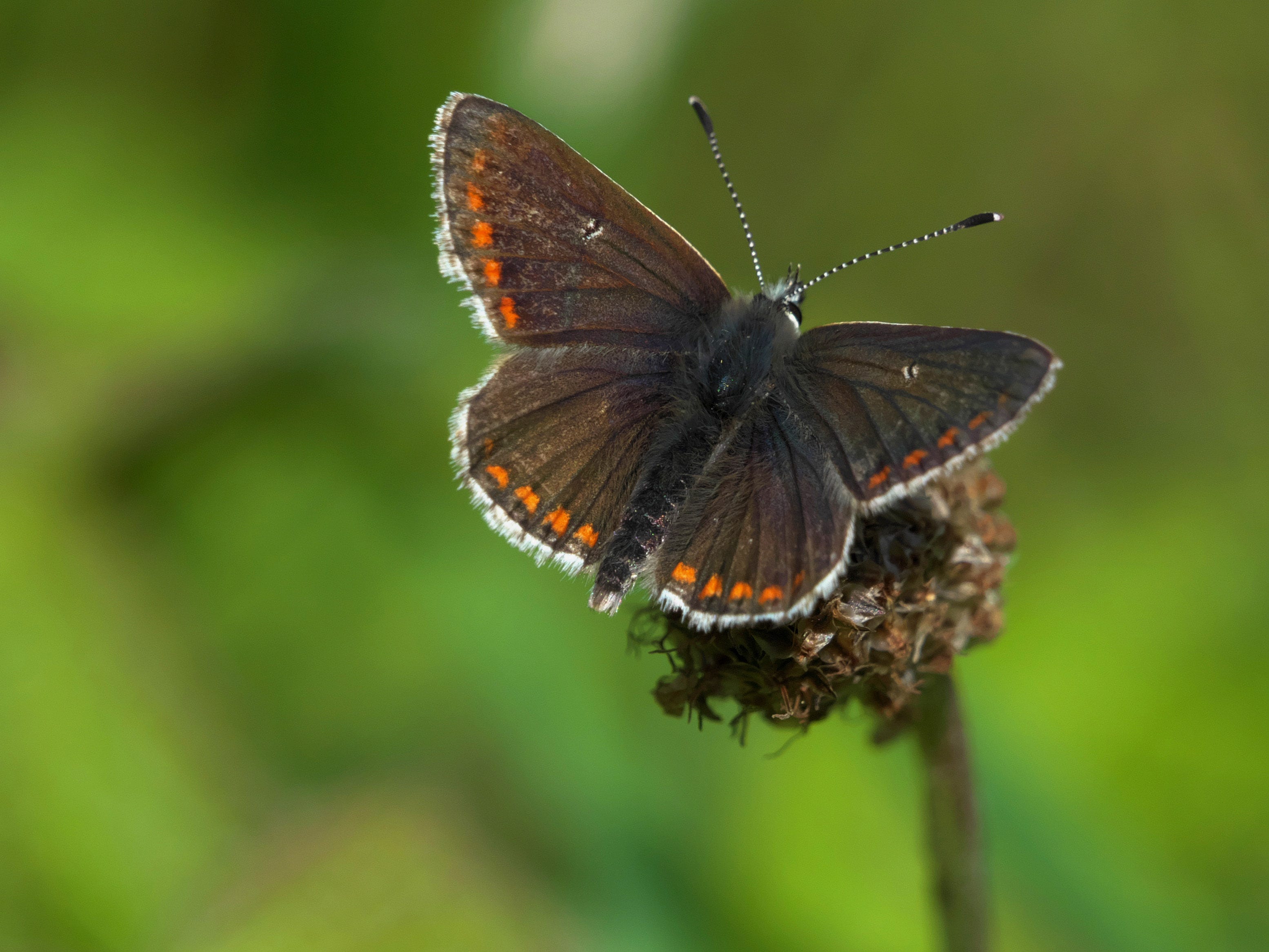
Of particular interest on the landscapes is the northern brown argus butterfly. In County Durham, with the exception of one sand dune site, the small, chocolate brown butterfly is only found amid magnesian limestone grasslands, where the common rock rose is its larval food plant.
Between the 1980s and 2020, the northern brown argus declined by 57 per cent nationally but Blackhall Rocks remains a stronghold thanks to the ongoing conservation work.
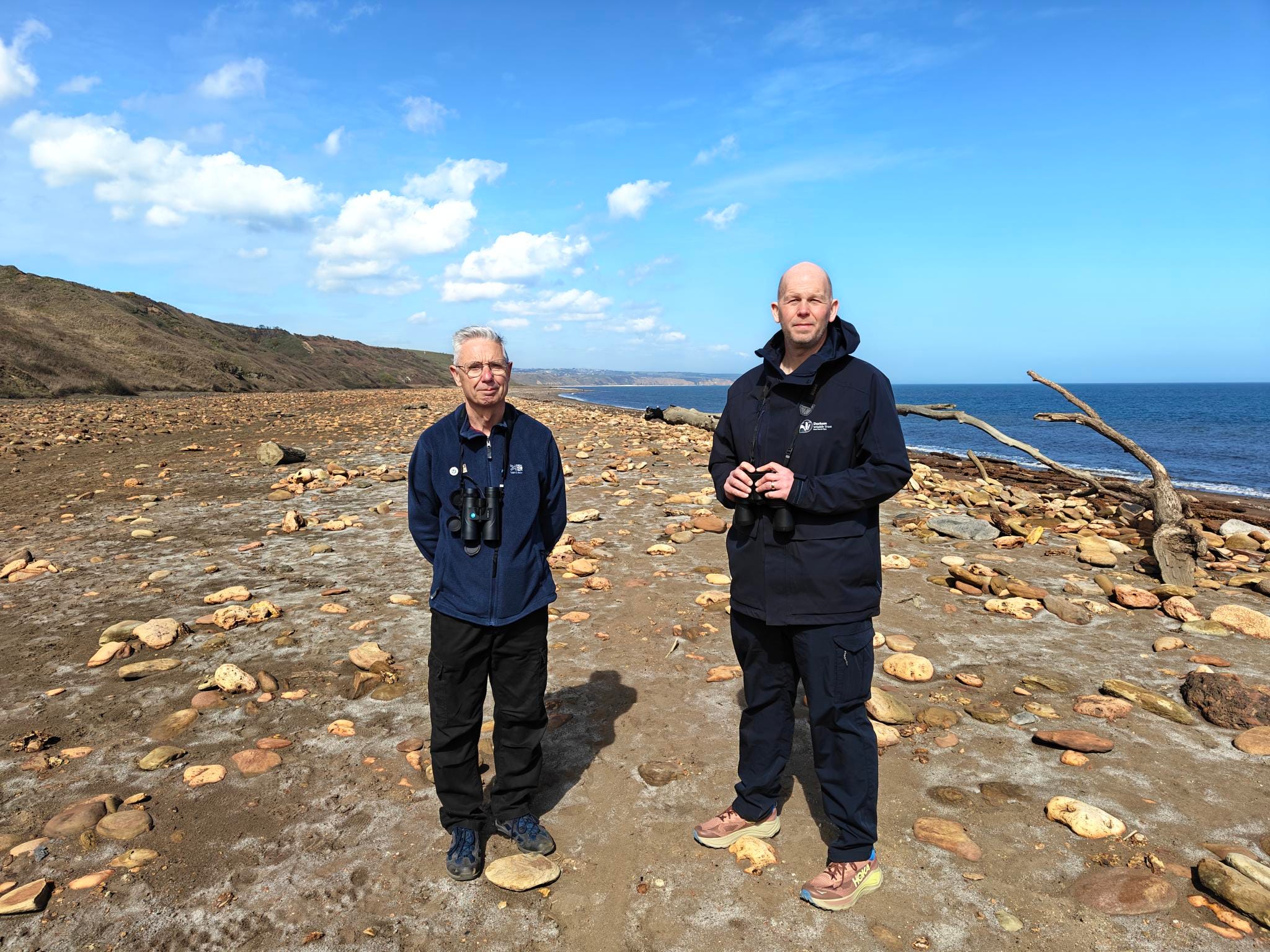
The appeal has been backed by Steven Winrow, one of the Durham Wildlife Trust volunteers on the site where he played as a child.
Steven, who worked as an electrician underground at Blackhall Colliery from 1973 until its closure, helps with scrub clearance, repairing fences, and wildlife surveys.
“It’s changed beyond recognition – from being desolate, it’s become a stunning place,” he said.
“This is where I grew up, so I want to put something back. I love it here but we have to keep helping nature to thrive, and that’s why the appeal is so important.”
To make a donation to the Earth Raise appeal, go to www.durhamwt.com