

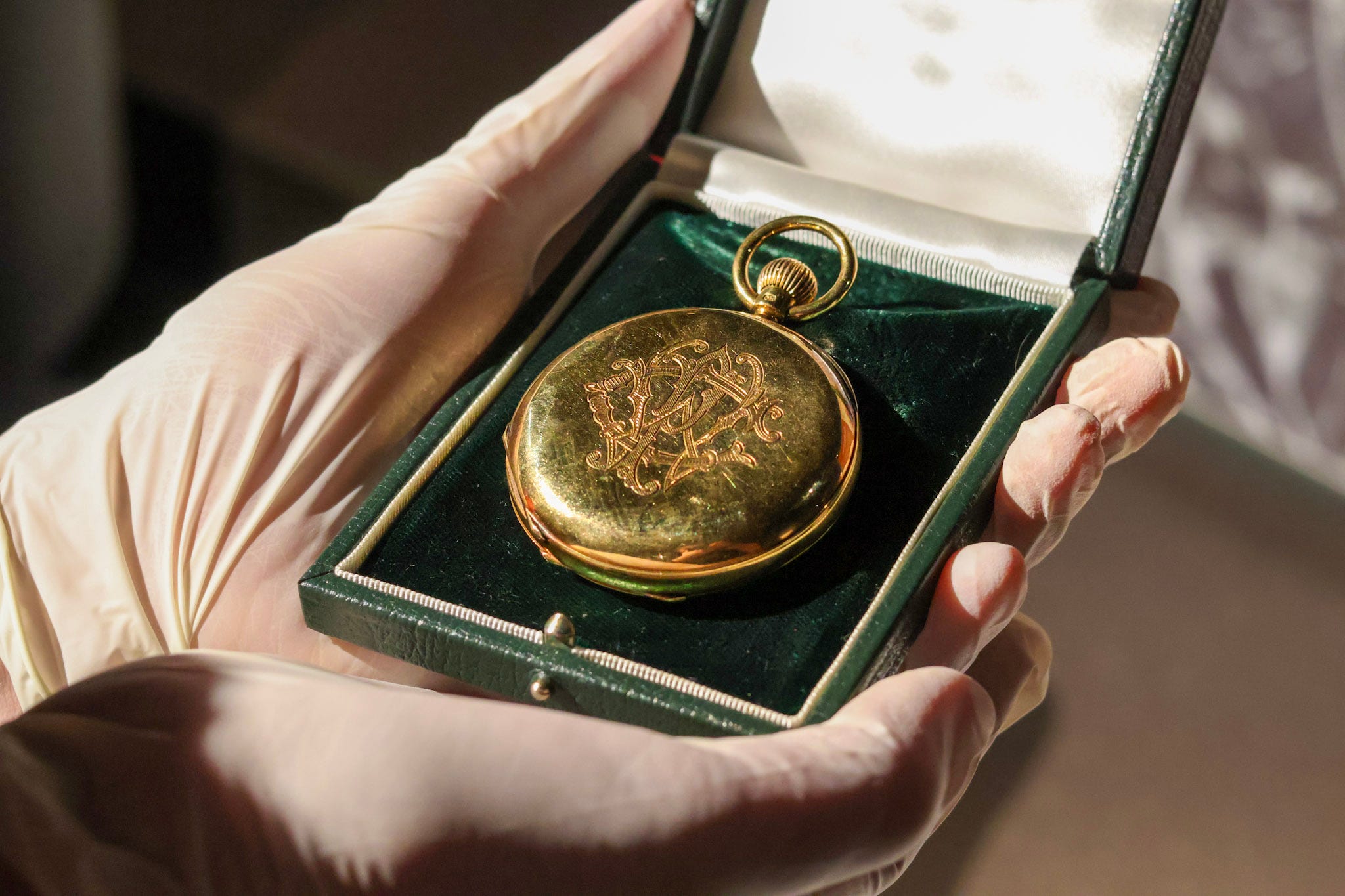
It was time for a pocket watch to cross the Atlantic and return home from New York 124 years after it was presented to a North East cavalryman.
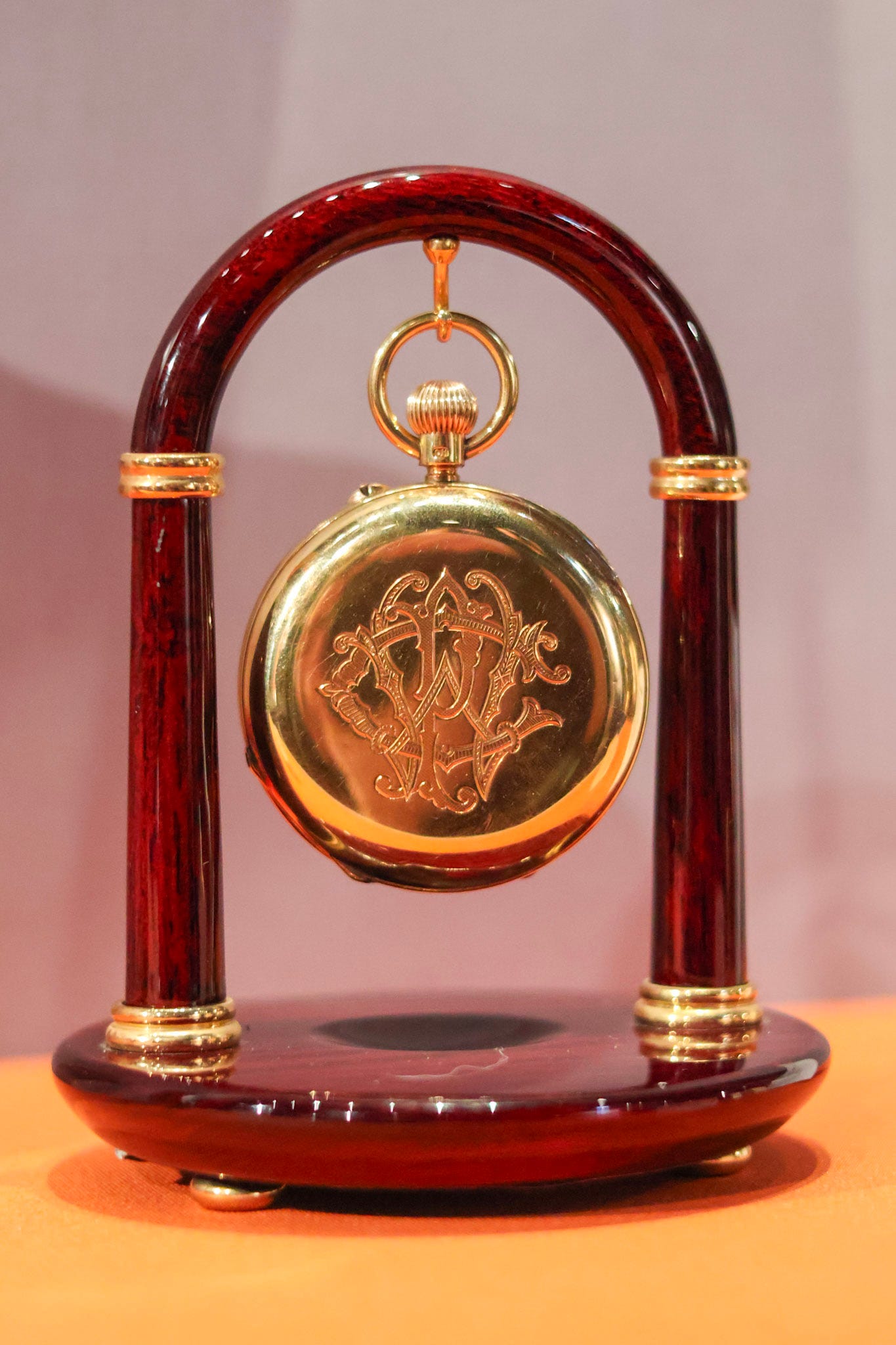
The gold watch was inscribed with the name of C.P. Warner and was given to him by his friends when he returned from two and a half years of active service in the South African Boer War.
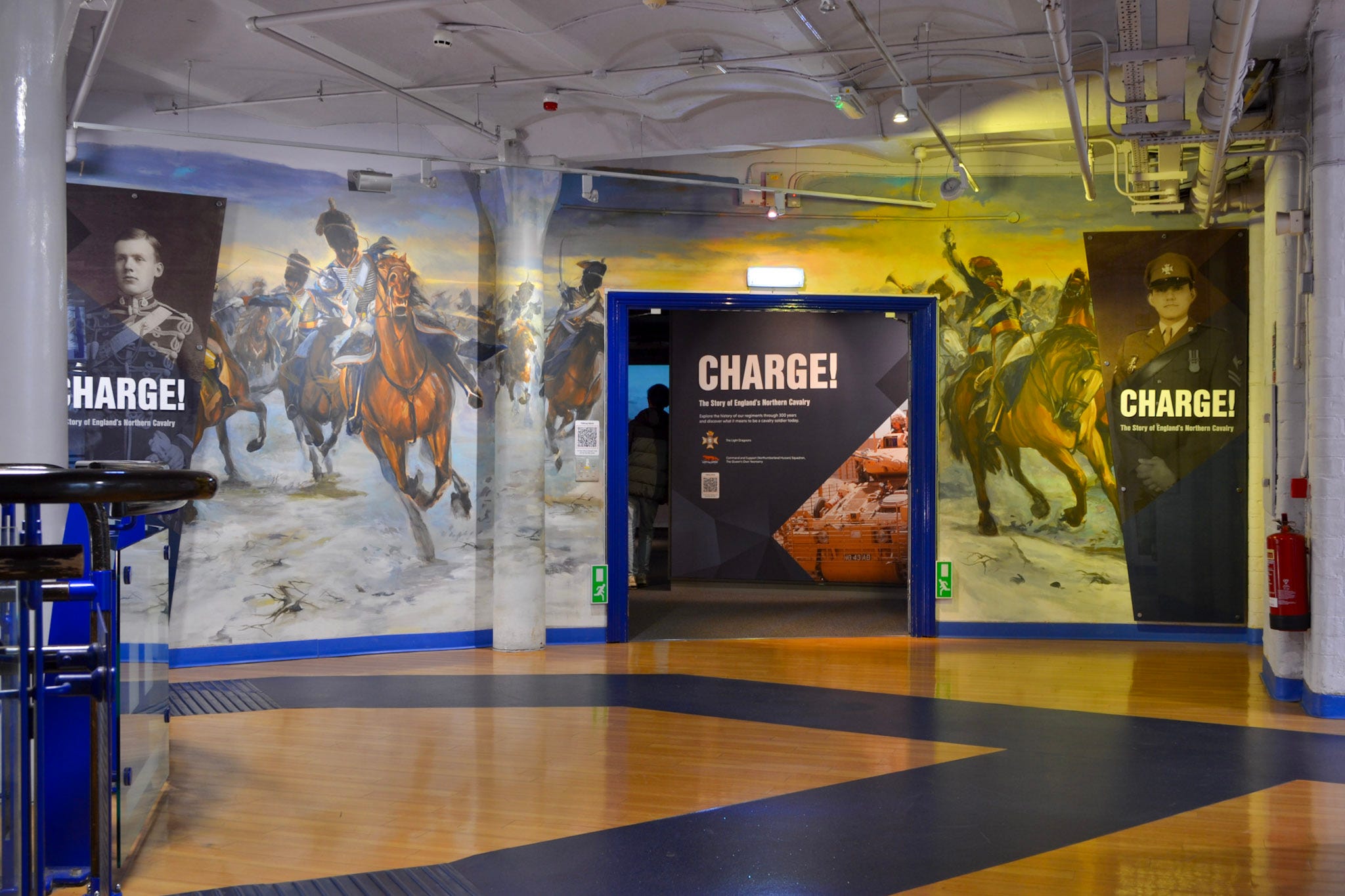
The watch was presented to the Discovery Museum in Newcastle by its current owner, John Coleman, and will go on show at its gallery Charge! The Story of England’s Northern Cavalry, which tells the story of the Northumberland Hussars and associated regiments.
The story behind the timepiece is being brought to the small screen via a new TV documentary series, The Reunion Project, which explores themes of legacy, identity, and historical connection, demonstrating how an object can bridge generations and continents.
The watch will now ensure its story and that of Cuthbert Warner will be preserved and shared.
Made by NBCUniversal Local, The Watch That Found Its Way Home follows one such journey from New York City to the North East, where a single object - namely the gold watch - becomes the key to preserving one man’s legacy.
The episode will be available to stream on Peacock and will also be accessible in the UK via Sky TV on Peacock upon its release.
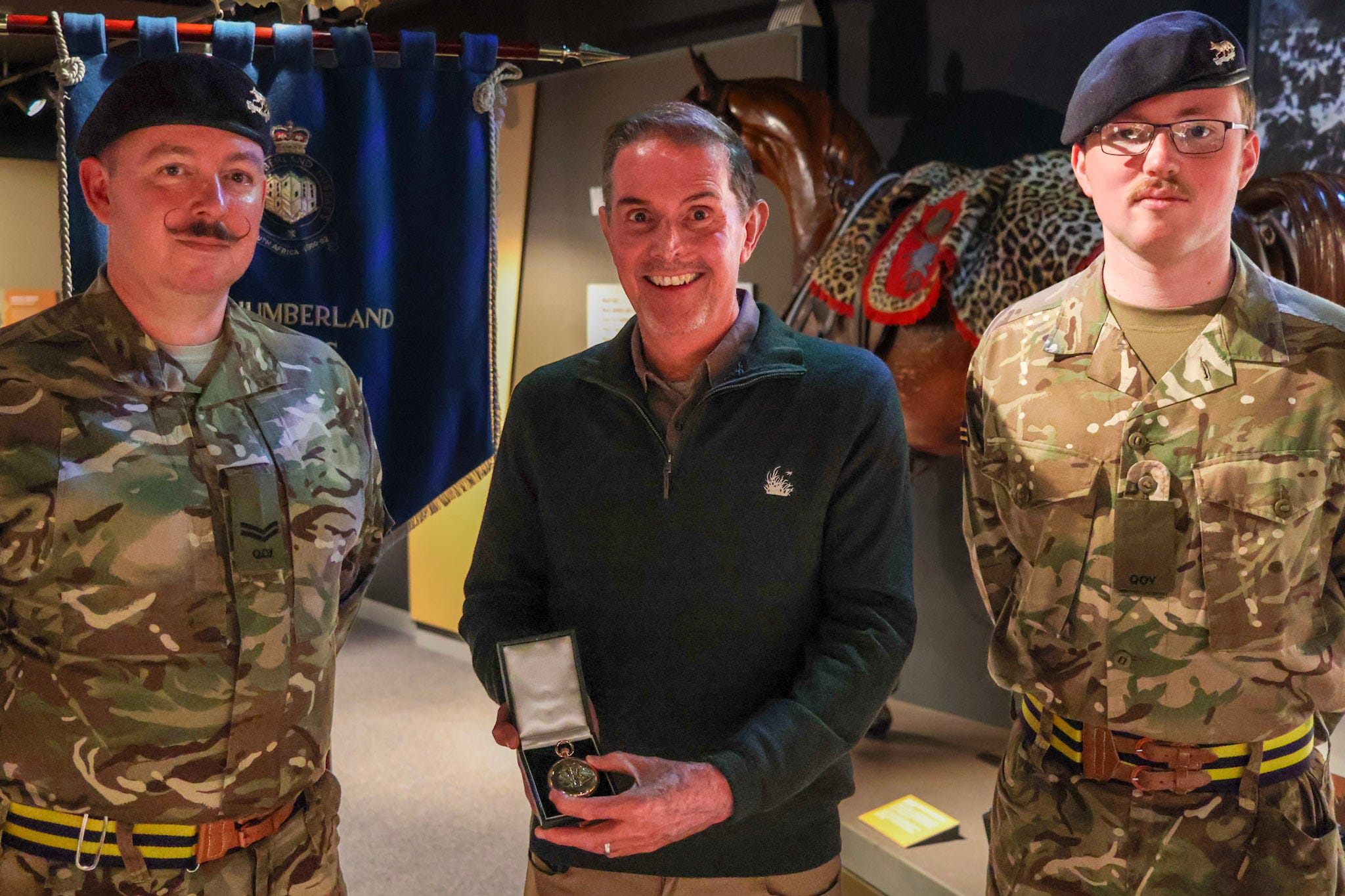
The museum ceremony involved the watch owner, representatives of the regiment under which C.P. Warner served, the TV crew and museum staff.
John, 62, a print Broker from New York City, said he was really happy to be donating the watch to the regimental collection at Discovery Museum.
He said: “How did this watch get to the United States? My first wife gave me this as a gift. It had wound up in an antiques shop – I’ll never find out how, but we tried.
“It just didn’t feel right the watch being in the United States, so I figured that I would like to try and find it a home back here. I was hoping possibly to find a member of his [C.P. Warner’s] family. We came close, but long story short, I’m really happy that it’s going to be in a museum here.
“Hopefully some people will come in, know who this family was, and know the history to them. I just think it’s great.”
Cuthbert served in the Imperial Yeomanry, which was created out of Britain’s disastrous start to the Second Boer War in 1899.
General Sir Redvers Buller, commander of the British Forces in South Africa, requested 8,000 mobile, mounted troops organised in companies.
Reserve, or Territorial troops had never before been mobilised for active service overseas, and the Government had resisted earlier suggestions that they be used to help the Regular Army in the South African conflict.
Their stance changed when Henry Hall Scott, a wealthy farmer from near Alnwick, Northumberland, wrote to his local newspaper suggesting that there were many young men serving in the County Yeomanry regiments, or otherwise skilled in riding and shooting, who would be willing to go to South Africa.
He suggested that he, and other men of property, would fund the venture. This offer was accepted, and the War Office invited Lords Lieutenant of other counties which had yeomanry regiments to do the same.

In Northumberland and County Durham, just over £50,000 was raised (£7m in today’s money) which was the largest sum raised by any fund in the country.
The Government realised that in areas such as weapons, ammunition and other vital equipment, standardisation was essential, so they undertook to fund these items, leaving Yeomanry funds free for other purposes.
For the Northumberland and Durham fund, one measure paid for was life insurance for each man, with a pay-out, on death, of £250 if a man was married, £100 if single, to their nominated next of kin.
In just over six weeks 355 men were recruited, about 100 being serving members of the Northumberland Hussars.
Cuthbert, described as a County Durham man, headed to Newcastle to enlist at the age of 28.
He passed his initial riding and shooting tests and signed up on January 10, 1900 at the Army Riding School in Northumberland Road in Newcastle, designed by John Dobson, which was established in 1849 and which today is owned by Northumbria University.
“We can assume that he was an accomplished horseman, as he rose very quickly through the ranks to Squadron Quartermaster Sergeant,” said David Weatherstone, secretary of the Northumberland Hussars Association.
There were three drafts of men into the Imperial Yeomanry. When the first draft of Yeomen opted overwhelmingly to return home, Cuthbert was one of the few who volunteered to stay.
On September 14, 1901 he was commissioned in the 5th Battalion, Imperial Yeomanry. He was wounded in action on January 14 1902.
On May 31, 1902 Boer forces surrendered, enabling the annexation of Transvaal and Orange Free State to the British Empire, and a local newspaper described Cuthbert’s homecoming as a warm and touching welcome from friends and neighbours.
“The award of the pocket watch, probably bought by public subscription, is further evidence of the esteem in which he was held,” said David.
Cuthbert served as a commissioned officer in the First World War and was awarded an OBE in 1919. He died in 1946.