


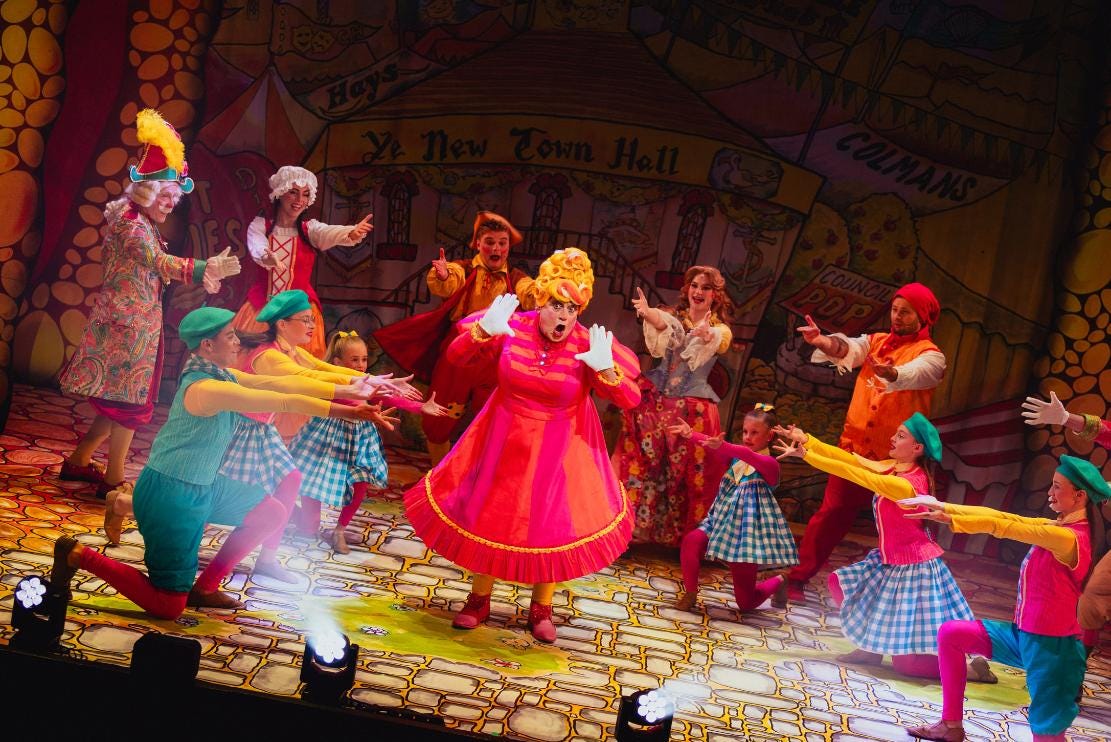
It’s tempting to see pantomime as seasonal silliness, a prolonged moment of madness as the theatre puts on its glad rags and goes into something like office party mode.
But to disassociate seriousness and the annual adventures of Aladdin, Cinderella and the rest would be to make a serious mistake.
That’s according to the Arts Council which, with its grants to the likes of opera, ballet and contemporary art, also might be seen as tending towards the high-minded – although its funding supports many theatre companies currently in the throes of panto.
To dispel any such misconception, the Arts Council has been gathering the panto thoughts of interested parties – including Jade Thirlwall and Chris Ramsey for whom the Customs House panto in South Shields has been an important part of their lives.
Jade, who performed in the summer at the BBC Proms at The Glasshouse, says her home town pantos were her introduction to showbusiness.

“They hold some of my most favourite memories as a child - not only because of the pure joy and fun of seeing them, but they ignited a spark in me to want to be on stage.
“It was tradition to go on my birthday on Boxing Day and so I saw each pantomime as a milestone in my life, a time where I’d be surrounded by love, with my family by my side, of all ages, laughing together.
“I truly believe I learned stage presence - the importance of interacting with the crowd, comic timing and projection - from the art of pantomime.
“I could argue my larger-than-life costumes and initial love of drag culture may too have stemmed from watching Ray Spencer as the Dame!

“At the Customs House, they would always end their panto with the phrase ‘the little pantomime with the big heart’ and that never left me.
“It taught me the importance of community spirit, showing up every year for a show that is so necessary for many people’s joy, especially for those who might otherwise not have had much of it that time of year. And to never forget where you’ve come from.”
Chris Ramsey is another fan. “Pantomime at the Customs House is a fantastic Christmas tradition that myself and Rosie (partner in life and on screen and the airwaves) have enjoyed both as children and parents and the magic has never worn off.

“In a world where kids get most of their entertainment from screens and devices, going to see a live performance in such a special venue is more important than ever.
“Long may the Customs House Christmas pantomime continue. Hopefully we can take our grandkids there too.”
Rosie has actually appeared twice in Customs House pantos.
For the record, Goldilocks and the Three Bears is this year’s attraction (on until January 3).
Arts Council England chief executive Darren Henley is “a great believer in the power of panto”, saying: “It brings people so much joy and opens children’s eyes to the magical world of theatre.
“One day they might be cast as the lead dame or villain themselves.
“We’re proud that the Arts Council’s investment supports this historic tradition, bringing it to villages, towns and cities throughout England.”
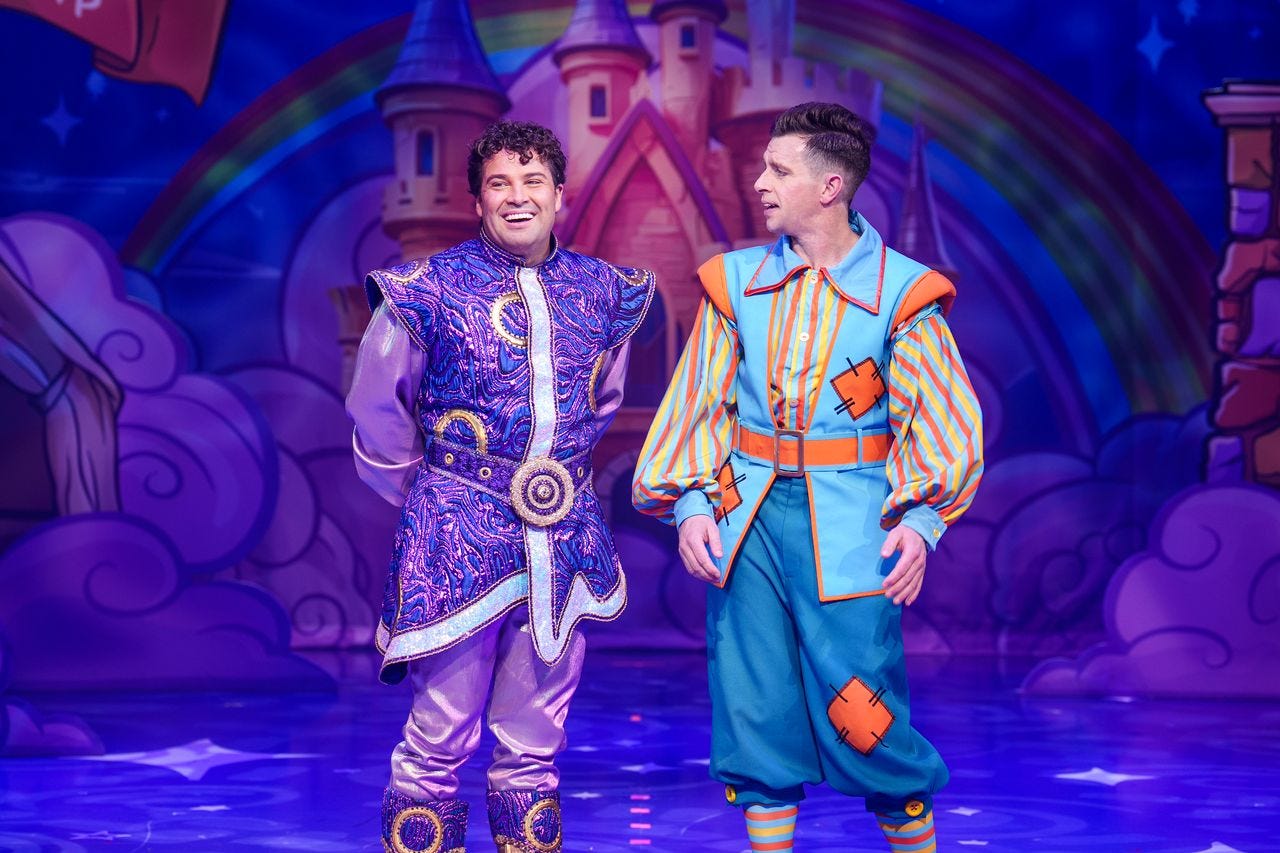
Arts Minister Ian Murray is another fan, seeing panto as “a British tradition like no other” and part of our festive celebrations for centuries.
“Pantomimes are a perfect way for communities to come together, championing the creativity and talent of people up and down the country and having fun,” he says.
“Our local panto makes us proud of where we’re from and proud of the people we share our communities with. And for those that say ‘Oh, no it’s not’… they are wrong.”
Hannah Essex, joint chief executive of the Society of London Theatre (SOLT) and UK Theatre, previously had the same role at the British Chambers of Commerce so knows about theatre and the wider commercial world.
“Pantomime remains one of the most powerful entry points into theatre,” she says.
“It brings families and communities together, often giving children their first experience of live performance.
“Audiences return because it’s local, familiar and joyful, with beloved performers who anchor each season.
“It also carries real economic weight. For many theatres, panto underpins annual turnover, sustains jobs and helps fund work throughout the rest of the year.
“Its social and financial contribution is far greater than the glitter on stage. It deserves to be recognised as a vital part of the UK’s theatre ecology and its future needs to be protected and valued.”
Pantos are, of course, big box office and a significant part of their annual income streams.
Anyone going to see a pantomime contributes towards the revenue that will fund a broad range of shows all year round, thereby ensuring a vibrant and dynamic cultural landscape beyond the festive period.

Research from SOLT and UK Theatre shows that British theatre generates £4.4 billion in annual turnover, contributes £2.29 billion to the national economy and supports 250,000 workers.
Pantomime, attracting almost three million people to theatres every year, certainly plays its part in that – and, moreover, is a chance for creative organisations to win over new theatre lovers.
Steve Royle, voted best comic at the UK Pantomime Awards and star of Beauty and The Beast at Blackpool Grand Theatre, reckons it’s part of our cultural DNA.
“It’s where laughter, storytelling and imagination meet.
“Every year I see children light up as they experience live theatre for the very first time, and that joy is infectious.
“It teaches them that stories don’t just live on screens; they live between people, in that magical space between stage and audience.”

And just because it’s traditional doesn’t mean panto has to be set in stone, immune to change.
Pravesh Kumar, founder and artistic director of Rifco Theatre Company, set up to reflect and celebrate the British South Asian experience, is a panto fan and sees the genre rooted in identity and belonging.
“I wanted to see people who looked like me - our families, our aunties, uncles and kids - centre stage,” he says.
He wasn’t the only one, it turns out. His company’s Surinderella recently completed a successful tour with 60% of audience members new to theatre.
“Many working-class people stepped into the theatre for the first time and loved it,” he says.
“It’s a powerful reminder that diverse stories doesn’t mean niche, and authenticity doesn’t mean risky.”