

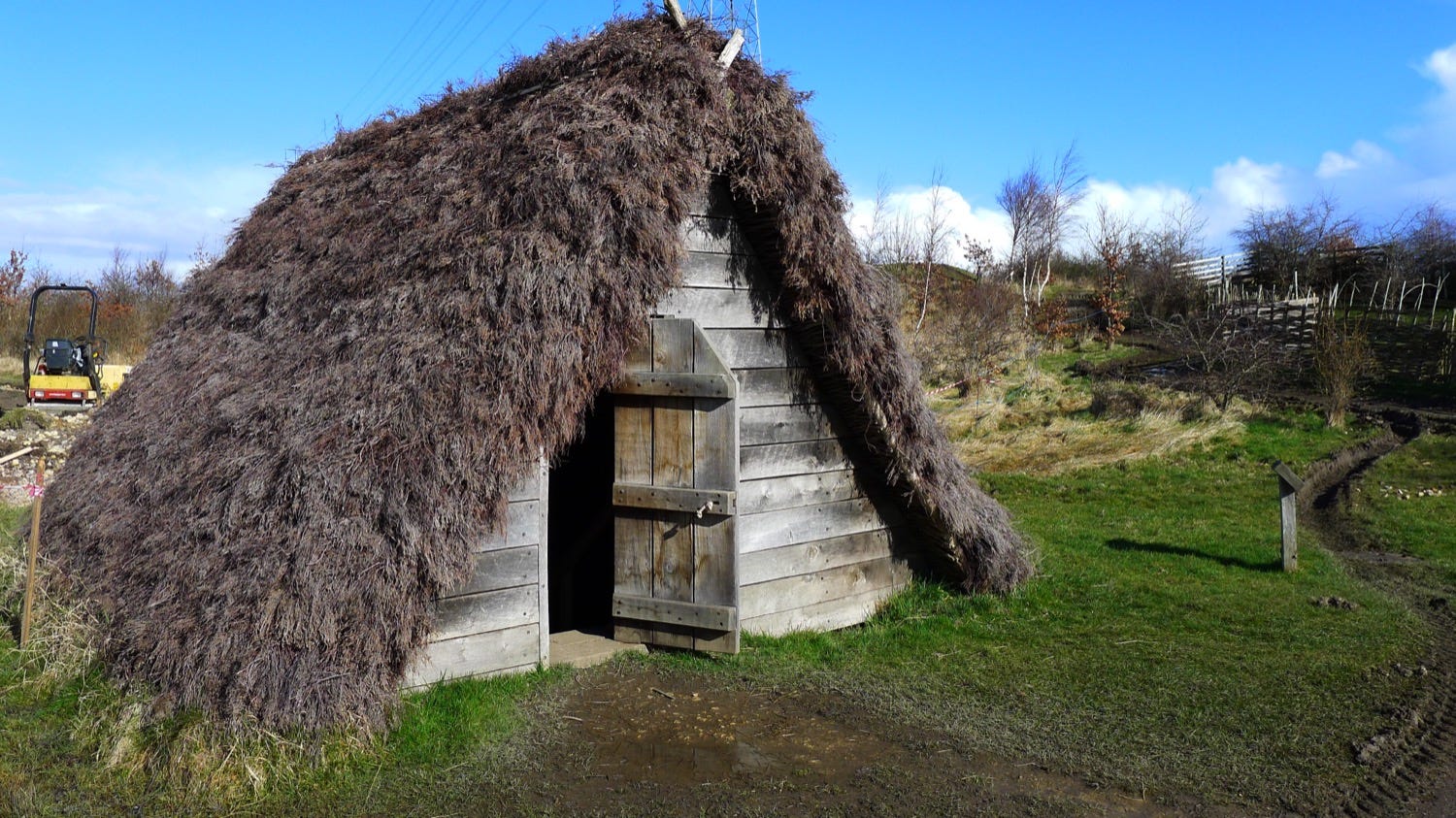
The Anglo-Saxons loved a good story and how this has impacted on culture and literature today is celebrated in a new exhibition.
Here Be Dragons: Anglo-Saxon Influence on Fantasy is part of the Jarrow Hall Festival of Archaeology, which runs until Sunday, August 2.
The exhibition itself will continue until November at Jarrow Hall, Anglo-Saxon Farm and Village and Bede Museum.
The festival includes handling sessions of objects up to 1,000 years old every Wednesday from 11am to 1pm throughout the festival and visits to the site’s current archaeological investigations at the adjacent Drewett’s Park.
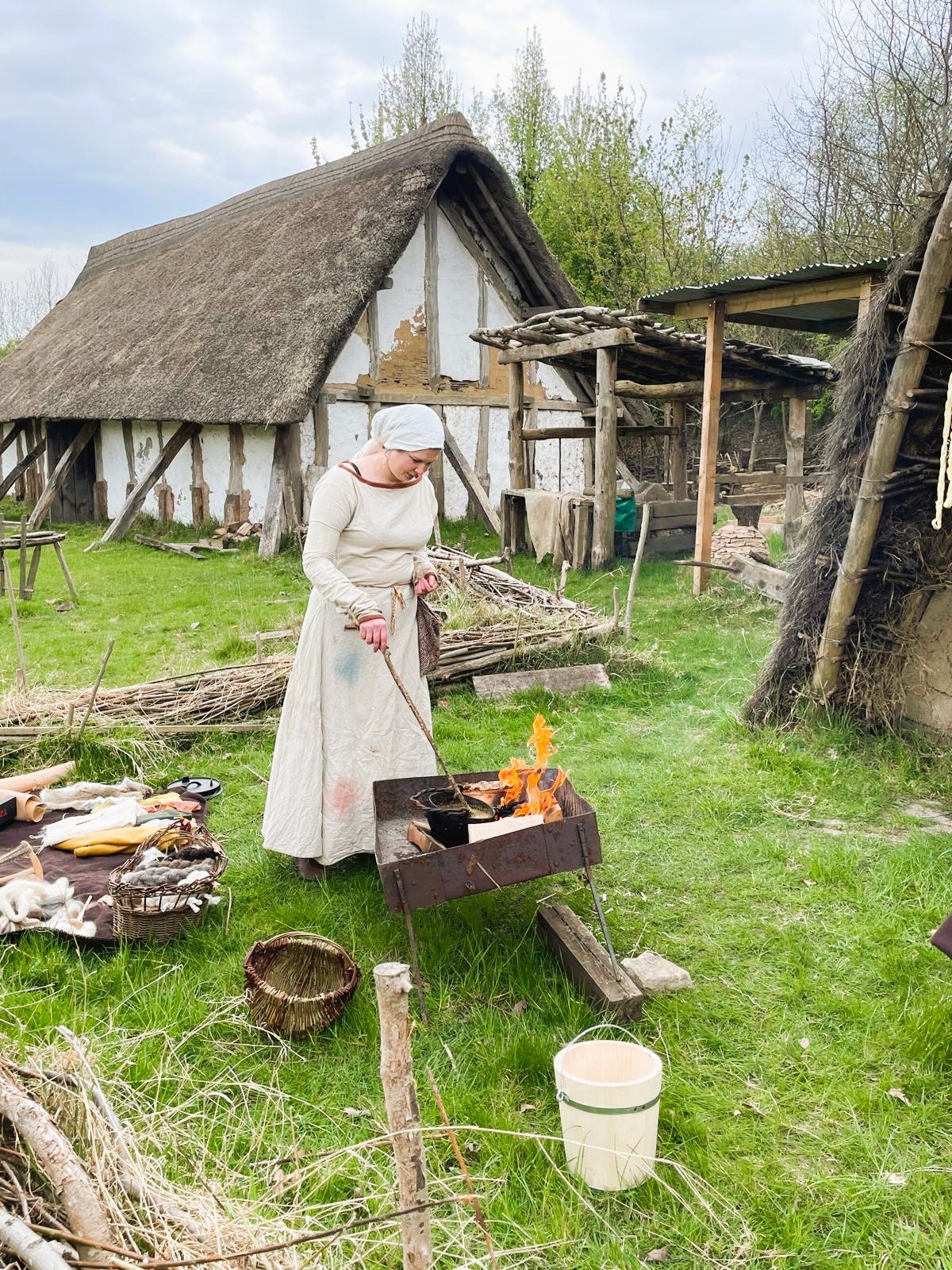
At the reconstructed Anglo-Saxon village on August 1, living history group Regia Anglorum will be bringing the Anglo-Saxon period to life and the group Historia Normanis will also be demonstrating Norman living history.
Also on August 1, a guided tour will discuss the influences of the Anglo-Saxons on author J R Tolkien and his work.
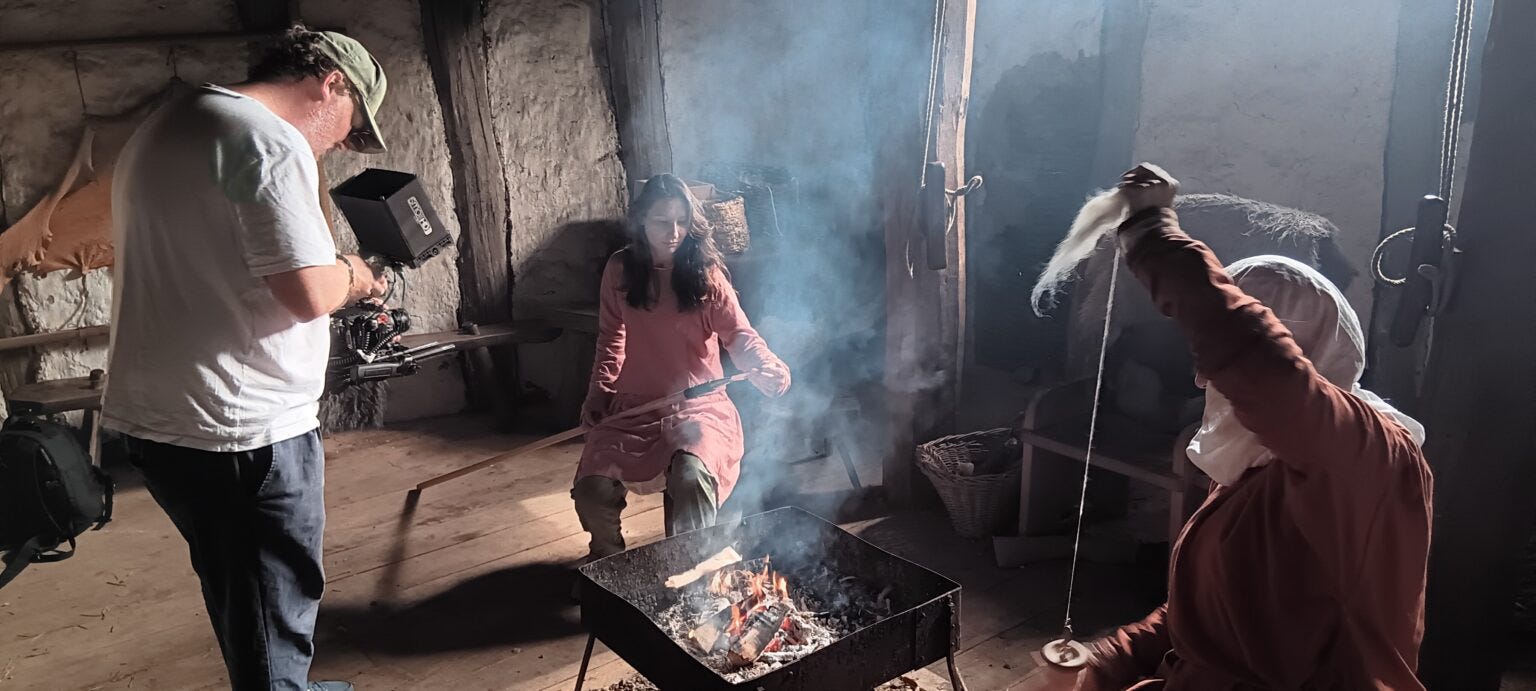
2026 is the National Year of Reading and the exhibition ties what often feels like a distant part of history with stories that are relevant to people today.
“From the works of J R Tolkien, a professor of Anglo-Saxon and the author of The Hobbit and The Lord of the Rings, to Game of Thrones and other Western fantasy stories, this exhibition explores the legacy of the Anglo-Saxons on stories loved by people today,” said Alene Lee, Jarrow Hall head of business development.
“Fantasy stories have captured the imagination of people but the stories we enjoy today have a much longer history than people might realise.
“The themes from our favourite fantasy tales of fate, bravery, glory and renown or good vs evil all have origins in the stories of the past. Long before Bilbo Baggins set foot outside the Shire, other heroes faced dragons and monsters and battled with magic swords.”
The exhibition has been backed by North East Museums, Durham University’s Museum of Archaeology, the Tolkien Society and Durham University Mythology & Folklore Society.
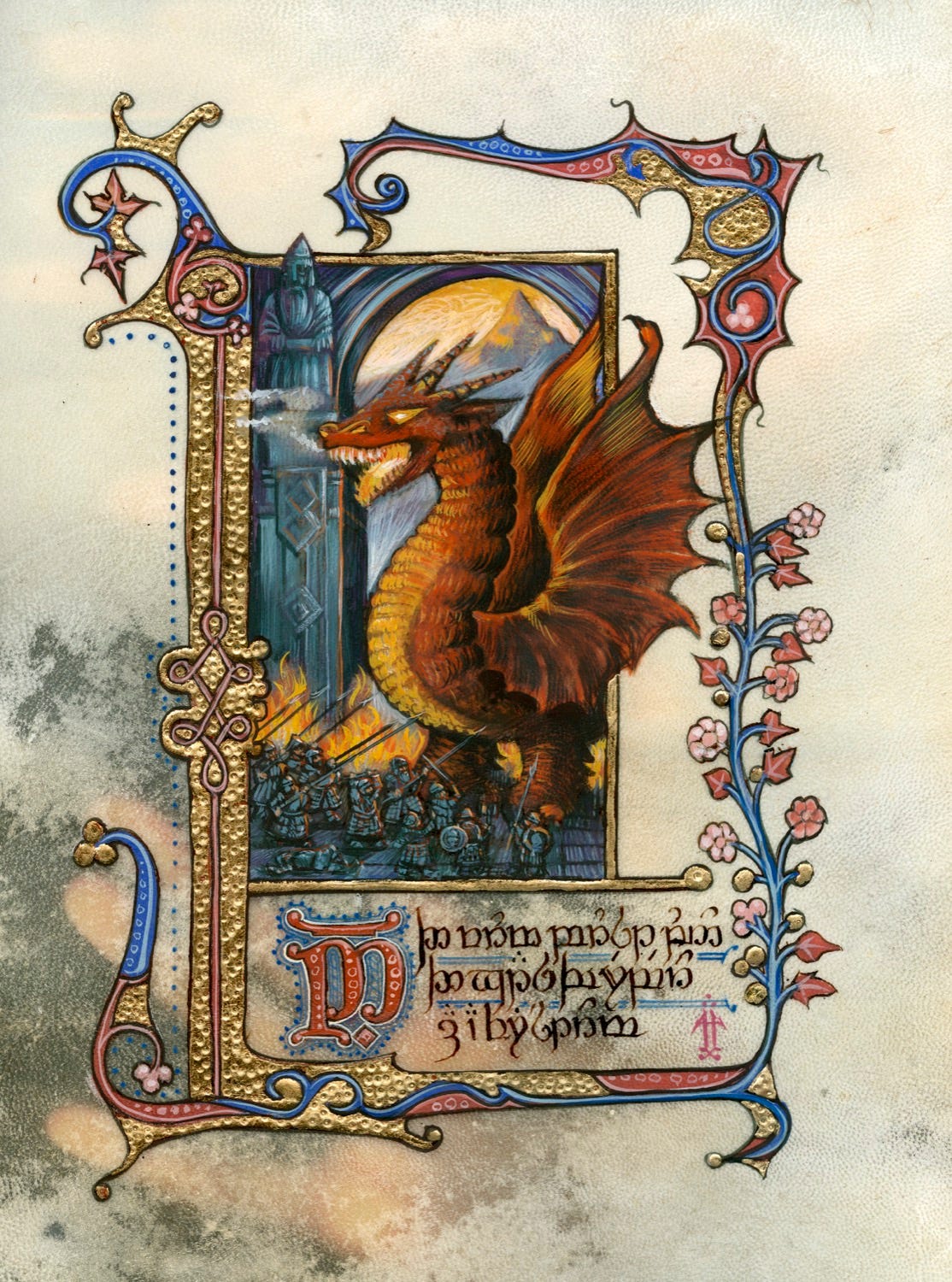
Items for the exhibition loaned by North East Museums include a cinema popcorn box celebrating the release of the Return of the King film, a Dungeons & Dragons Advanced Players Handbook from 1989, 9th century Anglo-Saxon spearhead, a 7th century bronze square-headed brooch and a possible copper-alloy finger-ring found during in 1966 excavations by Durham University’s Rosemary Cramp at St Peter’s monastery in Sunderland, the sister location to St Paul’s monastery in Jarrow.
The university has also loaned a gilded Anglo-Saxon saucer brooch and a 1936 manuscript of J R Tolkien’s important talk, Beowulf: The Monsters and the Critics, has come from the Tolkien Society
“Beowulf tells us a lot about what the Anglo-Saxons believed and the stories they wanted to tell. It is a story of good and evil, reputation and legacy. These are all themes you can see in fantasy stories today,” said Alene.
“The poem explores what it means to be a hero – a good hero was loyal and brave. It shows what the Anglo-Saxons believed made a good ruler. A good ruler needed to be generous and had a responsibility to their followers.
“It is well known that Tolkien took some inspiration from Beowulf, which he translated.”
Students from Durham University’s Mythology and Folklore Society were asked to record their opinions and responses included:
“Old stories remain important to a modern readership because they explore experiences that are fundamental to being human. Societies change, but people are still grappling with the same questions of ambition, love, grief, mortality and power.
“Despite being written over 1,000 years ago, stories like Beowulf pose questions that are still relevant: What makes a good leader? What do we owe to our society? What legacy do we leave behind?”
“Modern fantasy draws heavily on Anglo-Saxon heroic poetry, folklore and legend. Tolkien was deeply influenced by Beowulf and devoted much of his academic career to the study of Old English literature. Many familiar fantasy elements have roots in much older Anglo-Saxon traditions: dragons, ancient ruins, forgotten languages, heroic quests.
“Works such as The Lord of the Rings ensured the recycling of ancient symbols and motifs into modern fantasy literature, films and games.”
“Old stories survive because they continue to speak to lasting human concerns while remaining open to novel interpretations. They are not merely relics of the past but living stories that help us understand ourselves and our history. In this sense, these stories are still shaping the tales we tell today.”
“Terms such as ‘Trojan horse’ or ‘Arthurian’ are widely circulated because the stories behind them continue to hold meaning and influence over how we communicate. Old stories essentially connect the past to the present, conveying the sense that the world is much larger and older than the current moment, a sentiment that has long fascinated readers.”