


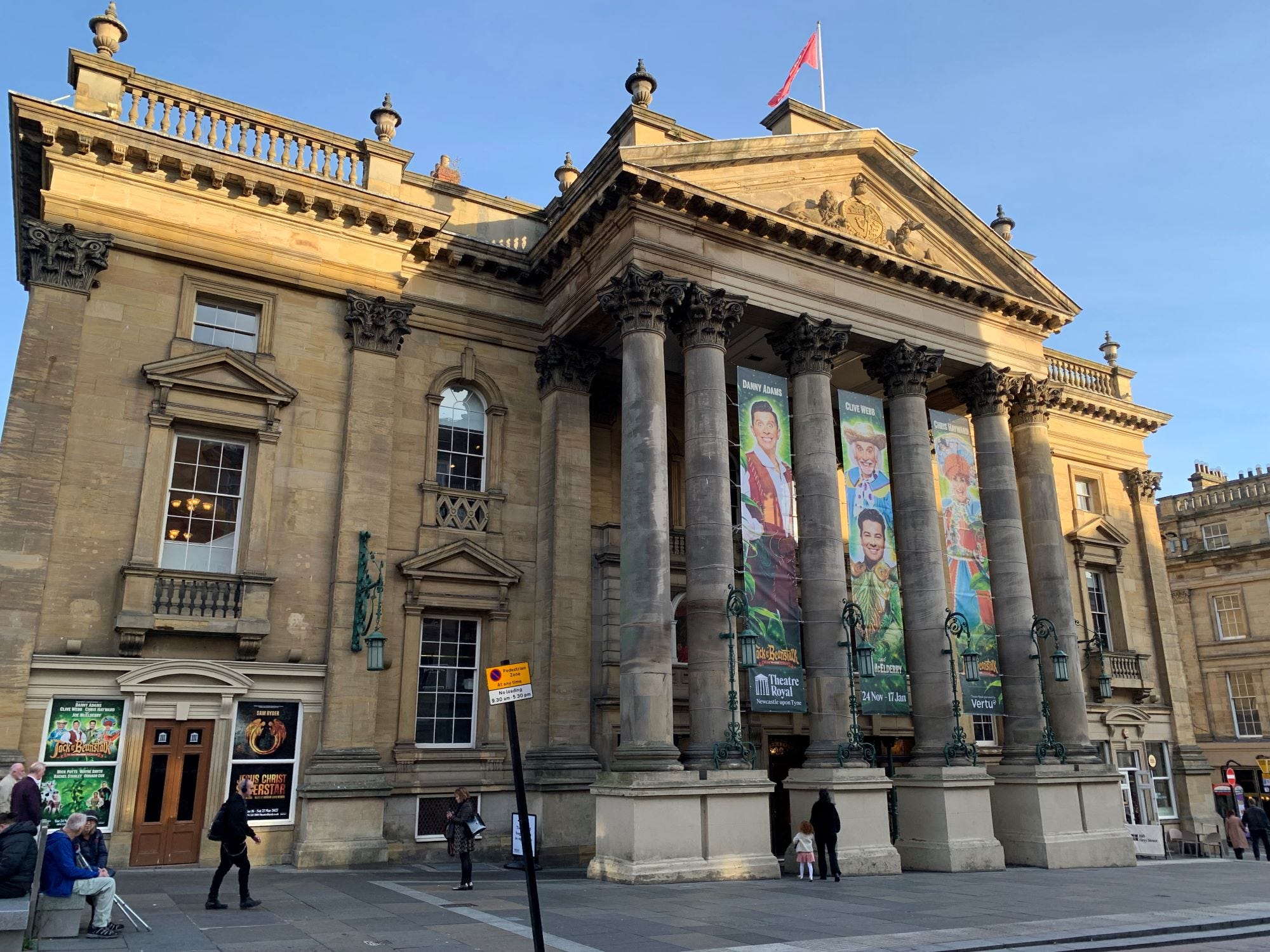
Newcastle’s beautiful and much loved Theatre Royal will be 190 next year, reason enough for a big cake with lots of candles. But chief executive Marianne Locatori is looking ahead to a more significant anniversary.
The bicentenary – bigger cake, even more candles – will be cause for celebration, certainly.
But what kind of theatre will it need to be in order to serve Newcastle a decade and a bit from now?
If you’ve visited the Theatre Royal website recently, you will have seen the link on the home page inviting you to participate in VISION 2037.
“As Newcastle Theatre Royal looks ahead to its 200th anniversary in 2037, we’re launching a conversation about the future,” runs the strapline.
Click on the link and you’ll be led to an online survey which takes an estimated six minutes to complete.
In her office above Grey Street, Marianne explains the thinking behind this exercise, first casting her mind back more than two centuries.
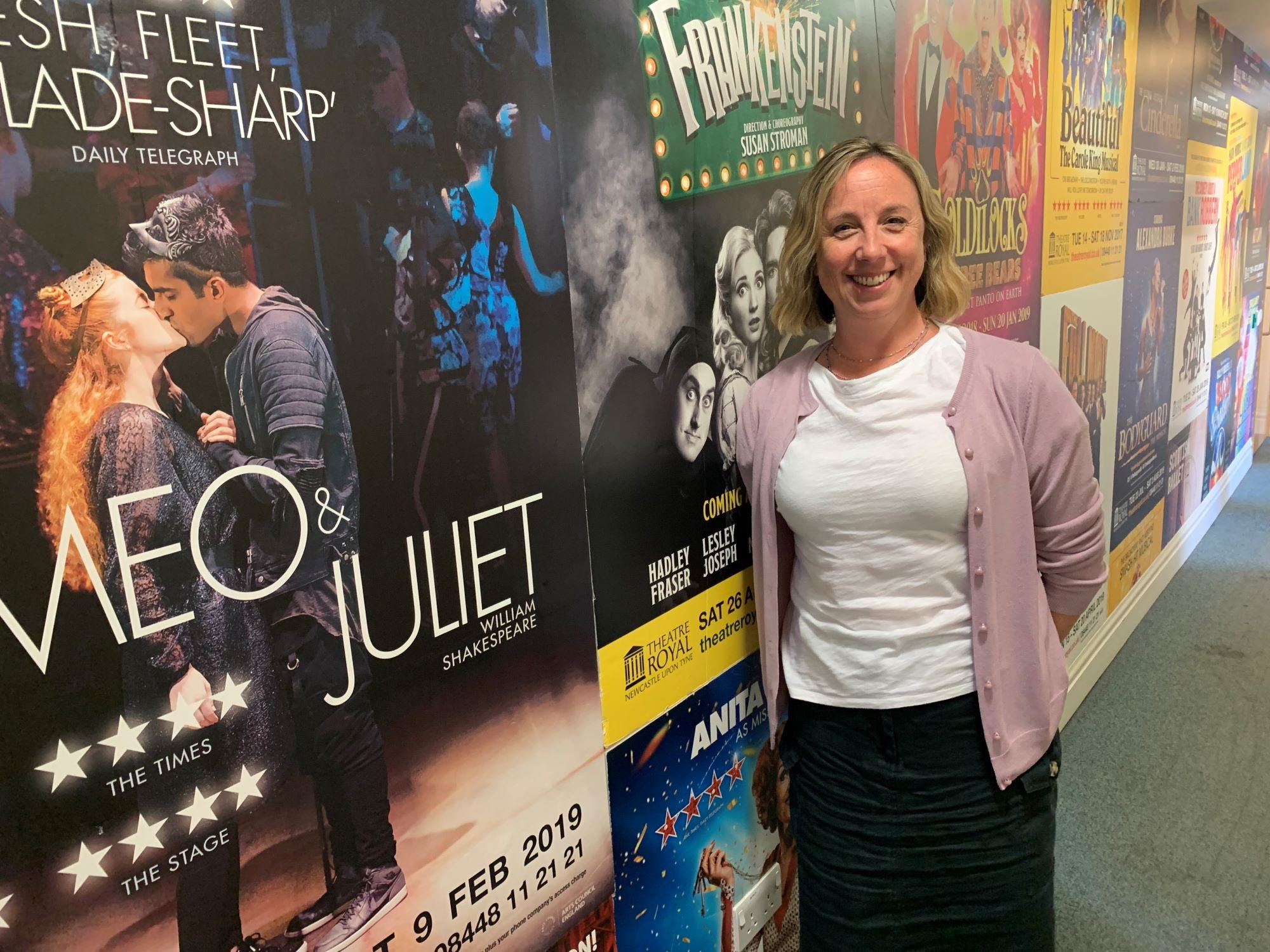
“The people of Newcastle petitioned for a theatre to the king and this building has stood here now for nearly 200 years.
“What the community needed from a theatre then might have been different but I was thinking, what do we need it to be in the future?
“And how can we know how to make the theatre fit for purpose if we don’t ask questions?
“We might have views about what we want to do but it’s pointless if that’s not serving our community.”
Marianne clarifies that the Theatre Royal currently presenting Jack and the Beanstalk is actually Newcastle’s second.
The first opened on Mosley Street in 1788, during the reign of George III, having – as one historical account puts it – “received the royal licence in virtue of an act of parliament”.
In 1836, as an obstacle to Richard Grainger’s grand plan for Grey Street, it was demolished. Grainger, as promised, then commissioned architects John and Benjamin Green to design the replacement theatre which opened on its current site on February 20, 1837.
There has been much tinkering since then, with a devastating fire in 1899 necessitating an internal rebuild by celebrated theatre architect Frank Matcham.
More recent refurbishments were completed in 1988 and 2011, so the place now looks impressive inside and out, and in the midst of panto season you couldn’t argue it’s under-appreciated.
“But do people know there’s a breadth of other activities we offer and other ways they can engage besides coming to see a show?” says Marianne.
“And do they care? That’s a question we must ask because we’re a charity, here to serve our constituents.
“For me that’s not about just listening to the loudest voices but to those people we’re not engaging with – and why would they not be engaging?
“We’ll listen to all the feedback and then perhaps make changes. Maybe there are simple things we could do to make ourselves more inclusive.
“It’s about trying to hear as many opinions as possible so we’ll know what we need to put in place over the next 10 years in order to be fit for purpose when we’re 200.”
Asked if she had a hunch about the things people might suggest, Marianne smiles.
“When you ask theatre audiences about their views almost inevitably toilets come up.
“We’re a Grade I-listed building. We have challenges and I suspect there’ll be things about the building that are challenging for people.
“I hope the feedback about what we put on stage is positive, but we don’t know and in a sense that’s the joy of asking. We’ll have to wait and see.”

The main challenge Marianne and her team have set themselves is reaching those people who don’t come to the theatre and are therefore unlikely to see the website or to have attended the VISION 2037 drop-in sessions.
The theatre belongs to them too. Why don’t they go?
“That’s why we’re proactively going out to different groups and saying, ‘Will you talk to us?’”
She accepts that for some people cost will be a factor.
“I expect we will have that feedback.
“The cost of putting on a show runs into millions and pricing reflects that but we absolutely need to have affordable pricing in order to encourage people to come.
“At the very least this opens the door for a conversation.”
Particularly important to Marianne is that young people should see and experience theatre.
Over the past 15 years, she says, cultural education in state schools has been hit hard, with the knock on effect that universities have been cutting creative degree courses.
With cultural education now “back on the agenda”, she nevertheless asserts: “There’s a generation that hasn’t had access to it and theatres across the country have tried to fill the gap.
“One of our priorities is enabling young people to access theatre because that opportunity doesn’t necessarily exist if your school doesn’t take you or it’s not something your family do.”
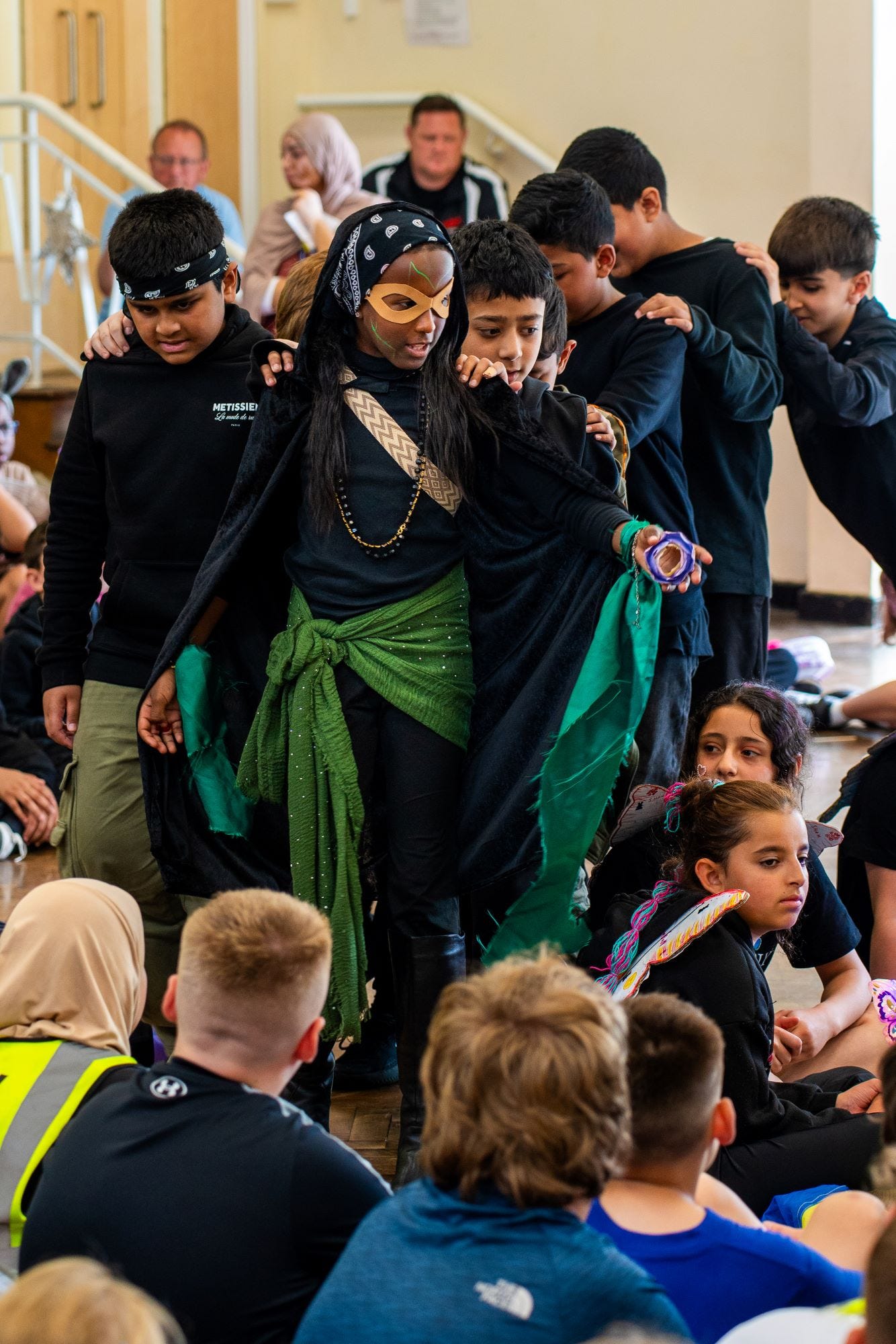
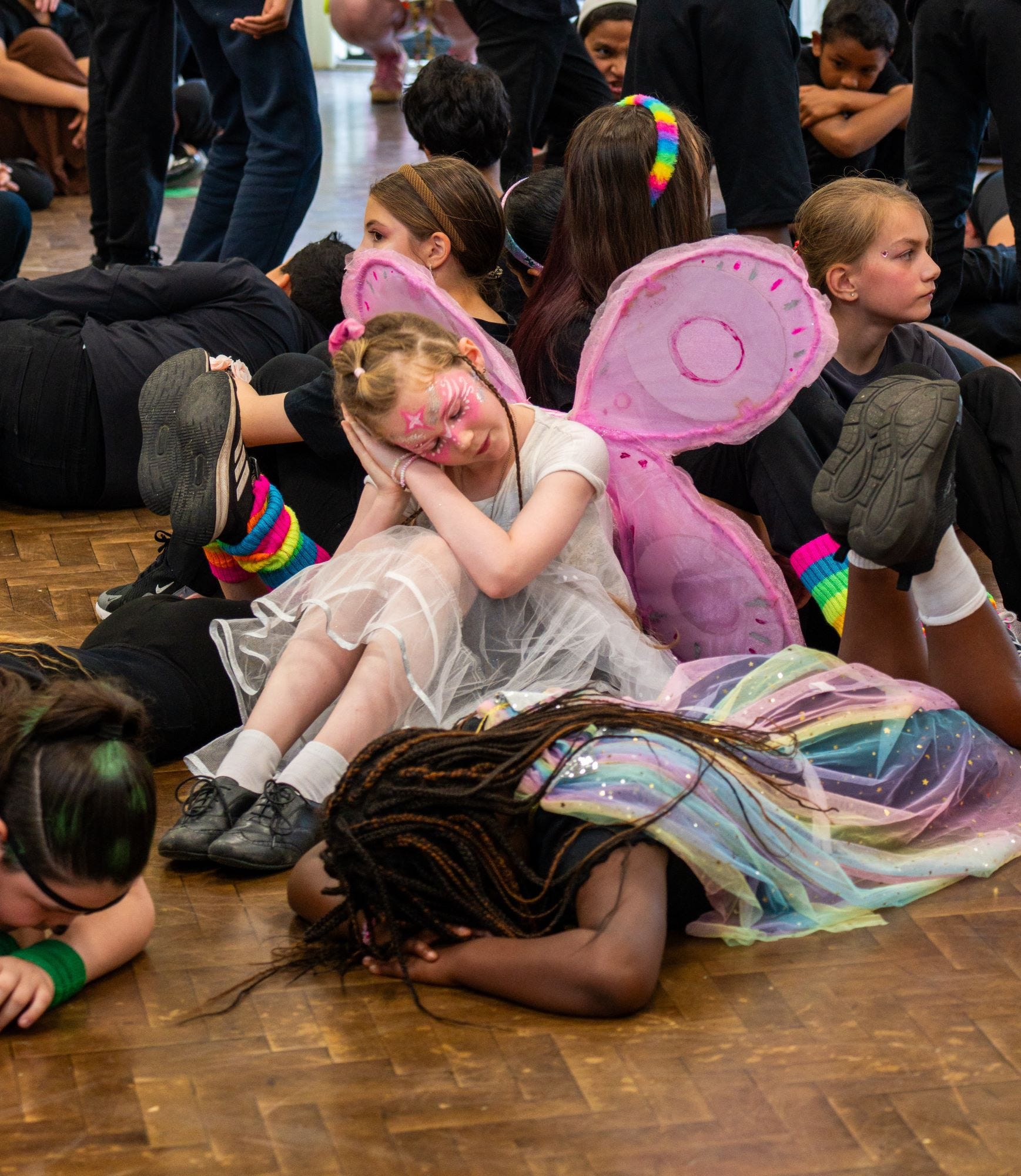
A key Theatre Royal project, and one highlighting its charitable status, has been happening over the past three years with the West End Schools Trust.
Every week a group of children from one of its nine schools visits the theatre for a creative workshop. They see behind the scenes, occasionally see a show and draw inspiration that fuels further work in the classroom.
“A theatre is a place to tell stories and the people own the stories, not the theatre, so you have to ask the people what the stories are. The West End schools project was embedded in that idea,” says Marianne.
Similarly, Laura Lindow, the Theatre Royal’s resident artist, has been working with people on a creative writing project called Stories of the West End.
Marianne is also keen to highlight the production of The Rise and Fall of Little Voice which comes to the Theatre Royal in February direct from the National Theatre in London at the start of a national tour.
It’s the result of what has been called “a new landmark partnership” between the National Theatre and leading regional theatres, aimed at ensuring parity of access to art and culture.
“We’re so pleased about this because it’s leveraging funds to regional theatres rather than it sitting in London.
“That’s the key thing for me. It’s coming to regional partners to enable them to create opportunities for young people.”
Marianne went to the launch at the National Theatre with three young people who’d had a taste of theatre at the Theatre Royal.
“They had a backstage tour and we sat in a room with (Culture Secretary) Lisa Nandy and then actors talked about their experiences.
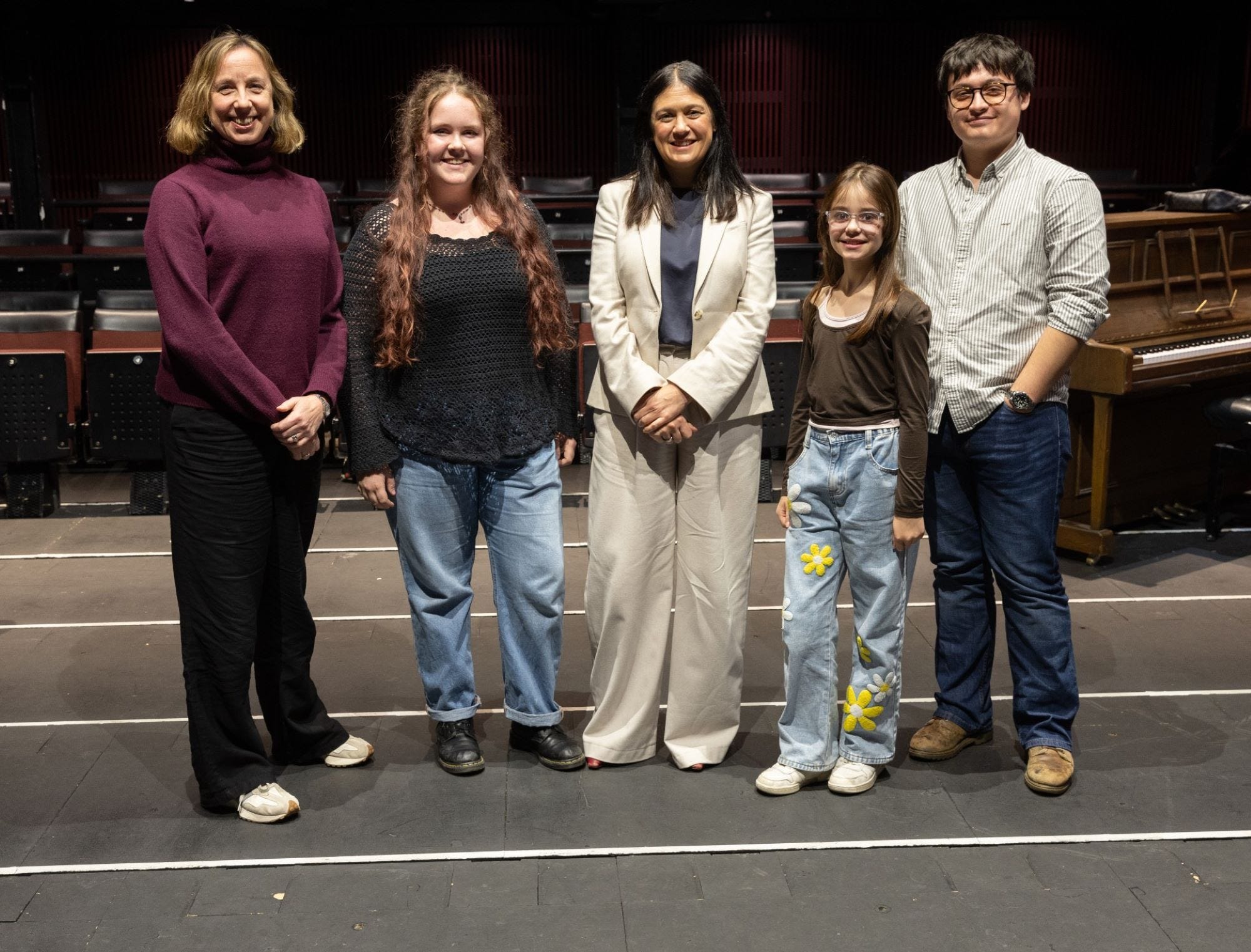
“It was brilliant to see those young people going, Wow, this world exists and we can be part of it.
“That confidence, that self-esteem, those life skills that young people can access through theatre are so important. It’s not necessarily just about performing on stage.”
The Theatre Royal also runs its own acting school, Project A.
Several of its alumni recently appeared on stage in Our Friends in the North: The Thatcher Years, a good example, says Marianne, of a local story resonating with a local audience.
“It was one of our bestselling dramas ever,” she says. “I’m proud of it.”
More North East stories on stage, a clearer pathway to a career in theatre… and perhaps even better loos.
If that’s what you want, Marianne urges you to make your voice not little but large. The online form is available on the Theatre Royal website until December 14.