


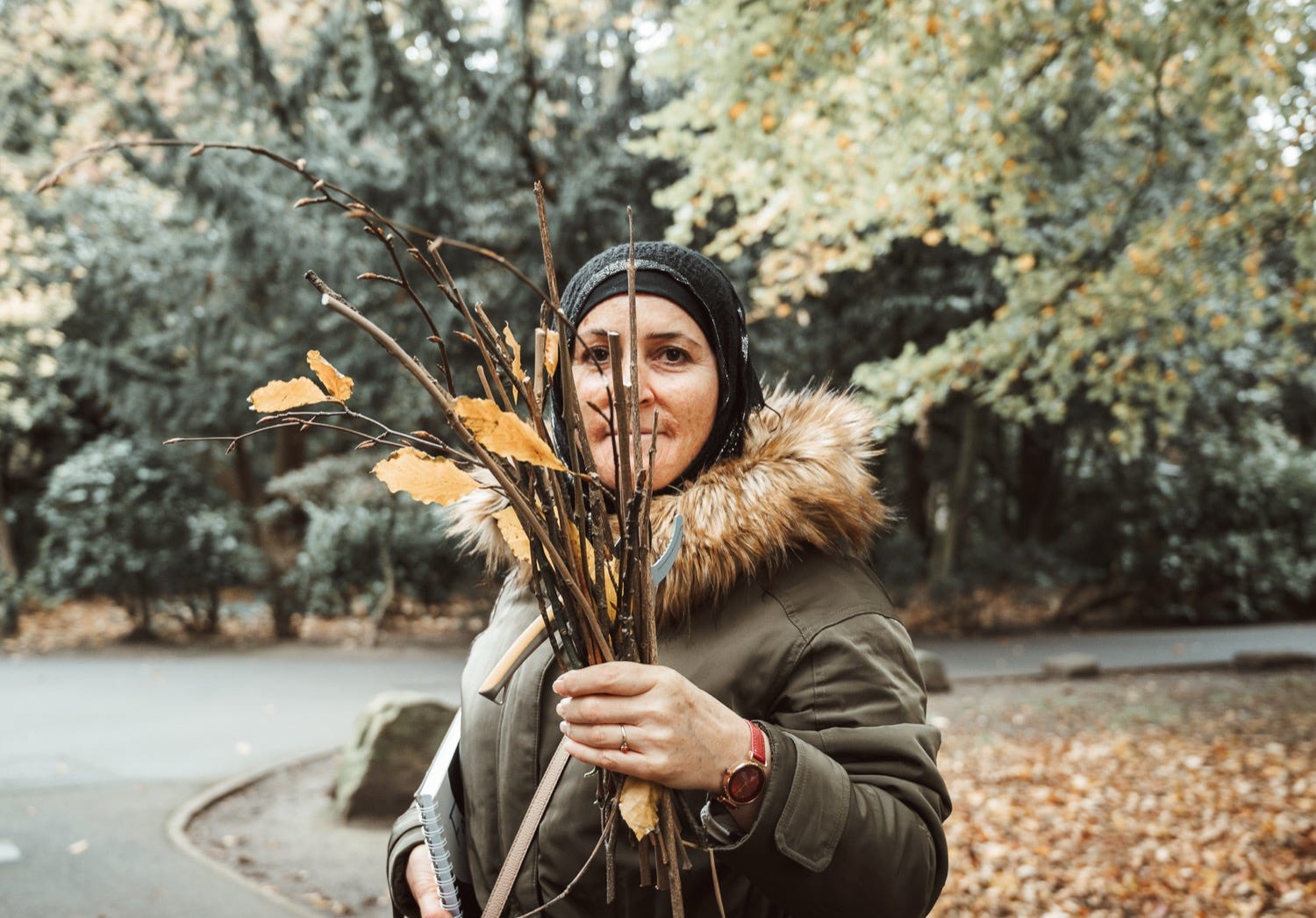
Women who have worked with a horticulture project and natural materials to plot the changing seasons are to stage an exhibition of the creative works they have fashioned.
The Gateshead-based Dingy Butterflies community interest company joined artist Savannah Rios-Wills and Newcastle-based photographer and filmmaker Saya Naruse to develop the year-long project called Weaving for Wellbeing.
Participants are from Gateshead’s Comfrey Project, which provides a safe, welcoming place for people who have fled conflict and persecution, and the wider community, to improve physical and mental wellbeing, develop new skills and put down roots in their new community.
Comfrey uses horticultural activities including gardening, bee-keeping, cooking, crafts and construction to better people’s lives through its allotment and garden site.
The Weaving project, funded through Arts Council England, will conclude with an exhibition at the Shipley Art Gallery in Gateshead from October 10-24.

Savannah and Saya led on a creative programme focused on activities for women who attend the Comfrey Project. including skills sharing, storytelling, nature walks and gardening.
They used plants from the Comfrey garden and allotment over the course of the changing seasons to develop artworks.
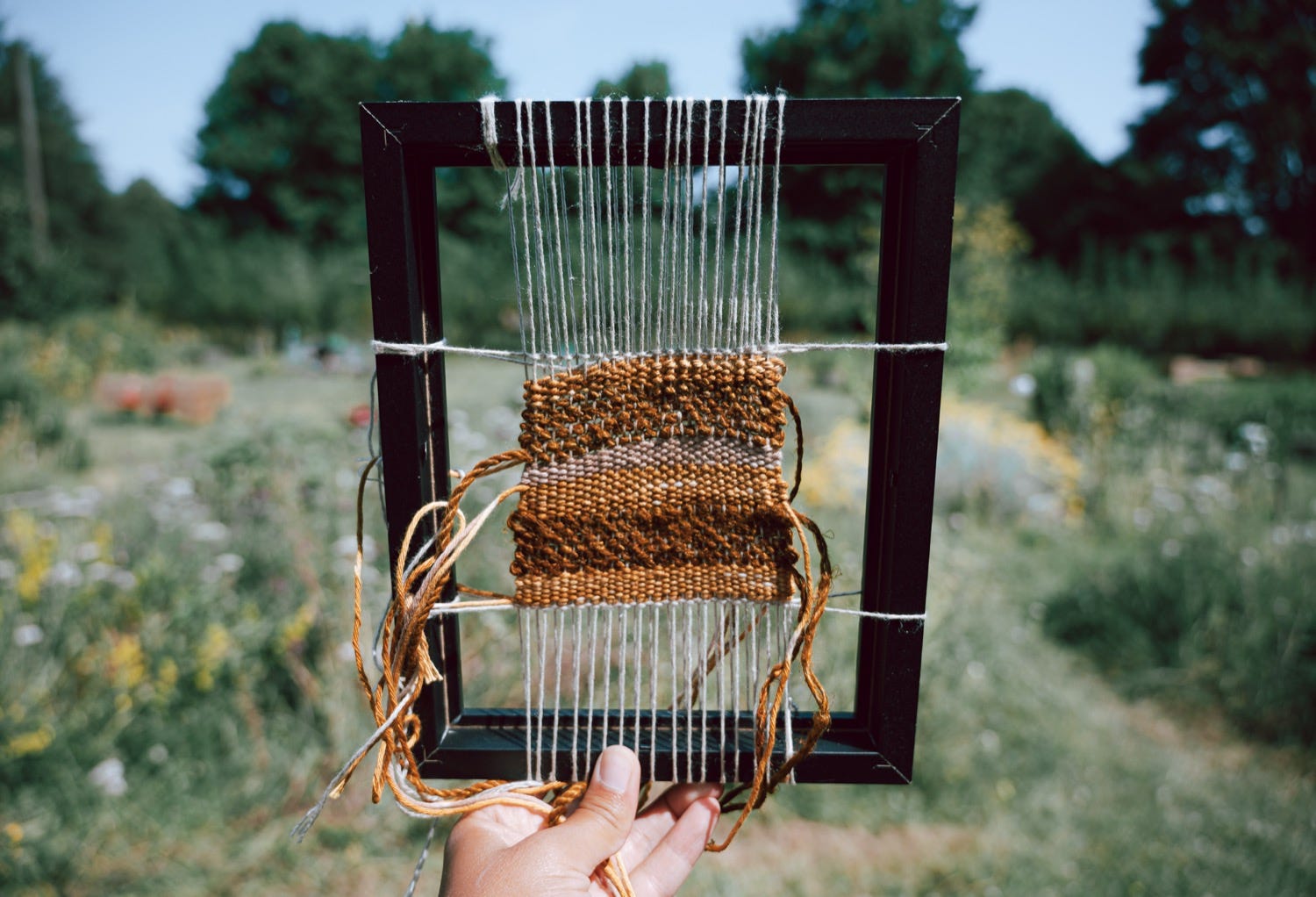
The exhibition will include works such as a patchwork quilt, flat-woven panels using techniques and styles from different cultures, willow baskets and prints.
Ben Jones, founder and director of Dingy Butterflies, said: “Weaving for Wellbeing worked with the women to support their wellbeing through exploring nature and the changing seasons through creative activities. This continues the work Dingy Butterflies have been doing in Gateshead to support residents and community organisations through creative activities.”
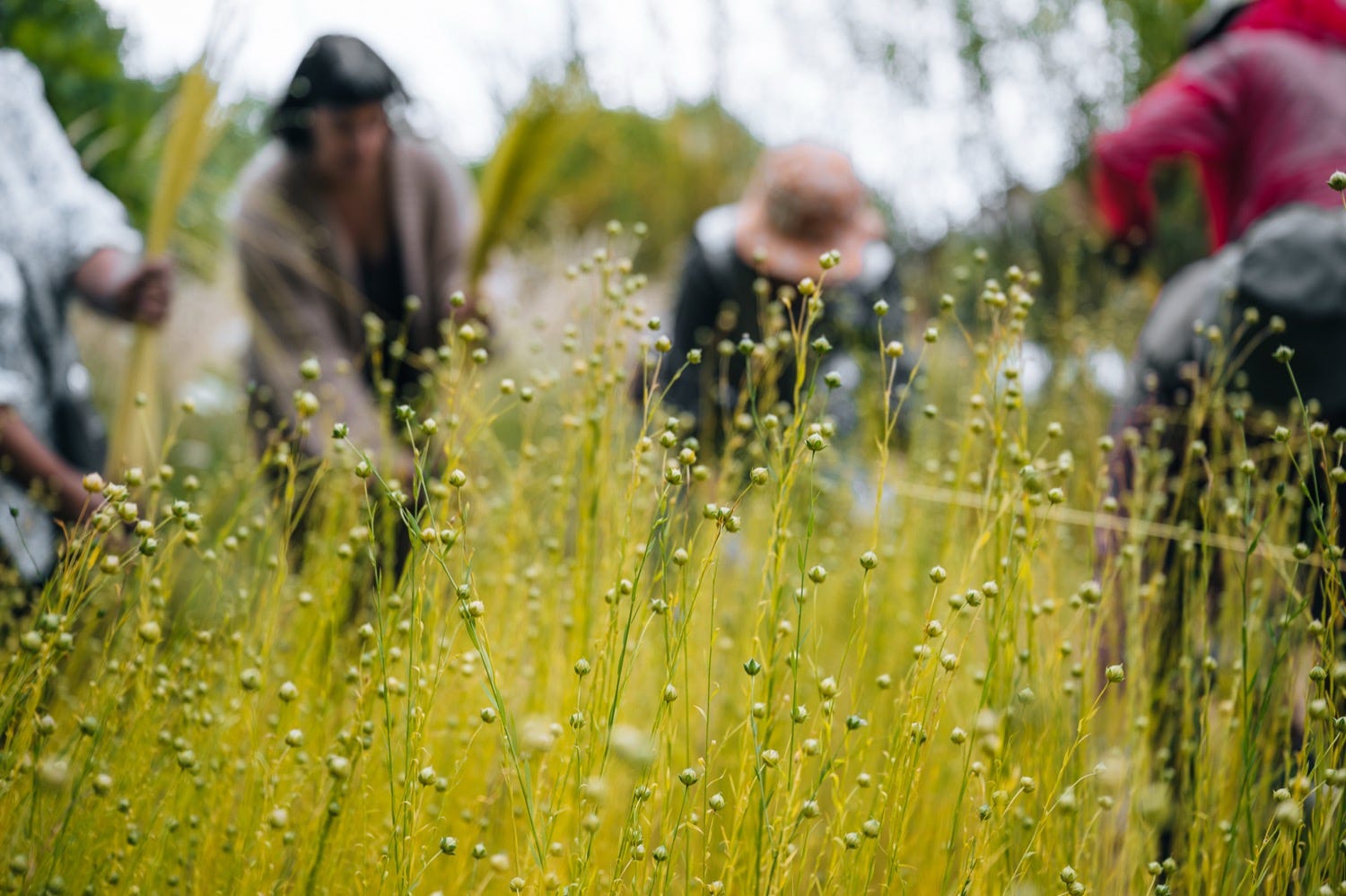
The Comfrey Project’s Nicola Bushell said: “Weaving for Wellbeing has been a special part of life at The Comfrey Project. Over the year, the women have explored a rich range of nature-based arts and crafts, from growing and foraging useful plants to natural dyeing and many other creative practices while sharing skills, stories and learning with one another.
“Seeing the women’s work exhibited at the Shipley will be an incredibly proud moment and a powerful celebration of how far they have come.”
Dingy Butterflies CIC takes its inspiration from Robert and Elizabeth Spence Watson, who lived at Bensham Grove House in Gateshead from 1875 until 1919 and were prominent social activists on Tyneside.
The family valued creativity, education and social justice and were tireless campaigners for workers’ rights, women’s education, the anti-slavery movement, and had a lifelong interest in education, literature and the arts.
The Dingy Butterflies name comes from writer JB Priestley, who visited the North East and the educational settlement at Bensham Grove for his book An English Journey in the early 1930s.
He described the unemployed men he met as “the dingy butterflies of the backstreet”.
Ben said: “We aim to re-claim the phrase for Gateshead and reuse it in a creative, positive and humorous way.”
