


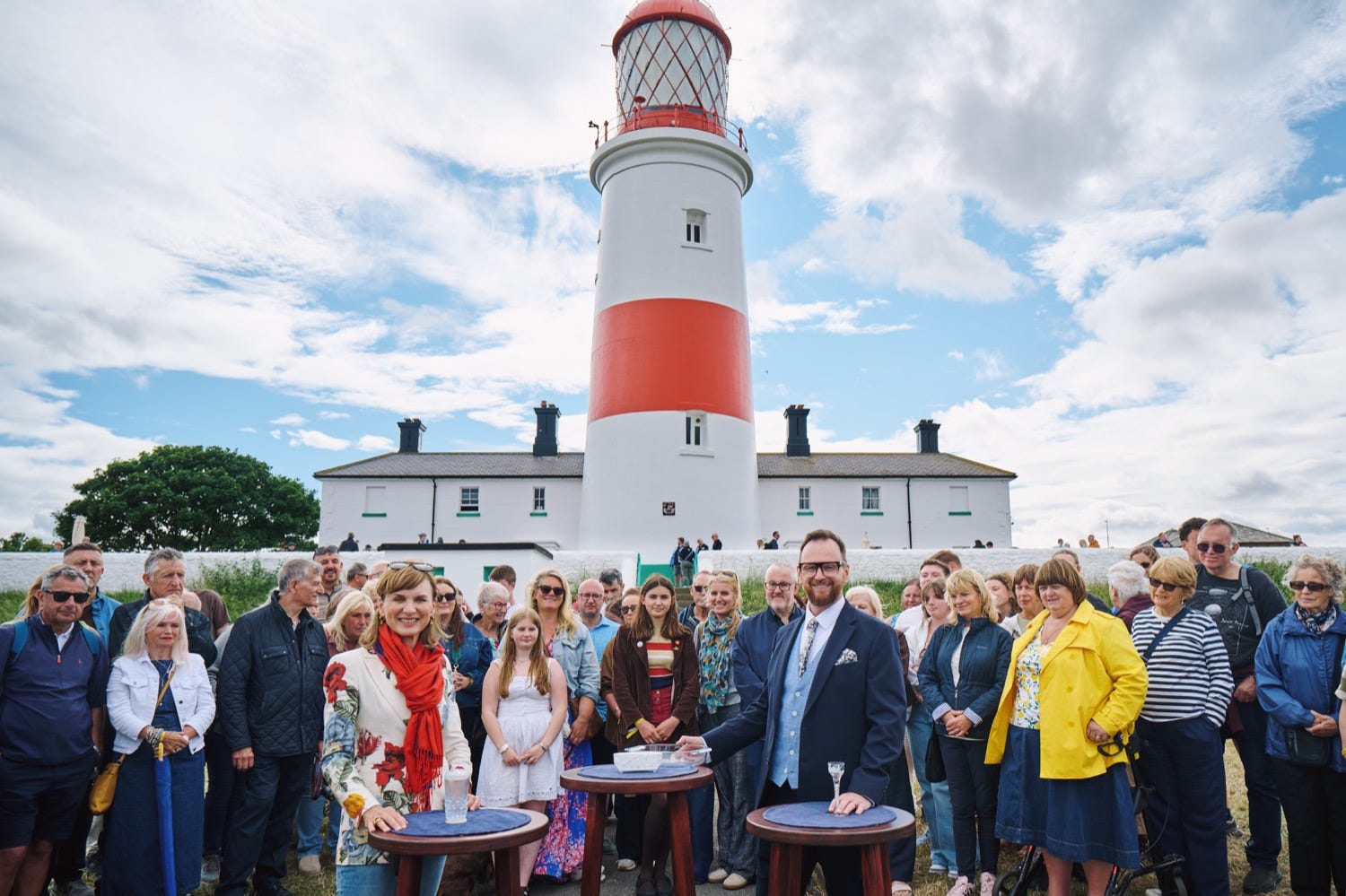
The tale of a North East airman who, more than 60 years later, returned to the place where his bomber was shot down was among the remarkable stories to emerge from the Antiques Roadshow visit to South Tyneside.
The programme, filmed at Souter Lighthouse and broadcast on Sunday, saw 2,500 people queue with their treasures and is still available to watch on BBC iPlayer.
Among them was the flying helmet of John Morrison, wireless operator in a Halifax bomber which crashed in Trondheim after being hit by anti-aircraft fire during a raid on the German battleship Tirpitz.
John and fellow crew member Reg Williams attempted to reach neutral Sweden but were eventually captured by the Germans.
He later recalled how a Norwegian farming family had helped the airmen and two young girls hid their flying helmets in a wood.
He said: “To me they were true war heroes. How they kept that night’s events a secret is incredible.
“The temptation to tell their friends must have been overwhelming, but they told nobody and that gave us the chance to escape.”
Decades later John a veteran of 24 missions who spent three years in a PoW camp, returned to Norway as part of the Government’s Heroes Return project to meet and thank the local people who helped him.
There he met the grandson of one of the girls and was reunited with the flying helmet the family had kept in the hope that its owner would one day return. It was valued at £2,000.
Other objects brought to Souter included a note signed by Napoleon while in exile on St Helena, which was valued at £10,000. It related to County Durham-born naval surgeon Dr John Stokoe, who attended Napoleon after arriving on the island in 1817.
There was also a brass engine room plaque from the SS Dissington, built in 1880 at the John Readhead shipyard in South Shields and lost three years later while carrying timber from the Gulf of Finland.
Recovered by a German diver and returned to Tyneside, it was valued at £300-£400.
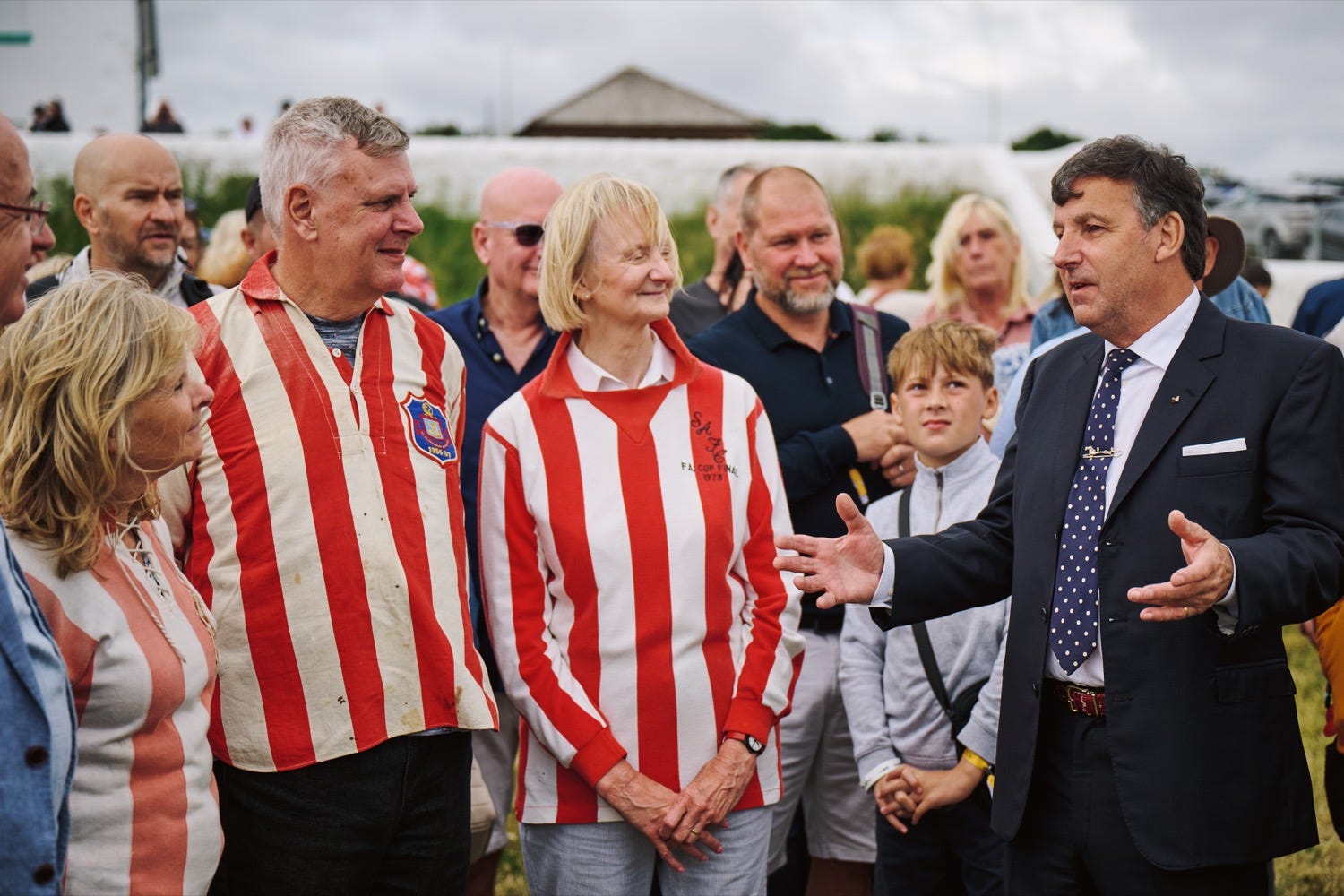
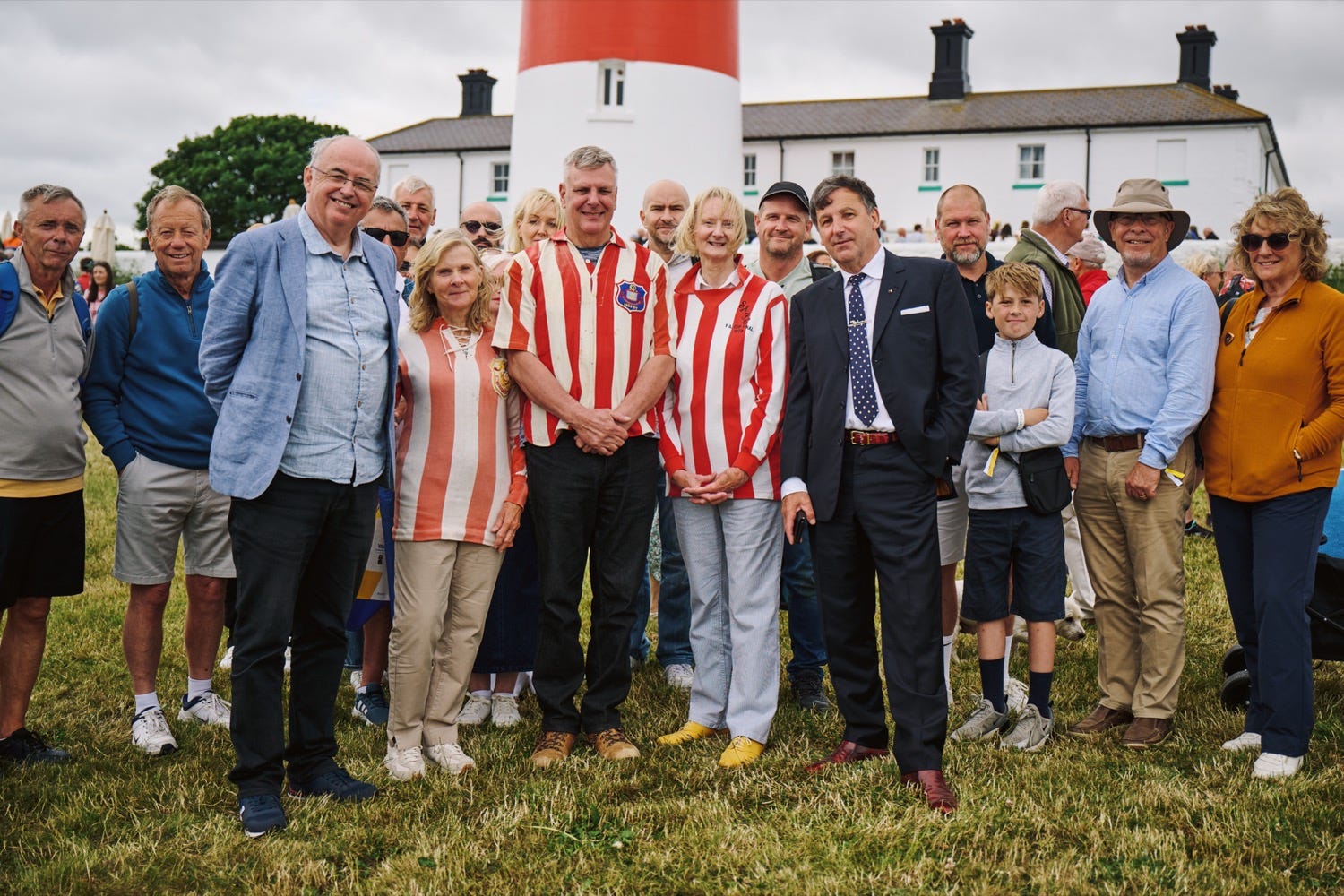
Three match-worn Sunderland FA Cup final shirts – from 1913, 1937 and the famous 1973 victory – were estimated together at £15,000.
A sign salvaged from Gateshead’s Trinity Square multi-storey car park, immortalised in the film Get Carter, was valued at £300-£400. It warned that shopping trolleys were not to be left in the car park, which did not worry Michael Caine.
Potentially much more valuable was what is thought to be the earliest painting by David Hockney, depicting a schoolfriend when both were 12 years old.
Brought along by the sitter’s daughter, it was provisionally valued at £10,000-£12,000, although it was suggested that a bidding war could push the price to £100,000.
Another painting had been rescued from a house clearance skip. The 1863 work by Robert F Watson depicted a lifeboat going to the aid of a sailing ship foundering in stormy seas and was valued at £2,000-£3,000.
And a woman whose twin passions were playing the violin and collecting anything connected to mice brought along what might have been her perfect object – a gold brooch depicting a mouse playing a violin.
Set with diamonds and other gemstones, it was valued at £5,000-£6,000. She was told: “You have found a jewel which represents you.”
The episode can be found on BBC iPlayer here.
