


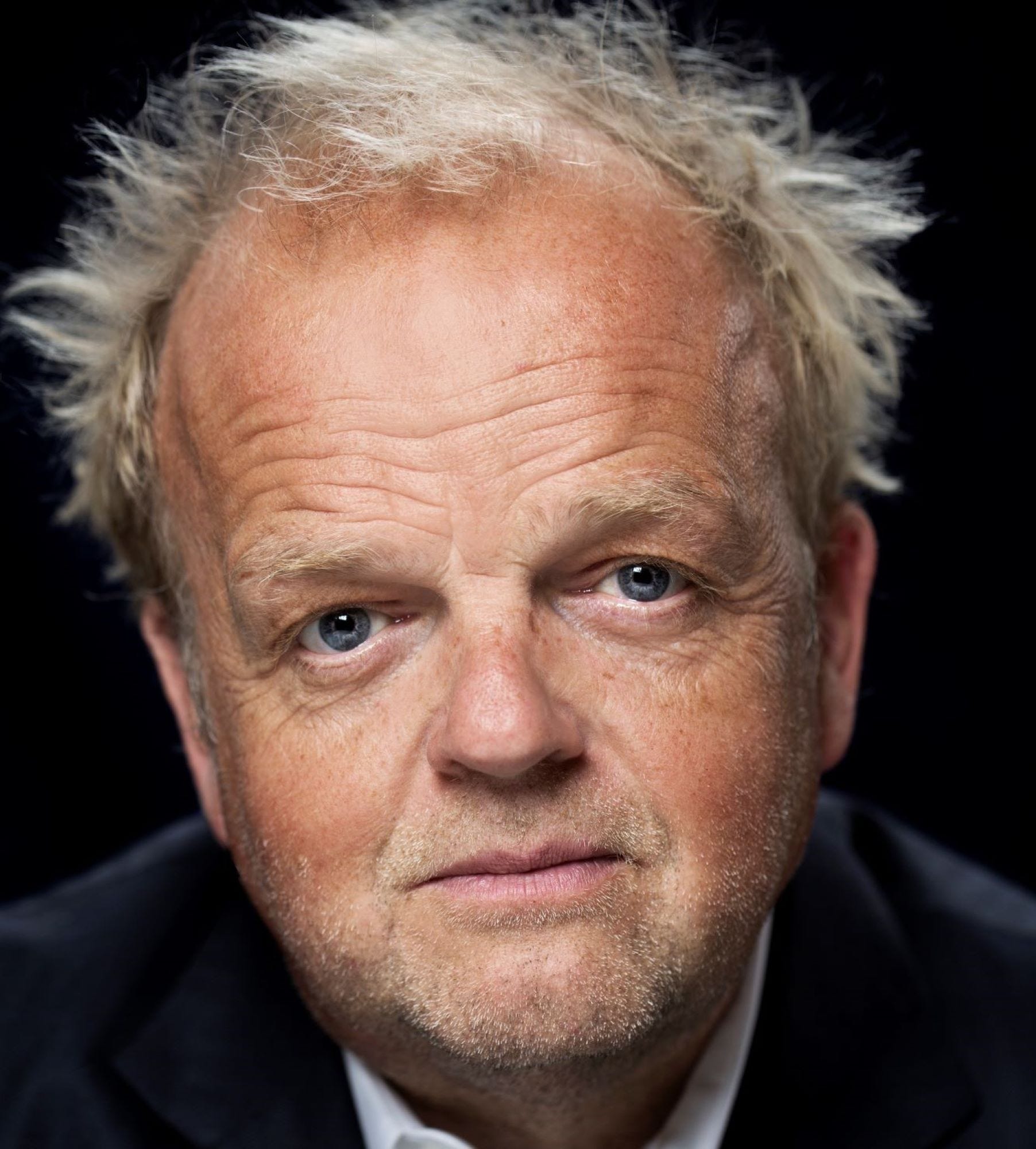
That much loved actor Toby Jones will be heading to the North East this week for two notable performances at The Glasshouse in Gateshead.
He is to be the narrator in a production of The Soldier’s Tale, by the Russian composer Igor Stravinsky, directed by Live Theatre artistic director Jack McNamara in close collaboration with movement specialist Roberta Jean.
Not only is it a rare – possibly a first – partnership venture by The Glasshouse and Live Theatre, but the piece, first performed in Switzerland in 1918, was given its premiere in this country by the People’s Theatre, in Newcastle, 100 years ago.
“We had the honour,” recalled Norman Veitch wryly, in his 1950 history of the People’s, “of giving the first performance in England of Stravinsky’s latest composition and of losing £45 on it.”
Veitch was a dedicated man of the theatre and a driving force behind the People’s in its early years, as was his footballer brother Colin who captained Newcastle United to win the FA Cup in 1910.
But more of Norman Veitch later.
Jack McNamara says the idea for a new production of The Soldier’s Tale was put to him by The Glasshouse a while ago.
“We’re across the river from each other and wanted to work together and they approached me about doing this Stravinsky piece.
“It’s really unusual in that it’s musical but with narration and an acted element, so no-one knows quite what to call it.
“It’s not a musical and it’s not an opera. People have described it as a monodrama or a play with music or a small orchestral piece with words. It’s really quite slippery.”
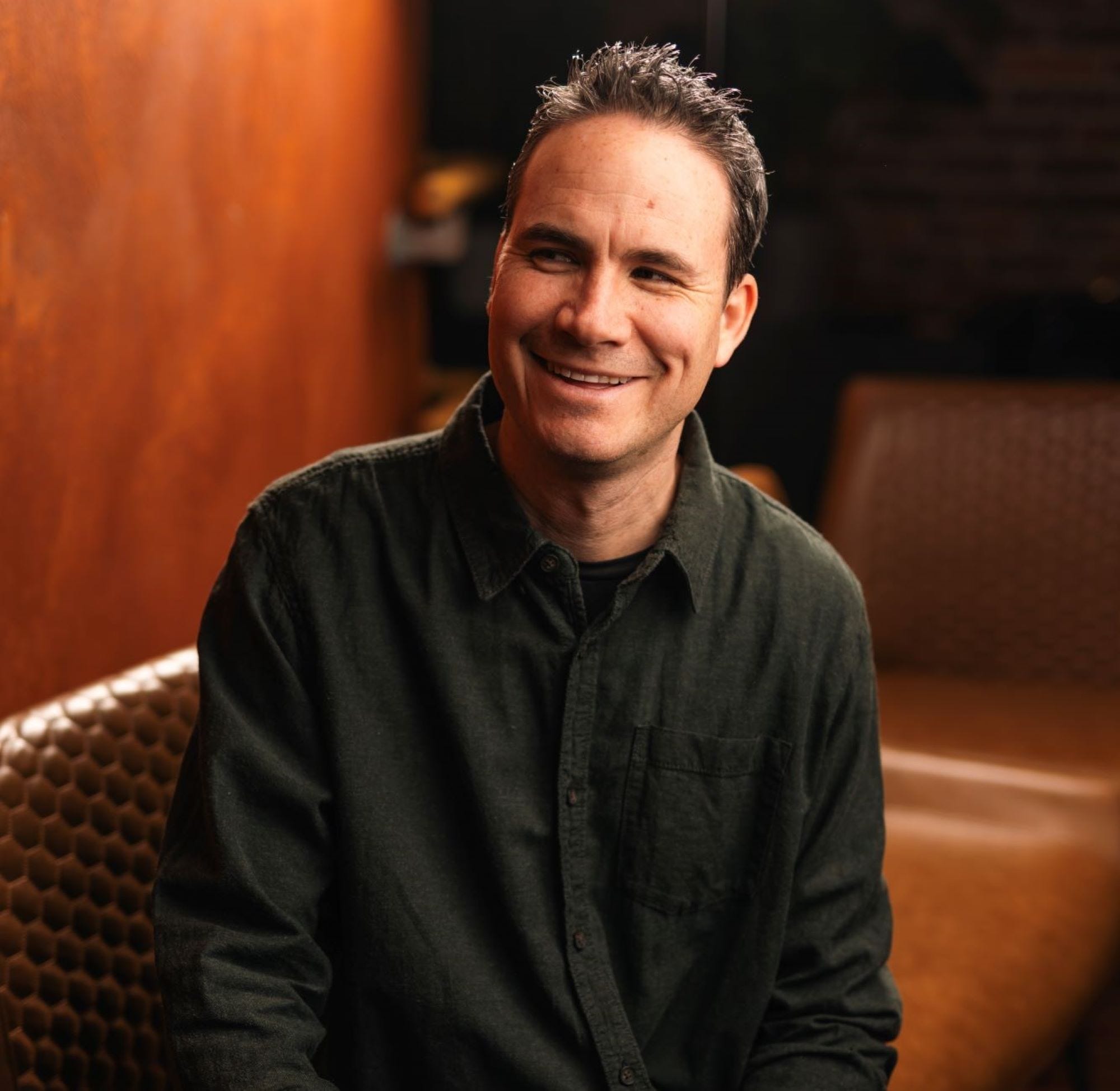
The hour-long work, which came on the heels of Stravinsky’s more famous The Firebird (1910) and The Rite of Spring (1913), was intended to be read, played and danced by three actors, one or more dancers and seven orchestral players who on Saturday will be drawn from Royal Northern Sinfonia, led by violinist Maria Włoszczowska.
The rather sobering tale it tells is of a weary soldier who enters into a pact with the devil, trading his violin for the promise of riches and inevitably living to regret it.
Jack says although he was a fan of those two aforementioned Stravinsky pieces, he didn’t know this one very well.
The set-up, with a narrator and other actors jumping in with their dialogue, he thought seemed a bit awkward.
“I had the idea that instead we could have one narrator speak all the dialogue and one other actor on stage who was free of the need to speak and could therefore move without restriction.
“It had to be a tip-top narrator, obviously, and I’ve worked with Toby Jones seven or eight times now. He’s a very kind and curious man and always up for the challenges I throw at him, which is good.”
As narrator he will be following in the footsteps of others who have taken on the role, including Harriet Walter, Simon Callow and Jeremy Irons.
As for the actor whose role is to provide the movement, Jack was clear he wanted Scott Turnbull, the versatile Teessider whose first professional role was 20 years ago in the last series of kids’ TV favourite Byker Grove.
“He’s an actor, a theatre-maker, a kind of clown… just such a shape-shifter,” enthuses Jack.
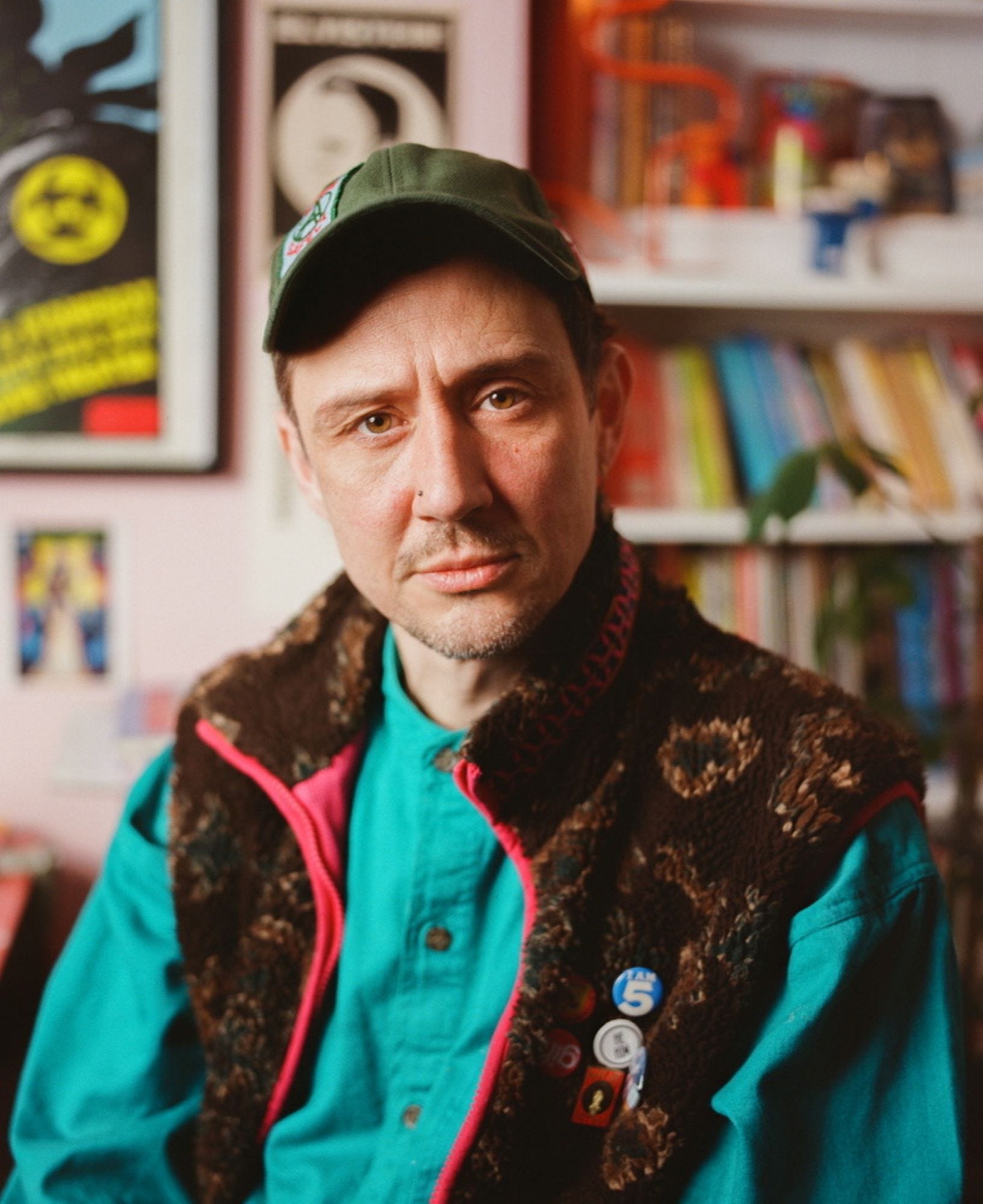
“Having him on the project opposite Toby is a bit of a dream, and I’m also working closely with choreographer Roberta Jean who’s also key to this project and a top level movement specialist.
“We’ve effectively co-directed this and have been working with Scott to fashion this incredible physical response to the story.
“I think it’ll be a very visual performance which slides into dance and clowning. It’ll be almost like we’ve let a circus performer loose in the audience during a classical concert.”
Despite the limited time available for everyone to get together, he hopes the piece will reflect “the grotesqueness and absurdity” of war.
Jack was heading down to London this week to run through the script with Toby Jones whose hectic filming schedule (the man’s always in demand) necessitated a rather late announcement of the project.
When the lone 7pm performance in Sage Two, the smaller of the halls at The Glasshouse, sold out almost immediately, a 3pm matinee was added. Expect that to be a sell-out too.
As for that premiere in November 1926, it followed a suggestion by Edward Clark, conductor of the BBC Newcastle Studio Orchestra, that the youthful and ambitious People’s Theatre might consider it.
“He had copies of the music and words in his possession and had ideas of how the production might be approached,” recorded Norman Veitch.
Clark, incidentally, was an extraordinary and influential figure in contemporary classical music at that time.
Born in Newcastle in 1888, the son of a coal exporter and amateur musician, he was educated at the Royal Grammar School and then went to Paris where he met composers including Claude Debussy and Maurice Ravel.
On his return, he wrote a paper in which he expressed his desire to encourage British audiences “to understand this music of to-day before it becomes the music of the day before yesterday”.
When the First World War broke out, he was attending the Bayreuth Festival in Germany, dedicated to the music of Wagner, and was interned for the duration as an enemy alien.
After the war he became friends with Stravinsky and conducted premieres of his work, including The Soldier’s Tale in Newcastle.
Veitch, in his book, referred to it as an opera, “though not in the generally accepted sense: there is no singing whatever in it”. He also styled it The Tale of the Soldier.
The offer having been made by Clark to the People’s, “the members of the opera committee cocked their ears”, he reported, adding that although they were keen, the cost of mounting opera was a serious concern.
A piano had been the mainstay of the company’s previous operas but not this time. When Edward Clark made the “handsome offer” to provide the instrumentalists on this occasion, it was “joyfully accepted”.
Since the action was largely set in a village inn, with the landlord as narrator and music played by what was meant to be the village band, the cast and musicians were simply required to wear their oldest clothes, thus saving on the cost of costumes.
“Edward Clark conducted in an old woollen jacket worn into a hole at the back,” Veitch related.
Everything would have been OK but the music publishers “sunk our craft by requiring £25 for royalty and the loan of the band scores”.
And because it was decided another piece was needed to make up a full evening’s entertainment, The Tale of the Soldier was put on a double bill with an unrelated one-act play by George Bernard Shaw, O’Flaherty, V.C..
It was a mistake, as Veitch candidly admitted.
“Even the musical elite of the city who came to see it shook their heads in bewilderment over The Tale of the Soldier, and the dazed spectators spent a good deal of time in trying to find the subtle connection between it and O’Flaherty, V.C., being apparently convinced that there was a connection somewhere.”
Still, he went on: “It is recorded that when Edward Clark, a year or two later, produced The Tale of the Soldier in London someone praised to him the great Lydia Lopokova who danced the part of the Princess and he replied: ‘Ah! but you should have seen Rita Lynas in Newcastle’.”
Lopokova was a famous Russian ballerina who had recently married the British economist John Maynard Keynes, after previously having a fling with Stravinsky.
And Rita Lynas?
Google, I’m astonished to say, draws a blank. But clearly she could shake a leg.
It’s unlikely The Glasshouse or Live Theatre will lose £45 on The Soldier’s Tale. Tickets are available (at the time of writing) for the 3pm and 7pm performances on Saturday, March 21 from The Glasshouse box office.