


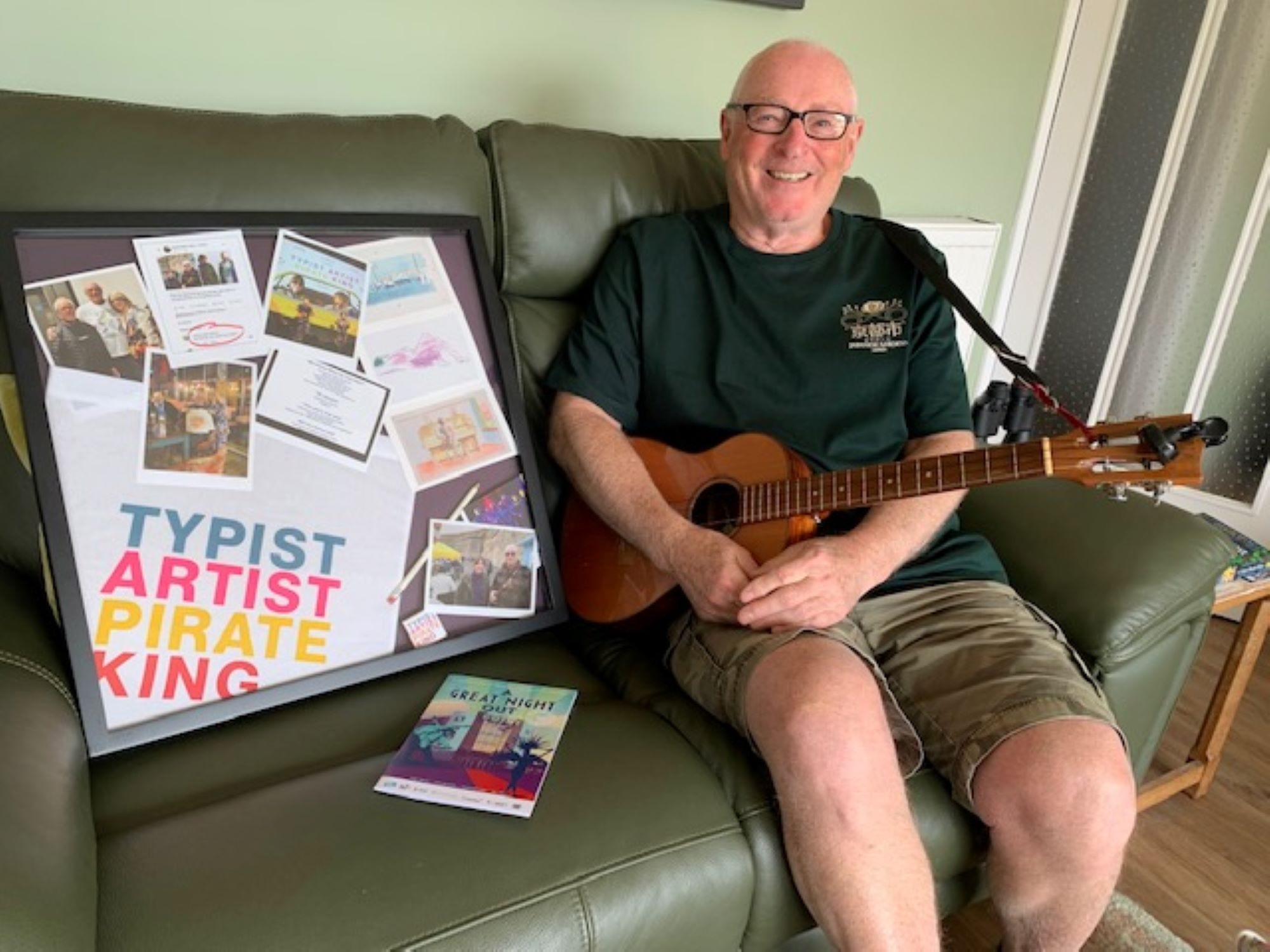
The leaflet introducing The Cultural Spring couldn’t have dropped through Dennis O’Brien’s letterbox in South Tyneside at a more opportune moment.
Daydreaming at work recently, it had struck him that he needed to do something creative. He was 63. Life is short.
“I’d always wanted to do something creative but with family and work, creative stuff gets put on the back burner – but it was always in the back of my mind,” he reflects.
“That leaflet was like something… I’ll call it the universe, saying it’s time for you to fulfil your dreams.”
We’ll come back to Dennis because he embodies all that can have been hoped for by those who set up The Cultural Spring from small beginnings.
In its South Shields headquarters, project director Emma Horsman and publicist Rob Lawson (both involved from the start) can reflect on an action-packed past while looking to the future.
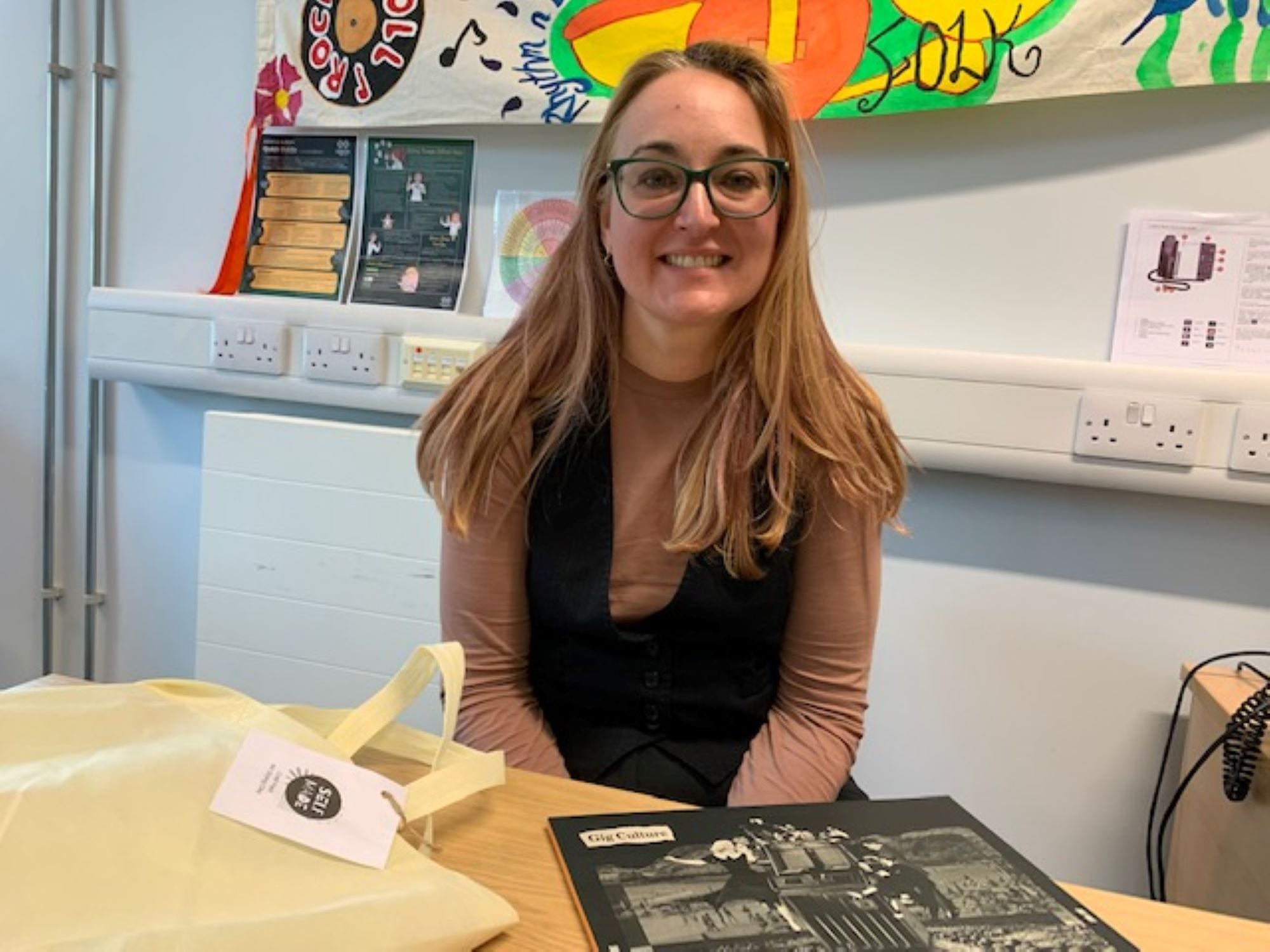
Having been required to draw up a 10-year vision to secure an initial three years of funding, The Cultural Spring is still going strong 12 years on – and recently secured a further £1m to keep up the good work until 2029.
Emma says both South Tyneside and Sunderland initially bid separately to Arts Council England’s new Creative People and Places (CPP) programme, designed to share the benefits of cultural activity more fairly and in particular creating opportunities in areas where people were least engaged with the arts.
Those bids failed but a third, by a consortium led by the University of Sunderland and including The Customs House in South Shields and the Sunderland-based Music, Arts and Culture (MAC) Trust, succeeded.
With 10 council wards, five each in Sunderland and South Tyneside, identified as the target areas, the work of The Cultural Spring began.
“We put a flyer out to 40,000 households that said come along for a cuppa and hear more about the programming and how you can get involved,” recalls Emma.
“People did come, in some places more than others, and we curated a programme around what they said they wanted to do.”
As well as individuals and families, Emma and her team approached venues – not just cultural venues but community centres and other gathering points.
“There’s a mantra we’ve got – go where the energy is.
“Some venues were really welcoming and wanted to get involved and others were keen but didn’t have the capacity. If you’re volunteer-led, just opening the doors can be a big thing.”
The Cultural Spring offered encouragement and practical support – and always the emphasis was on community involvement.
“It’s about working with other people. We design a brief but the commissioning process always involves a community decision-making panel.
“We facilitate those panels and they decide where funding should go and what they want to get involved in.
“And for us it’s always about the legacy. It’s not just about doing something for the sake of doing it, it’s where could it go afterwards.”
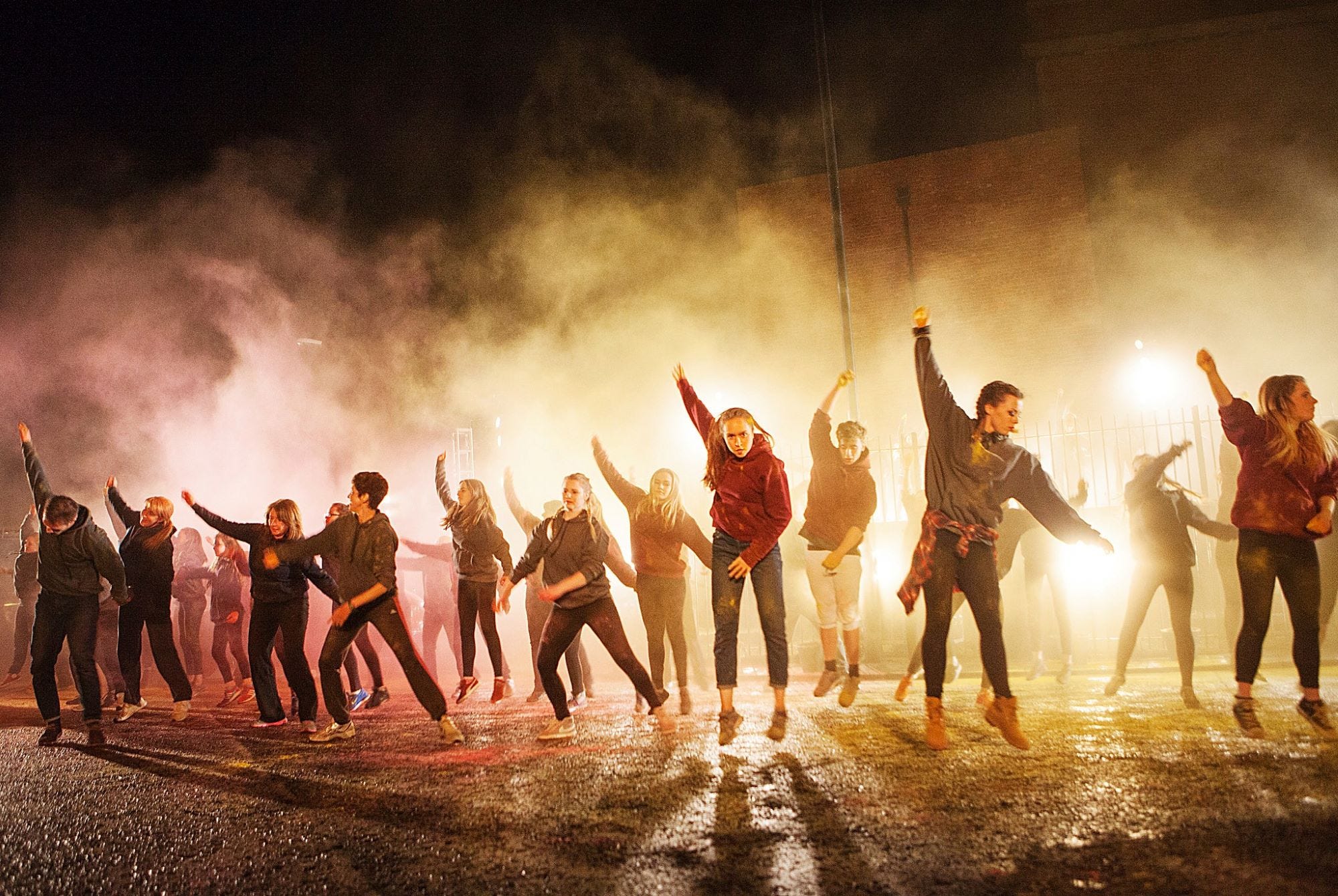
Many things have been achieved, ranging from spectacular performances by Unfolding Theatre and Southpaw Dance Company, where volunteers worked with professionals, to the personal.
Craft packs were delivered during the Covid pandemic and have remained popular. Rob recalls taking one to an old lady in a tower block and finding she hadn’t spoken to a soul all week.
Trips have been organised, including one memorable one arising from a project with the National Gallery.
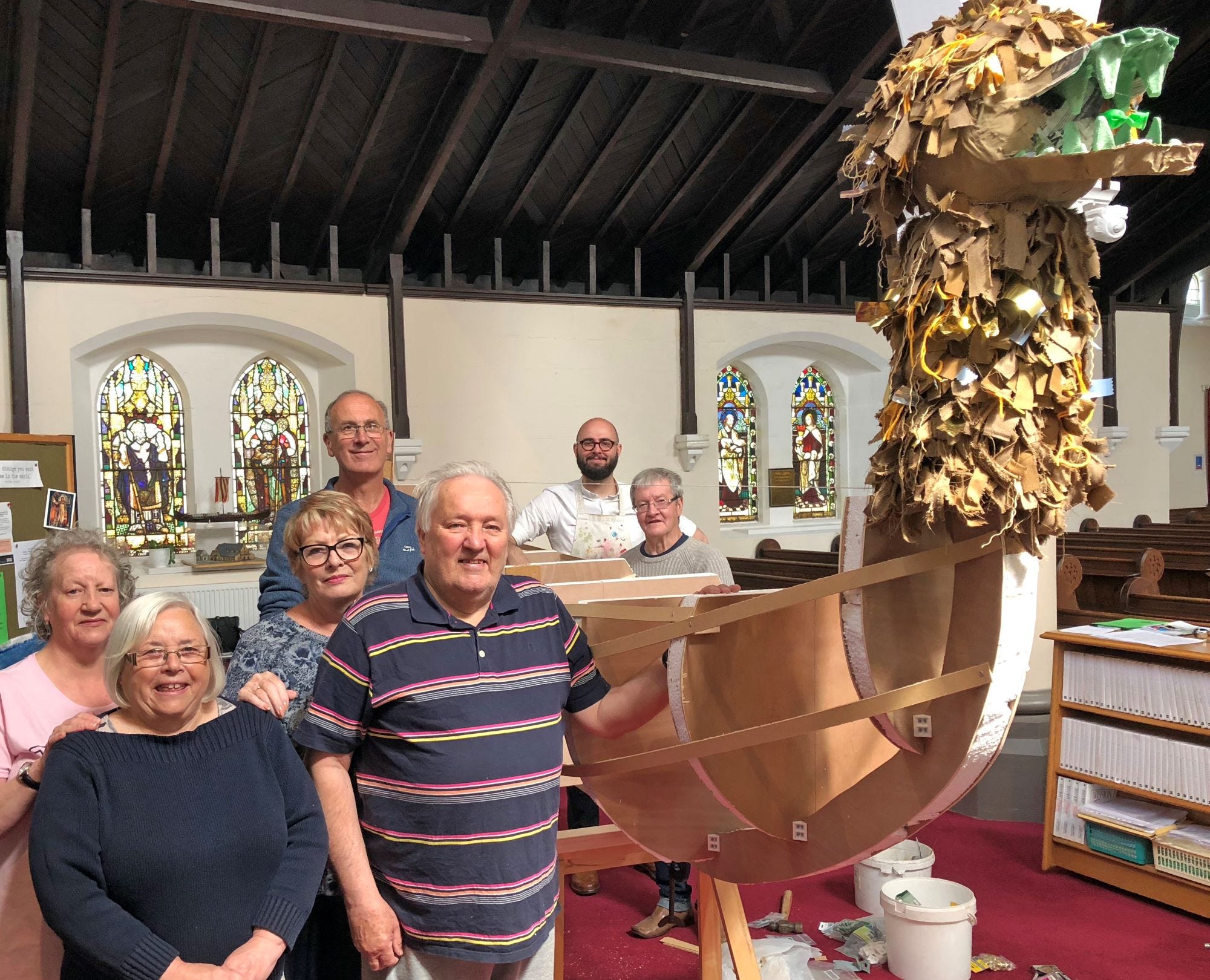
One group even made a Viking longship, inspired by the Tall Ships Races when they started at Sunderland.
When the level of arts activity in South Tyneside raised it above the threshold for CPP funding, The Cultural Spring set up as a charity, enabling it to seek alternative funding for its work across the initial 10 wards.
As for future priorities, Emma says: “I think it’s about growing awareness of The Cultural Spring. So far we’ve worked with more than 150,000 people but you’ll still get people saying they don’t know what we do, even though they might have benefited from our activities.
“We’ve got a way to go in terms of upping engagement and participation. The job’s not done there. But we’ve come a long way in terms of people recognising that their voice counts.”
Adds Rob: “We’ve established ourselves as part of the cultural landscape and are at the heart of a lot that goes on both in South Tyneside and Sunderland.”
Back to Dennis, one of those for whom The Cultural Spring can be said to have hit the bullseye.
Now 75, he can reflect on a varied working life which began, and nearly ended cruelly and prematurely, with an apprenticeship at Westoe Colliery in South Shields.
Aged 17, he nearly died when the pit roof caved in, burying him.
“They had to move the stones off me gently, bit by bit. My chest was caved in and I kept going in and out of consciousness.”
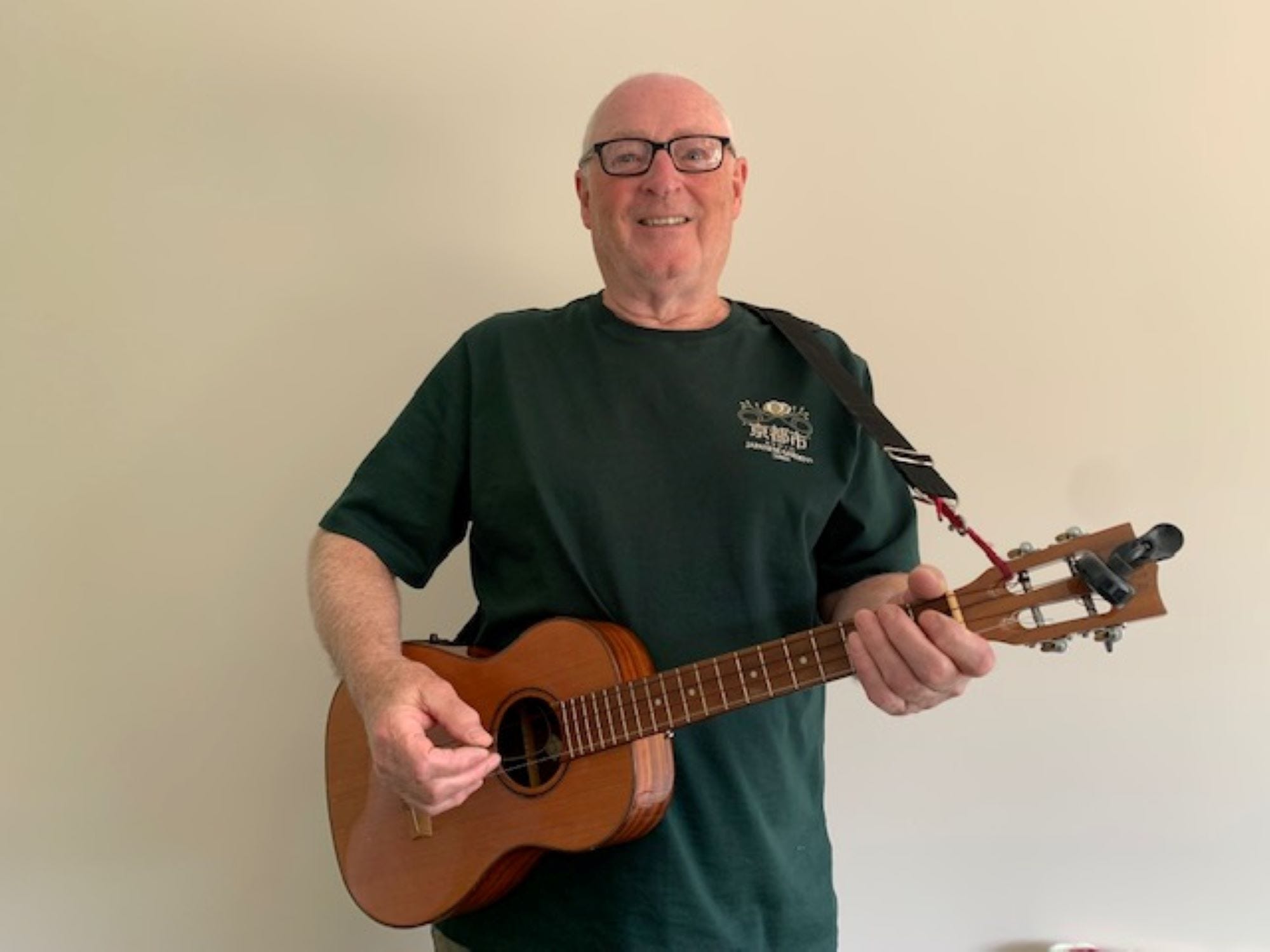
Having recovered and served his time, he joined the Merchant Navy, fulfilling an ambition to do the ‘ice run’ up the Great Lakes.
“But I’ve had a million jobs,” he says, running through his experiences in a corner shop, working in a bank and for a charity helping brain injury victims back into employment.
In his dream existence he might have been Dave Gilmour of favourite band Pink Floyd, but somehow he couldn’t learn to play the guitar and eventually, disheartened, laid it aside.
Frustration coupled with natural reticence (not obvious now) meant he parked his creative urges – until that Cultural Spring leaflet.
He remembers it listed creative workshops and he plunged in. He went to lots but began with a ukelele and guitar session at a Roker church, setting aside his belief that the uke was “a naff instrument”.
“It was me, my brother and one other person along with an amazingly talented lad called Sam Burt,” he recalls.
But from that unpromising start, things took off. The group became Gub Club (guitar, ukelele, bass) and swelled along with Dennis’s confidence. Doors opened for him so he now has a long list of things he’s done and bands he’s played in.
Once, busking with Bojangles Ukes outside a seaside café, two women starting asking questions. One, it later transpired, was Carol Morley, screenwriter and director of a film called Typist Artist Pirate King, about Sunderland-born artist Audrey Amiss.
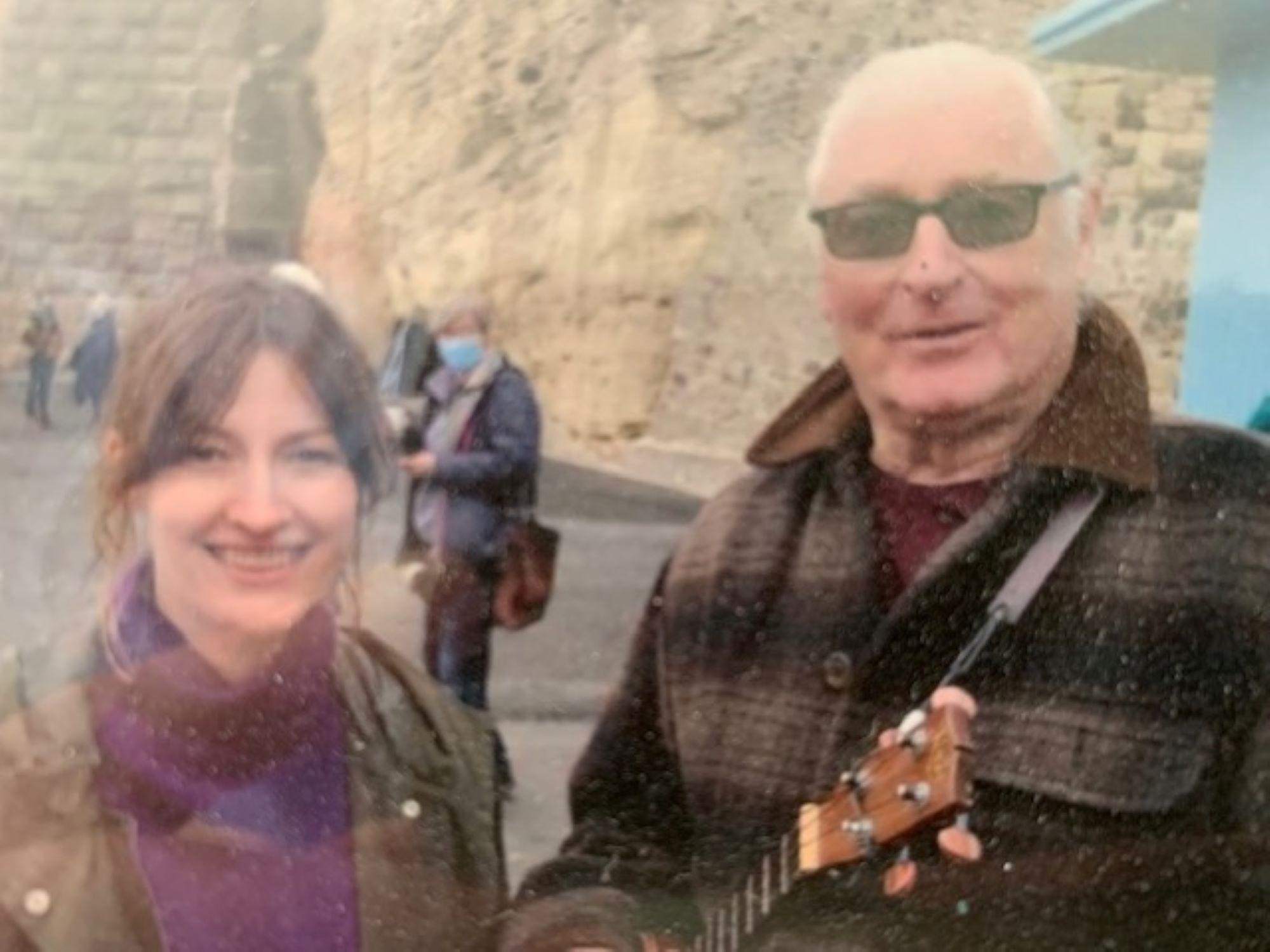
Dennis and the group were asked to be in the film and their names are in the closing credits. They performed ahead of a Sunderland premiere and framed memorabilia from the film are a treasured possession.
Dennis became part of an Unfolding Theatre touring show called Putting the Band Back Together and heard his stories told in A Great Night Out, presented by Cornish theatre company Wildworks at a Sunderland nightclub.
The Cultural Spring, asserts Dennis, “was made for people like me, who are shy inside but have something.
“I used to be like, ‘I can’t do that’, but the people at The Cultural Spring and Unfolding Theatre and Sam Burt believed in me and brought out what I had. They gave me the confidence to perform.
“Now I feel I’ve achieved my dreams but there will be people now doing what I did.”
And there will be many more if Emma Horsman and her team have their way.