



Sunderland’s Year of Music has marked a significant chapter in the city’s cultural story.
Over the past 12 months, we’ve celebrated Sunderland’s rich musical heritage while also looking confidently towards the future. For me, that balance feels important. Music in Sunderland has always been about honouring what came before while creating space for what comes next.
The Year of Music brought together artists, community groups, schools, venues and audiences to showcase the diversity and strength of Sunderland’s music scene. From large-scale concerts to grassroots performances, it demonstrated something many of us have known for a long time: music has a unique ability to connect people, inspire creativity and strengthen civic pride.
One of the things I’ve loved most has been seeing music happen everywhere.
Of course, Sunderland is lucky to have fantastic venues, but some of the most powerful moments of the year happened beyond traditional stages - in community centres, schools, public spaces and neighbourhoods across the city. Music reached people where they are, and that matters.
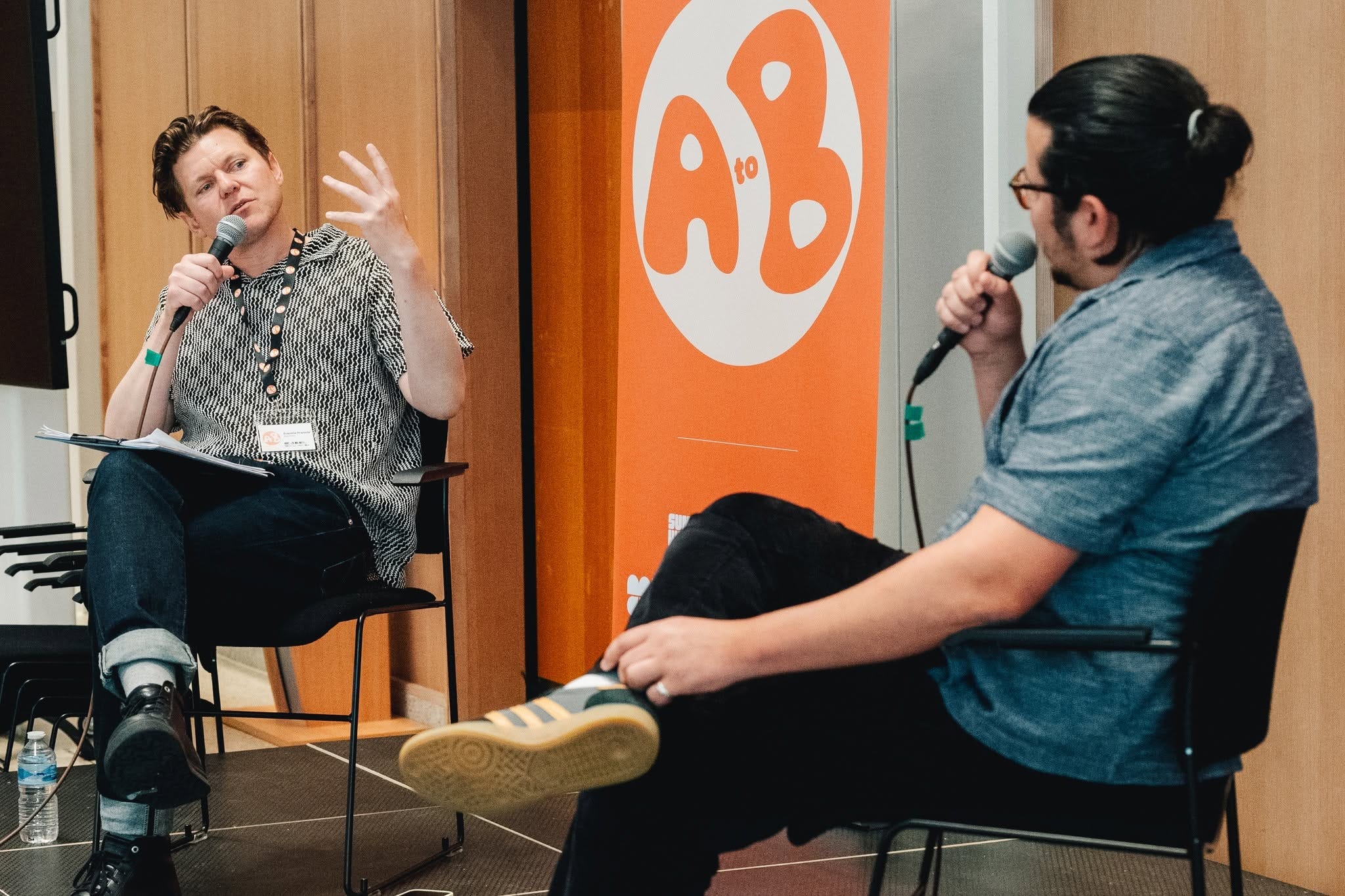
Accessibility was another real success. So many events were free or low-cost, allowing people from different backgrounds to take part. Families came together at outdoor festivals, young people discovered new artists, and older generations reconnected with the songs and traditions that helped shape Sunderland’s identity.
That inclusive approach is important because music should belong to everyone.
Sunderland has long produced extraordinary artists and contributed hugely to the wider music landscape. But being a Music City isn’t just about celebrating headline success stories. It’s about building the infrastructure, confidence and opportunities that allow creativity to thrive at every level - from first rehearsal to international touring.
That’s something Sunderland Music City will continue to champion.
Community engagement has been at the heart of everything. Choirs, amateur ensembles, youth groups and neighbourhood organisations all played an active role throughout the year. Rather than simply presenting performances to audiences, the programme encouraged participation, collaboration and shared ownership.
That spirit felt especially clear during Summit Week, which brought Sunderland’s Year of Music to a close.
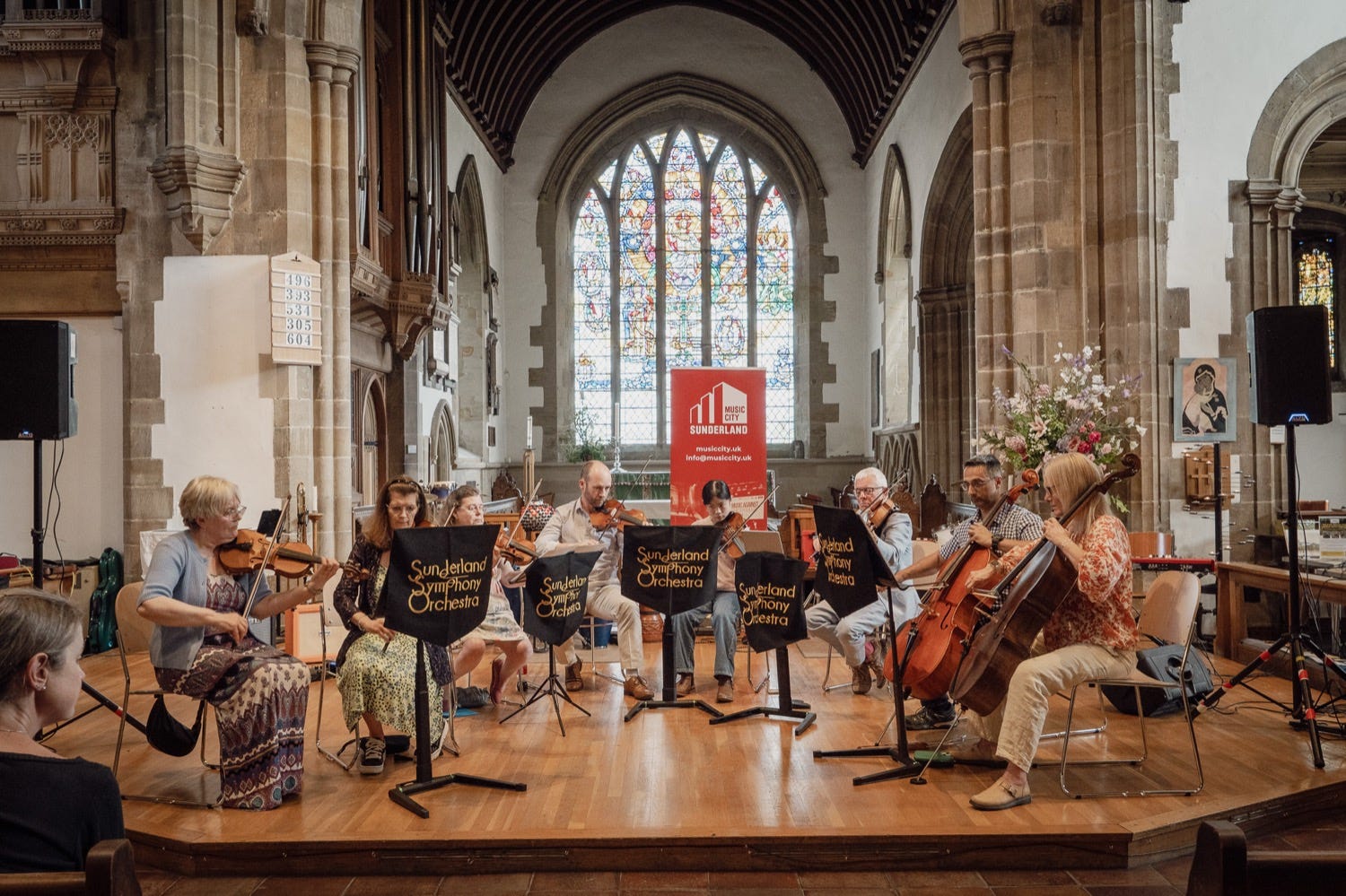
Hosting the Music Cities Network Summer Summit was a major moment for Sunderland - not least because it made us the first UK city to host the gathering. Delegates from 15 cities, including Berlin, Sydney and Reykjavik, came to Wearside to talk about the challenges and opportunities facing music ecosystems around the world.
But what struck me most wasn’t just the international significance of the summit. It was how clearly Sunderland’s identity came through.
The feedback from delegates has been incredibly encouraging. The sense I got from conversations throughout the week was that people saw something distinctive here: a city that uses music not simply as cultural output or economic strategy, but as a connecting force.
Music in Sunderland weaves communities together. It celebrates success, creates pride, brings joy and gives people a means of expression.
That feels worth holding onto.
The Year of Music may officially be over, but this shouldn’t feel like an ending. If anything, it feels like a beginning - a marker of what’s possible when a city truly backs its creative communities.
Sunderland has always had music in its bones. Now the rest of the world is starting to notice.
Frankie Francis is a musician and Music Officer at Sunderland Music City