


Conservation architect Martin Roberts completed what amounted to a seven-year tour of County Durham.
His task was to produce a revised edition of the Durham volume of the Buildings of England, a series exploring the architecture of counties, which was launched by Sir Nikolaus Pevsner in 1951.
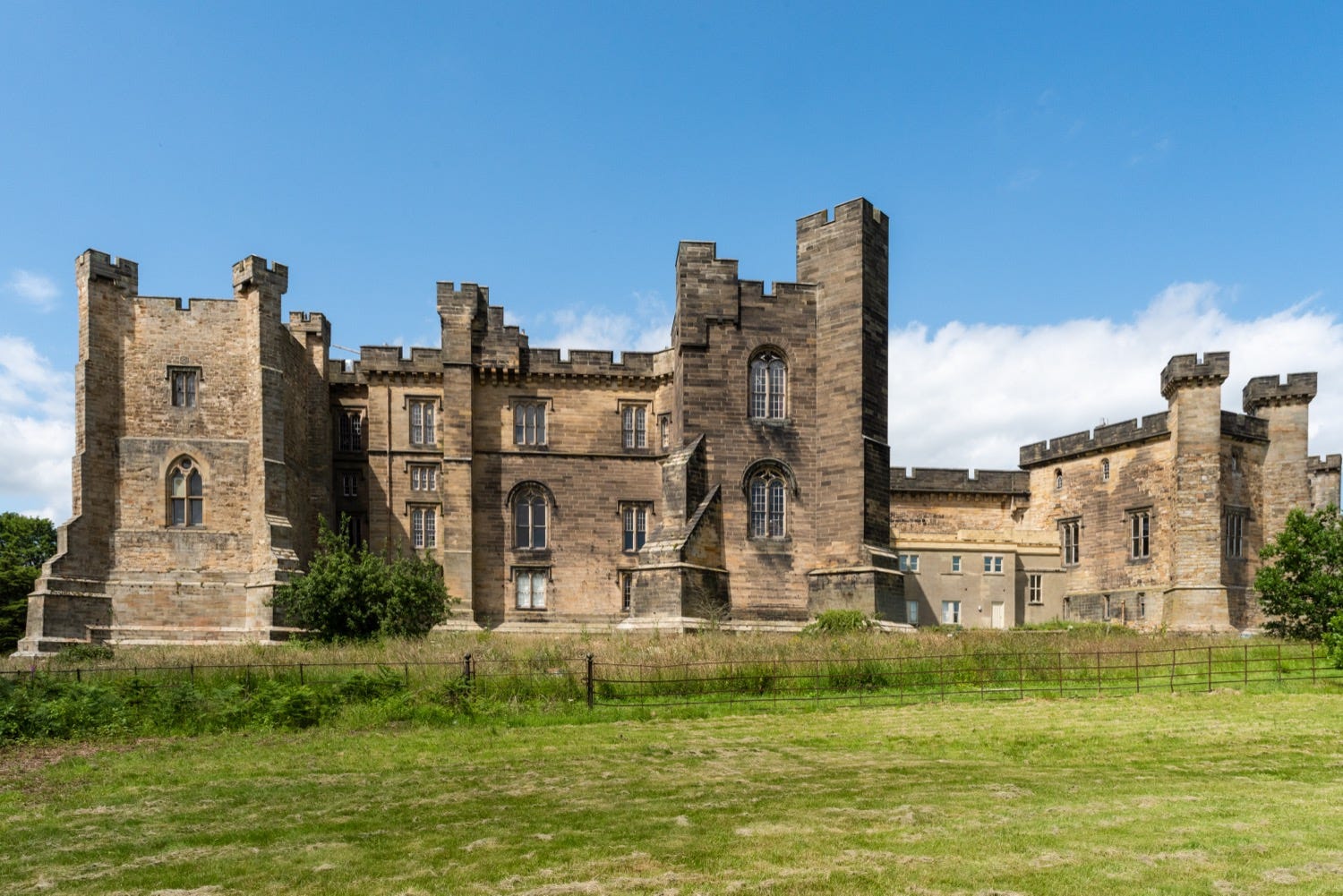
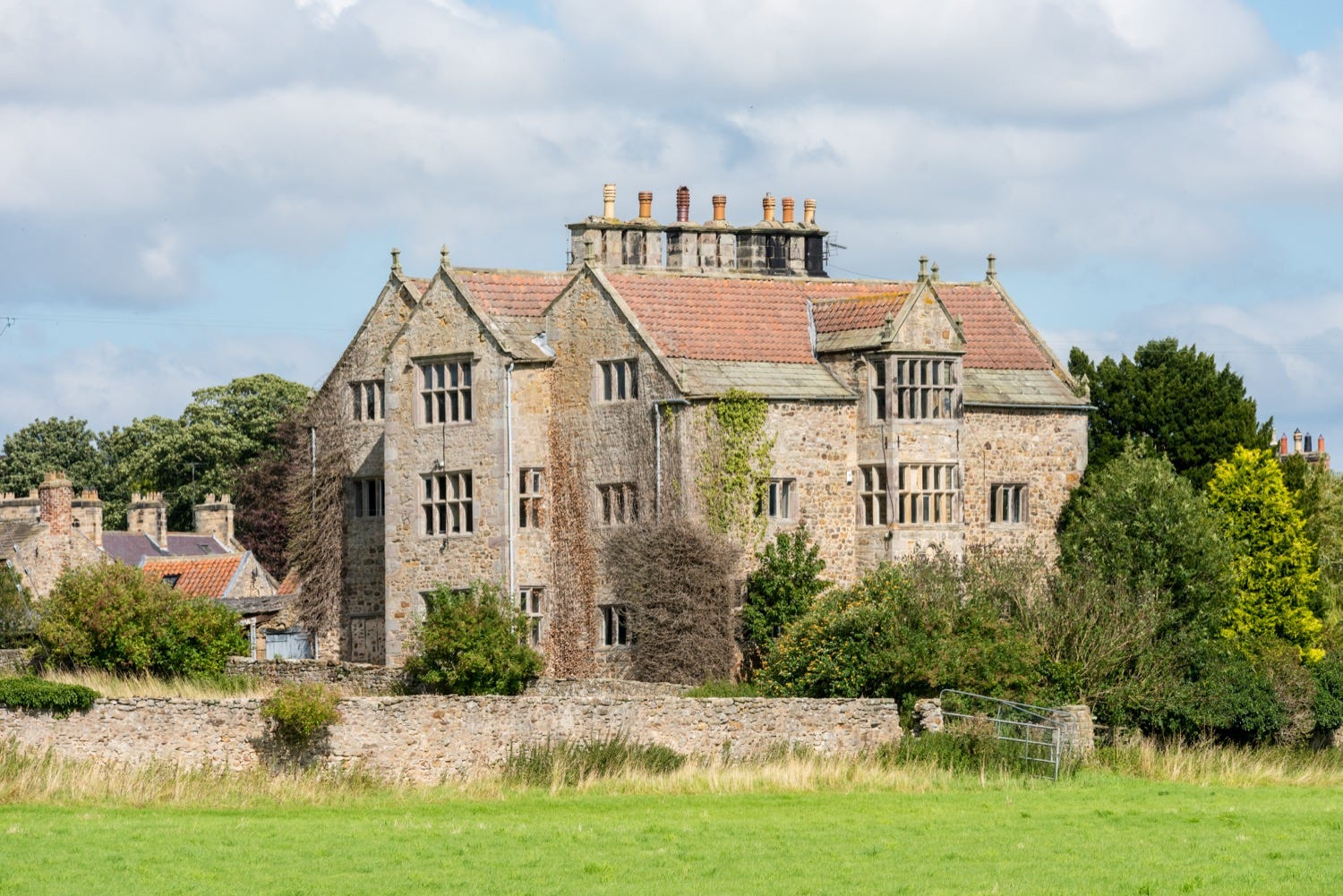
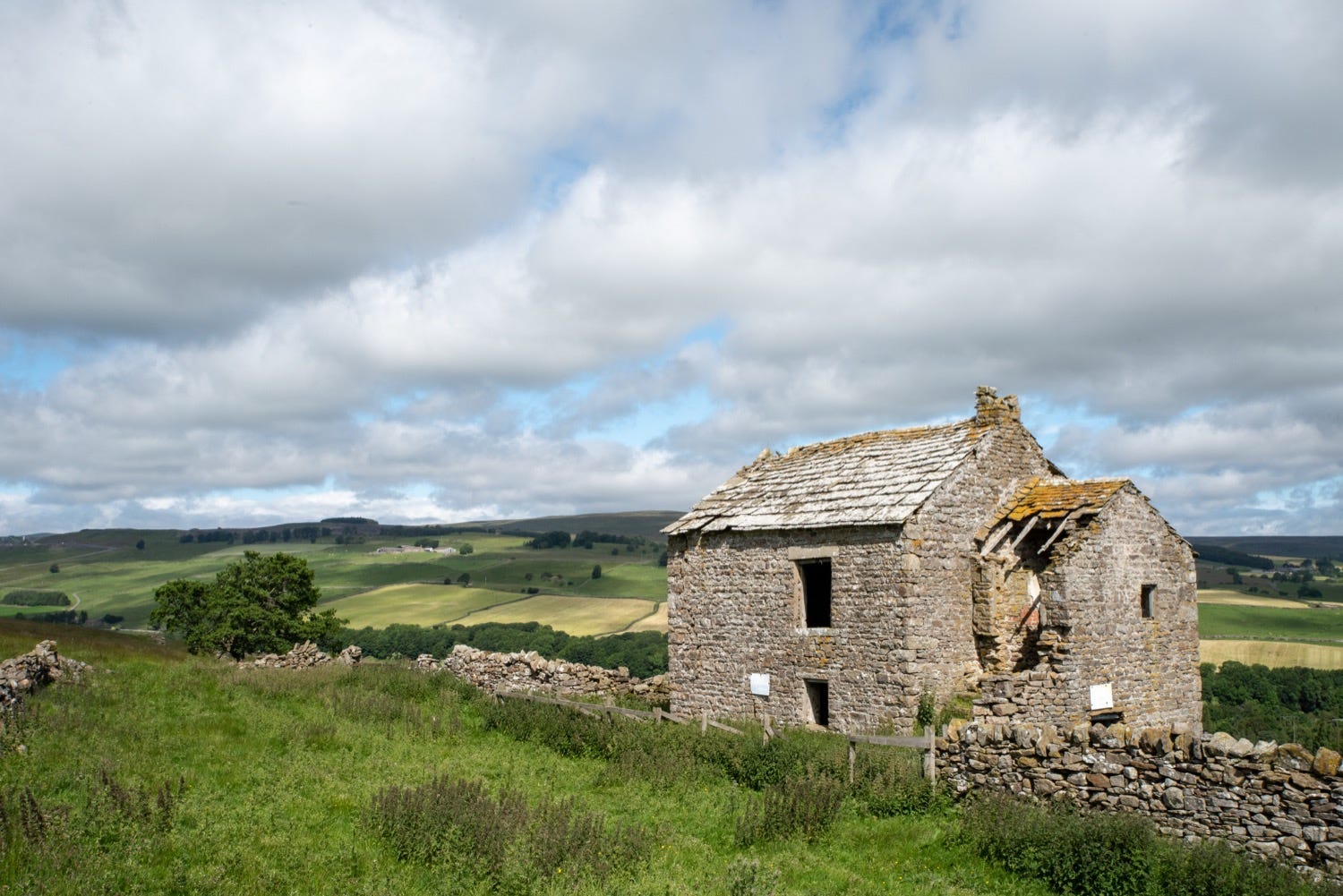
The series has become an unrivalled authority and source for the country’s architecture, ranging from bridges, railway viaducts, churches, chapels, gentry houses, lesser houses, follies, factories and castles – which in Durham include Brancepeth, Raby, Bishop Auckland and Lambton – to the legacy of industry and the farming culture of the uplands.
Martin covered tens of thousands of buildings and structures. So perhaps it was little surprise that, after the final draft of his updated edition went off to publishers Yale University Press in 2021, he had a “cold sweat” dream in which he discovered a medieval building he feared he had somehow missed.
Martin will revisit his seven-year journey through County Durham in a public talk at The Story heritage and archives centre at Mount Oswald in Durham on Thursday (October 8) at 6pm, sharing the experience of revising a work regarded as a bible of the county’s architecture.
He began his marathon, parish by parish, starting at the Tees and continuing through rural parts, cities, towns and suburbs, to South Tyneside. It was the first revision since that of Elizabeth Williamson in 1983.
While the grandeur of Durham Cathedral, England’s greatest Norman church and Pevsner’s favourite cathedral, “sends shivers down my spine”, says Martin, he picks out the 1960s Cummins Engine Plant factory in Darlington as “beautiful and elegant.”
Also recorded are the walls against which miners played a game of handball which, although a big pastime in its day, has been forgotten. One such wall was located at the rear of Martin’s home in West Auckland.

“In County Durham you can travel quite quickly from pit villages to medieval villages,” he says.
The Buildings of England: County Durham followed his books on Durham City and Durham University, and came after his retirement from a career which involved studying architecture at Newcastle University, being head of conservation and design at Durham City Council, and Historic Buildings Inspector for English Heritage in the North East.
“If I had another 20 years I would like to do a book on village greens,” says Martin.
Village greens were created in the 12th and 13th centuries by the Bishops as part of the setting up of new settlements and County Durham has a number of examples.
Martin is a trustee of the Friends of Old Durham Gardens, a restoration project in which he has been closely involved since the 1970s.
The site, with its view of Durham Cathedral, was created between 1630-1660 on a family estate. It later became a visitor attraction with pub and teas, before falling into decay after the Second World War.
The 2.5-acre gardens, with their terrace, gazebo, walls and river walk, are now managed and being gradually restored by the Friends and are open to the public for most of the year.
