


When Helen Munson was growing up in Wardley, Gateshead, she was the sort of child who would pore over the Radio Times at Christmas, highlighter in hand, planning everything she wanted to watch.
She loved television. She knew she wanted to work in it. But she wasn’t particularly interested in making programmes herself. It was the audience that fascinated her – who was watching what, and why.
What she couldn’t work out was how to turn that interest into a career from the North East.
There was Byker Grove, of course, but precious little else in the way of television production. So, after studying history at Liverpool University, she headed to London and took whatever job she could get at the BBC.
Her first involved stuffing envelopes with artists’ contracts at the corporation’s North Acton offices. From there, she moved into media planning, working on promotional trailers and announcements between programmes, before progressing into scheduling.
Over the next 15 years or so, she worked across channels including UKTV Gold, BBC Two and BBC One, becoming an expert in classic British comedy along the way and eventually helping decide what millions would see on the BBC’s flagship channel.
There were last-minute decisions about Wimbledon matches overrunning into the Six O’Clock News, breaking news demanding extended coverage and, during the pandemic, government announcements cutting into the evening’s viewing.
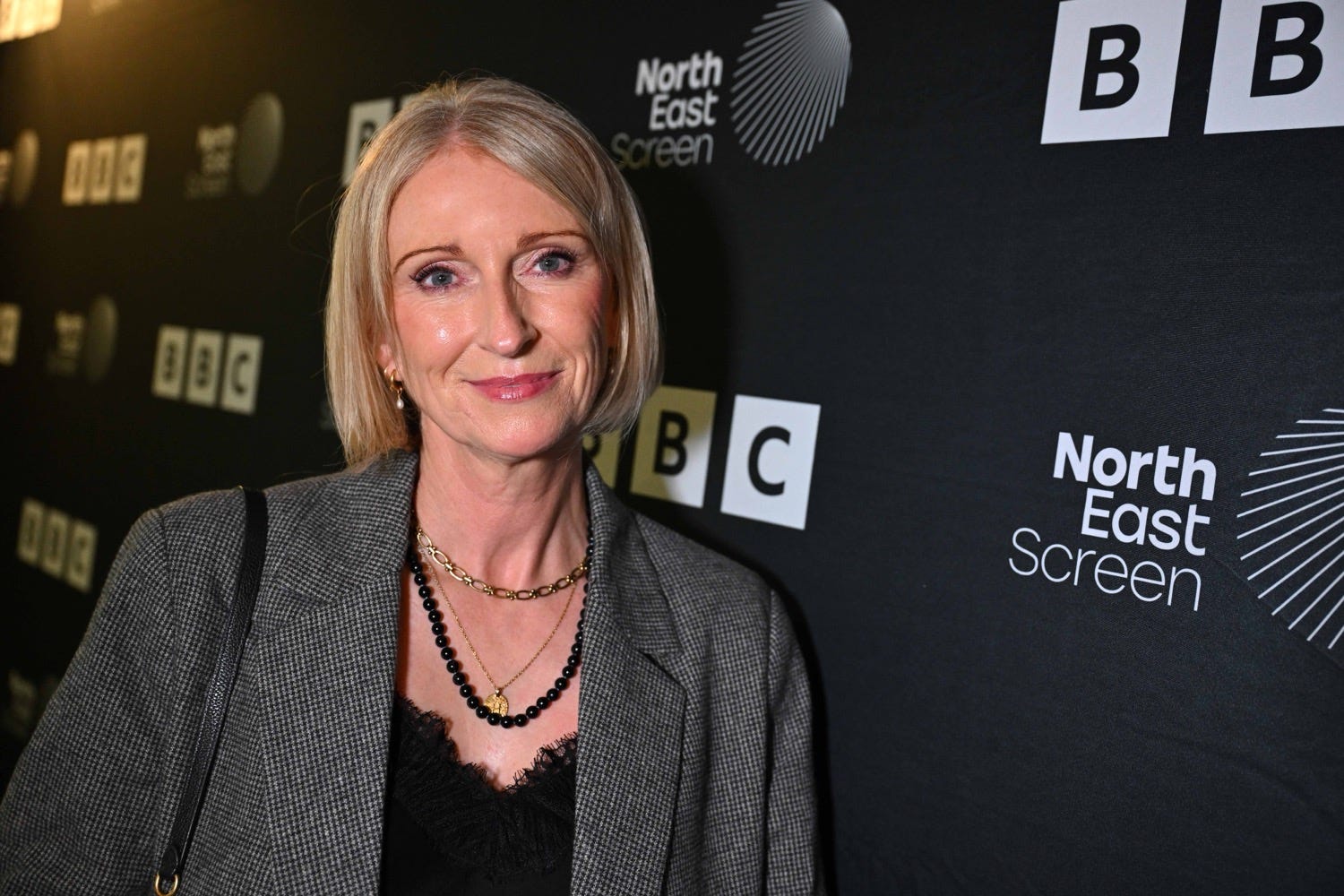
Working closely with those deciding which programmes should be made, gradually drew her towards commissioning and taking on those responsibilities herself.
When an opportunity arose in 2021 for a commissioner to be based outside London, Helen had a particular destination in mind.
Almost three decades after leaving the North East, she is now a BBC commissioner for daytime and early peak, responsible for programmes including Strictly: It Takes Two, Father Brown and Shakespeare and Hathaway.
More importantly for the North East, she’s doing that job from home.
Her return coincided with the BBC’s decision to earmark the region for investment and production. For Helen, it was an opportunity to address the lack of opportunities that had prompted her own departure.
“I moved down to London. I had the emotional and probably financial backing of my parents if it all went wrong. But not everybody has that,” she says.
Helen wanted to help talented people build careers without having to move away. Five years on, there’s growing evidence that things are changing.
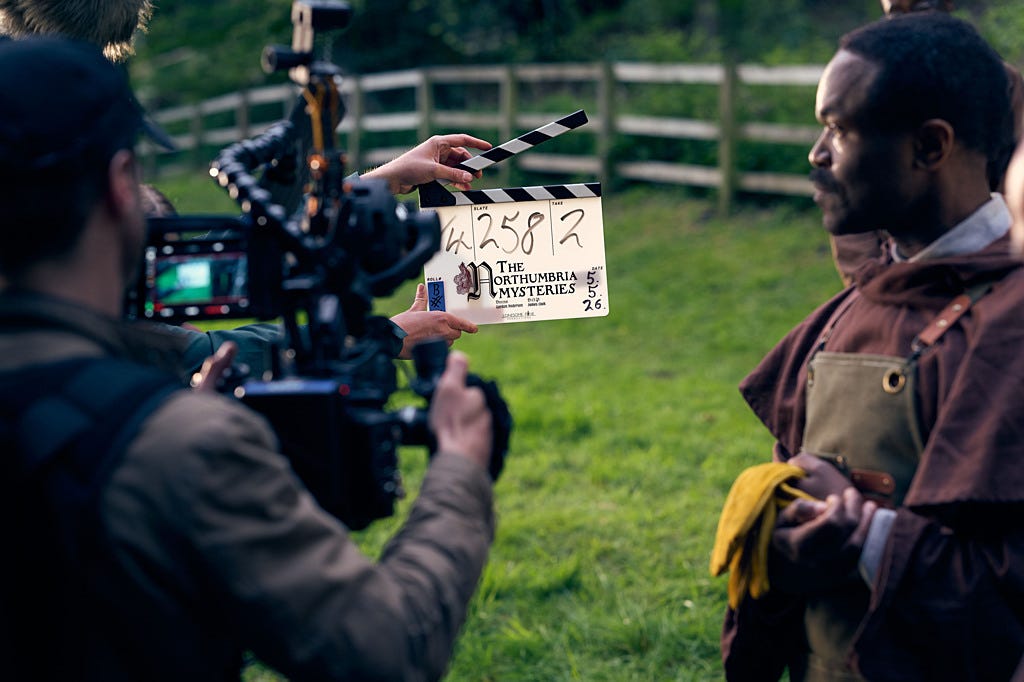
Perhaps the most visible example arrives on BBC One this afternoon (October 23), when The Northumbria Mysteries makes its debut.
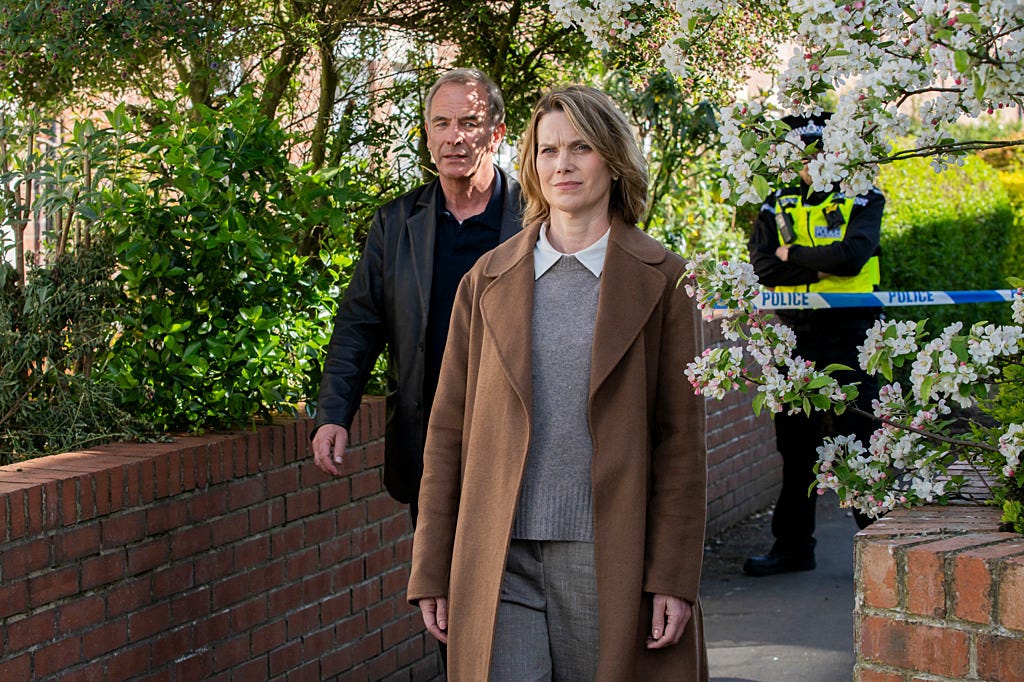
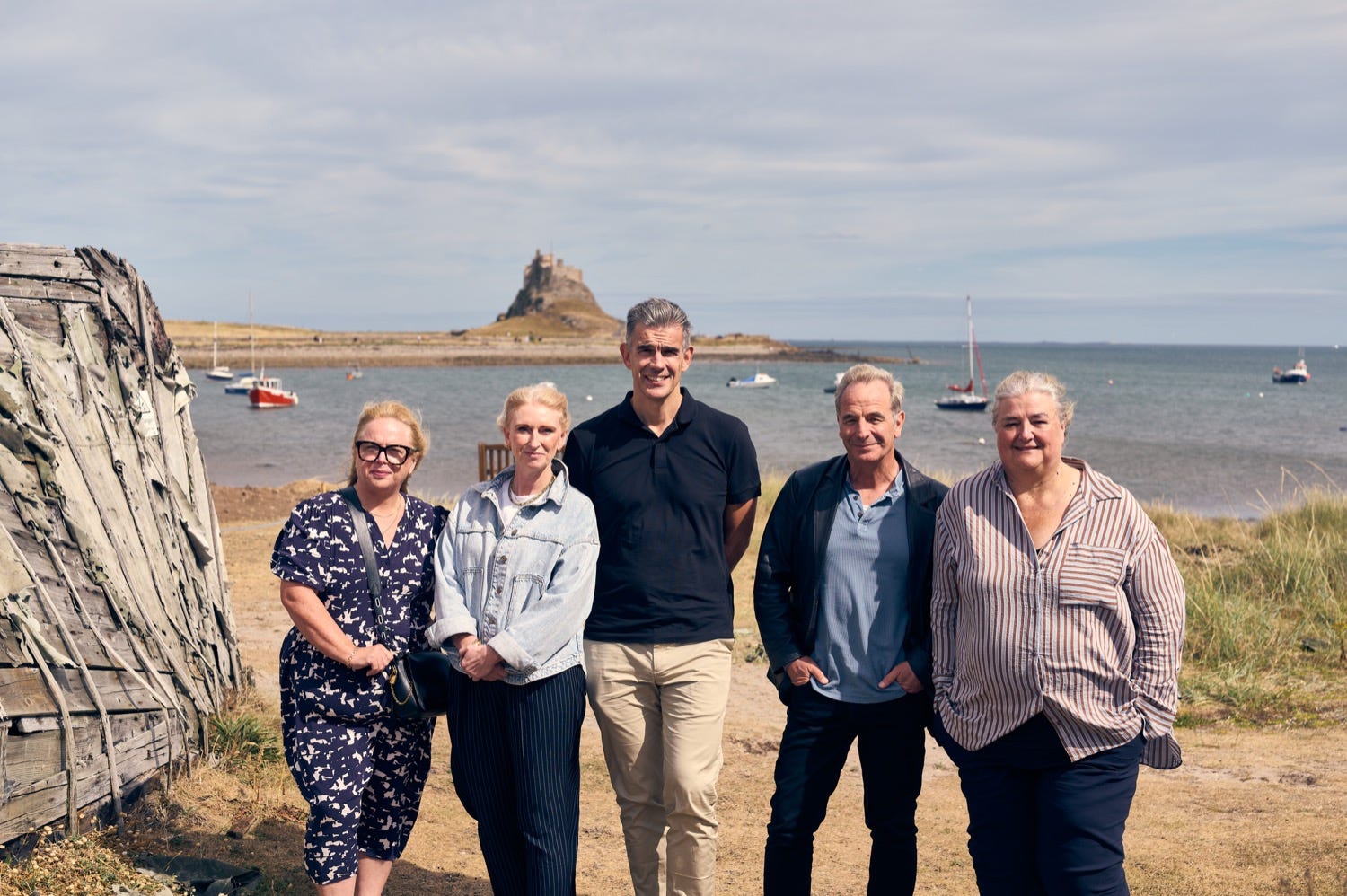
The eight-part crime drama stars Robson Green and Liz White, was filmed in Northumberland and comes from Lonesome Pine, the North East production company headed by Lesley Douglas - another returning North Easterner making things happen.
Helen and Lesley had been talking since their respective returns, sharing an ambition to build the region’s television industry. Lonesome Pine’s track record of delivering Channel 5 dramas, including The Feud and The Fortune, with predominantly local crews gave Helen the confidence that the next BBC daytime staple could come from a North East stable.
The result is a network drama employing regional talent, showcasing Northumberland and potentially establishing a returning production providing work for years.
Whether The Northumbria Mysteries gets another series will depend on its reception. But the hope is very much that it will return.
“If you can make something, and it’s a returner, and then you can employ those people every year for X amount of months, and also see their progression across those series,” says Helen. “That’s the idea.”
It’s an approach with a track record.
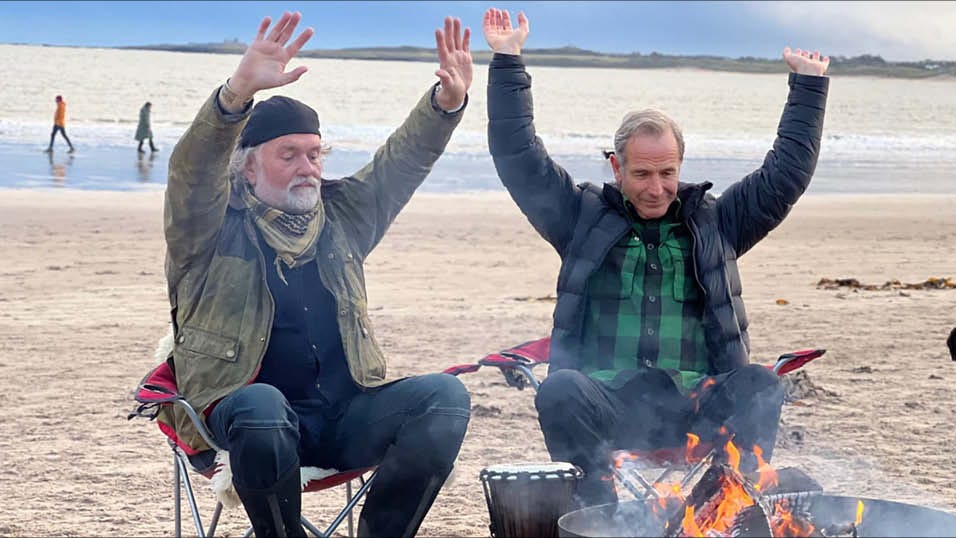
Robson Green’s Weekend Escapes, a co-production between Rivers Meet and Signpost, has completed four series, providing employment and opportunities to progress from researcher to assistant producer and beyond.
Signpost has since won a competitive tender to produce the BBC’s long-running See Hear, while another Robson Green series, Growing Home, is in production.
For Helen, building a television industry means helping companies develop the experience, reputation and regular work to grow, rather than celebrating individual commissions.
And having a commissioner based in the North East makes a difference.
While Helen’s role is national - she works with companies across the UK, travels regularly to London and oversees programmes in several genres - being based here means she can meet local producers, discuss ideas, explain what the BBC wants and introduce them to commissioners they might otherwise struggle to reach.
“I think it just really helps having a commissioner in the region to champion companies,” she says simply.
Many conversations happen over coffee, helping businesses understand how to develop ideas and where to direct them. Money matters, certainly… but so does knowing who to approach and how to turn an idea into something a broadcaster might commission.
“It’s about making sure that individuals and companies here have the ambition to think big and to be making network programmes,” she says.
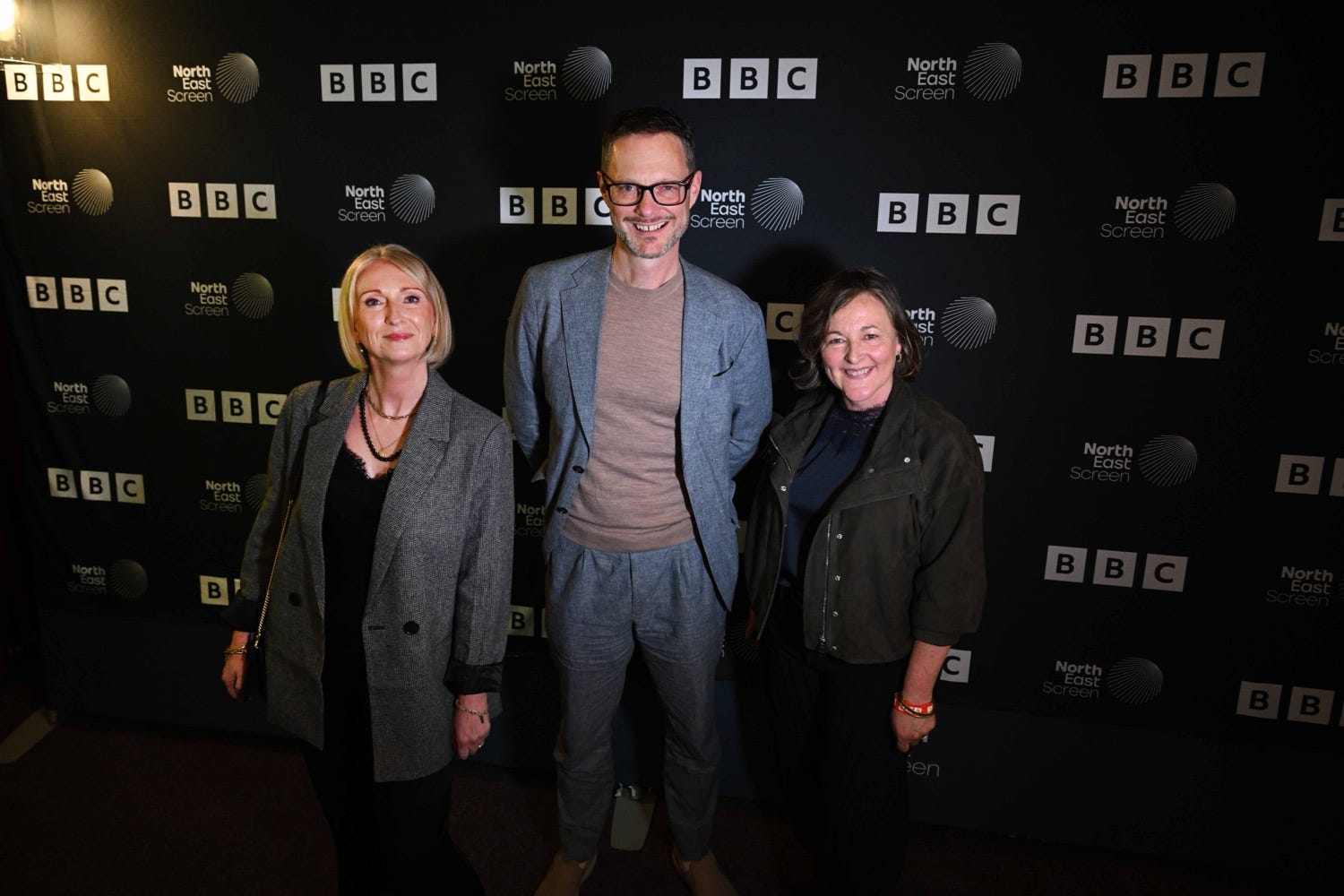
That ambition is shared by the North East Screen Industries Partnership, delivered by North East Screen, which has spent several years developing the region’s production infrastructure, funding pot, skills and businesses.
Its partnership with the BBC has been central to that work. Having already met its original target of £25m in network television commissioning spend since 2021, the corporation has extended its agreement with the region until the end of 2027, committing a further £15m and taking its minimum investment to £40m.
One of Helen’s priorities has been helping smaller businesses take their first steps into national television.
Through an initiative involving Morning Live, three North East companies - Middlesbrough’s Wander, Sunderland’s Second Draft and Hartlepool’s Sea & Sky - were commissioned to produce short films, which provided an introduction to editorial briefs, deadlines, contracts and BBC requirements.
It also led to more work.
Wander and Sea & Sky subsequently secured commissions for The One Show, alongside North Star, which delivered its first film for the programme, showcasing the Turner Prize coming to Middlesbrough.
It’s gradual progress (sometimes frustratingly so for those involved, Helen acknowledges), but this is all about building something for the long term.
Having delivered short films, companies are better placed to compete for larger commissions and approach other broadcasters.
And Helen is perfectly happy when that happens.
“The brilliant thing is that they have now got the confidence and also the track record to be speaking to other broadcasters as well as the BBC, which is so important when it comes to sustaining a business.”
There’s a similar emphasis on collaboration - illustrated nicely with the BBC’s digital accelerator programme, which is helping four North East production businesses explore opportunities beyond traditional broadcasting.
“One of the things when I first came here five years ago was about making sure that companies collaborate, because that didn’t feel like it was happening,” Helen says.
She points to companies now recommending researchers, assistant producers and other crew members to each other, rather than guarding contacts.
“Of course there is competition in that you’re competing for business, but at some point you need to come together to create a critical mass.”
“It feels like we’re at the start of everything,” she continues. “We’ve got factual entertainment going on at volume. We’ve got drama happening and then we’ve also got the digital accelerator programme going on. It feels like we’re sort of covering all bases at the moment, which is exciting.”
Against a challenging backdrop across the television industry, the region’s progress feels promising.
Hopefully the next young TV obsessive in the North East (scrolling through streaming services rather than highlighting the Radio Times), won’t assume that a career in the industry has to begin with a train ticket to London.
Series one of The Northumbria Mysteries started at 2pm yesterday (October 23), and the first four episodes are now available on BBC iPlayer.