



There are photographs on our hallway wall which have been there for years.
In one, our son is on the People’s Theatre stage, belting out a number from We Will Rock You when he was probably around 11. In another, his younger sister is setting new records for cute in leopard-print for a production of The Lion King.
Nearly a decade later, the whole family can still do the dance from that particular production. In the privacy of our own kitchen, obviously.
Both kids spent years attending Saturday classes at what was then Sage Academy in Newcastle. Neither is pursuing a career in performing arts, but the confidence they gained, the friendships they made and the experience of working together towards performances have stayed with them.
And as what is now SA Performing Arts celebrates its 25th anniversary, I’m reminded that the measure of a stage school isn’t necessarily how many famous faces it produces.
Although, as it happens, SA has a growing collection of those too.
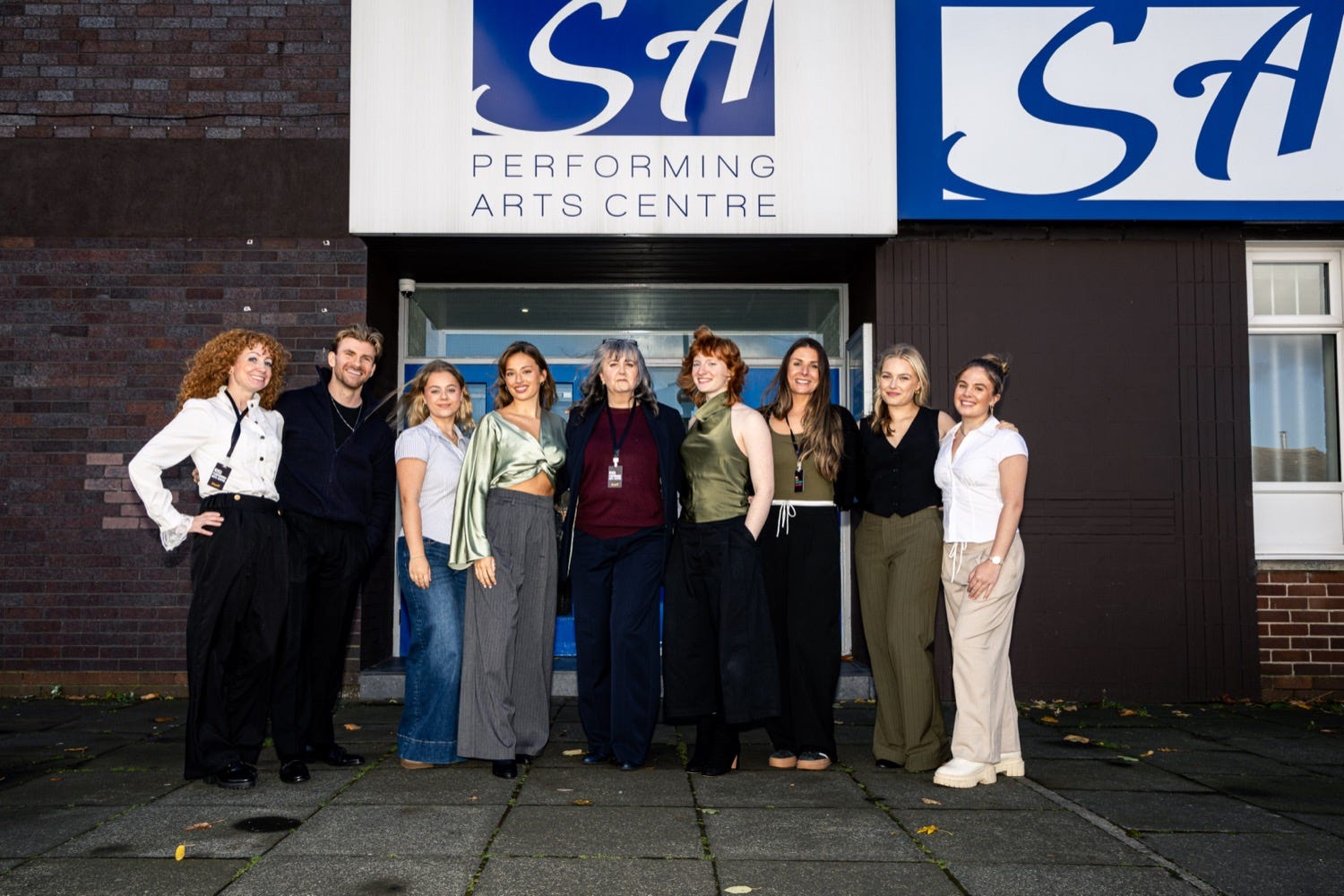
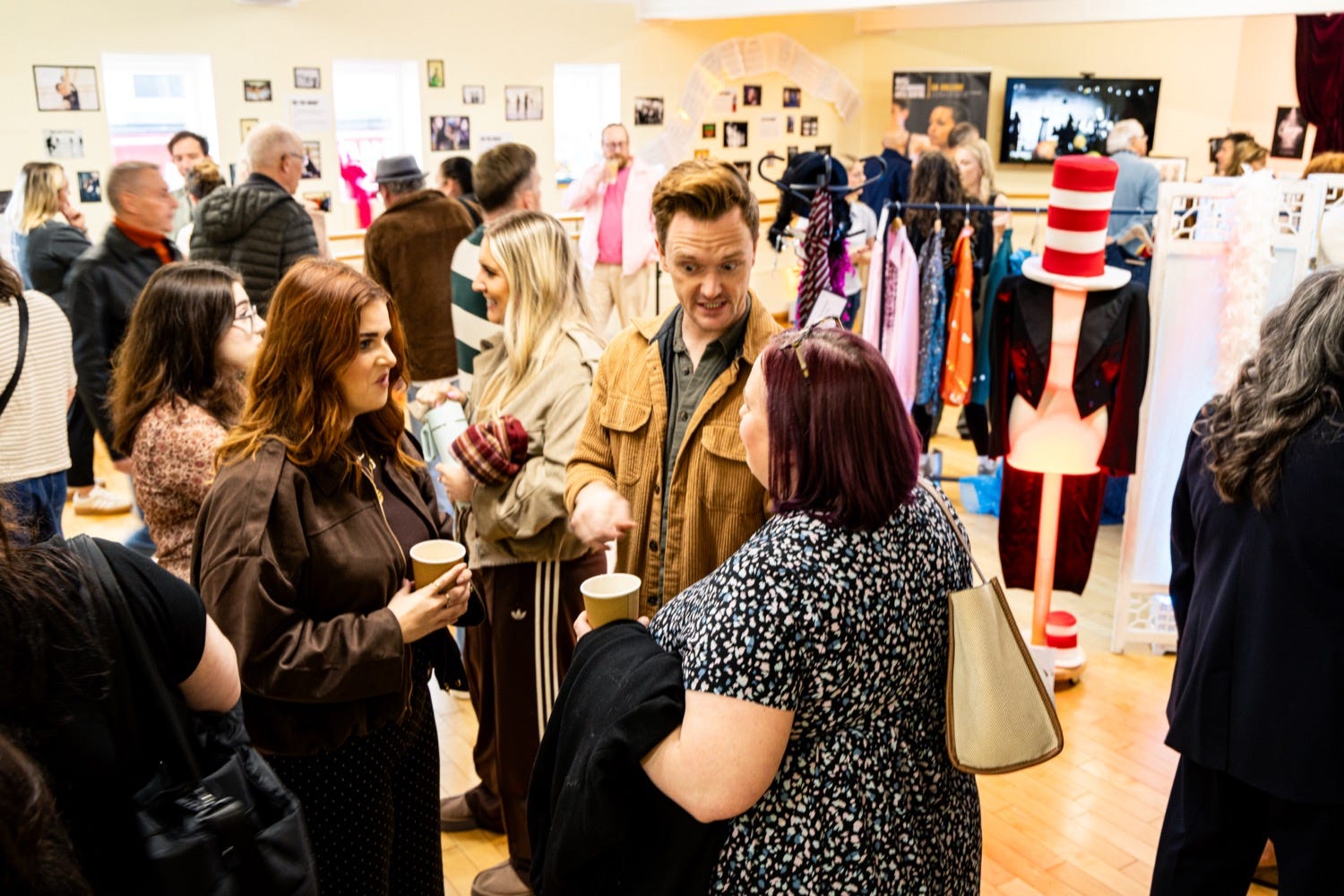
Its big birthday was marked this week with a celebration which brought together students, graduates, teachers and supporters for performances, speeches and a look back at everything which has been achieved.
There were messages of congratulations from Sting and Tim Healy, along with announcements looking to the centre’s future and plenty of evidence of how far some of its former students have travelled.
Among them was Jada Langley, whose latest career move is particularly well timed for the anniversary.
The 20-year-old from Washington, near Sunderland, is about to appear in Lego Friends: Heartlake the Musical, a new live-action musical feature arriving on Netflix on Friday (October 16).
Produced by High School Musical director Kenny Ortega, it stars Jada alongside British actor Gino Ochello and represents a significant breakthrough for someone who, just a few years ago, wasn’t sure a professional acting career was even possible.
Jada had appeared on The Voice Kids at 15 and The Voice at 16, but had no formal performing arts training when a secondary school teacher encouraged her to audition for SA’s full-time course.
She arrived as a singer who had never studied acting or dance. She graduated in 2025 and has since joined the UK tour of Sunny Afternoon, the Olivier Award-winning show celebrating the music of The Kinks as well as signing on for the big Netflix show.
“Landing this role still hasn’t sunk in, it’s like a dream. I absolutely love being in front of a camera, so I’m hoping this is just the start,” says Jada.
“I never thought being an actor would be possible. SA Performing Arts literally changed my life - I can’t even think about what it would look like if I hadn’t gone. Now I get to call myself an actor. That’s my job, and I never thought that would happen.”

For founder and principal Lucy Sage, stories like Jada’s are precisely why she established the school in 2001.
Having left her childhood home in Morpeth to train at Italia Conti in London at the age of 13, Lucy went on to work as a performer and teacher before deciding to return to her native North East.
She had a clear idea of what she wanted to offer.
“I wanted to give students professional training at a level that they can go into the industry and work while staying in the North East, not having to leave the area,” she says. “That was my ethos from day one.”
The first classes took place on October 13, 2001, when 30 youngsters arrived for Saturday morning sessions. Last weekend, more than 400 attended the youth academy across Saturday mornings, Saturday afternoons and Sundays. Maths isn’t my strong point, but that’s a pretty impressive uplift.
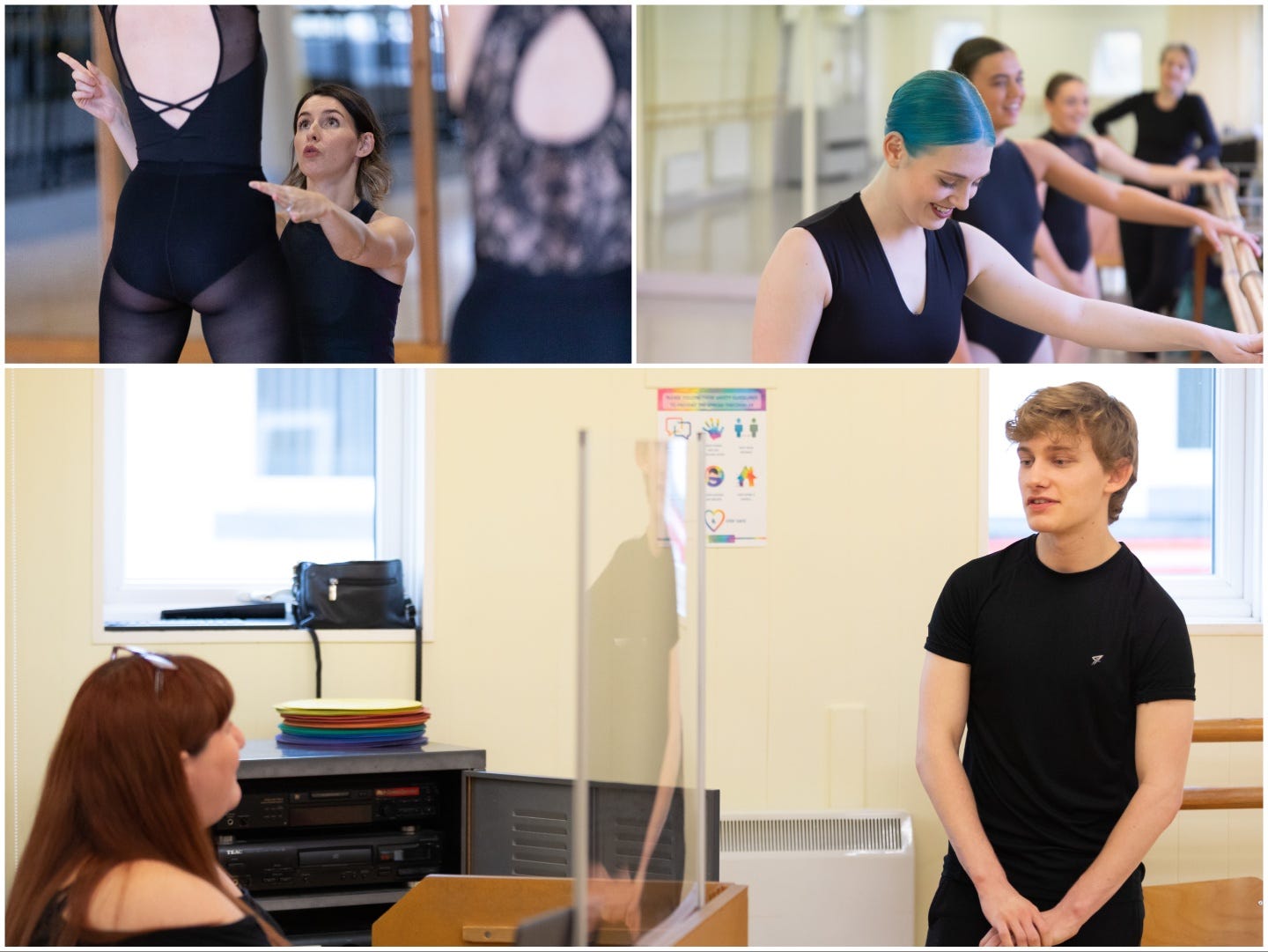
A full-time vocational college was added to the mix a year after opening, and the organisation has since developed a talent agency representing young performers working in theatre, television and film.
The agency is run by Lou Coel, who was among the first students to enrol on the full-time course in 2002. She took charge of that side of the business before Covid and has since helped develop it into an international operation, with clients working across the world.
Thousands of young people have passed through the SA centre doors. And those doors have always been in Byker.
Lucy recalls looking for premises large enough to accommodate the studios and facilities she envisaged, somewhere accessible from across the region without the difficulties of a city-centre location.
The former Hibernian social club building offered the answer.
“We took that old club and gave it life again,” she says.
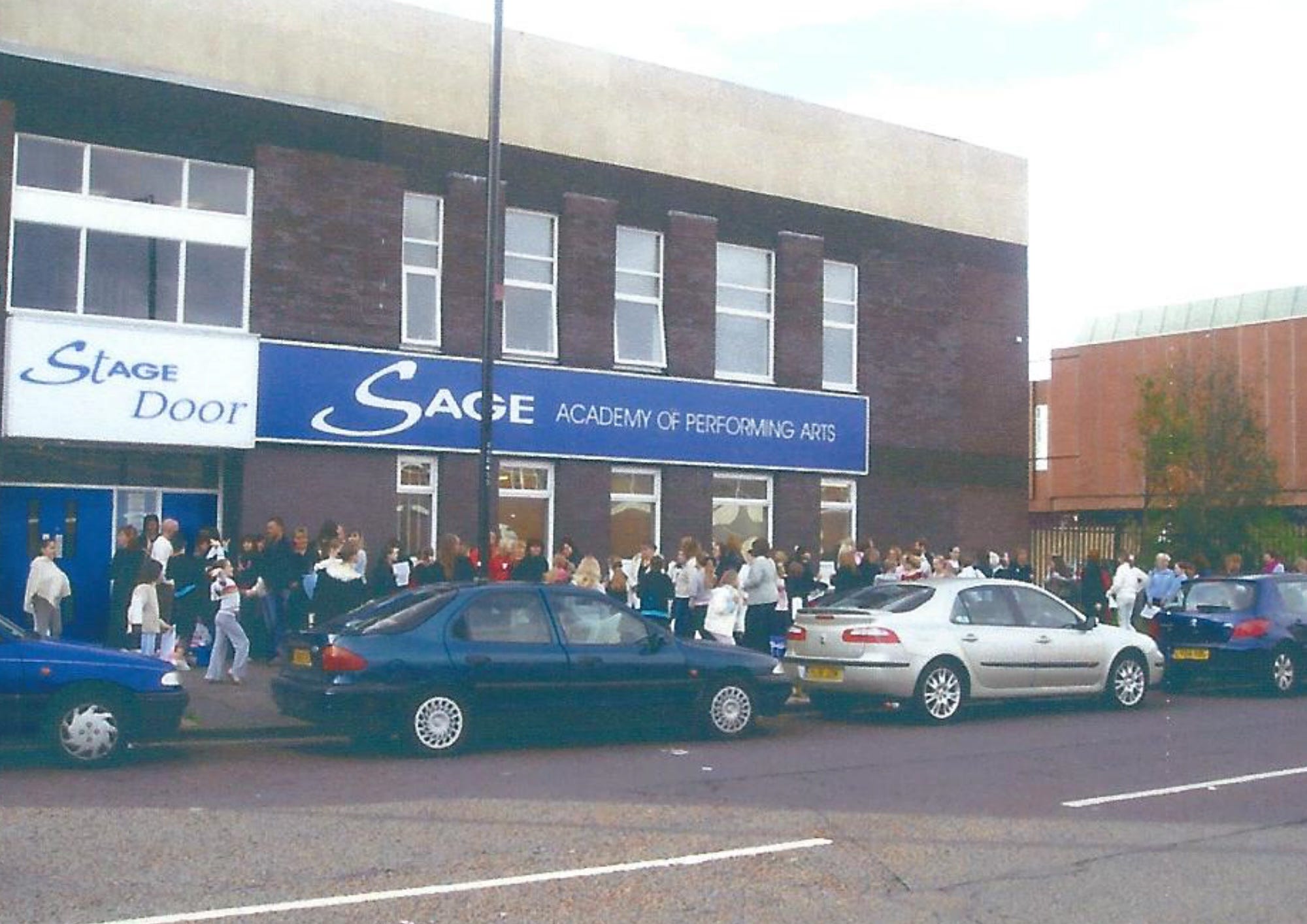
Over the years, the industry has come knocking too, with casting teams using the academy to audition young performers. Among the photographs in SA's anniversary archive are images of youngsters queuing to audition for Billy Elliot the Musical – which is celebrating its own 20th anniversary with a tour arriving at Sunderland Empire next month.
SA students have also been a regular presence in the much-loved Sunday for Sammy concerts, sharing the stage with some of the region's best-known performers.
The wider performing arts industry has changed considerably during its 25 years, not least in its relationship with London.
When Lucy was auditioning for Italia Conti as a 12-year-old, she remembers being asked: ‘Darling, what are you going to do with that accent?’
“They told me I’d have to get rid of that or I’d never work,” she says, recalling a time when young performers were routinely trained to sound alike.
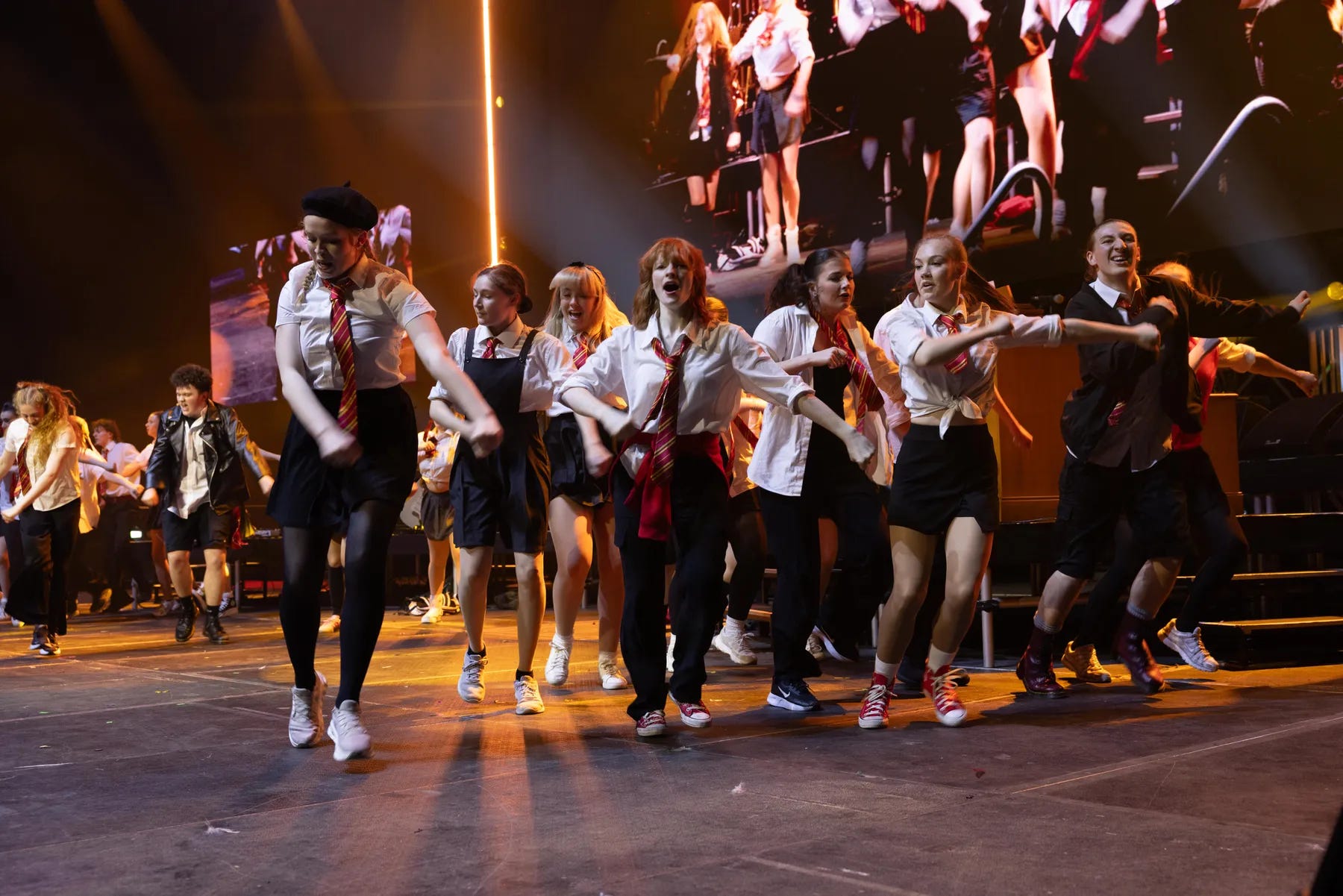
Lucy and her director of education, Sarah Hamilton, are both pleased to report that is no longer the case.
They say individuality and regional voices are increasingly valued, while the growth of production outside the capital and the widespread use of self-taped auditions have opened opportunities for performers who choose to remain in the North East.
The financial argument is considerable too.
Sending a 16-year-old to London for training can involve substantial accommodation and living costs, quite apart from the emotional demands of leaving home so young. SA offers an alternative, with vocational qualifications and industry-focused training delivered locally.
Sarah is also keen to stress that the college isn’t simply trying to replicate the big London institutions on a smaller scale. Its approach is deliberately different.
Full-time year groups are capped at 15 students, and even that number isn’t treated as a target.
“We can’t diversify and adapt with them and let them grow into the individuals we want them to be if there’s 50 of them,” Sarah explains.
The small cohorts allow staff to identify individual strengths and shape training around the students they have, rather than forcing everyone towards the same kind of career.
That might mean musical theatre, screen acting, choreography, teaching or another corner of an industry in which steady employment is never guaranteed.
Lucy and Sarah are realistic about that. Students learn about the practicalities of making a living, including developing additional skills which can support them between contracts. And the success stories have been arriving for years.
Alana Wallace was one of the original 30 Saturday students. She subsequently completed the college course and went on to perform on world and arena tours, dance at the BRIT Awards and build a career which currently finds her working in broadcasting in Dubai.
Another graduate, Sean Moon, developed a particular talent for choreography and has gone on to work internationally, including on Strictly Come Dancing and on the recent West End production of Gerry and Sewell.
Others have built careers on stage, in television, on cruise ships and in arts education. One former student recently returned to visit having been named entertainment director of the year by Carnival Cruises.
There are also graduates now employing other graduates, something Lucy particularly enjoys seeing.
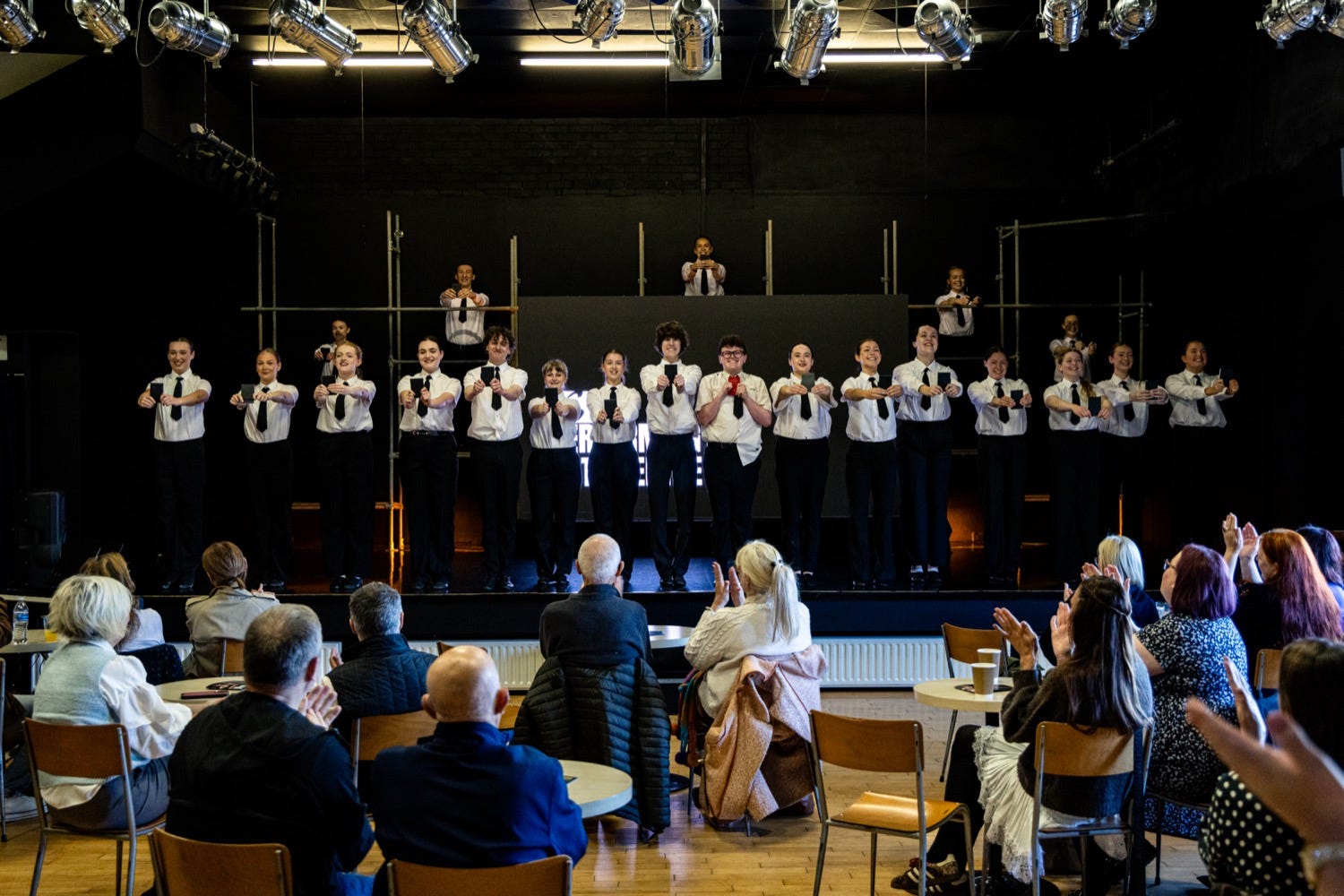
Back at Tuesday’s anniversary celebration, that growing network of former students was well represented.
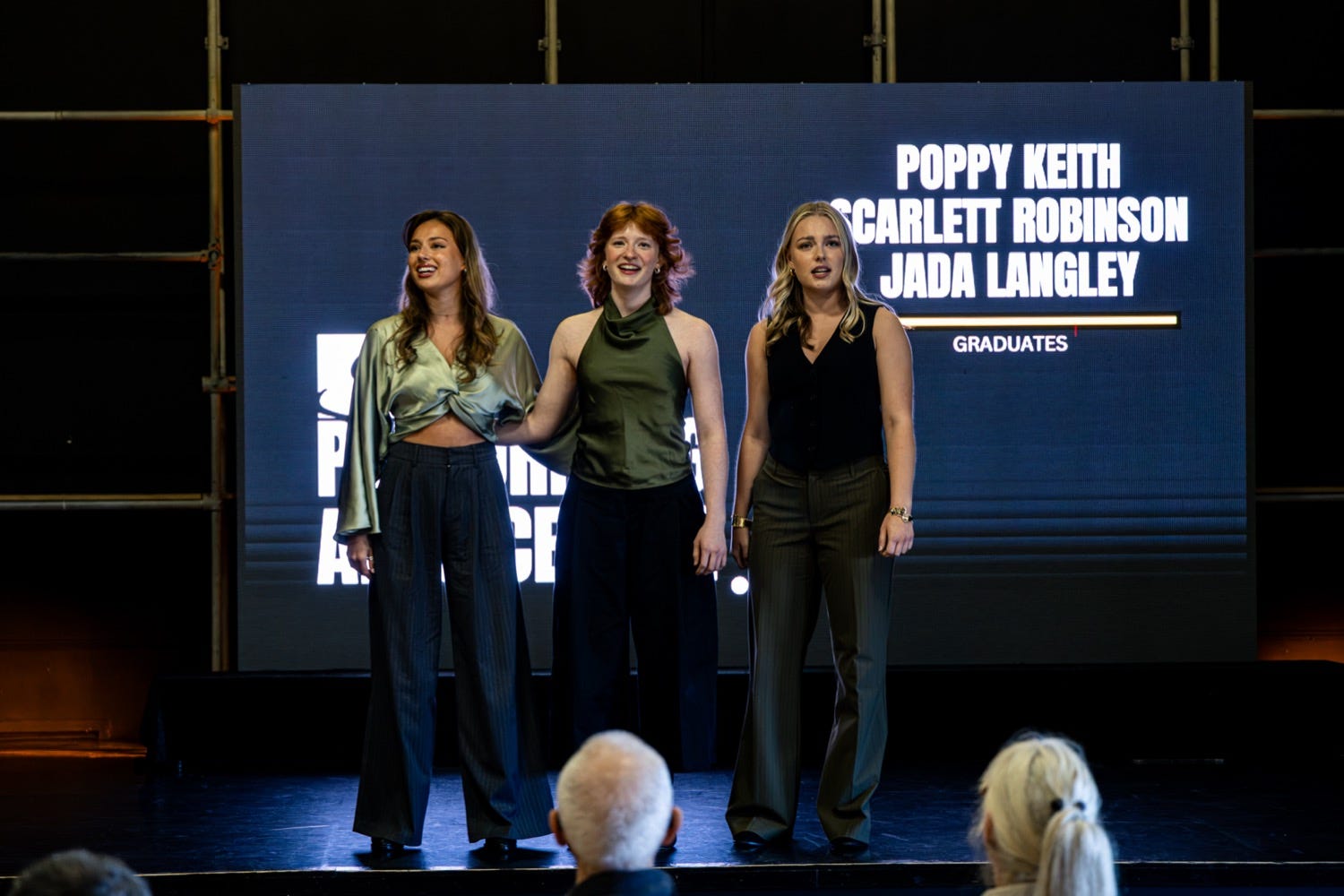
Current students and graduates performed, with Jada joining Poppy Keith and Scarlett Robinson for a number from The Witches of Eastwick.
Actors Sam Lupton, Chelsea Halfpenny and Jordan Todd were announced as new patrons, joining supporters including Wallsend-born international theatre producer Michael Harrison.
A new ambassador programme will help maintain connections with graduates working across the industry.
The aforementioned congratulatory message from Sting offered a wider reflection on the value of arts education.
“The arts can be seen by many as a luxury but they’re part of what gives a community its heart,” he said. “The work they do isn’t simply about teaching students how to perform, they help young people to build confidence and learn about teamwork.”
It’s a sentiment which chimes with Lucy’s approach to the weekend academy, where the emphasis is less on preparing future professionals than on what young people can gain from performing, regardless of where their lives take them.
For the hundreds of young people who attend, performing is only part of the experience. Learning to express themselves, work collaboratively, respond to challenges and feel comfortable in unfamiliar situations are all part of an education whose benefits extend well beyond the stage.
Sarah believes these qualities are increasingly valuable, whatever path young people eventually choose. And over the past 25 years, SA has helped thousands develop them.
Some, like Jada, will go on to see their names in lights (and rolling in the credits). For others, their time at SA will influence their lives in less obvious, but no less important, ways.
Which brings me back to where we began. A few weeks ago, I dropped Fred off in Sheffield to begin his physics degree. By the end of Freshers’ Week, he’d already auditioned for the university’s theatre society.
Perhaps there’ll be a few more on-stage photographs for the hallway yet.