

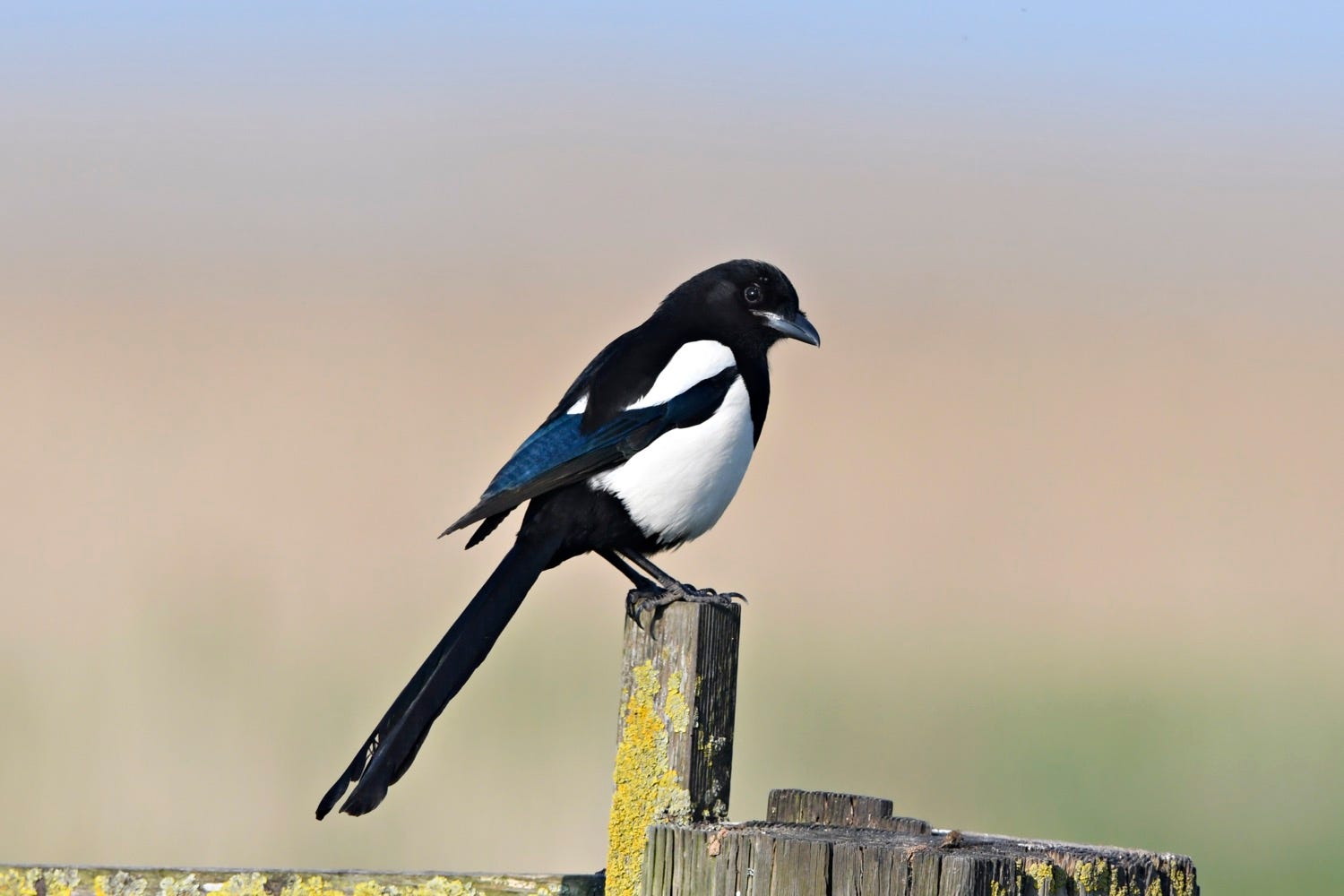
Thousands of participants in the North East will be taking part soon in the world’s largest garden wildlife survey.
The RSPB’s Big Garden Birdwatch takes place on January 23, 24 and 25, with spotters spending an hour watching and counting the birds in their garden, allotment, balcony or local park, then reporting their results.
Last year 4,500 took part in County Durham, 3,500 on Tyne and Wear and 2,500 in Northumberland.
Nationally nearly 600,000 people participated in 2025, counting more than nine million birds.
There’s still time to register to take part (until January 22) and receive a free postal or digital Big Garden Birdwatch guide, which includes bird identification. To get amongst it, call 0800 473 0251, text BIRD to 84901, or visit www.rspb.org.uk/birdwatch.
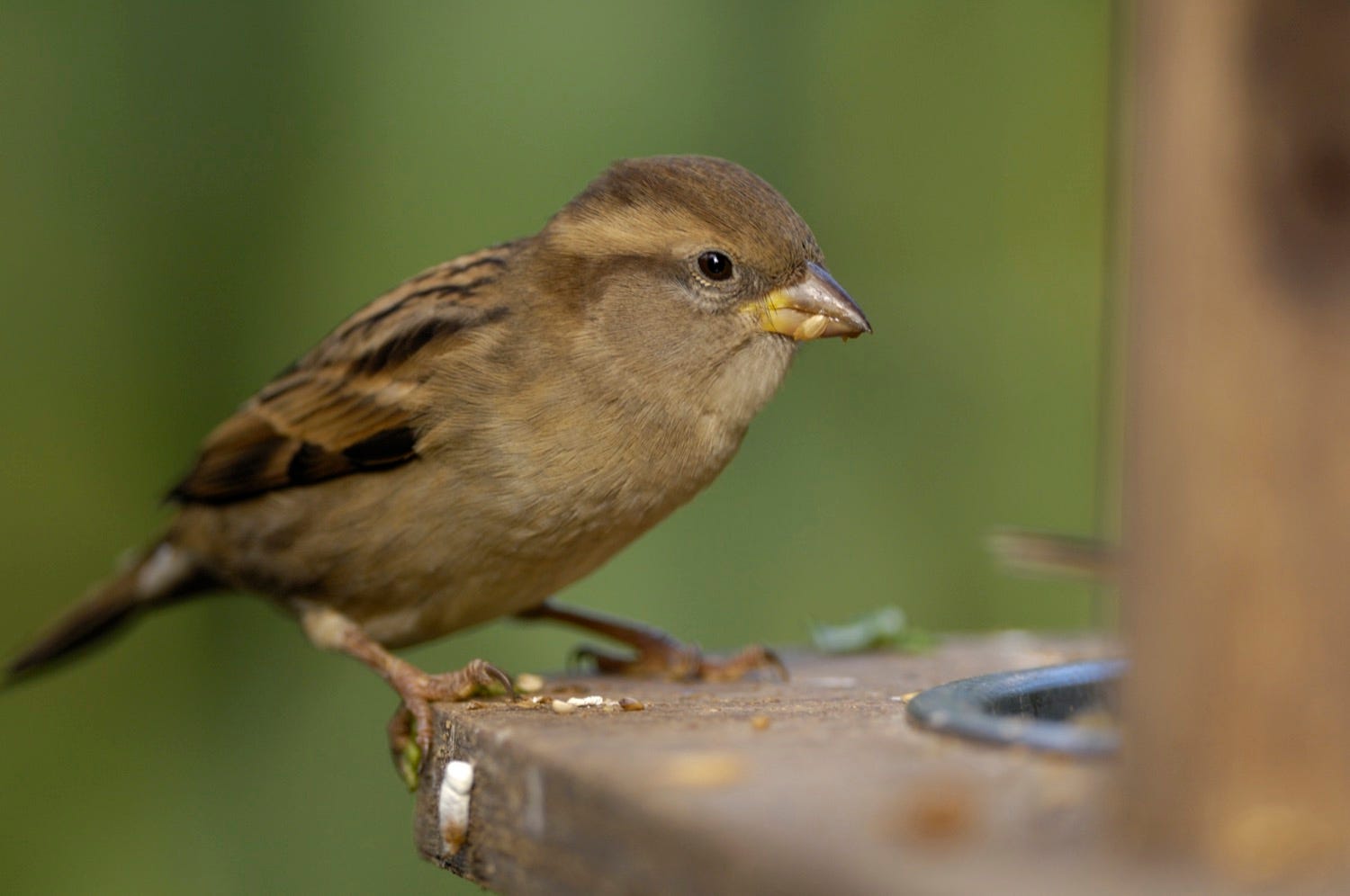
Participants will be advised to watch the birds for one hour at some point over the three days and only count the birds that land, not those flying over. They should then record the highest number of each bird species they see at any one time – not the total seen in the hour – and send results to the RSPB.
The Birdwatch, which started in 1979, gives the RSPB valuable data on how garden birds are faring in the UK. There have now been over seven million surveys over that time, more than 200 million birds have been counted and nearly 12.6 million hours spent watching and counting garden birds.
Beccy Speight, RSPB chief executive, said: “Every observation counts, even if you see nothing at all. Whether you live in a city or the countryside, anyone, anywhere, can take part.”
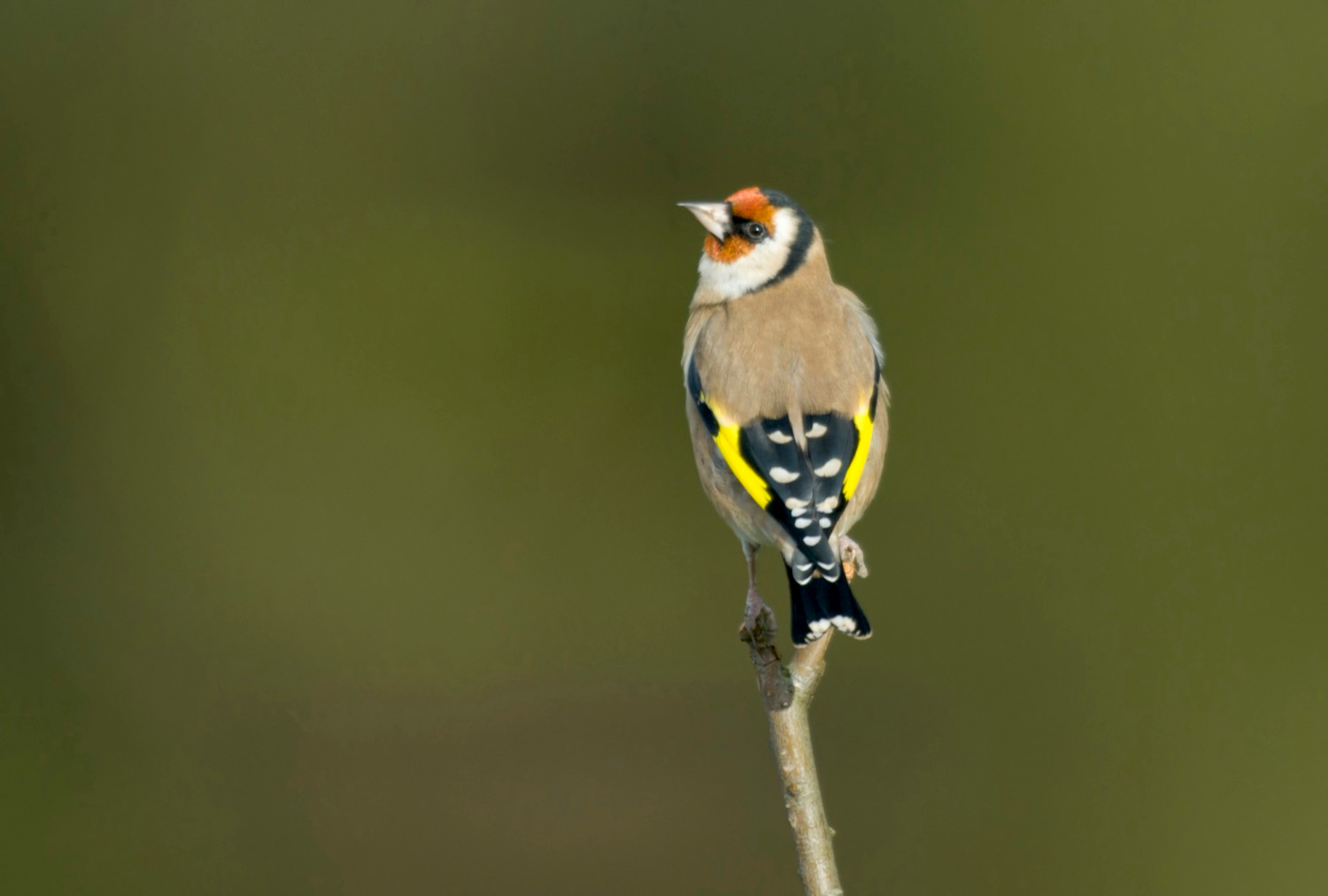
Last year’s results revealed that the house sparrow was the most commonly spotted bird, with the blue tit at number two and woodpigeon third. The starling and the blackbird made up the top five most recorded species.
Average numbers of house sparrow have fallen 64% since the first Big Garden Birdwatch in 1979. The starling breeding population declined by 82% between 1970 and 2022, and in 2025 numbers fell by a further 6% to the lowest average count ever recorded.
The breeding starling population in the North East dropped by 56% between 1995 and 2022.
The woodpigeon’s colonisation of urban areas was highlighted in last year’s results, with the species in third place in Tyne and Wear, ahead of the blackbird in fourth and blue tit in fifth, while the feral pigeon came sixth.