

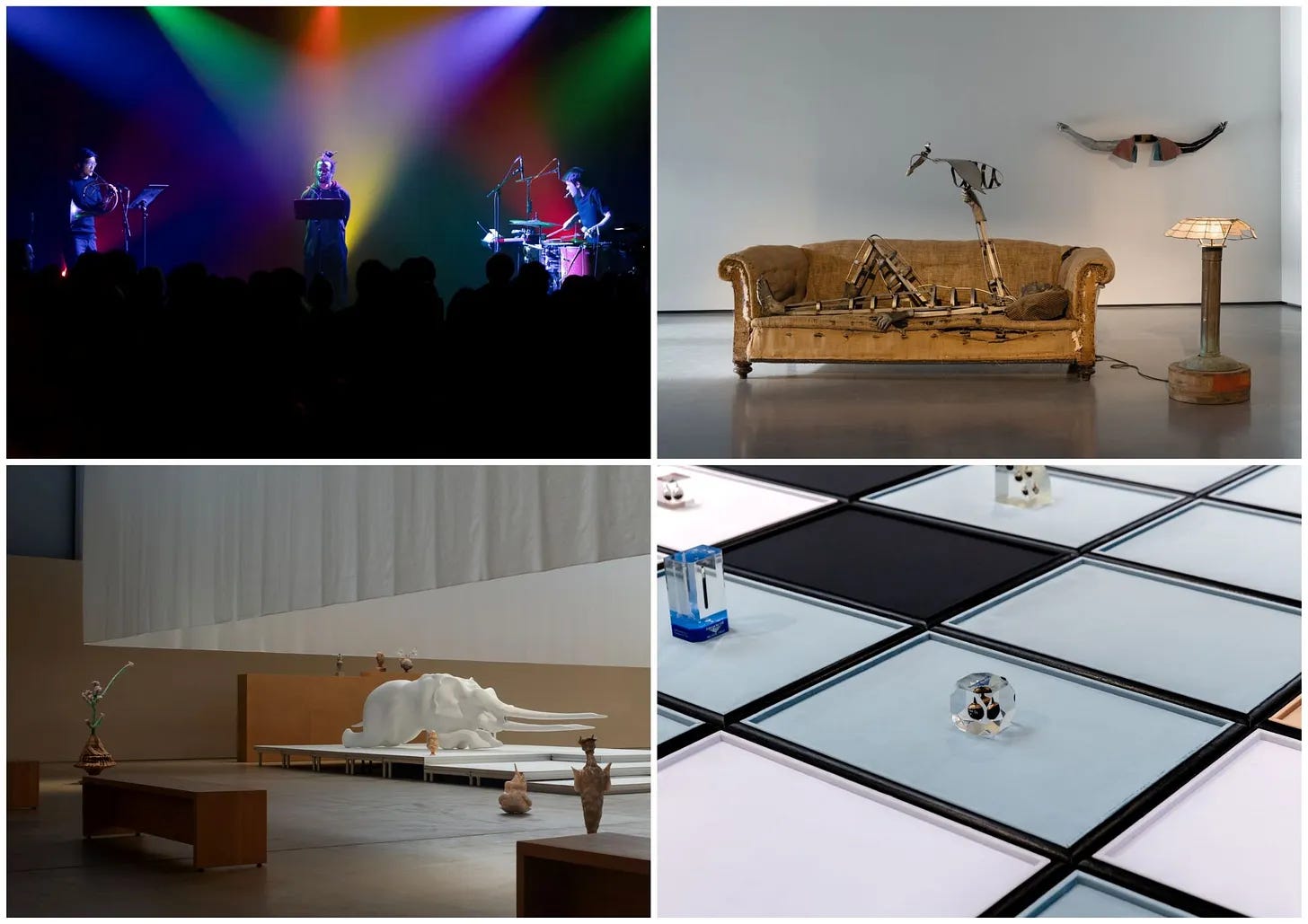
Artists invite us to look again at the world around us and to ask: what if? What if things could be understood differently or imagined anew?
There is a media image which I cannot forget. The camera pans slowly across the body of a woman, a body made large through exhaustion, poverty and unequal access to health. She is with her children and they too are filmed. Starting from behind, the camera surveys her body before it reaches her face. Only then is she invited to speak.
By that point, the story has already been told for her. Her body has been made into evidence. She herself has become evidence. Her children have become examples. She is not a credible witness but a character in a piece of theatre with a pre-determined plot.
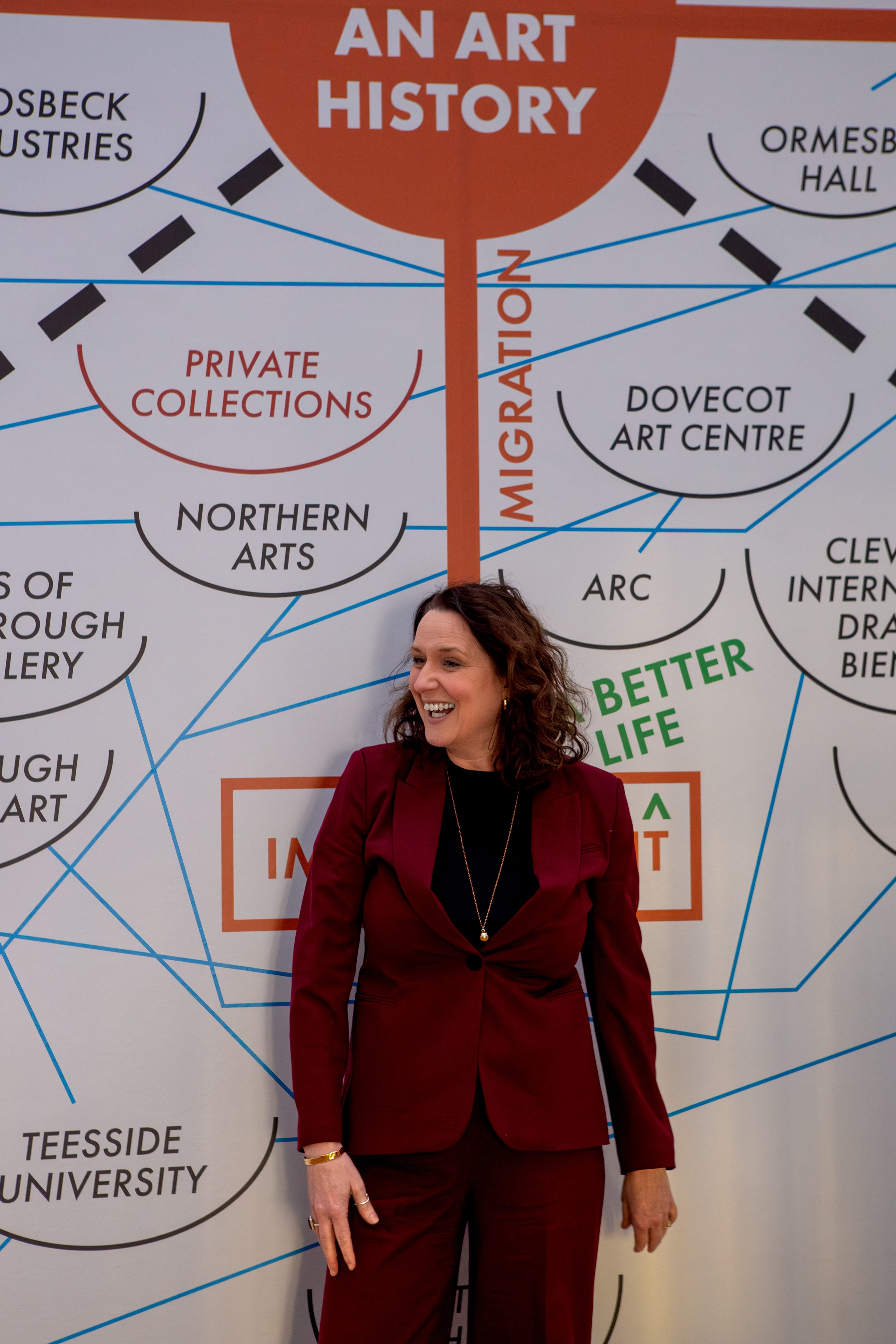
This is Middlesbrough as it is too often presented: stripped of complexity, observed from the outside. Across media coverage, government policy papers and academic research, Middlesbrough is reduced to data rather than heard and recognised as a voice. As a place, it is seen, measured and explained, but rarely allowed to speak.
When places become trapped inside these repetitions, deprivation begins to look like an innate characteristic instead of a consequence of political choices, economic structures and unequal investment. People are invited to perform their suffering for the attention of others, elsewhere. Complexity is edited out.
We need to change these hard-wired stories because they do not simply describe a place. They shape what its people, and everyone else, believe to be possible.
I have often been asked whether Turner Prize 2026 at MIMA offers a turning point. It does, but not because it gives Middlesbrough a voice. Middlesbrough already has many voices of its own. Nor do the four artists speak on Middlesbrough’s behalf. Their work raises questions that reach far beyond any single place.
Turner Prize 2026 is a turning point because it changes the location of the national conversation. Here, we can gather around the work. We can discuss, probe, critique and challenge. We can bring our own histories and experiences. Encounters between four - very different - artistic practices and the voices of Middlesbrough, Teesside and the North East will create meanings that would not arise in any other location.
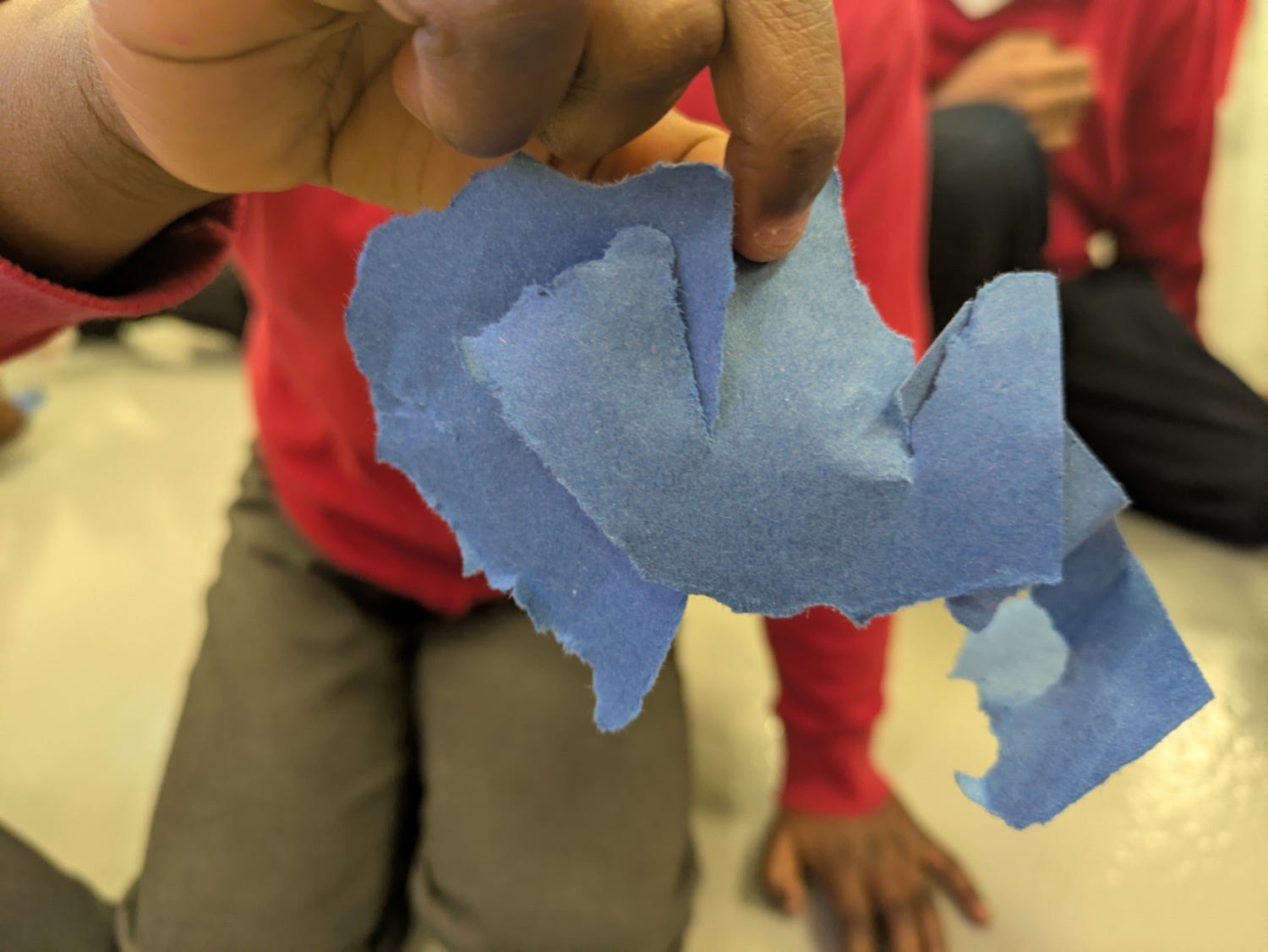
As part of Teesside University, MIMA lives in between art, learning and public life. Through Turner on Tees, we are connecting Turner Prize 2026 with schools, communities, artists and cultural organisations across the region. This does not turn Turner Prize 2026 into a platform for local voices. It creates the conditions for more people to enter the conversation, question its terms and decide for themselves what the work might mean.
That question, “what if?” is also central to Middlesbrough’s bid to become UK City of Culture 2029. What if national attention were not extracted from the difficulties of a place, but used to explore its possibilities? What if our new generations encountered Middlesbrough as a place from which art, ideas and futures will emerge?
Turner Prize 2026 will not solve the inequalities of this place. Art should not be asked to make that false promise. But art can interrupt the story. Art can ask, “what if?” In doing so, it can make many futures imaginable.
Turner Prize 2026 opens at MIMA on 26 September and runs until 29 March 2027. The four artists exhibiting are Simeon Barclay, Kira Freije, Marguerite Humeau and Tanoa Sasraku.
Dr Laura Sillars is Director of MIMA and Dean of Culture and Creativity at Teesside University.