

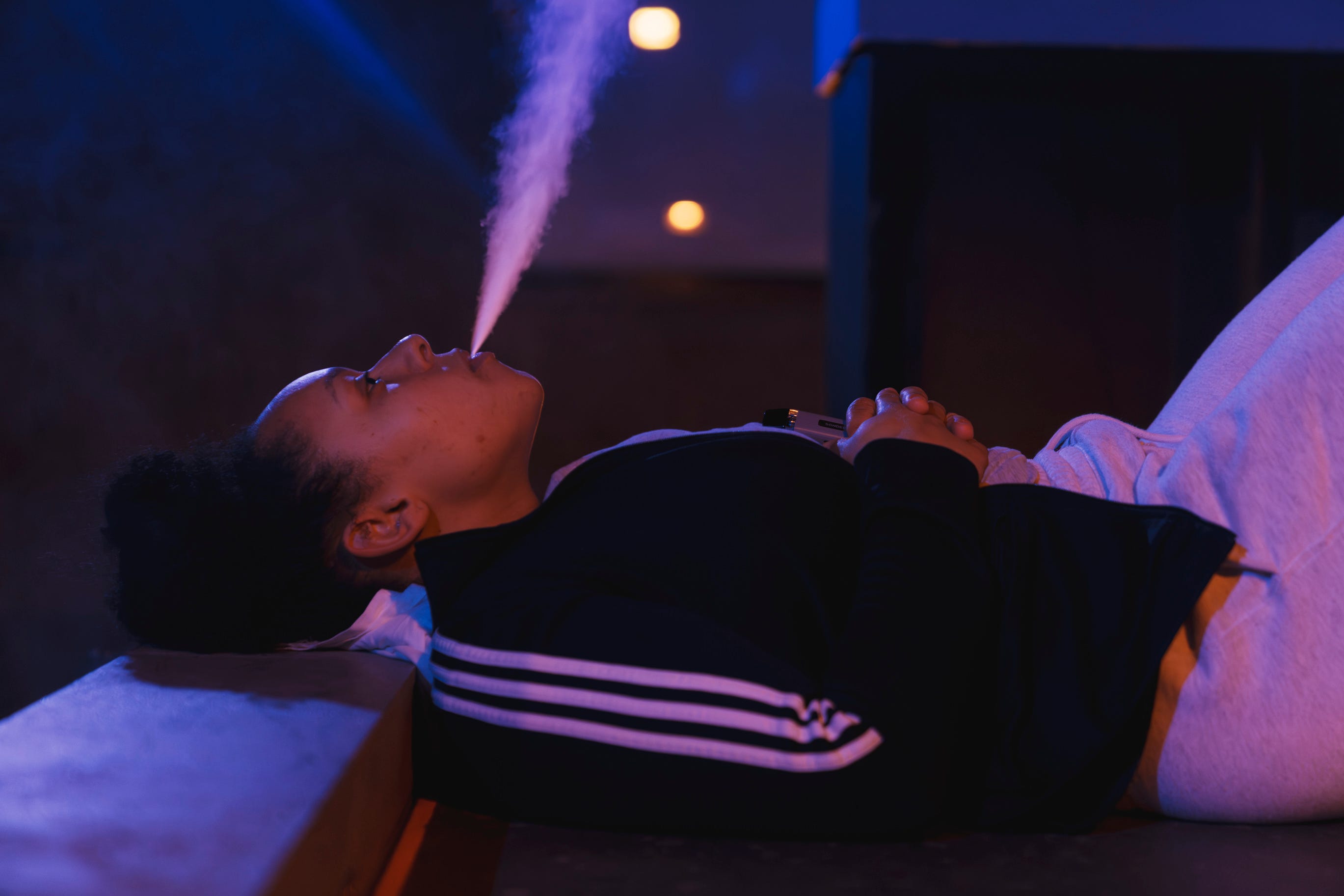
Open Clasp is a feminist theatre company based in a women’s centre in Newcastle, creating work with women to tell urgent, often unheard stories. For over two decades, our focus has been simple: make the best theatre we can and use it to create social change.
Our work inside prisons began in 2014, when we were commissioned to collaborate with women at HMP Low Newton. That first production, Key Change, travelled far beyond the prison walls - touring nationally, winning the Carol Tambor Best of Edinburgh award, transferring Off-Broadway to New York and being filmed for the BBC.
Since then, we have continued to work alongside women in prison, co-creating powerful, deeply personal productions Sugar and Don’t Forget The Birds. In 2022, a new collaboration brought a fresh and urgent focus.
We were invited by Dr Kate O’Brien and Dr Hannah King from Durham University to work with incarcerated mothers at HMP Low Newton as part of the Parental Rights in Prison Project (PRiP). Together, we set out to explore the experiences of mothers separated from their children through imprisonment.
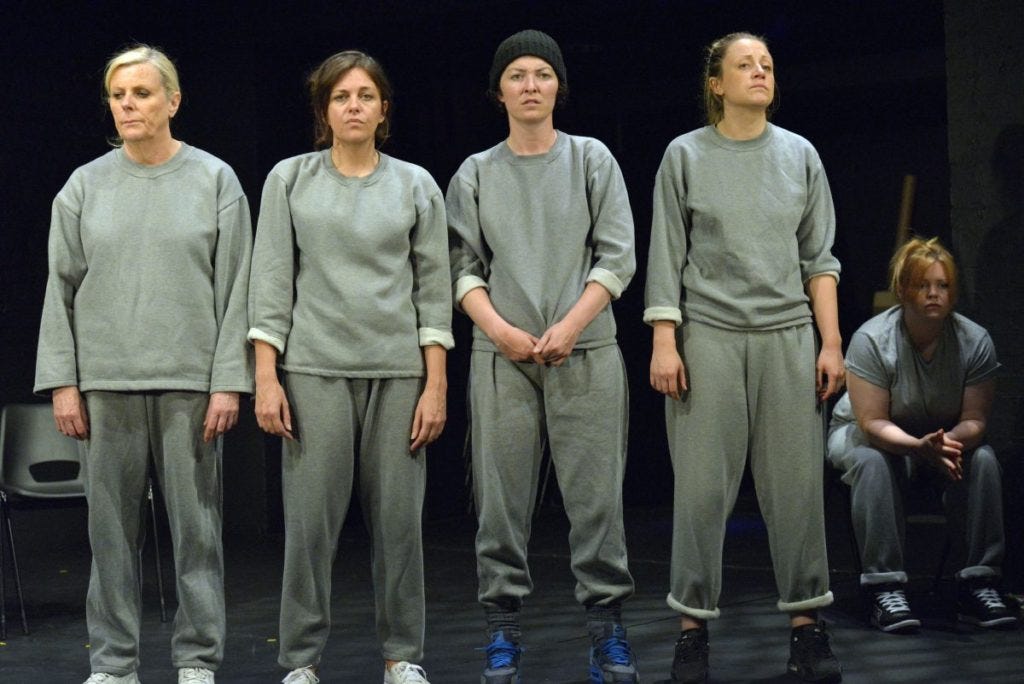
Each week, we gathered in the prison chapel. The workshops were creative, collaborative and led by the women themselves - experts in their own lives. Alongside the PRiP team and Holly Claydon, the project worker, we built a space where stories could be shared, questions asked, and experiences shaped into something collective.
The women created a character called Destiny.
Through her, they explored their own realities. They asked difficult, often painful questions:
How does she feel when her children are taken?
Where does it all begin? (“With a man,” they said.)
What happens to her body, her mind, her sense of self?
Does she scream at night?
Does she still lactate, buy baby powder even after her child has been adopted?
Why is there such a gap between Destiny and her children when she is in prison? Does she know her rights?
They spoke about photographs of their children going missing, or being returned torn in half. About not being able to say goodbye. About rage, trauma, and a profound lack of trust. They spoke about self-harm, about survival, about hope. They also spoke about the importance of connection - of that one worker who listens and understands. For many, that person was Holly.
They wrote letters to their children. They sang. They laughed. They took risks. They created.
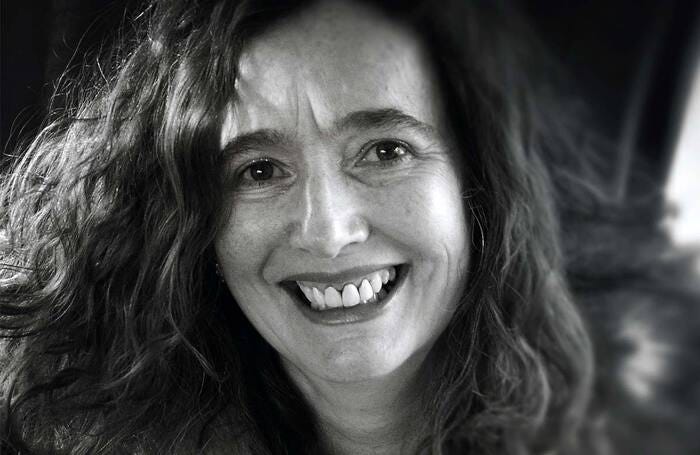
From these workshops, the play Rupture was born.
The script was taken back into the prison and shared with the women for their thoughts. At the end of one session, a participant asked: “Tell me how one of your plays makes change happen. Can you give me one example?”
The answer is never simple, because the change is not owned by any one person. It begins in rooms like that chapel, where women recognise change in themselves. It grows as creative teams engage with the work. It expands when audiences step into the shoes of someone like Destiny and see the world differently. And it continues in the conversations that follow - the discussions, debates and reflections that ripple outward.
In spring 2025, Rupture toured to theatres, community venues and prisons. We set up stages in canteens and chapels, performed to audiences with babies in arms, and held post-show discussions with people who brought lived experience, research and activism into the room.
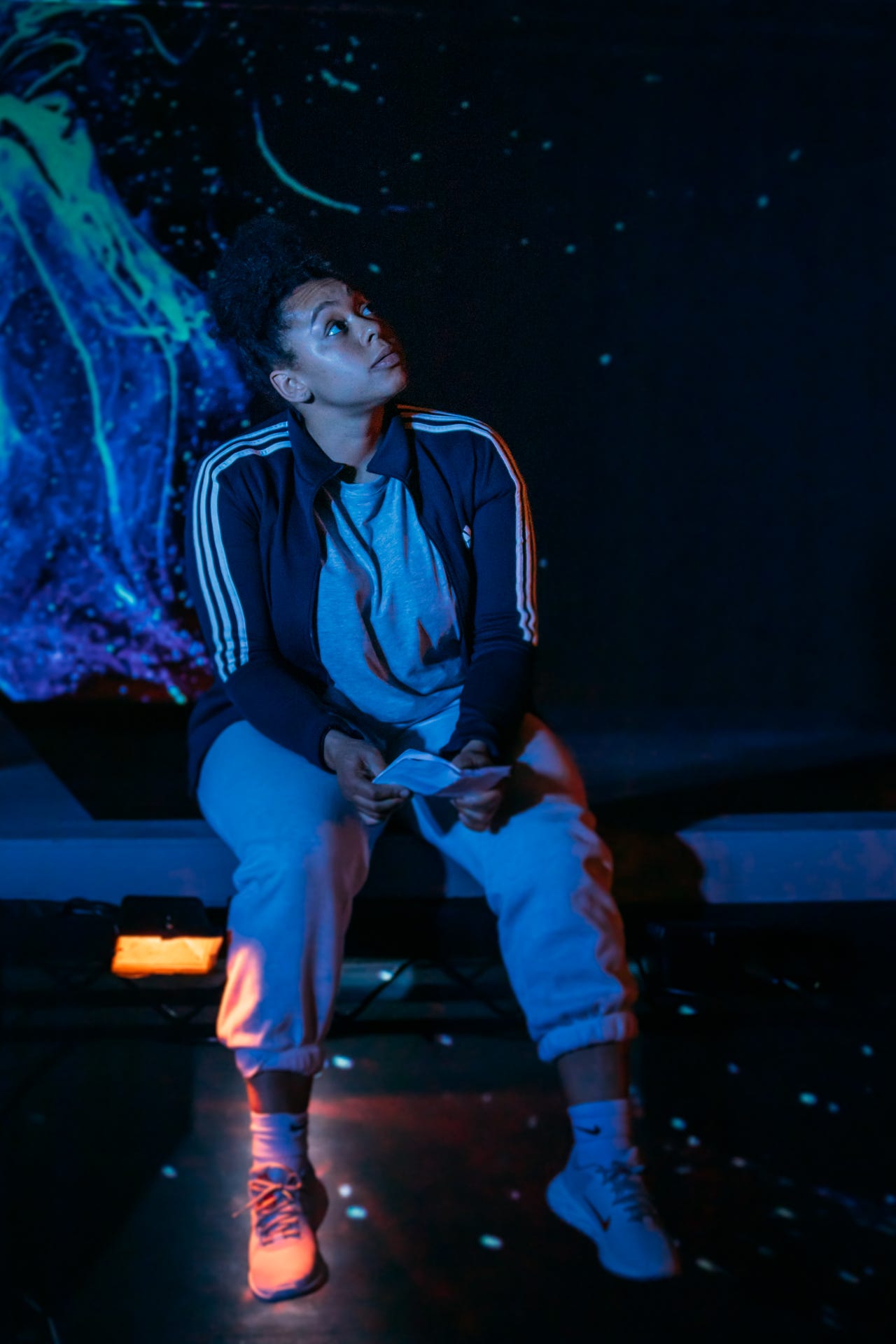
Later that year, the production was filmed and taken on a screening tour, much of it within the male prison estate. These screenings created powerful moments of empathy, inviting men to step into the perspective of a mother separated from her child, and opening up conversations about responsibility, relationships and the future.
The film has since reached audiences beyond the UK, including screenings at Queen’s University Belfast, and is now available globally through Drama Online. The voices of the women who created it continue to travel.
And now, the conversation continues.
On April 20, 2026, Rupture will be screened in partnership with HMPPS Insights, reaching Ministry of Justice staff, multi-agency professionals and wider audiences through internal HMPPS channels. The event will include a panel discussion chaired by Tim Lloyd, Head of Family Services, bringing together voices from across the system to reflect on parental rights and the realities faced by mothers in prison.
This partnership, led by Steve McGuigan, engagement manager for the evidence and insights strategy at HMPPS, represents a significant opportunity - not just to widen the reach of the film, but to place these stories directly in front of those who have the power to influence policy and practice.
As producer Erin Connor puts it: “This is an incredible opportunity for Rupture to be seen by MOJ staff, multi-agency professionals and all staff through internal HMPPS channels - not only widening the reach of the film, but bringing conversations about the rights of mothers in prison directly to the people who can bring about change.”
Dr Kate O’Brien adds: “Our research has highlighted the devastating impacts that a prison sentence can have on mothers who are separated from their children. There is a pressing need for us to collectively explore how we can bring about change - and Open Clasp’s powerful new show, Rupture, is a vehicle that will help us achieve this.”
At Open Clasp, we often say we want to change the world one play at a time. But the truth is, it is never the play alone. It is the collective voice behind it - the women who share their stories, the people who listen, and those who carry the conversation forward - that makes change possible.