


Guns N’ Roses might have been surprised that their 1988 hit Sweet Child o’ Mine would feature in a university study.
The same goes for Billy Ray Cyrus and his Achy Breaky Heart in 1992.
But they have helped to show that although music from people’s past often strikes a chord memories-wise, it might not be as personal as we think.
A new study involving Durham University and Princeton University in the United States has found that memories sparked by songs are surprisingly similar from person to person.
The researchers say this shows the ability of music to shape our memories is an effective way of bringing people together through similar shared experiences.
Researchers played 30-second clips of chart-topping pop/rock, country and hip-hop songs to 223 students.
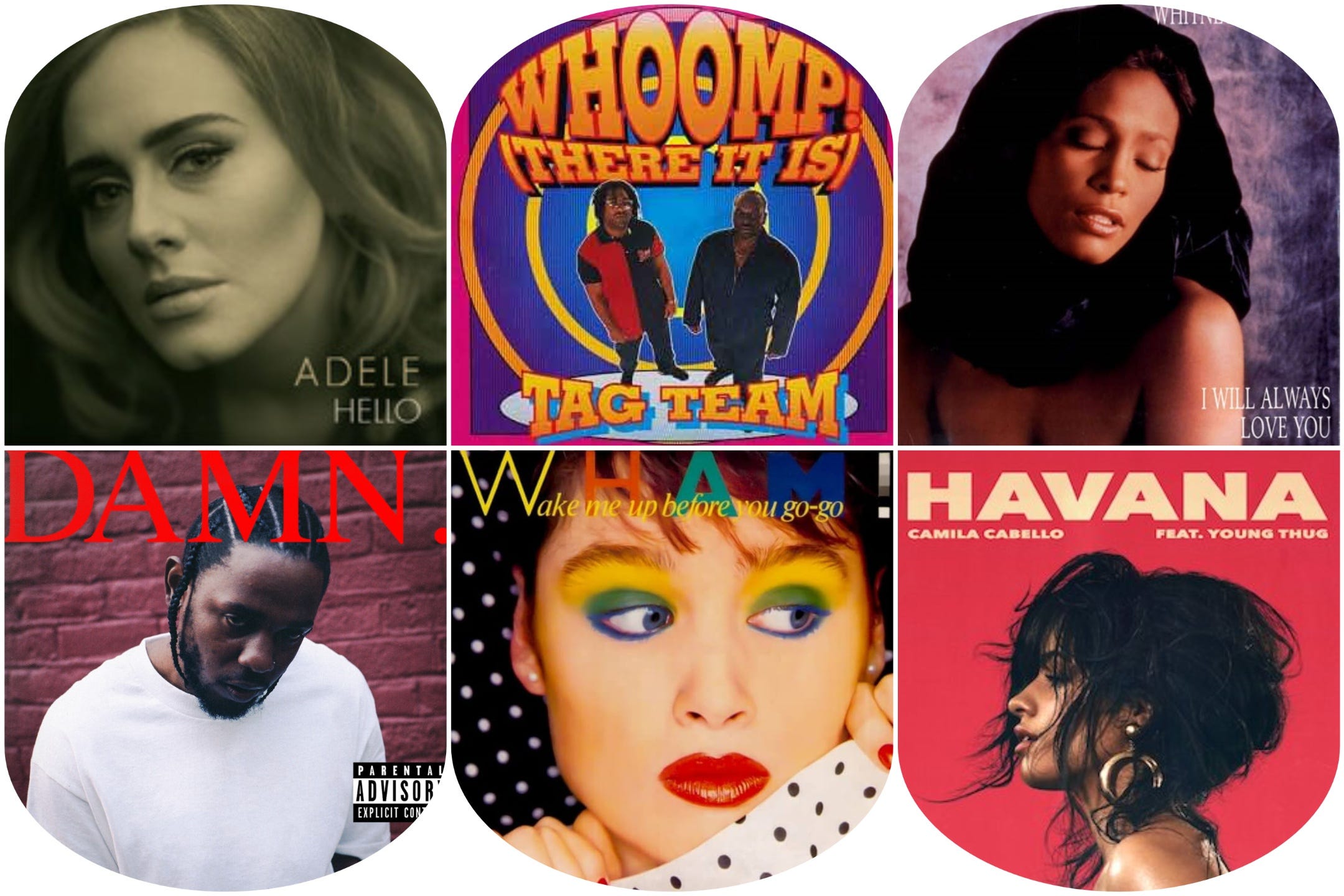
The music was drawn from the students’ teenage years (2010s). Songs they heard included Hello by Adele, Havana by Camila Cabello, HUMBLE. by Kendrick Lamar and Meant to Be by Florida Georgia Line (featuring Bebe Rexha).
Other songs came from their parents’ teenage years (1980s and 1990s), including Wham’s Wake Me Up Before You Go-Go, Whoomp! (There It Is) by Tag Team, Achy Breaky Heart by Billy Ray Cyrus and Whitney Houston’s hit version of Dolly Parton’s I Will Always Love You.
They were then asked to describe the memories evoked by hearing the songs. Researchers analysed more than 1,000 of these memory descriptions.
They found that songs from the same genre or time period reliably evoked similar memories across listeners from broadly similar backgrounds.
To rule out the possibility that lyrics were driving this effect, the researchers ran two more studies.
They prompted one group with single words representative of each song’s lyrics, and the other with story summaries of the lyrics.
However, the memories stimulated by these cues did not show the same similar memory effect as listening to the songs.
Study co-author Kelly Jakubowski, professor of music psychology in the Department of Music at Durham University, said: “The idea that your personal memories can be quite similar to someone you don’t know is surprising.
“However, it makes sense because we use music throughout our lives to complement our daily activities in a similar way to other people.
“For example, the music played at wedding receptions is similar enough to evoke comparable experiences in people with no prior connection.
“This shows the power of music in shaping our memories and as a really effective tool for bringing people together through shared experiences.”
