


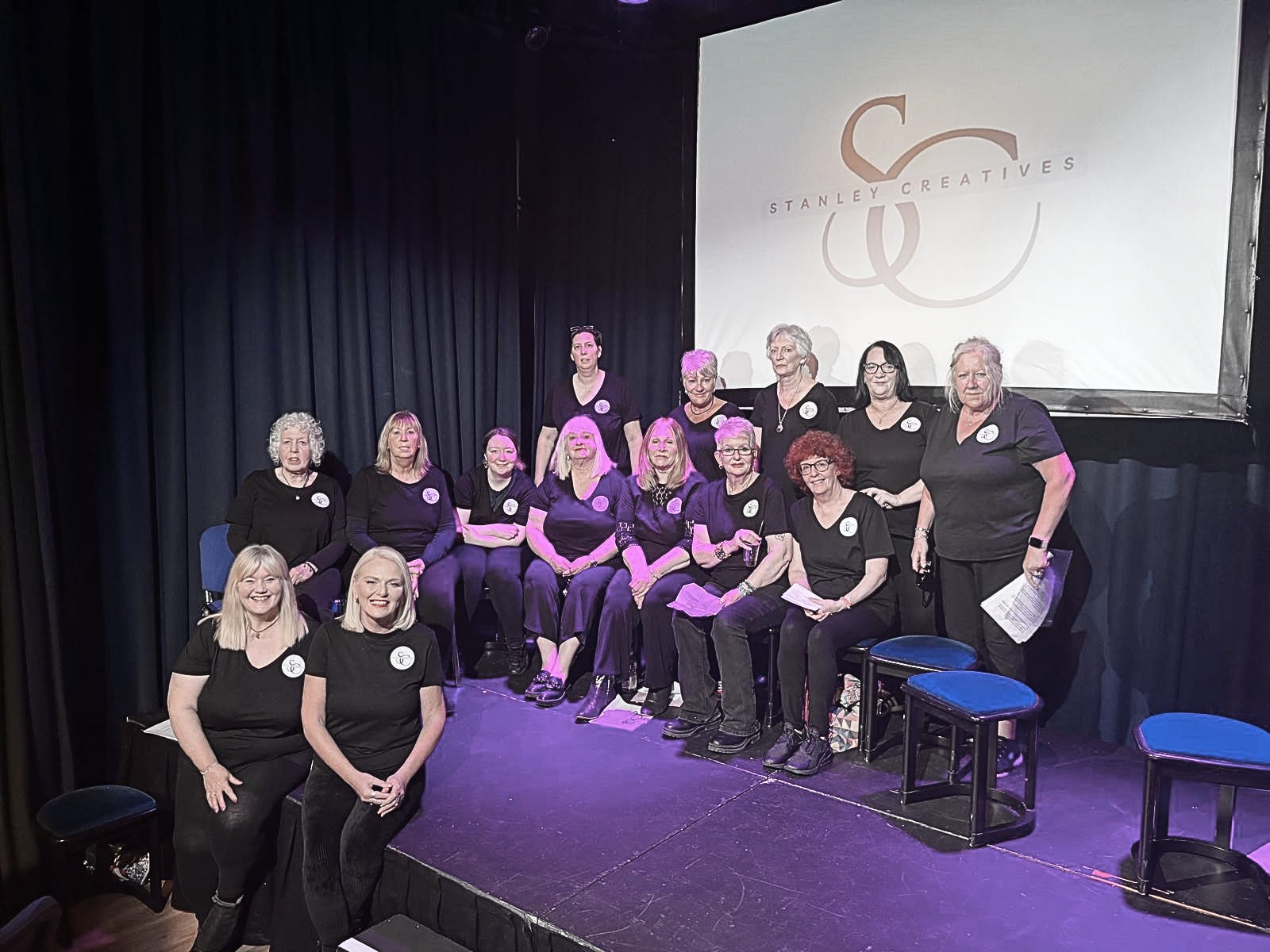
There is a lot of laughter backstage at the Phoenix Theatre in Blyth.
Not the polite kind. Proper laughter. The sort which arrives in bursts between nerves, excitement and last-minute reminders about who’s doing what and who’s meant to be standing where.
In a few minutes, the women gathered in the studio space will stand up in front of an audience of friends, family and supporters to perform original songs, sketches, poetry and monologues inspired by experiences of domestic abuse, breast cancer and the lasting impact both can have on lives long after a safe place has been found and memories of hospital appointments have faded.
Just a few months ago, some of them would barely speak in a group setting - but looking at them as the countdown to curtain up ticks along, you’d struggle to identify who they were.
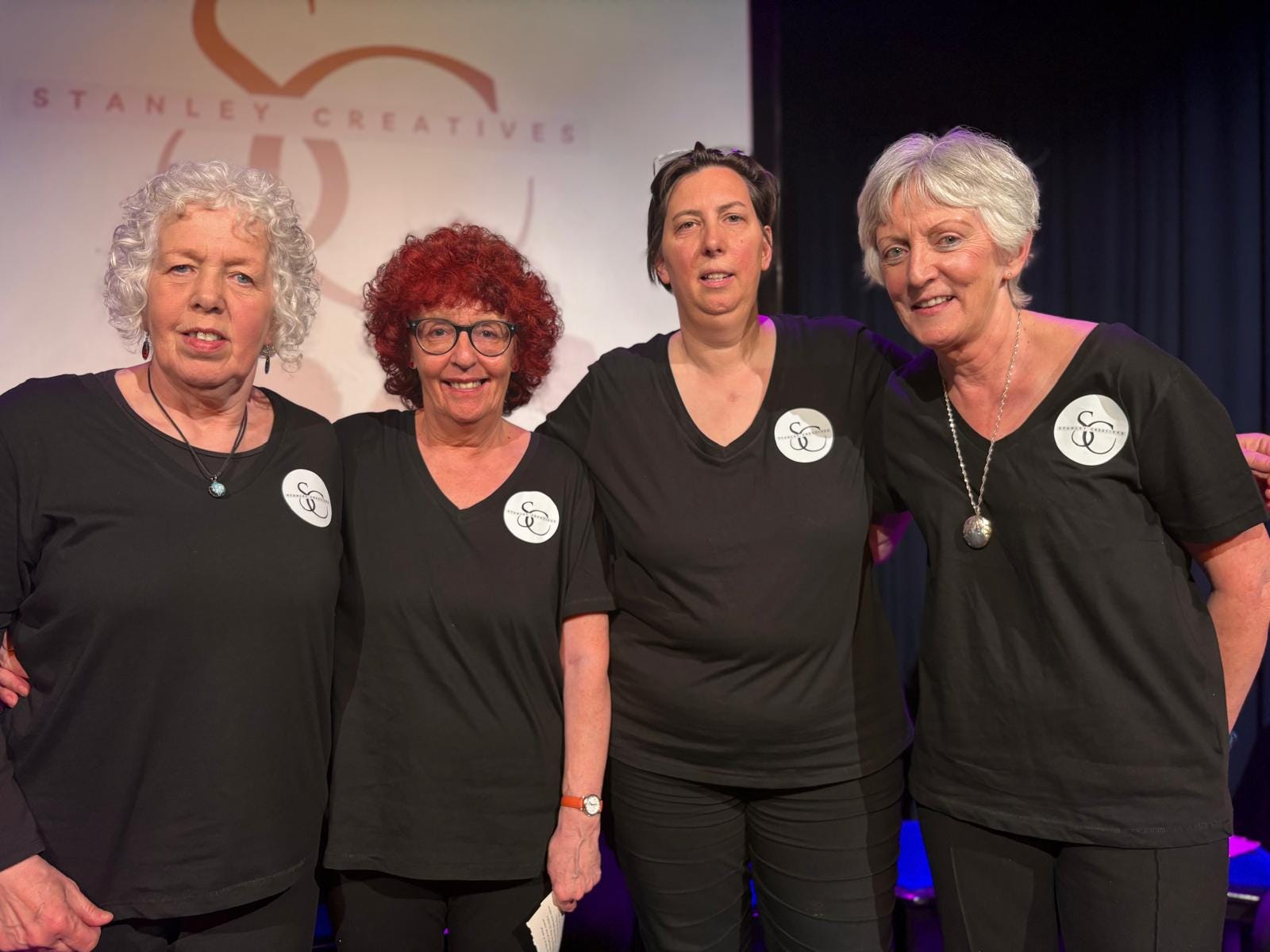
The sharing performance marked the culmination of The Women We Are - a project led by North East theatre maker Alison Stanley through Stanley Creatives, which has spent the past year bringing together women with lived experience of domestic abuse and breast cancer in a weekly creative support group in North Tyneside.
What began as tentative meet-ups built around writing prompts, singing exercises and drama workshops has gradually evolved into something far bigger than a theatre project.
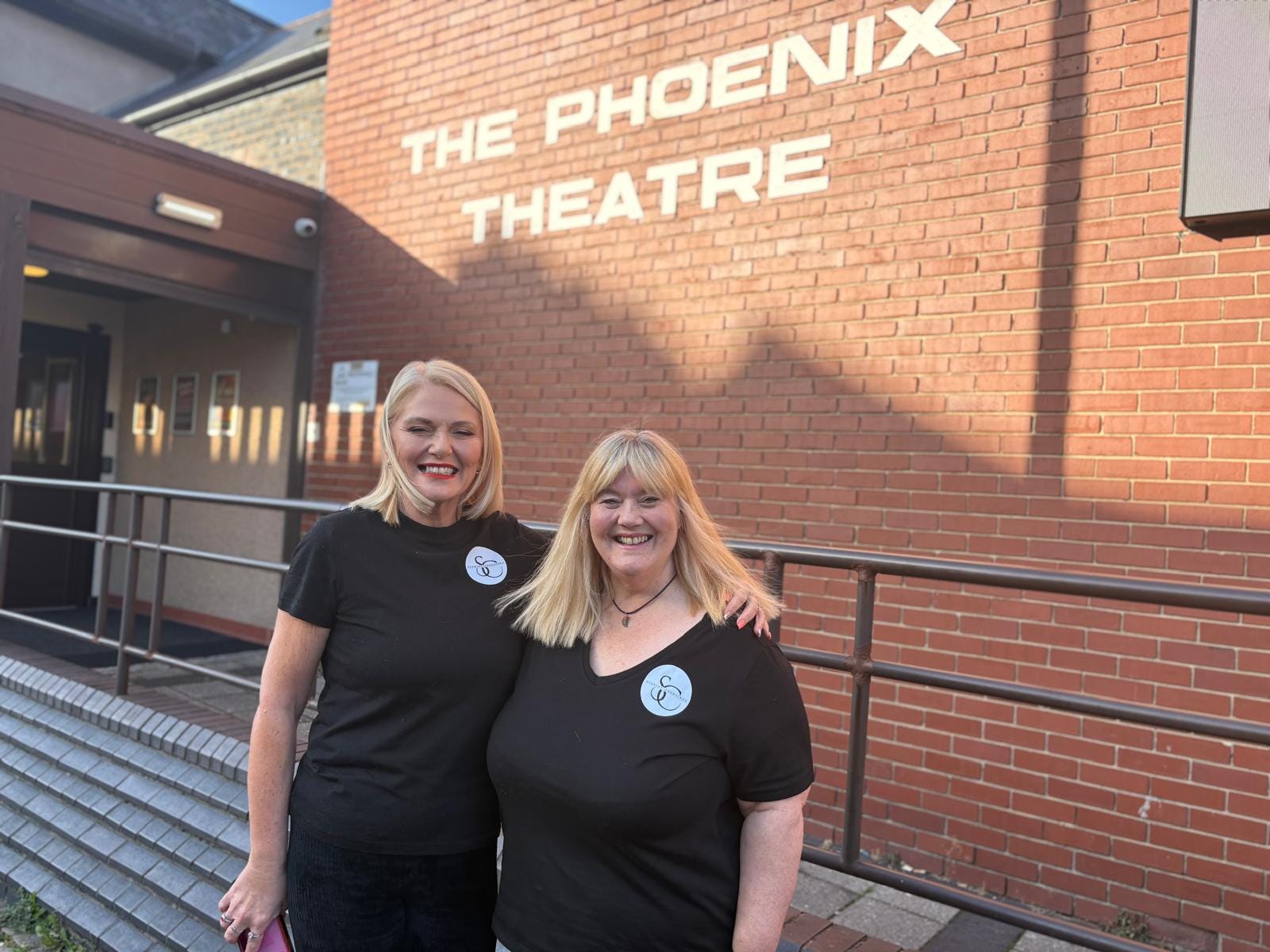
Over months of creative sessions with Alison and facilitator and vocal coach Tracey Gorman, confidence has grown alongside friendships. Stories have been shared. Songs have been written. Sketches developed. And women who initially preferred to sit quietly and watch have found themselves standing in the spotlight.
“It’s honestly pretty amazing,” says Alison. “When they first started, a lot of them didn’t want to get involved. They wanted to sit and watch to see what was going on.
“And then little by little… for them to come from that and then be willing to stand on a stage in public and have photographs taken and put out on social media - it’s incredible.”
Funded through National Lottery Community Funding, the project began last autumn with weekly sessions in North Tyneside.
The roots of the idea stretch back further though - into the research Alison carried out while developing two of her plays.
One was You Need To Say Sorry, which explored coercive control and domestic abuse. The other was Tits Up, her acclaimed play set in the waiting room of an oncology department, where three women from vastly different backgrounds navigate the realities of breast cancer together through humour, honesty and hard-earned resilience.
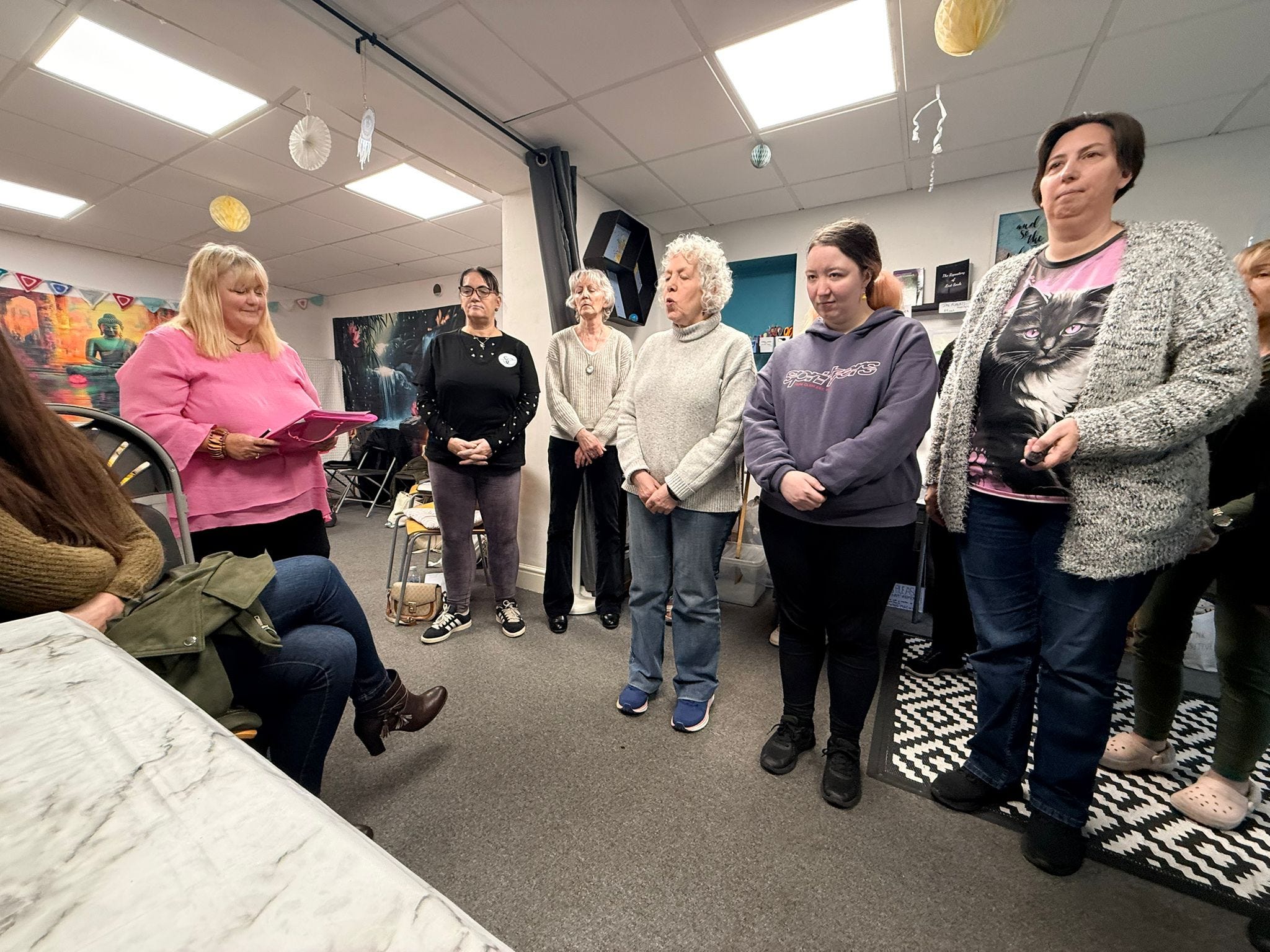
Through conversations with support groups and women willing to share their experiences, Alison became increasingly interested not only in the stories themselves, but in the transformative power of creativity.
“I always think performance is a very powerful tool for educating, but it’s also very cathartic as well,” she says. “It gives people a safe space to just feel good about themselves.
“It lifts the spirit. It’s somewhere to try out new things amongst like-minded people.”
Alongside facilitator and vocal coach Tracey Gorman, Alison began building the sessions.
“What struck me at the beginning was that the ladies had really hardly any confidence at all,” says Tracey. “They were very nervous about doing even warm-up exercises, and all the way through, they were adamant that they couldn’t sing.
“But you’ll see and hear them all standing up and singing tonight!”
As their confidence grew in the group, so did friendships - or maybe it was the other way around. It matters little.
“What’s really struck me is how they’ve really supported each other,” says Tracey.
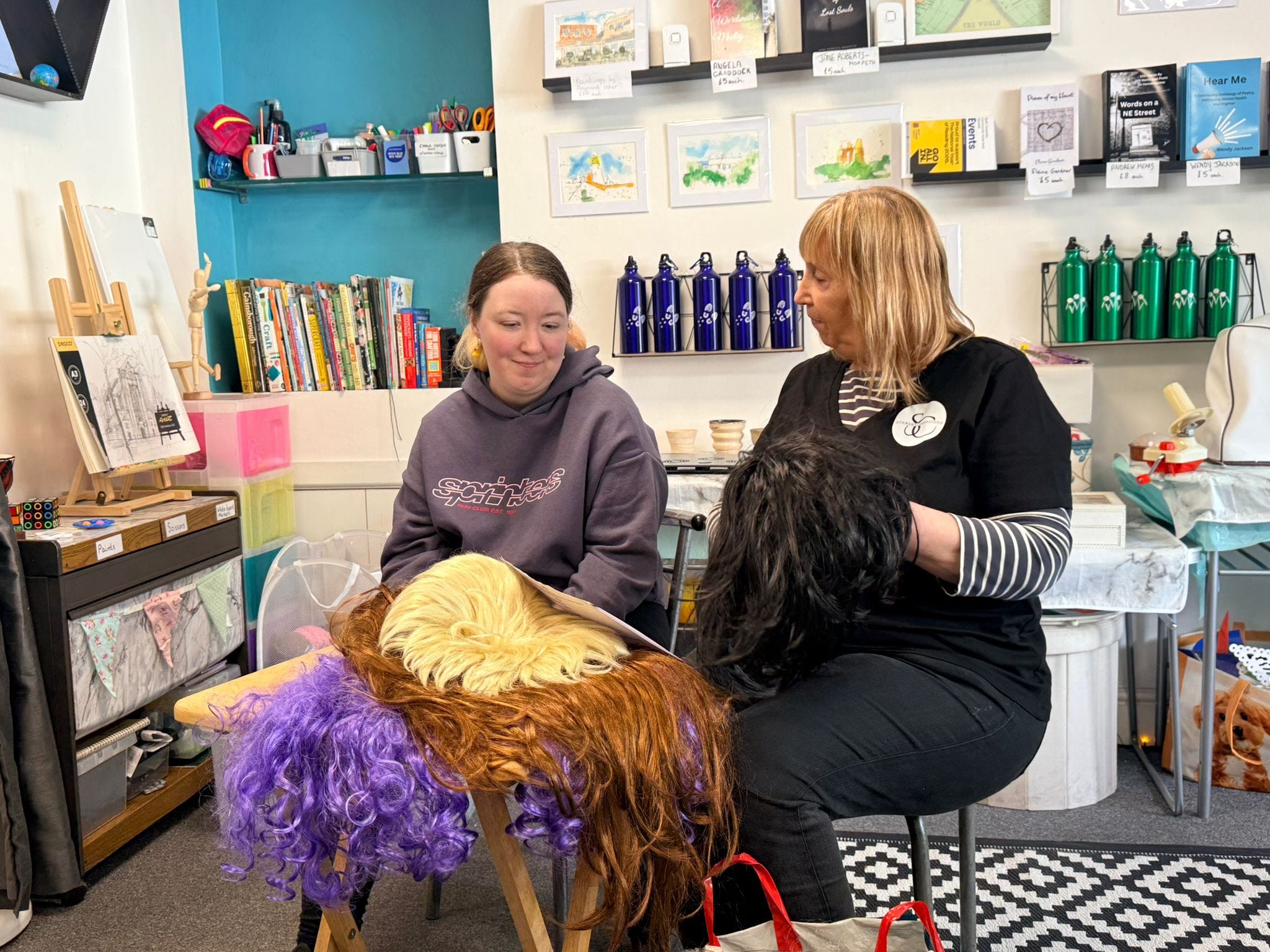
“They started to come out and tell their stories - stories of family members, things that have happened to them. We’ve listened and encouraged each other. We’ve cried an awful lot. It’s been really emotional. But we’ve also laughed so much too.”
That balance between emotional honesty and humour became central to the final performance itself.
There are moments of heartbreak throughout, but also sharp comedy and warmth - because, as Alison points out, that is often what real life looks like.
One sketch about nipple tattooing after breast cancer treatment was sure to get big laughs from the audience. Elsewhere, poetry and short plays explore fear, grief and survival with true openness.
“It’s a serious subject,” says group member Mo Mitchell. “But everybody supports everybody else.
“And then we’ve got people who can just bring loads of fun and laughter to the whole thing.”
Some of the women involved had existing creative interests through writing groups and community workshops, but The Women We Are gave them a different kind of outlet - one grounded in shared experience and real life achievement.
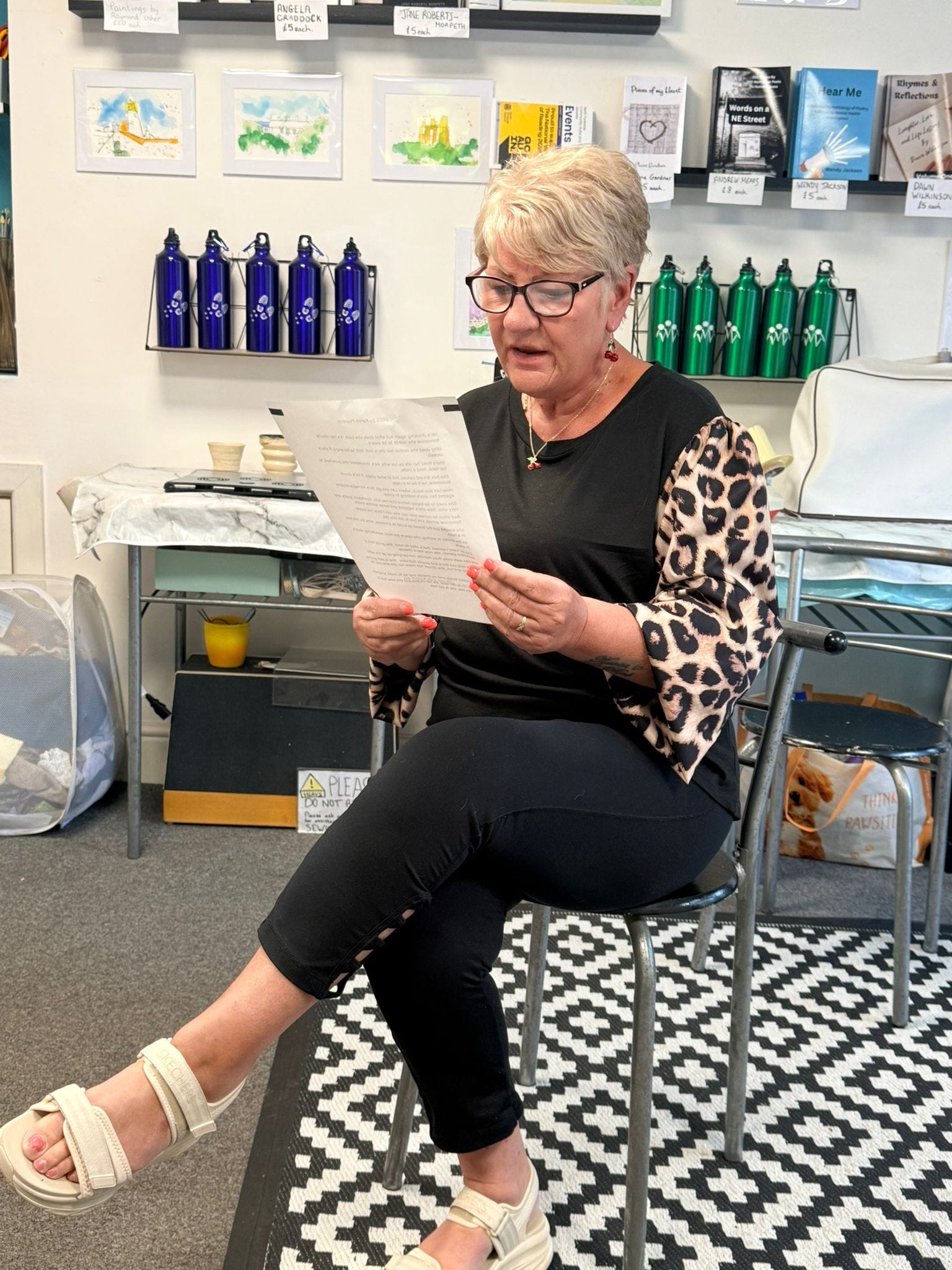
For Dawn Wilkinson, whose experiences of domestic abuse came through supporting a friend trapped in an abusive relationship, the project became a way of addressing difficult subjects while also finding positivity.
“When you can turn something into humour, it can only benefit people,” she says. “Comedy and music are the two things that uplift everybody.”
Others drew more directly from personal experience.
Elaine Gardner, who experienced domestic abuse in her twenties and also lost both parents to cancer, composed music for two original songs featured in the performance.
One of them, Take My Hand, became a collaborative piece, with group members contributing lyrics together during sessions.
“The first time I’ve ever heard my songs being sung,” Elaine says with a smile before the performance, which would also include an original video for her song, I Am Mighty. “I’m dead grateful.”
That collaborative spirit runs through almost every aspect of the evening. Nothing feels competitive. Nobody is trying to outshine anyone else. Instead, there is a palpable sense of collective achievement.
Everyone remains on stage together throughout the whole performance, visibly supporting one another through any nerves, emotion and moments of joy.
“It’s not a competition,” says Mo simply. “We’re just sharing experiences.”
Tracey describes her role diminishing as the weeks progressed because the women increasingly arrived with their own ideas, writing and creative contributions already bubbling away.
“The creativity within the group just started to blossom,” she says.
Group member Pauline Sheldon says: “I’ve really, really enjoyed working with these women. When you’re in rehearsals with them, when you come away, you just feel better in yourself.
“I have had experience of abused women who have been left, really, to just get on with it. And I wanted to try and bring awareness to domestic violence and dealing with cancer. It’s a really worthwhile project.”
It’s hard to argue with Pauline’s assessment as everyone prepares to start the show.
There are flickers of nervousness, certainly, but there is also pride and - perhaps most importantly - there is ownership.
These are their stories, their jokes, their songs and their experiences. The title The Women We Are is entirely fitting.
And while the performance marks the culmination of the current funding cycle, Alison and Tracey have already applied for further support in the hope the project can continue and expand from September.
Given the response from participants, it’s not difficult to understand why.
“They said: ‘We don’t want this to end,’” says Tracey. “And we don’t want it to either.”
Alison adds: “It has been a truly inspirational project - seeing how far this group of women have come and what they’ve achieved. We would love to keep it going and get more women from across the region involved.”