


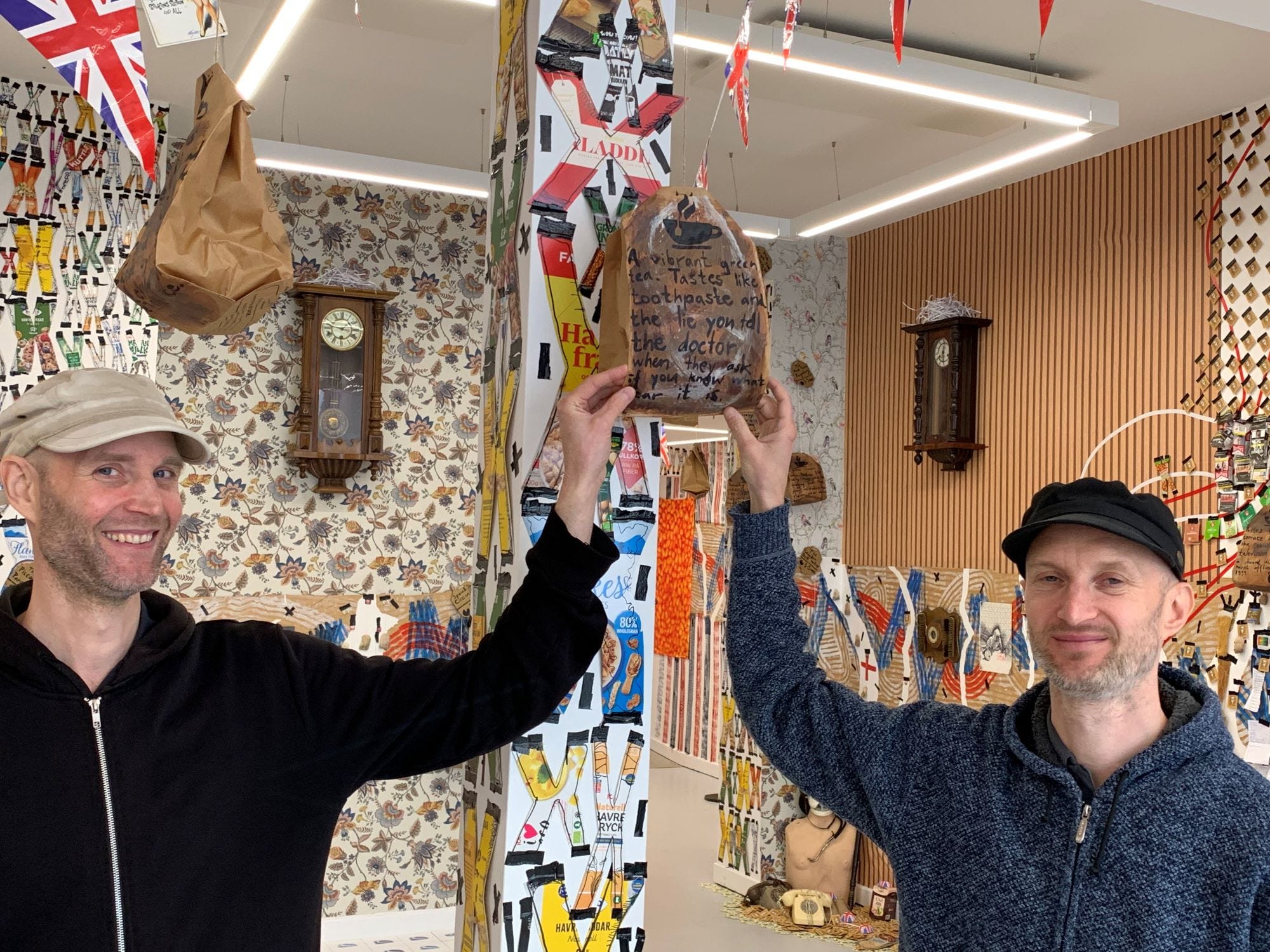
A first exhibition in the North of England by the Mügge brothers, Christoph and Sebastian, involves the work of many other artists and creators whose identities would require a lot of digging to uncover.
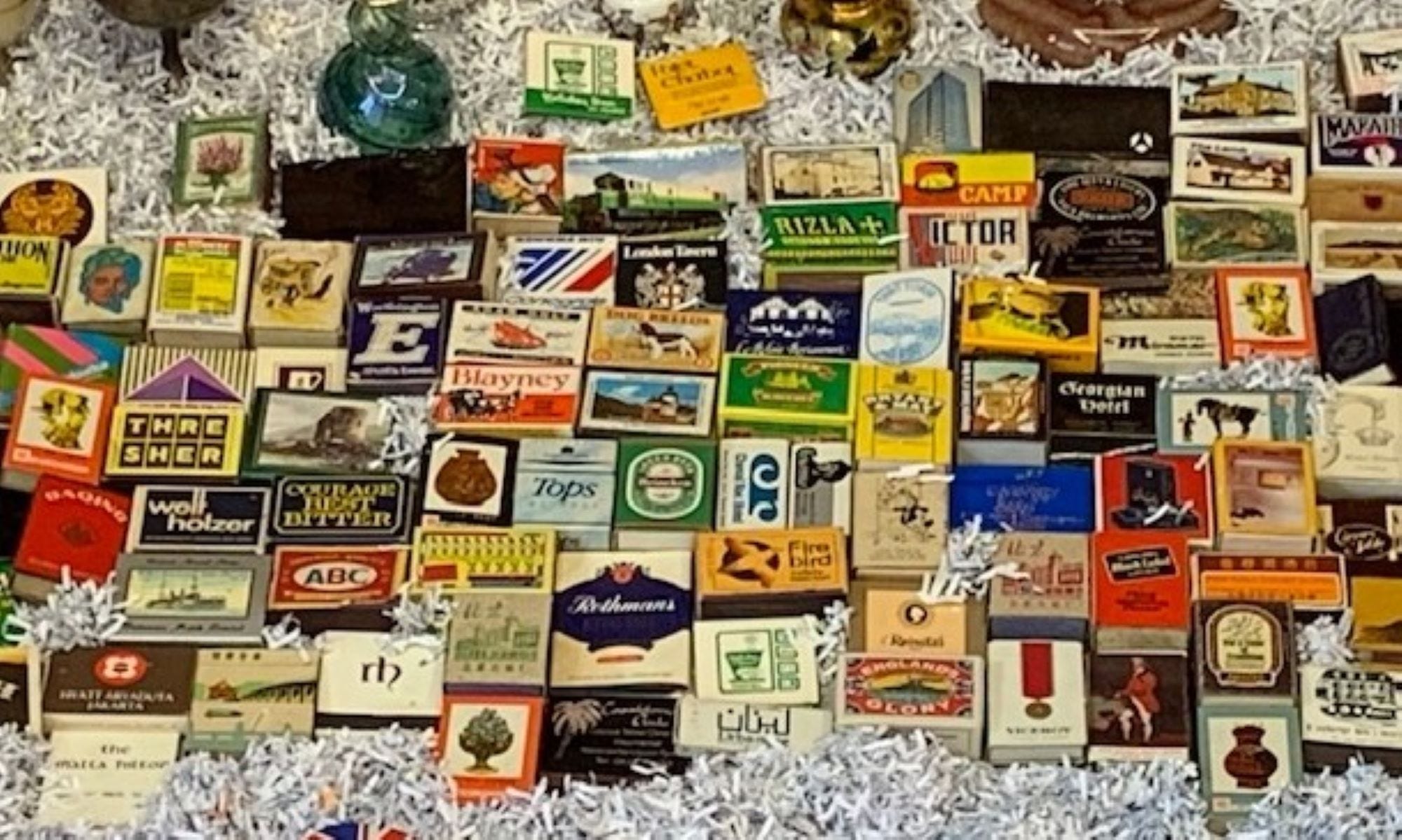
They will have designed the matchboxes and postcards and spoons and all the other bits and pieces of ephemera artfully displayed in Mourning Tea Tyne & Lost Frequencies.
In some cases, though, there are clues.
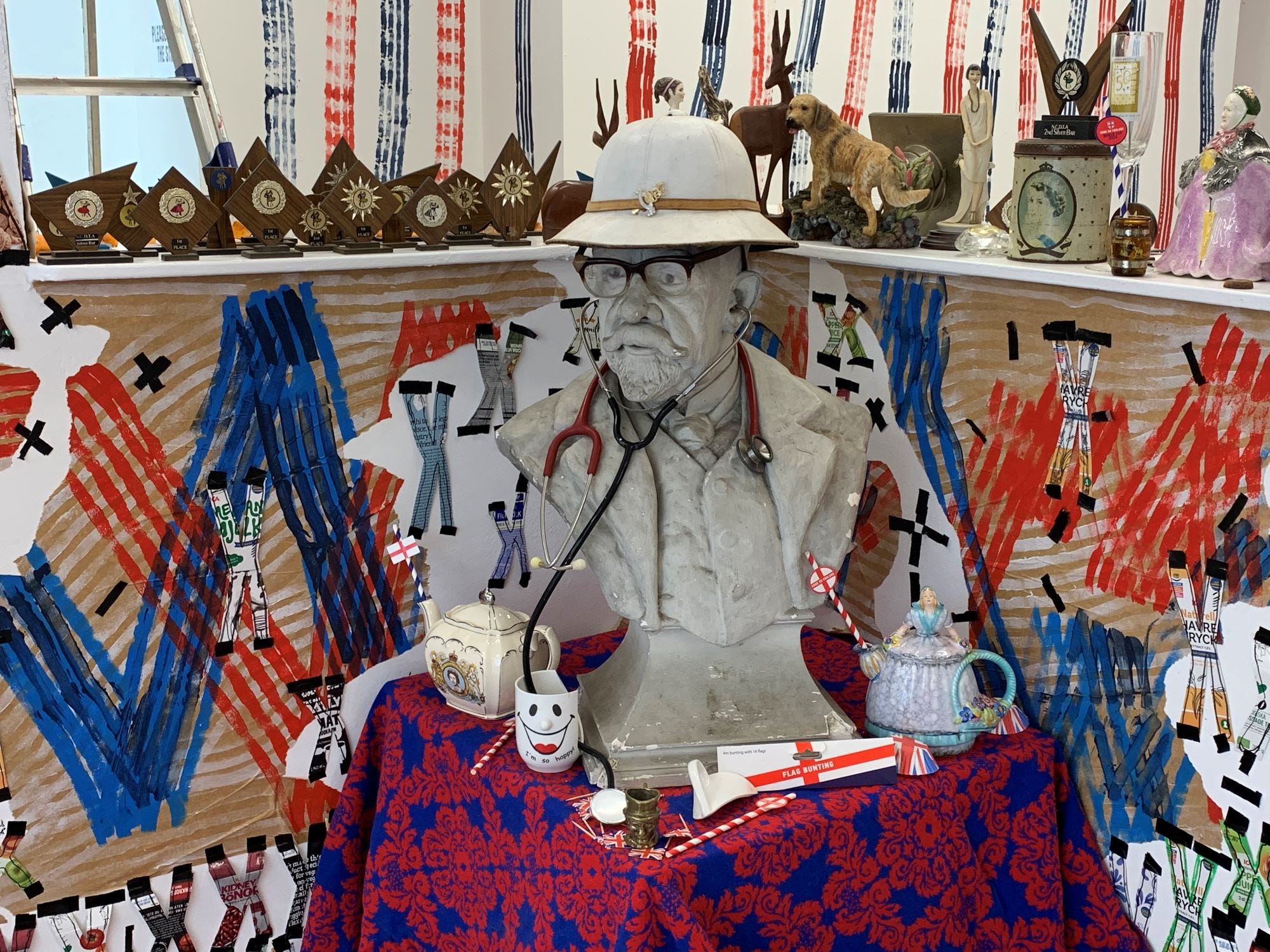
“Do you know who this person is who looks like Colonel Sanders?” asks Sebastian at the Globe Gallery, North Shields, indicating the bust of an elderly gentleman with a bushy moustache.
I have no idea but there’s a clue in the painting hanging opposite, showing a man in a rowing boat. It’s credited to John Falconer Slater (born: Newcastle, 1857) whose likeness was captured in that bust.
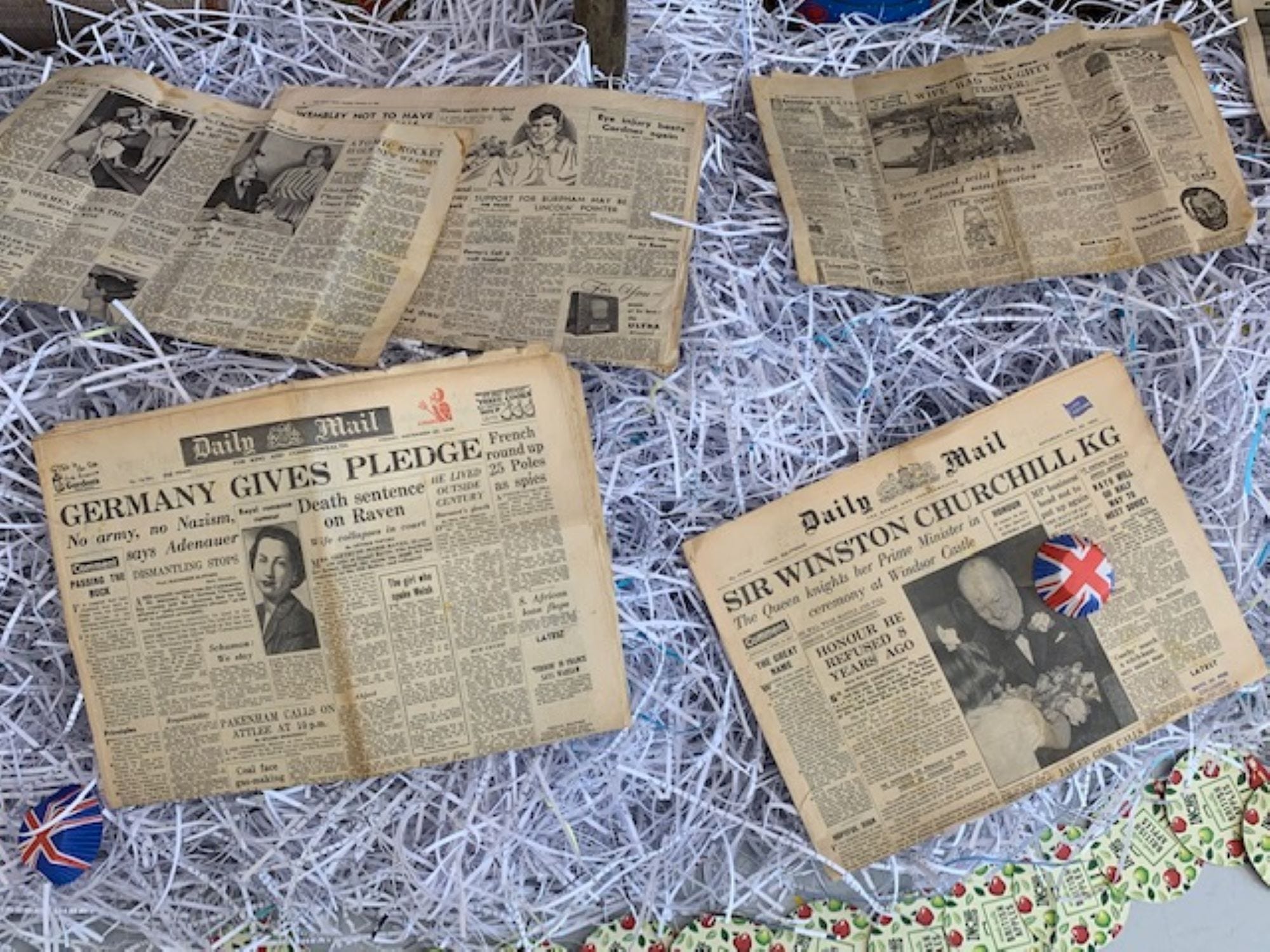
This is an extraordinary exhibition comprising a cornucopia of stuff, some of it created or supplied by the artists themselves and the rest either loaned or given by members of the public or sourced from local charity shops put on red alert to identify potential exhibits.
Grief in its many manifestations lies at the heart of it, says Rashida Davison who has run the Globe Gallery in its various locations for 31 years.
And it’s true that much of what you’ll see is stuff left behind, of significance to the person no longer with us… or, tragically, suffering from dementia.
But Sebastian says the exhibition is not meant to be morbid or sad. “It’s also a celebration of the good times they had.”
It’s certainly not all about the dearly departed.
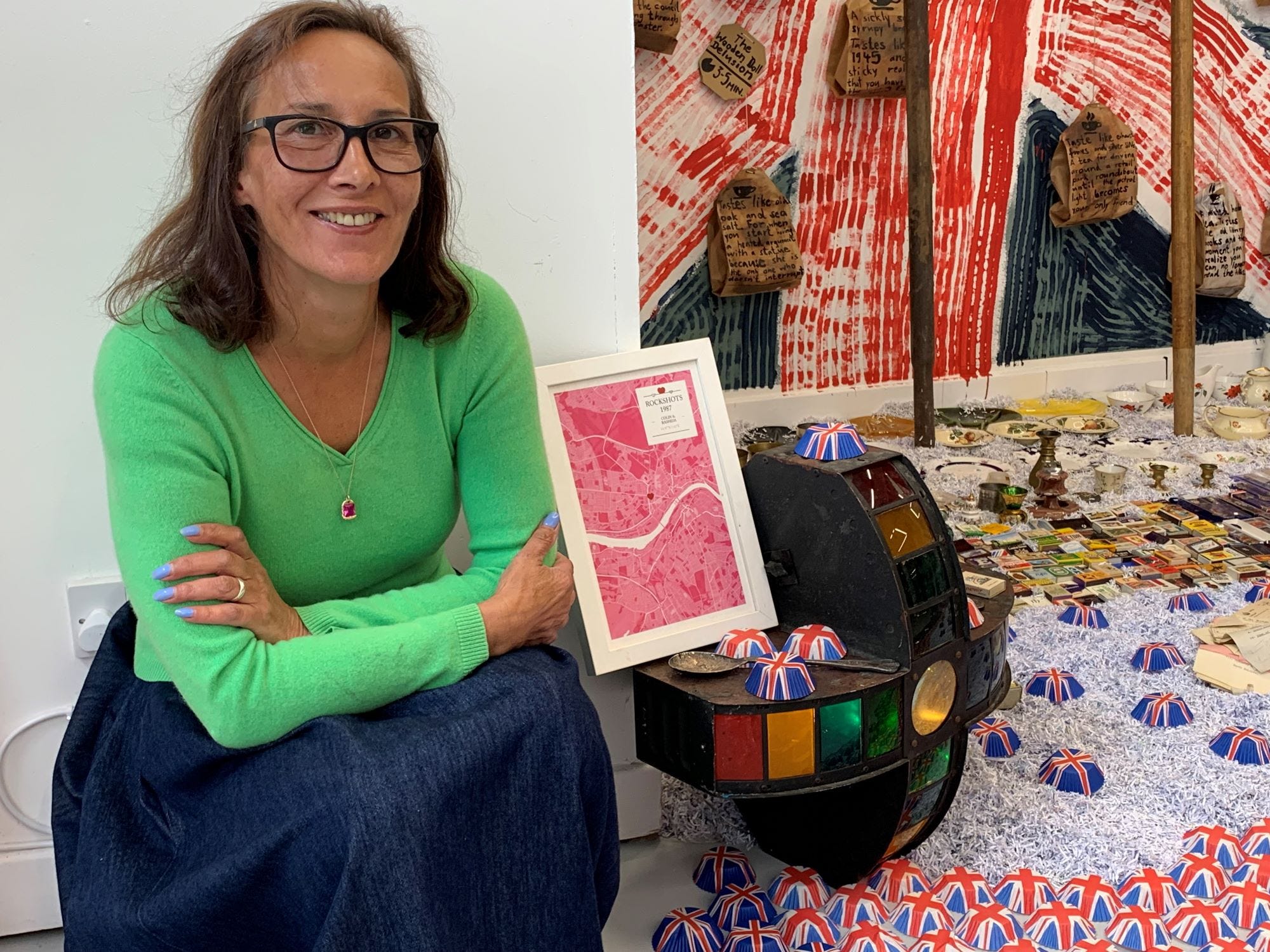
Displayed in one part of the gallery are shopping lists scribbled by Sebastian’s wife which he secretly collected. Elsewhere is an old disco light from Rockshots nightclub in Newcastle, an item of immense sentimental value to Rashida.
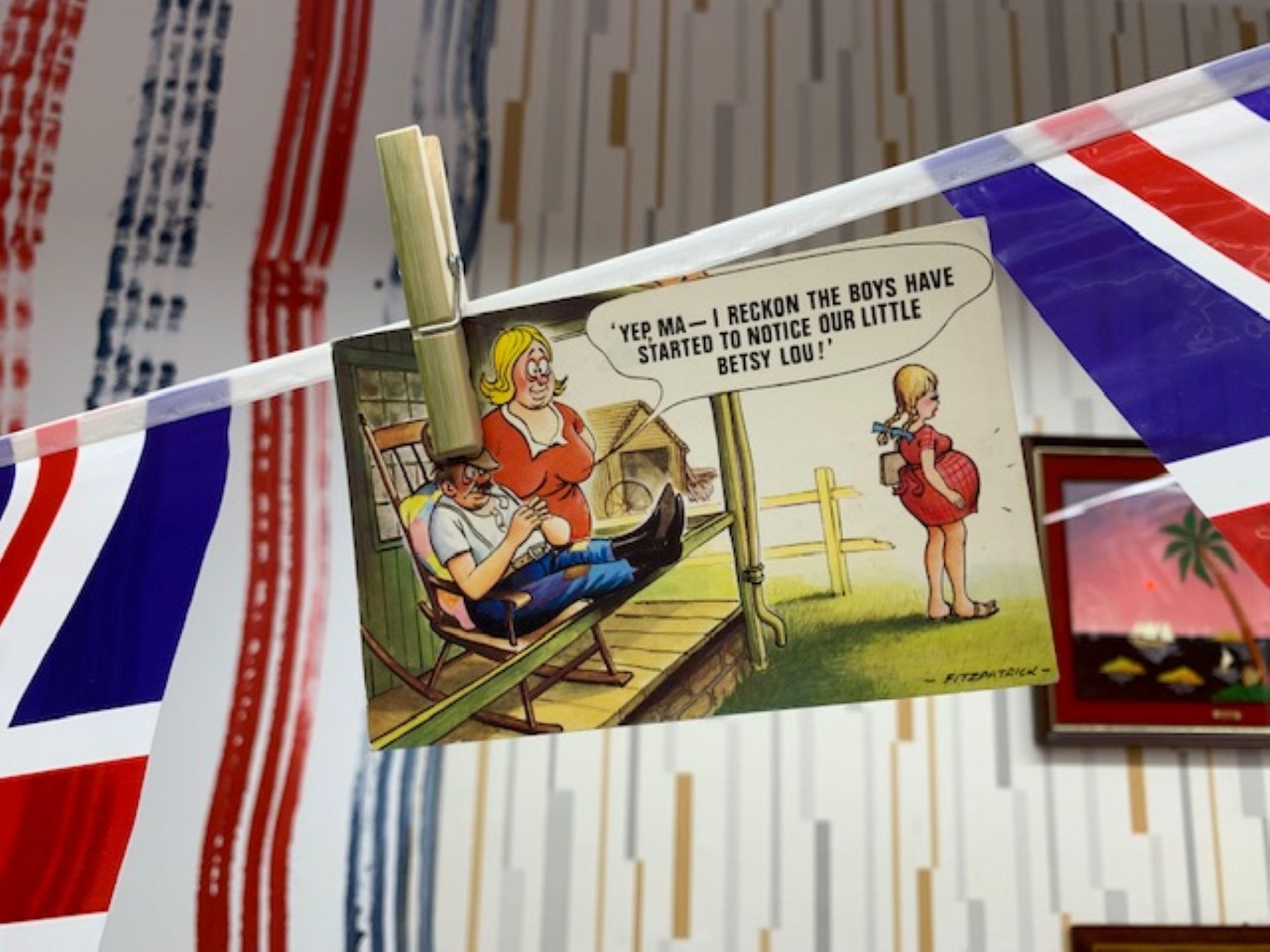
Poignancy and eccentricity run through it, partly owing to the brothers’ outsider impressions of what Britain is like (we drink a lot of tea, are fond of the Union Jack and have a taste for end-of-the-pier humour) and partly to the stories they’ve unearthed in North Shields.
Both were born in Germany - Sebastian in 1981 and Christoph two years later – and trained as artists. But they are three-quarters Swedish and now live in that country.
They come to be exhibiting in North Shields because they found the Globe Gallery online.
“We liked the profile and the community focus and it seemed Rashida is not solely dedicated to putting paintings on white walls,” explains Sebastian.
“The community aspect is really important to us.”
They got in touch before Christmas and Rashida obviously liked their work because the exhibition follows a residency during which the brothers have been undergoing a crash course in North Shields life.
Christophe says they started working together in 2006 when they wrote off some joint applications to secure exhibitions. It worked well and they have never got out of the habit of collaboration.
Artistic differences? Yes, agrees Sebastian, but they can be productive. As brothers they can speak frankly to each other and they are happy to share authorship so no ego ever has the upper hand.
They have done similar exhibitions dependent on local participation in other places but seem to have enjoyed their first trip to the North East.
“I think the community is very strong here,” says Sebastian.
“In bigger cities this sort of thing can be very difficult because people seem less engaged. Sometimes you put out a call but don’t get anything at all, so you always need a Plan B. But people are very helpful here.”
That much is evident. There is so much to see here in what could be described as exhibition meets museum meets junk shop.
The Plan B is always what the brothers take with them and their input can be seen in Sebastian’s cut-out food packets from Sweden, all in the shape of an X (because there’s so much in our throwaway society to be deleted or disposed of, he explains), and Christoph’s teabags made from the paper bags used in Sweden for storing organic waste, each one personalised with his inked on slogans.
He also embellished the walls with flamboyant background patterns of red and white.
“I wanted to paint something that looked like radio signals or frequencies to weave it together somehow,” he says.
“It is a challenge,” adds Sebastian, “because if you don’t organise it, it’s simply chaos. It’s just rubbish or old stuff. It has to work visually.”
Other unifying elements include the Union Jack cup cake cases and the cider bottle labels that are arranged or strewn liberally around the place.
The gallery is always the starting place, they explain, along with the impulse to banish any notion of its being a white cube. Blank spaces must be covered, with no credence given to the idea that ‘less is more’.
And there will be more of this because the exhibition, with its curiously quirky title, is intended to evolve as more people contribute items, stories and memories.
Not yet in evidence when I paid a visit was the audio visual element, including old film footage taken by a Mügge grandfather, now deceased, of various family occasions and showing the brothers as young boys.
Mourning Tea Tyne & Lost Frequencies opens with a preview from 5pm today (Thursday June 18) and runs until October. The Globe Gallery, on Howard Street, opens Wednesday to Saturday, 11am to 5pm.