


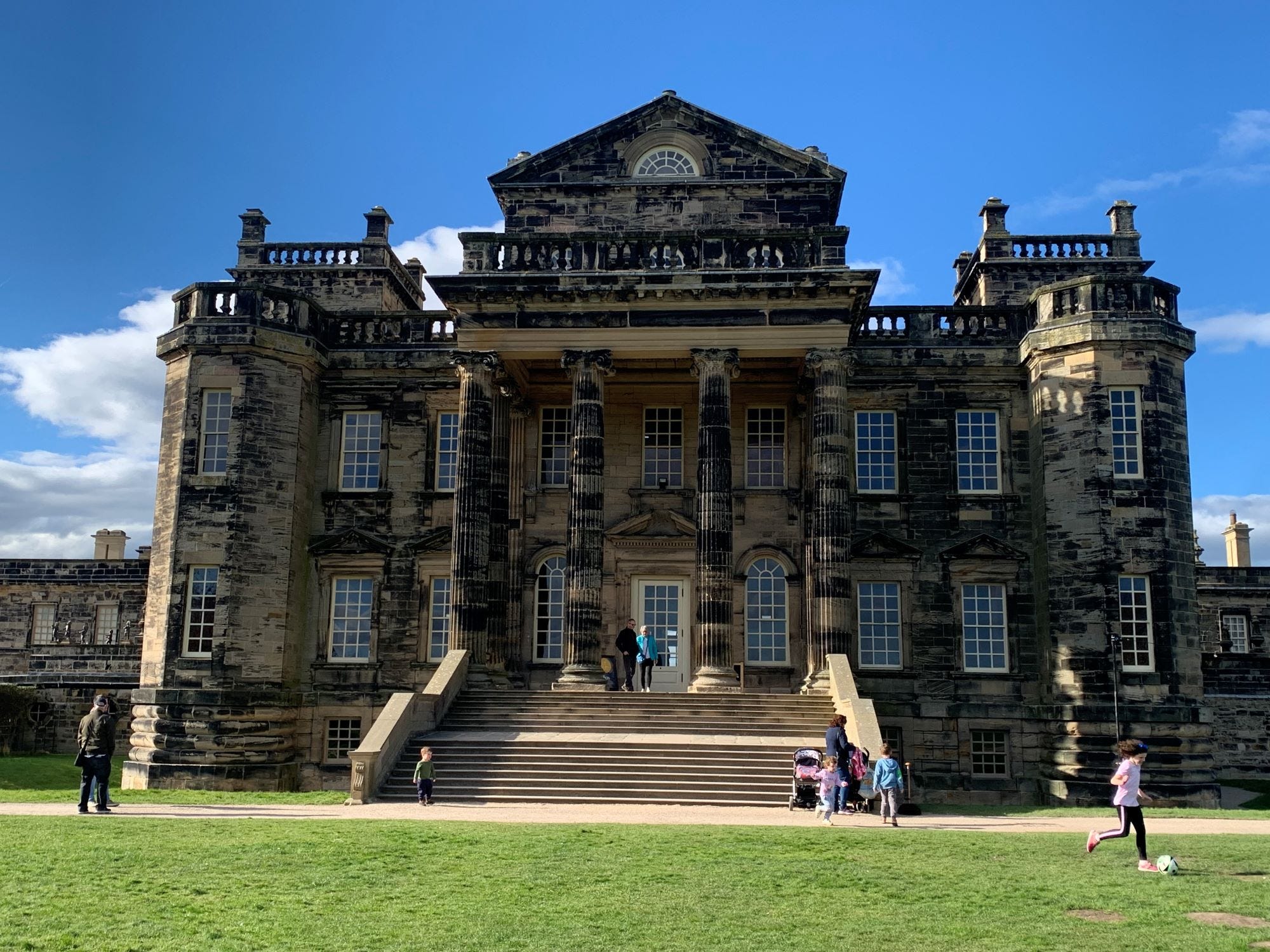
Seaton Delaval Hall is to play a key role in Vanbrugh 300, a national celebration of the genius of architect Sir John Vanbrugh 300 years after his death in 1726.
The National Trust property, Sir John’s final architectural masterpiece, is one of six sites around the country involved in the tercentenary celebration organised by The Georgian Group which campaigns to save Georgian buildings and stimulate interest in the architecture of the period.
It has received backing for Vanbrugh 300 from the National Lottery Heritage Fund.
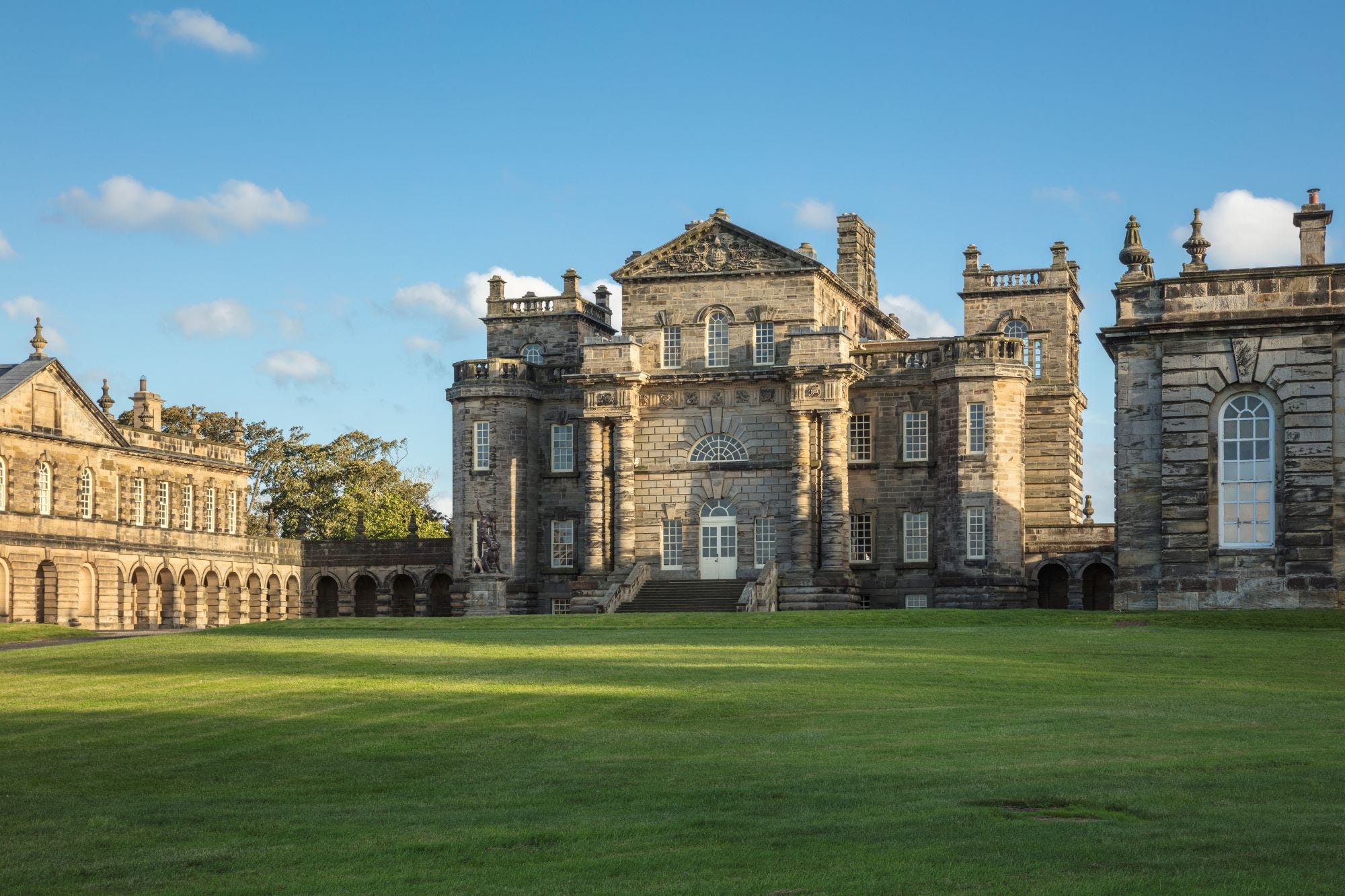
The Grade I-listed Seaton Delaval Hall, acquired by the National Trust in 2009, is said to exemplify the architect’s “visionary approach to form, space and spectacle”.
An exhibition called Vanbrugh 300: A Celebration of England’s Boldest Baroque will open in the property’s Central Hall on March 25 (running until October 18).
It will give details of Vanbrugh’s eventful life, his wide-ranging professional achievements and his lasting influence.
Sir John (1664 to 1726) is remembered as an architect and a dramatist, his plays The Relapse and The Provoked Wife having endured as among the most popular Restoration comedies of the late 17th Century.
Switching abruptly from writing plays to designing buildings, he pioneered the style known as English Baroque and his legacy also includes Castle Howard in North Yorkshire and Blenheim Palace in Oxfordshire.
In 1718 he was called upon by Admiral George Delaval to advise on the modernisation of the property he had just bought near the Northumberland coast.
Advised that it would be best to knock it down and start again, the admiral consented and Sir John got to work. The new building, acknowledged as among his finest, was completed in 1728, two years after his death.
Complementing this exhibition, from March 25 to 28, will be The Cast of Players, described as “a spectacular night-time projection‑mapped artwork by Illuminos (set up by illumination/projection artists Matt and Rob Vale) animating the central block of the Hall with humour, drama and decadence drawn from its notorious historic residents and Vanbrugh’s theatrical imagination”.
The artwork will also feature 300 people from the local community captured by photographer Richard Eyers.
Opening on April 29 (and running until July 12 in partnership with Newcastle University), will be a display of artworks from Geology of Britannic Repair, the award-winning exhibition from the British Pavilion at last year’s Venice Architecture Biennale.
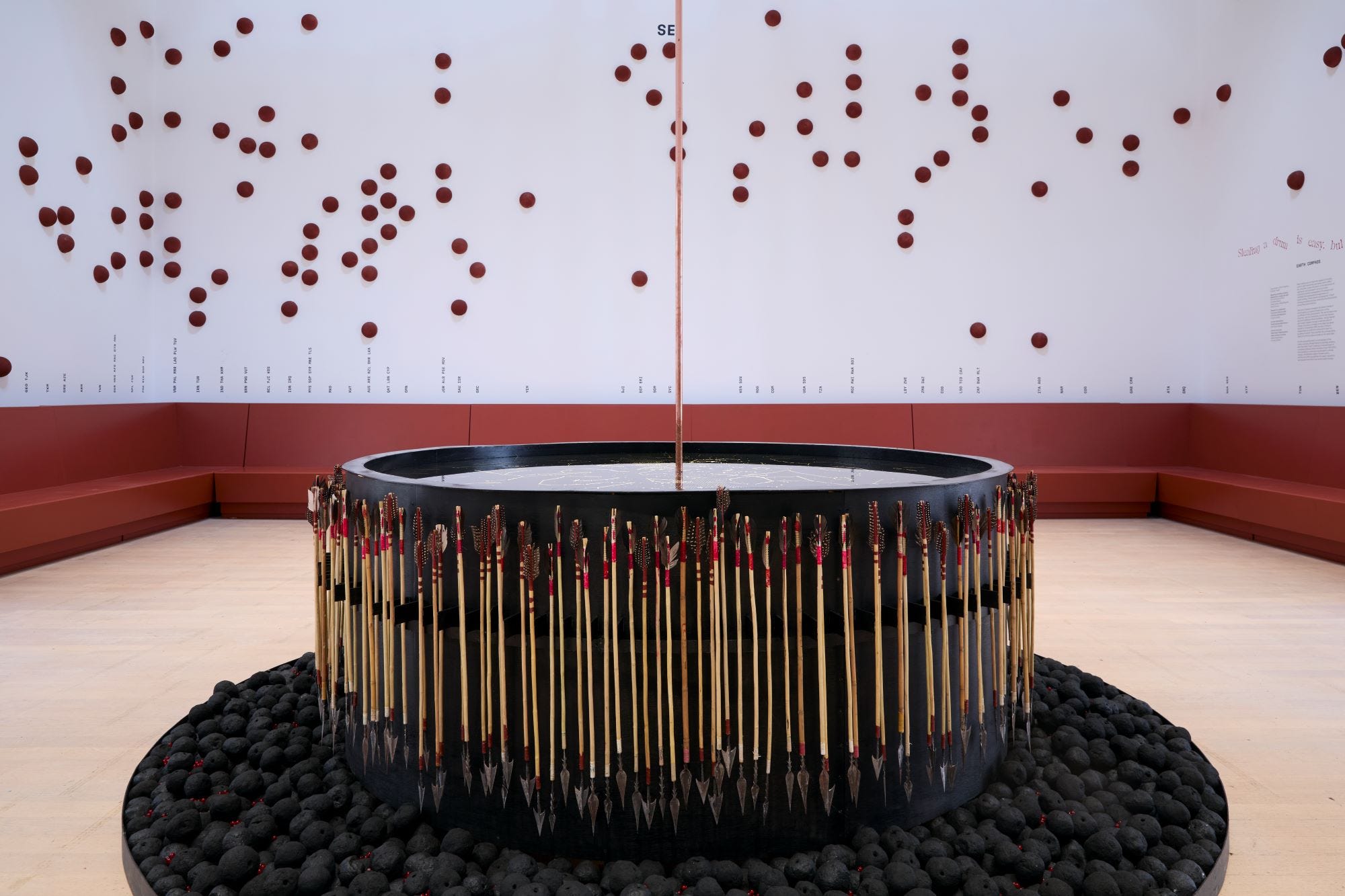
There will be three featured works described as follows…
• Earth Compass — “a sculptural and spatial piece re‑centring architecture’s relationship to geology”;
• Double Vision — “a striking beaded veil installation exploring colonial histories and architectural symbolism”;
• and Rift Room — “an immersive installation focused on the Great Rift Valley as a conceptual and geological axis for rethinking architecture and repair”.
Sevra Davis, commissioner of the British Pavilion at the Biennale said: “I’m honoured that the National Trust is bringing these works from the 2025 British Pavilion to Seaton Delaval Hall.
“This offers new audiences the chance to experience an innovative cross-cultural collaboration, while bringing a fresh take on the exhibition, placing it in conversation with the Vanbrugh 300 display and the North East Emerging Artist Award works.
“Geology of Britannic Repair was always intended to provoke dialogue and it is fantastic that the National Trust is creating this opportunity.”
The North East Emerging Artist Award alluded to by Sevra Davis will see work by the three finalists in the annual competition unveiled at Seaton Delaval Hall on May 13 (staying in place until June 21).
Each, according to the organisers, explores architecture in a distinctive way with a site-specific installation.
David Kenney, creator of The Vanbrugh Perspective, is a former architect who aimed to echo Vanbrugh’s grandeur and theatricality with an endlessly extending arcade.
The piece, exemplifying forced perspective and trompe‑l’oeil, will be displayed in the building’s west wing arcade.
Joanna Manousis, an artist who works with glass, offers Dust and Diamonds, a piece inspired by Seaton Delaval Hall’s finials (an architectural feature) and displayed in the old beer cellar.
Wilfred Sears, a stonemason, joined the finalists for his vision of The Seaton Stones, described as “an interactive carving installation” to be developed over time as visitors witness the making process.
With all three artists referencing architecture, say the team at Seaton Delaval Hall, their work connects Baroque innovation to 21st Century creative practice.
For the full programme and links to other Vanbrugh 300 attractions around the country, go to the National Trust’s Seaton Delaval Hall website.