


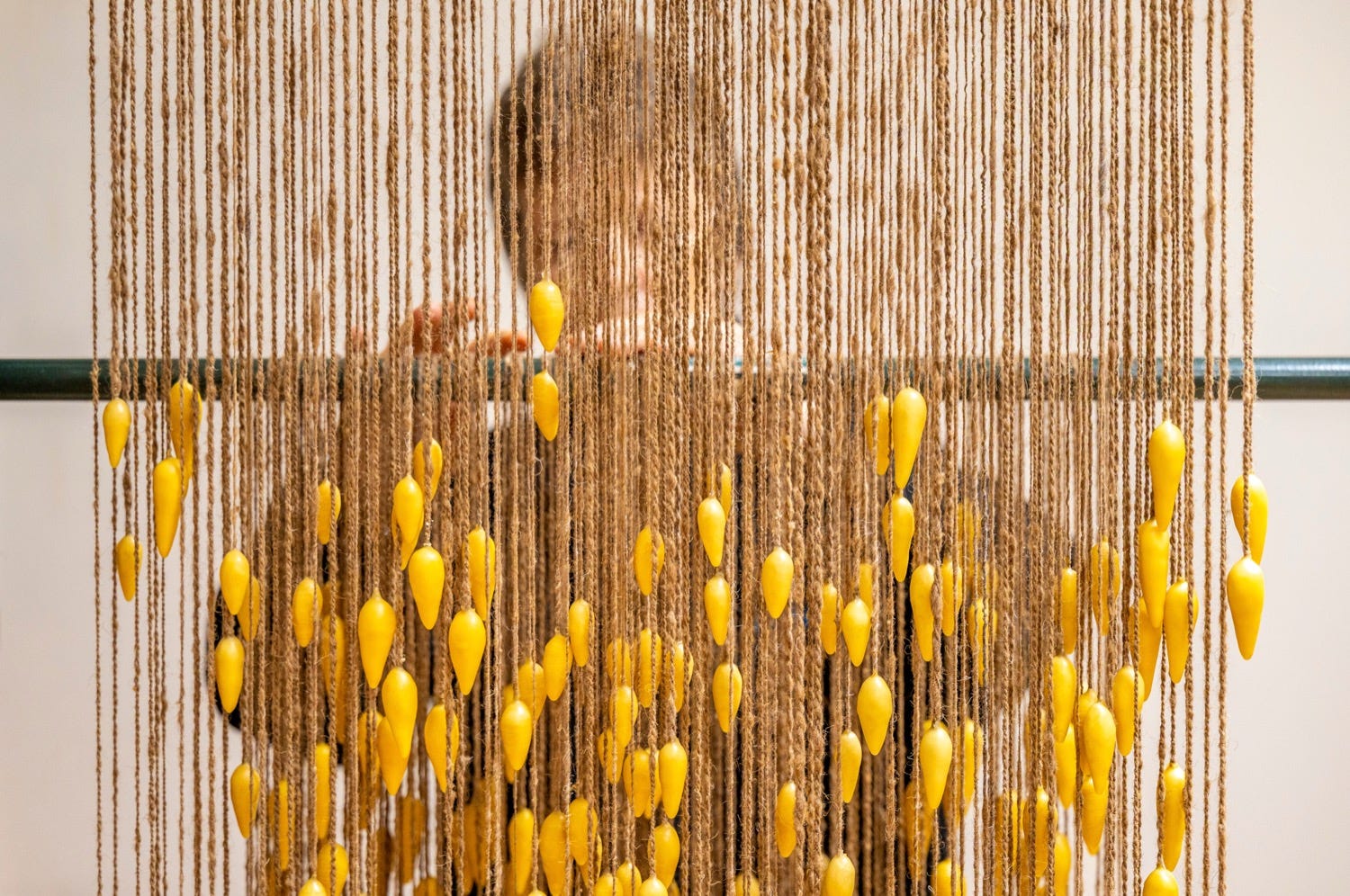
Materials reflecting the everyday resources available to the people who occupied a Northumberland Roman fort nearly 2,000 years ago have inspired a new exhibition at the military base.
Running from October 9 to December 31, the installation is the latest commission in The Land We Walk On, the Vindolanda Trust’s three-year contemporary arts programme, which involves artists with the location’s internationally significant collections and pioneering climate research.
Developed during Susie MacMurray’s artist residency at Vindolanda, the work draws directly from materials preserved in the fort’s unique archaeological environment.
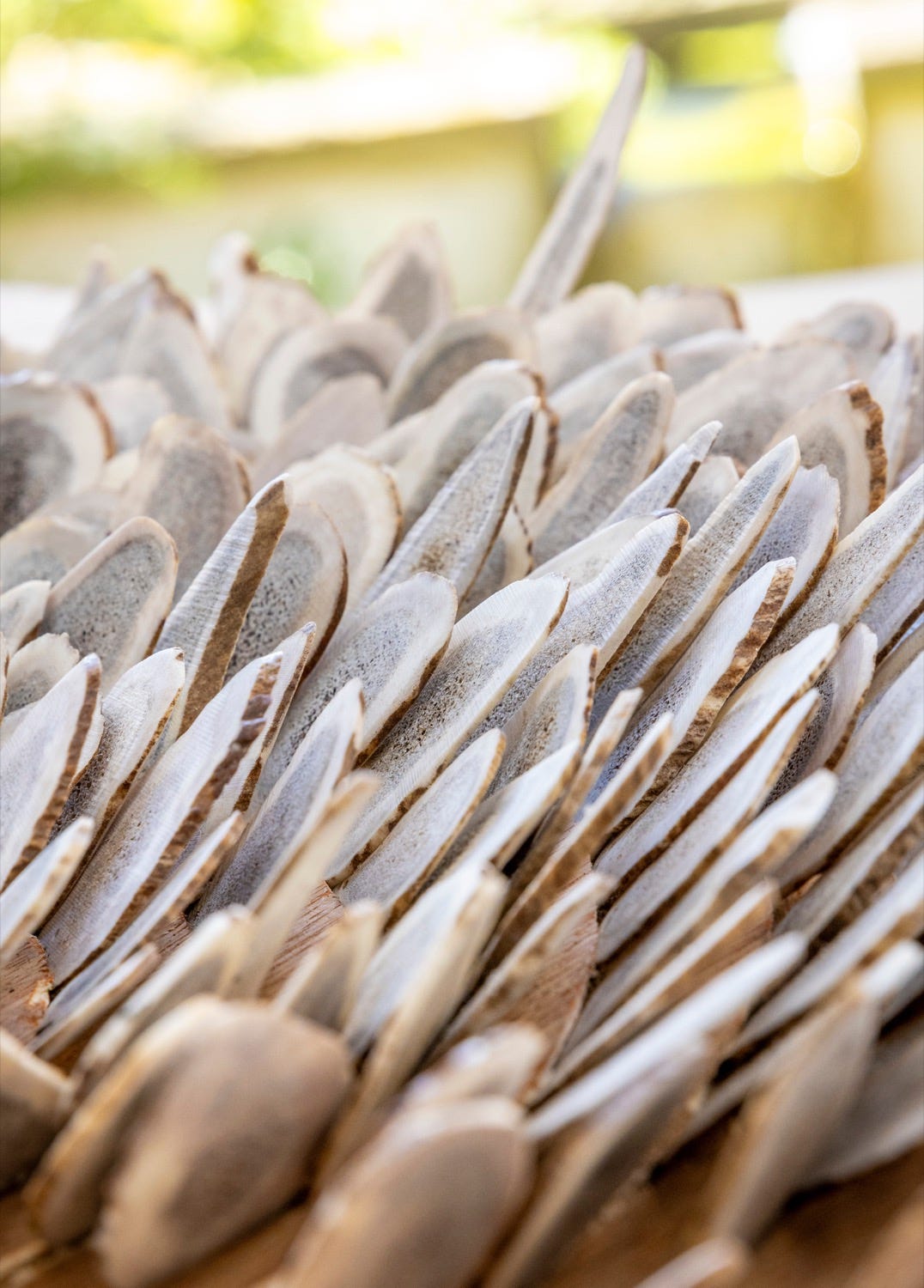
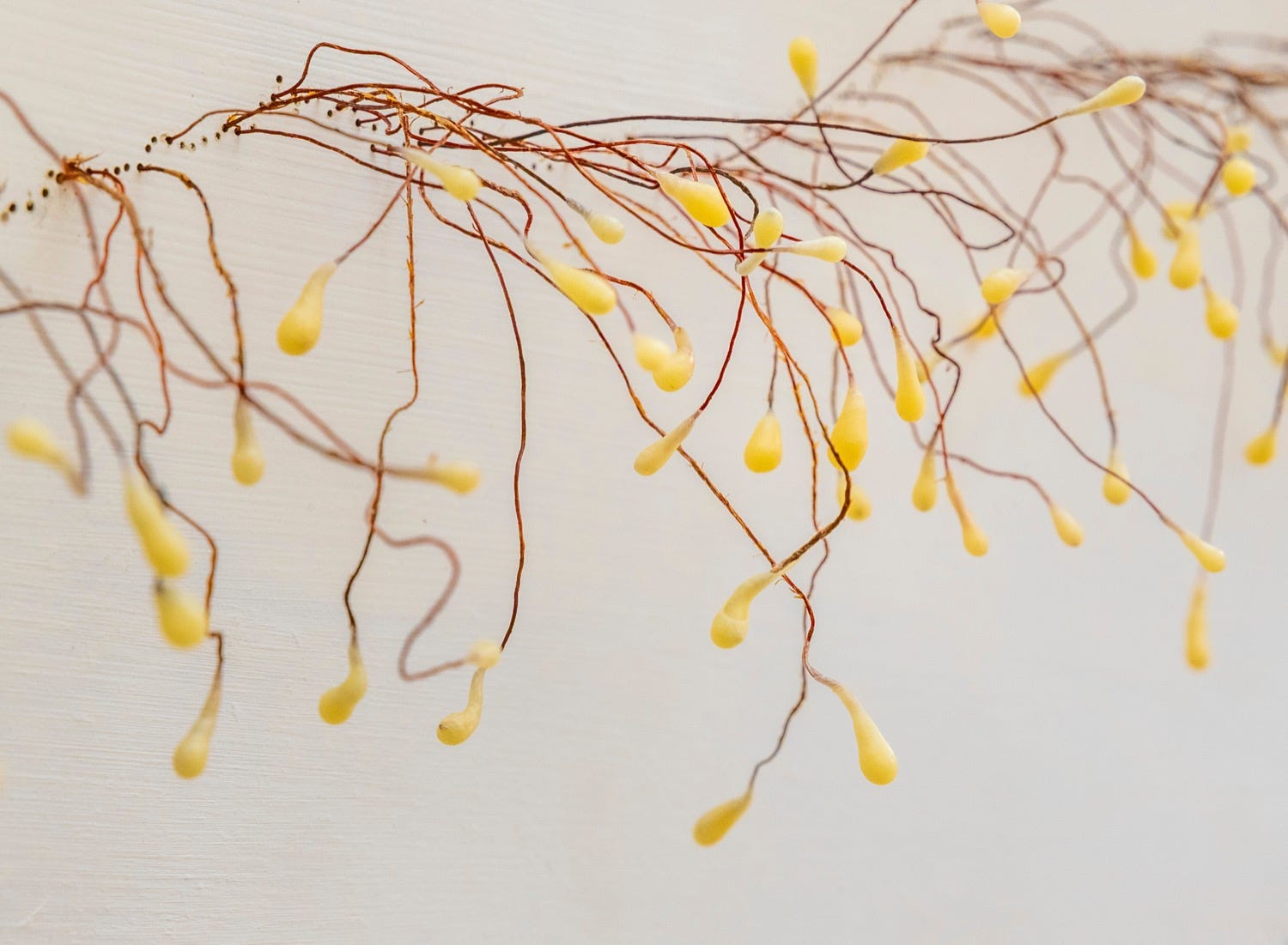
Using beeswax, Haircap moss, Soay sheep wool and bone, Susie has created three sculptural works that appear to emerge from the fort museum walls, reflecting the slow, organic processes of growth, decay and preservation that have shaped the site.
She has used contemporary techniques inspired by traditional making processes. Rather than replicating Roman craftsmanship, her work responds to it.
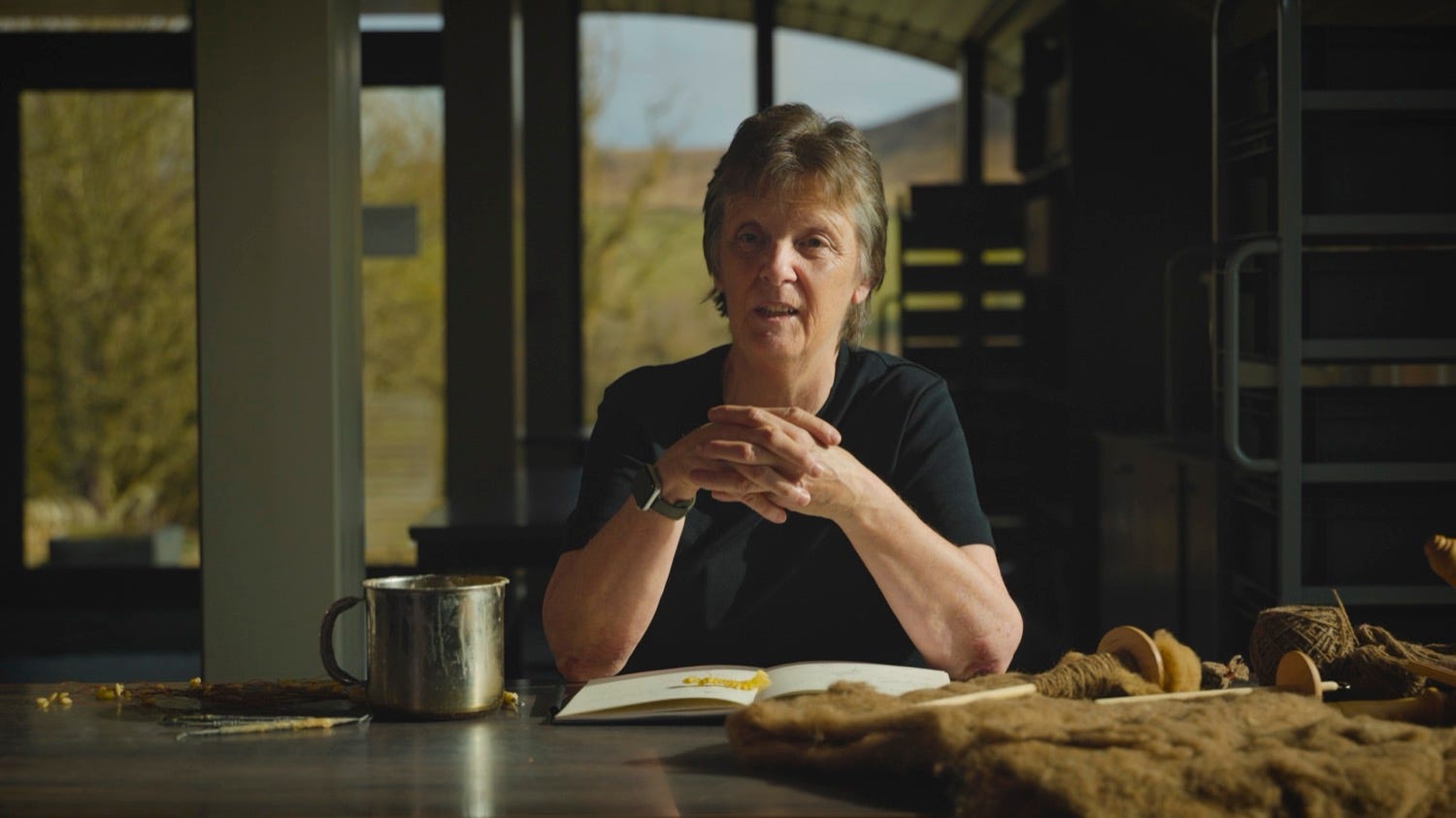
“I didn’t want to replicate the extraordinary craftsmanship evident in the Vindolanda collection,” said Susie. “Instead, I wanted to create a contemporary response using the same materials - materials that are still around us today but which we arguably undervalue.
“Working with them repeatedly, by hand, gave me a profound appreciation of the time, labour and care invested in every object preserved here.”
For the commission, Susie hand-spun over a kilo of rare Soay sheep wool, one of Britain’s oldest surviving sheep breeds and the closest living equivalent to the wool available to the Roman inhabitants of Vindolanda.
She also worked with 10kg of locally sourced beeswax from the Northumberland Honey Company in Haltwhistle and dried armfuls of Haircap moss supplied by Moss Clerks in Hawick, Scotland.
Morag Iles, contemporary art curator at the Vindolanda Trust, said: “Hosting contemporary art at Vindolanda allows us to see our collections through new and exciting perspectives. Through Susie’s artistic research we’re encouraged to ask fresh questions about the people who lived and worked here.
“At the same time, projects like this create new ways for our visitors to connect with archaeology while introducing new audiences to Vindolanda.”
Patrick Chapman, chair of the Vindolanda Trust, said: “The Trust is excited that Susie’s installations will give our visitors a new way to interpret the artefacts we preserve. It’s been extraordinary to work with an artist like Susie and witness how our collections and research have informed her artistic practice.”
Backers for The Land We Walk On include the John Ellerman Foundation, Arts Council England and Newcastle University.
Running alongside the installation, visitors will be able to explore a temporary display of archaeological artefacts that directly inspired the artwork.
A limited event series featuring talks with the artist and archaeological experts, hands-on workshops and exclusive after-hours tours has also been programmed, revealing the extraordinary preservation of organic materials that makes Vindolanda one of Europe’s most important archaeological sites.
Visit the website for more information. Susie MacMurray’s installation runs from October 9 to December 31.
