


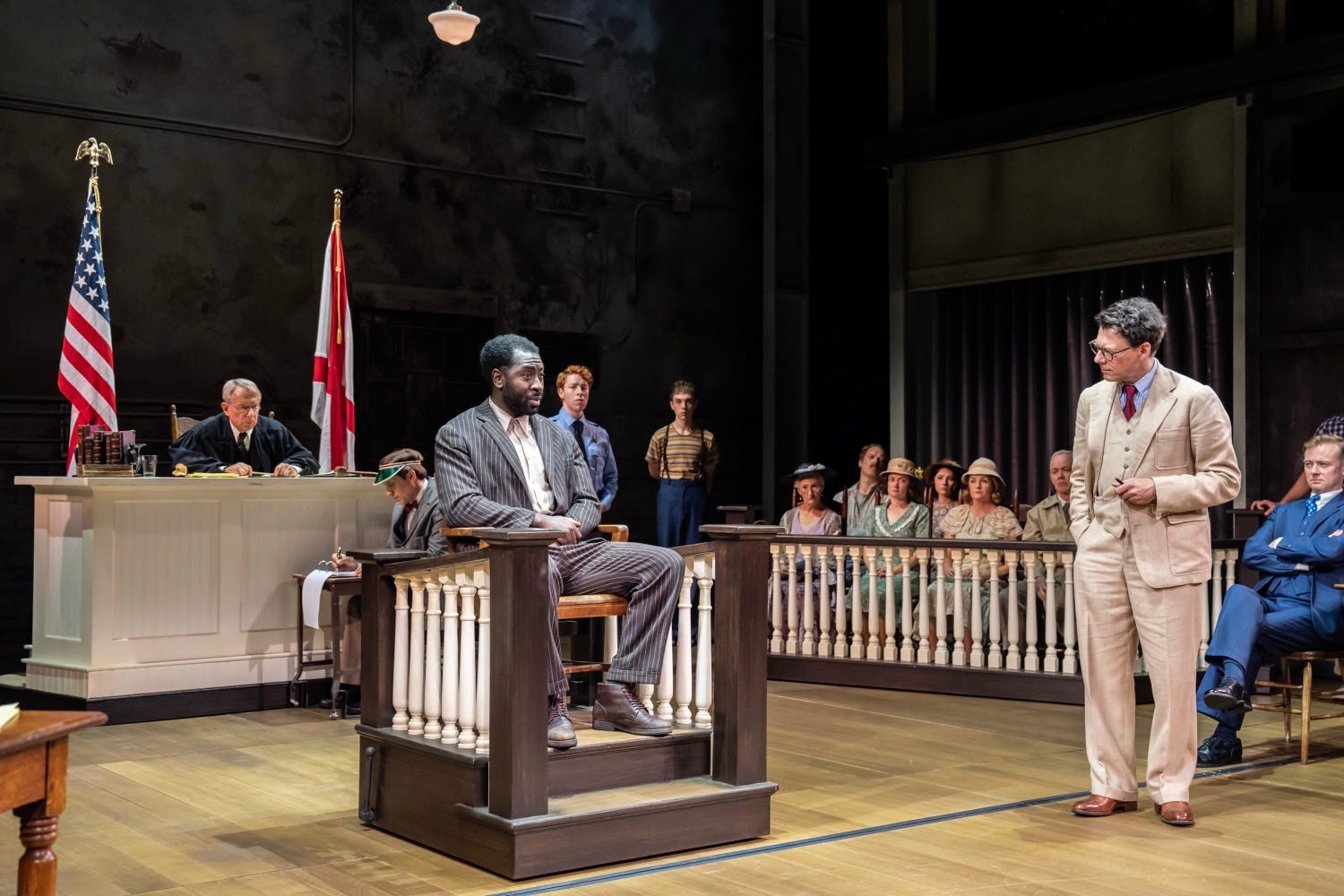
To Kill a Mockingbird arrives at the Theatre Royal as a polished, engrossing production that feels both faithful to its source and refreshingly modern at the same time.
Written by Harper Lee in 1960, the novel became an instant success, winning the Pulitzer Prize and inspiring the much-loved 1962 film starring Gregory Peck.
In 2018, a stage adaptation written by the acclaimed screenwriter Aaron Sorkin debuted on Broadway and was a massive commercial success on both sides of the Atlantic. The latest touring production is working its way round the UK and landed in Newcastle this week.
The story revolves around the fictional trial of Tom Robinson, a black cotton picker accused of the rape and beating of a white teenager in 1930s Alabama, and defended in court by idealist lawyer Atticus Finch.
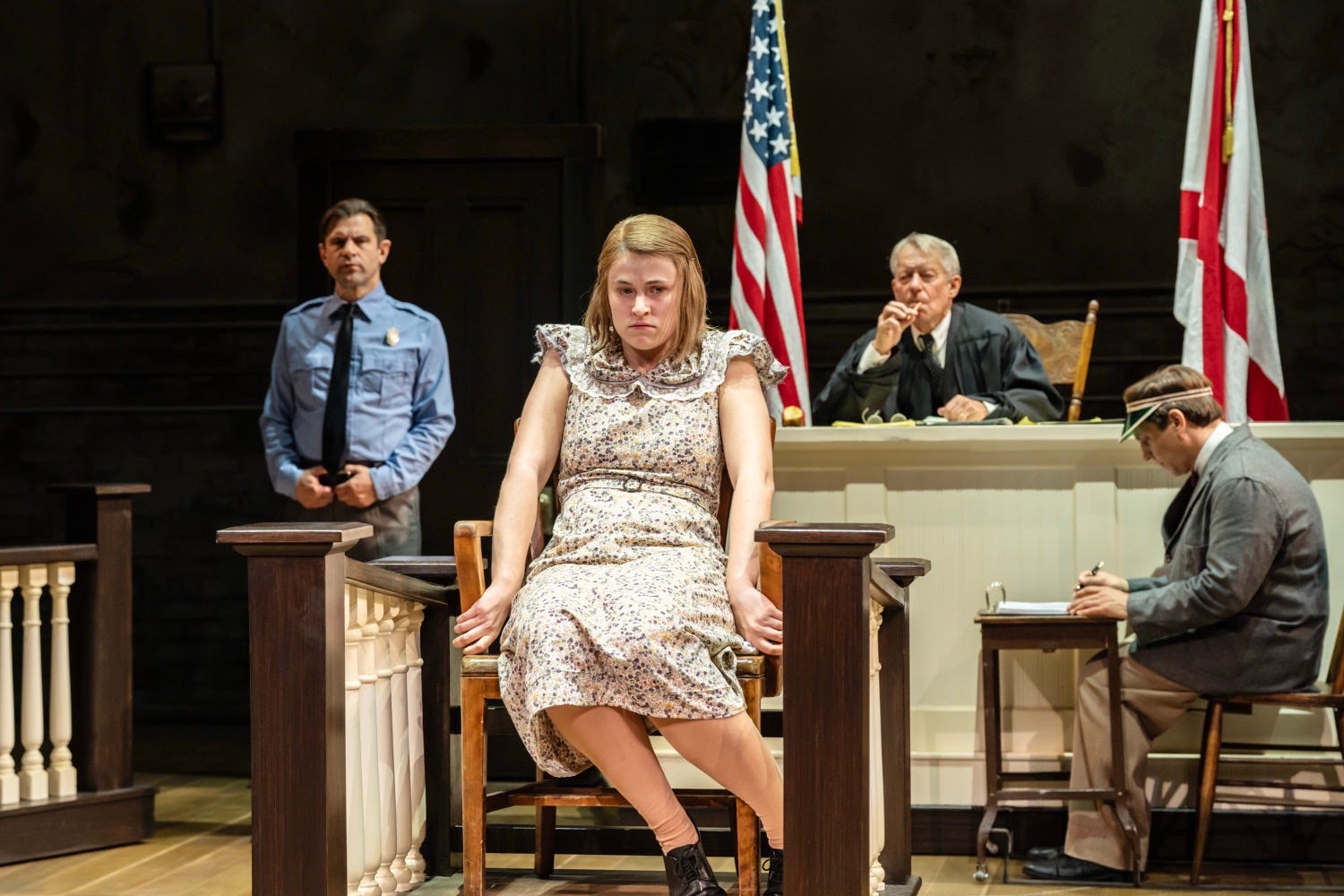
The stage adaptation varied sufficiently from the novel to attract the ire and legal objection of Lee’s estate, but Sorkin was adamant that the story needed stronger black voices to be relevant today, and also wanted to dial down the white saviour narrative.
Having not (yet) read the novel, I can only comment on the stage production, but the version of Finch that Patrick O’Kane brought to the Theatre Royal stage last night was entirely believable as a brilliant but flawed dreamer and felt as fresh as any modern protagonist.
Sorkin has always written brilliant male leads at odds with their own demons, and his Atticus stands shoulder to shoulder with the West Wing’s self-doubting president Jed Bartlet, A Few Good Men’s impetuous lawyer Daniel Kaffee and The Newsroom’s intellectually superior Will McAvoy.
Given he managed to somehow create a three-dimensional version of Mark Zuckerberg in The Social Network it probably shouldn’t come as a surprise.
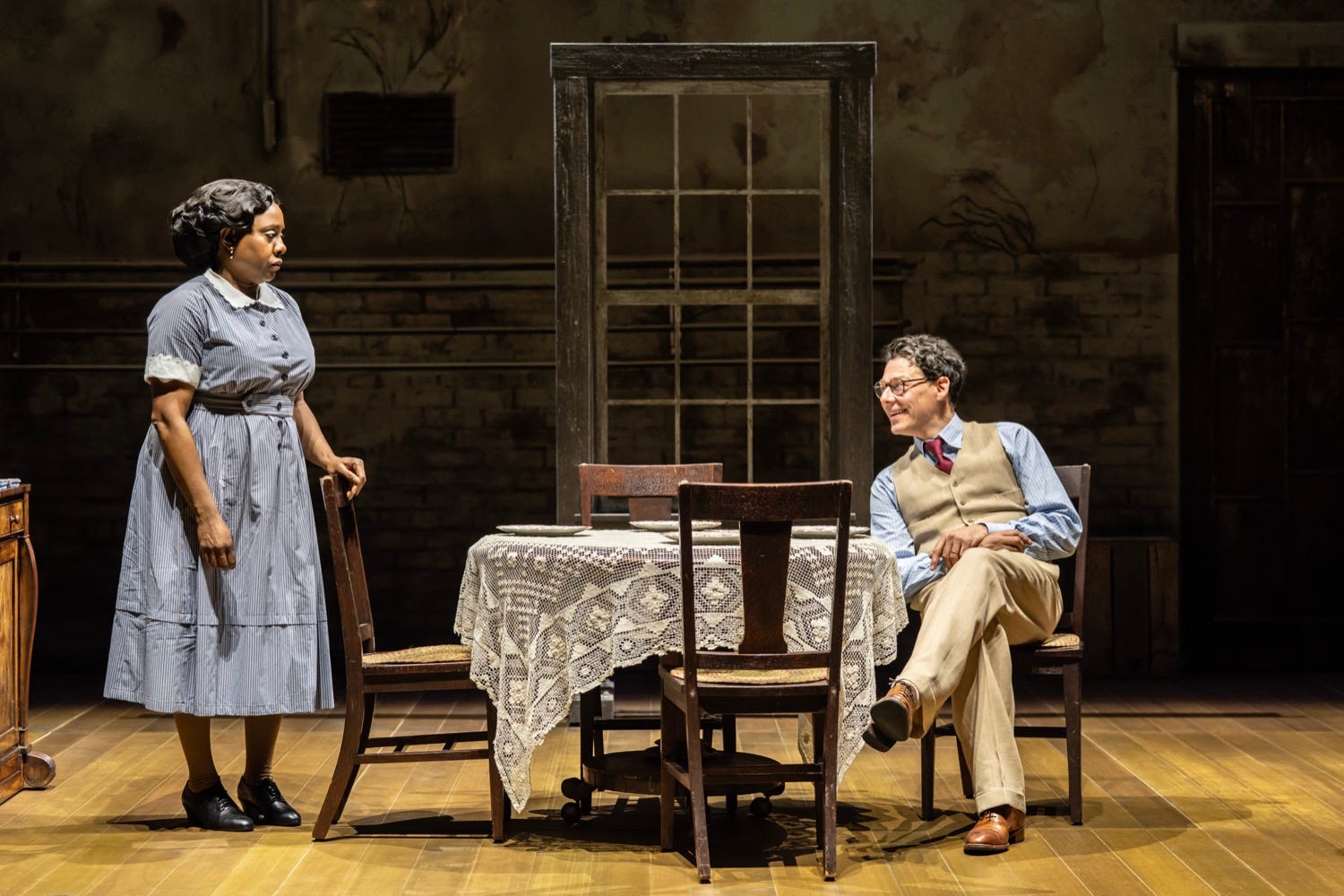
The stage version takes a non-linear approach to the narrative, which means the courtroom drama kicks off early in proceedings, with scenes from the trial interspersed with the events that led Finch to acting for Robinson and his attempts to bring up his two children Scout and Jem as a widowed father - with help from long-time housekeeper (and a lot more besides), Calpurnia.
This structure works well, ensuring the story is engaging from the outset, while Sorkin’s characteristically dense, fast-paced dialogue crackles throughout, demanding attention but rewarding it with genuine wit and real emotional weight.
Under Bartlett Sher’s confident direction, the production maintains a steady grip on both pace and tone and feels much shorter than its almost three hour running time.
The production is blessed with a fantastic cast of impressive depth, ensuring even smaller roles like the town ‘drunk’ Link Deas (James Mitchell) make a crucial impact despite their limited stage time.
Stephen Boxer is brilliant as Judge Taylor, who coaxes a reluctant Finch into taking the case and tries to keep the trial on an even keel as tensions mount.
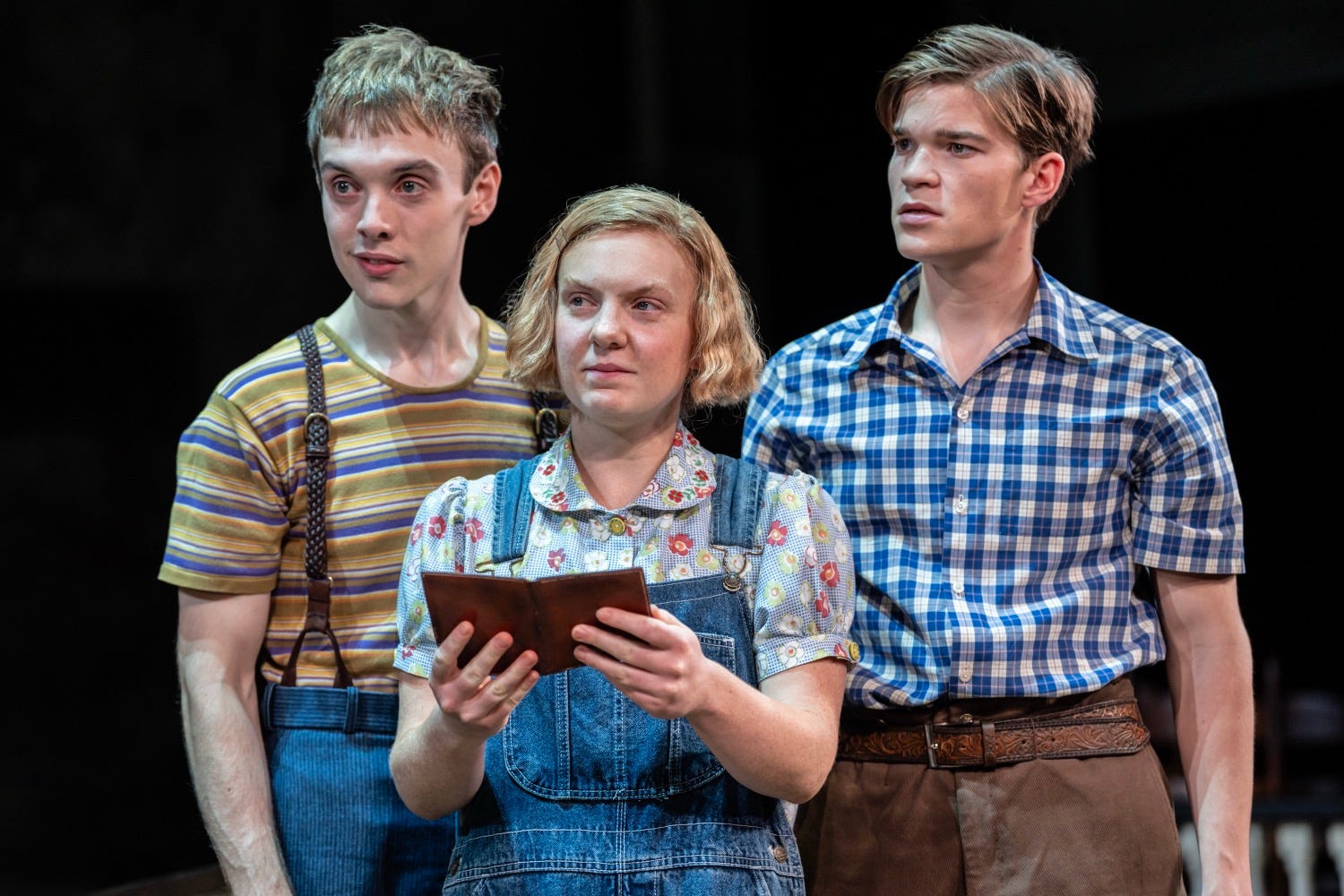
Finch’s children Jem (Gabriel Scott) and Scout (Anna Munden), and their ever-present friend Dill (Dylan Malyn) provide light relief and a sense of innocence against the darker themes of the story.
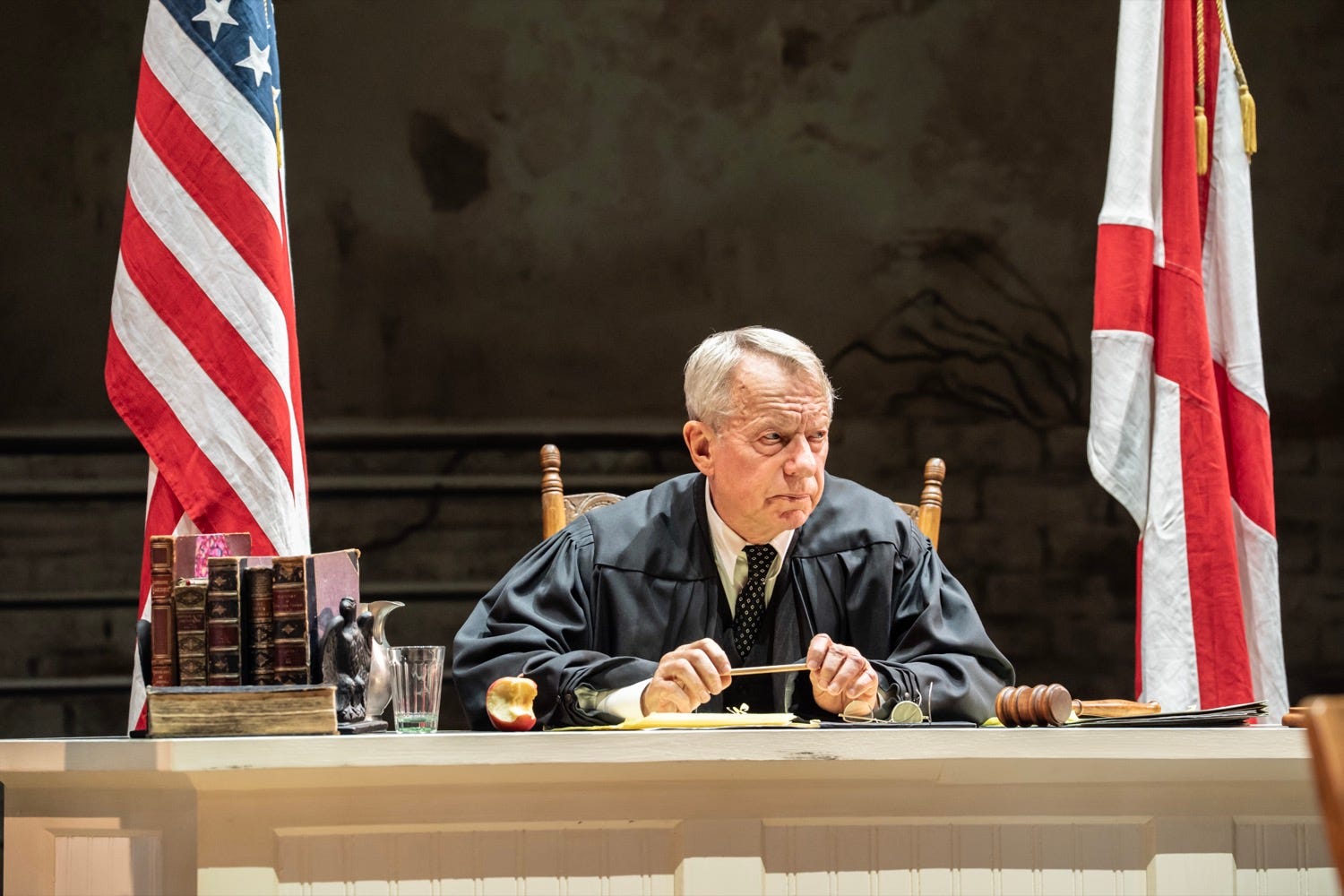
Aaron Shosanya plays the defendant Tom Robinson with powerful dignity and Andrea Davy portrays Calpurnia with knowing sass and wisdom. Both characters have greater roles in this adaptation as part of Sorkin’s attempt to make the story more compatible with modern values, and both contribute to that ambition.
The set design is particularly effective. The Theatre Royal stage feels unusually expansive, with scenes shifting seamlessly from the Finch family home to the charged atmosphere of the courtroom. Large set pieces glide in and out with precision, giving the production a cinematic fluidity that keeps the pace brisk and the storytelling clear.
To Kill a Mockingbird is a powerful and engaging production, combining strong performances with assured direction and a wonderful script that still feels urgent today. The show is at the Theatre Royal until Saturday (April 25), with limited tickets remaining.