


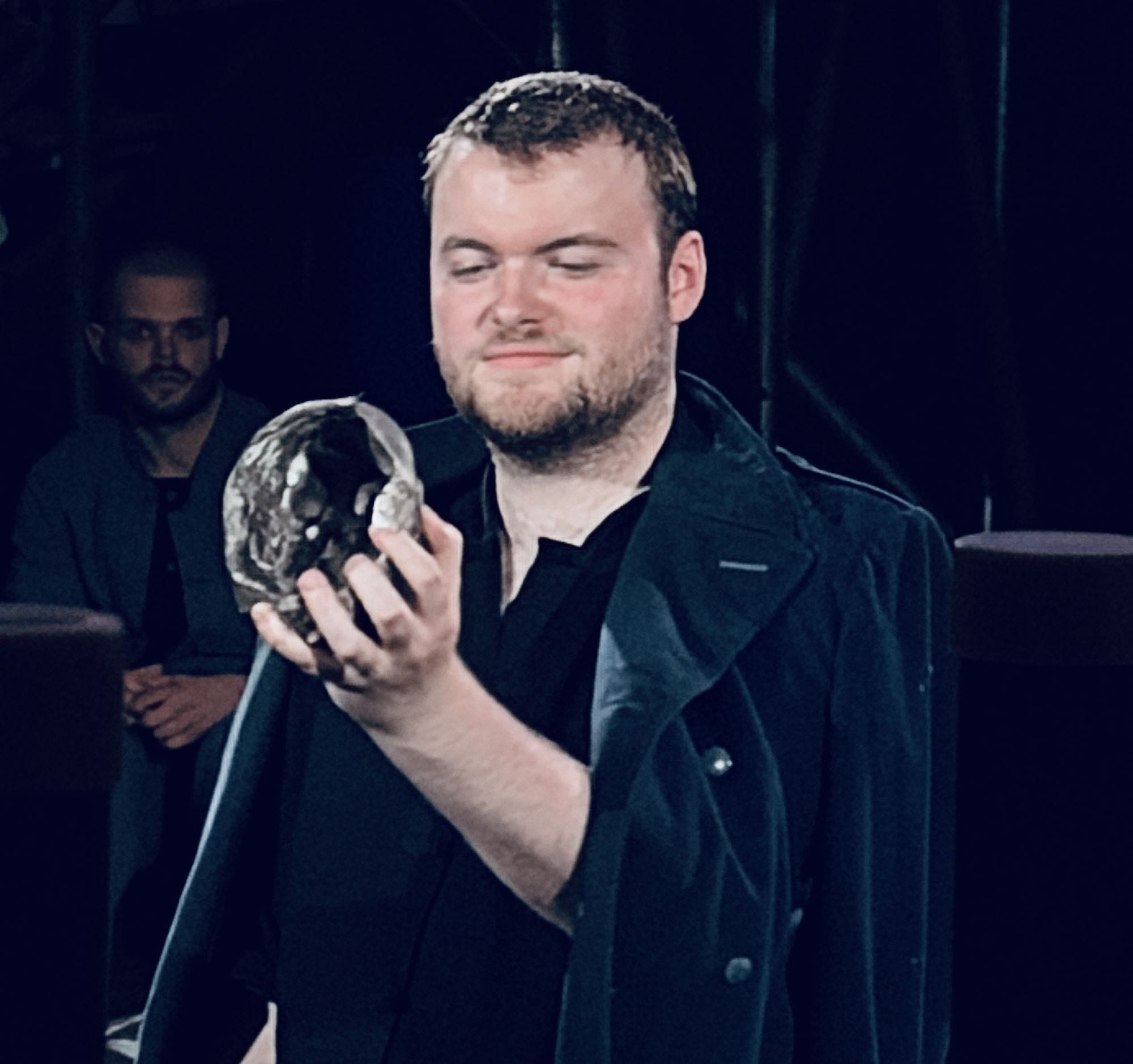
Horden’s new theatre company christens Horden’s new theatre (a phrase that even now seems as likely as a flock of flying whippets) with a Shakespeare production.
It’s Hamlet.
More accurately, it’s The Tragicall Historie of Hamlet, being – pause for learned aside - the First Quarto version of the play rather than that of the more often performed First Folio.
How many times can this have been a hot topic in Horden since the village was born over the coal seam below?
But that’s what happens when someone like Mark Dornford-May moves in, a man struck by the strange but wonderful thought that what this place needed was theatre.
More fool the doubters now. Mark has been heard to say that Ensemble ’84 is the biggest employer in the village – although local resident and now company manager Janet Brown (also credited with costume and design) has seen a few false dawns.
“We’re skint,” she announced cheerfully after pointing out the exits to the first night audience.
Not true in the strictest sense, perhaps. Ensemble ’84 is still supported through Durham County Council’s Into the Light cultural programme… and did you ever hear of a theatre company that didn’t claim to be skint?
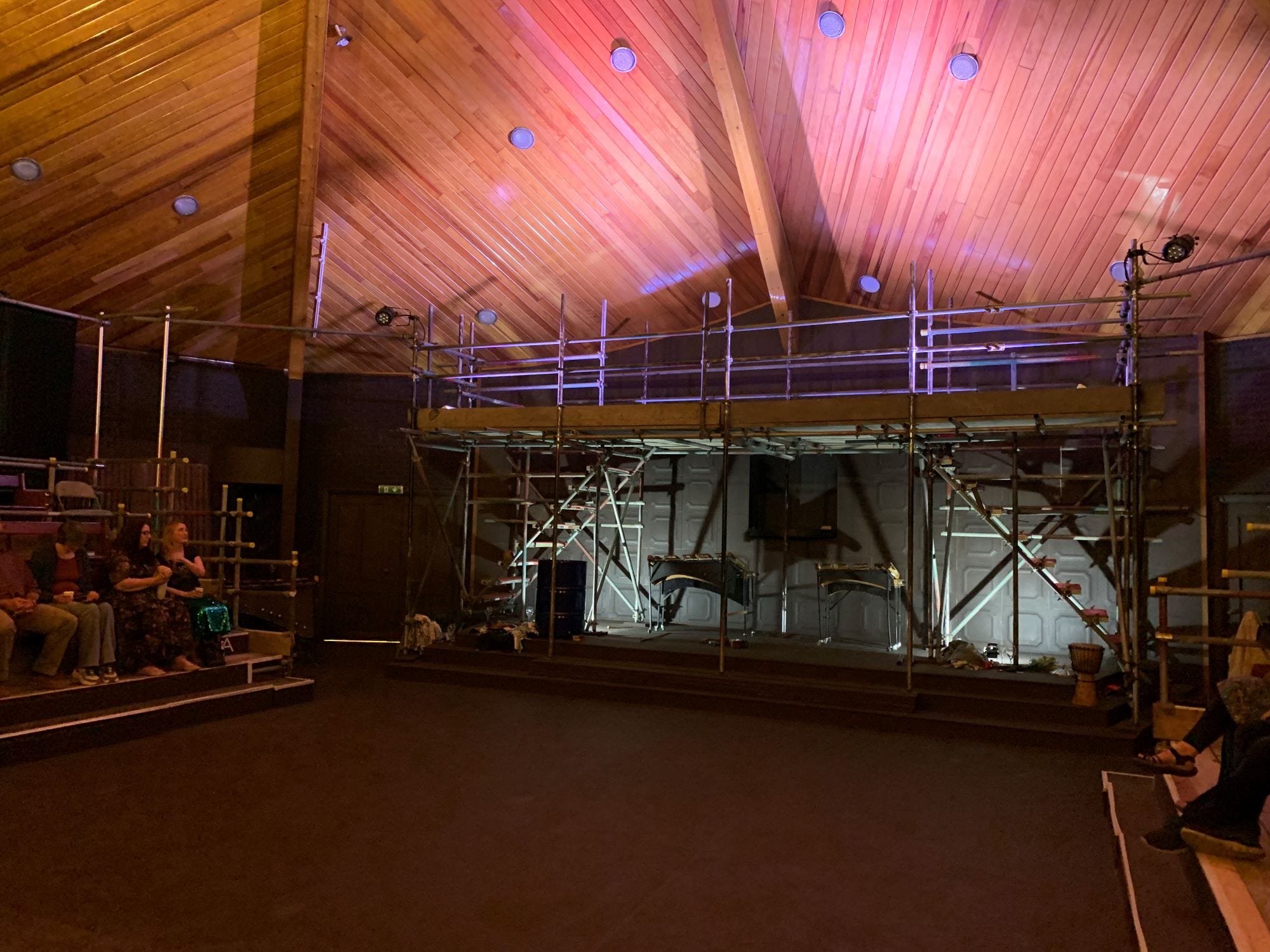
But wonders having been worked, what was Our Lady Star of the Sea, the village’s not-very-old Roman Catholic church, is now The Playhouse, having been formally opened by Sir Ian McKellen.
It’s a splendid venue, still a bit rough and ready (portable loos outside) but with a no-nonsense aesthetic, the hard old pews raised around a central performance area and with much owed to the scaffolder’s art – notably here for the battlements of Elsinore.
Textual considerations aside, what really distinguishes this production is its full throttle nature, the actors applying the same percussive energy to the Bard as they did to Mother Courage and the locally-inspired Pits, People and Players (to be revived from June 11 to 13).
They saunter on barefoot, a true ensemble, drum and marimba summoning audience attention before a word is spoken.
And you won’t miss a single one.
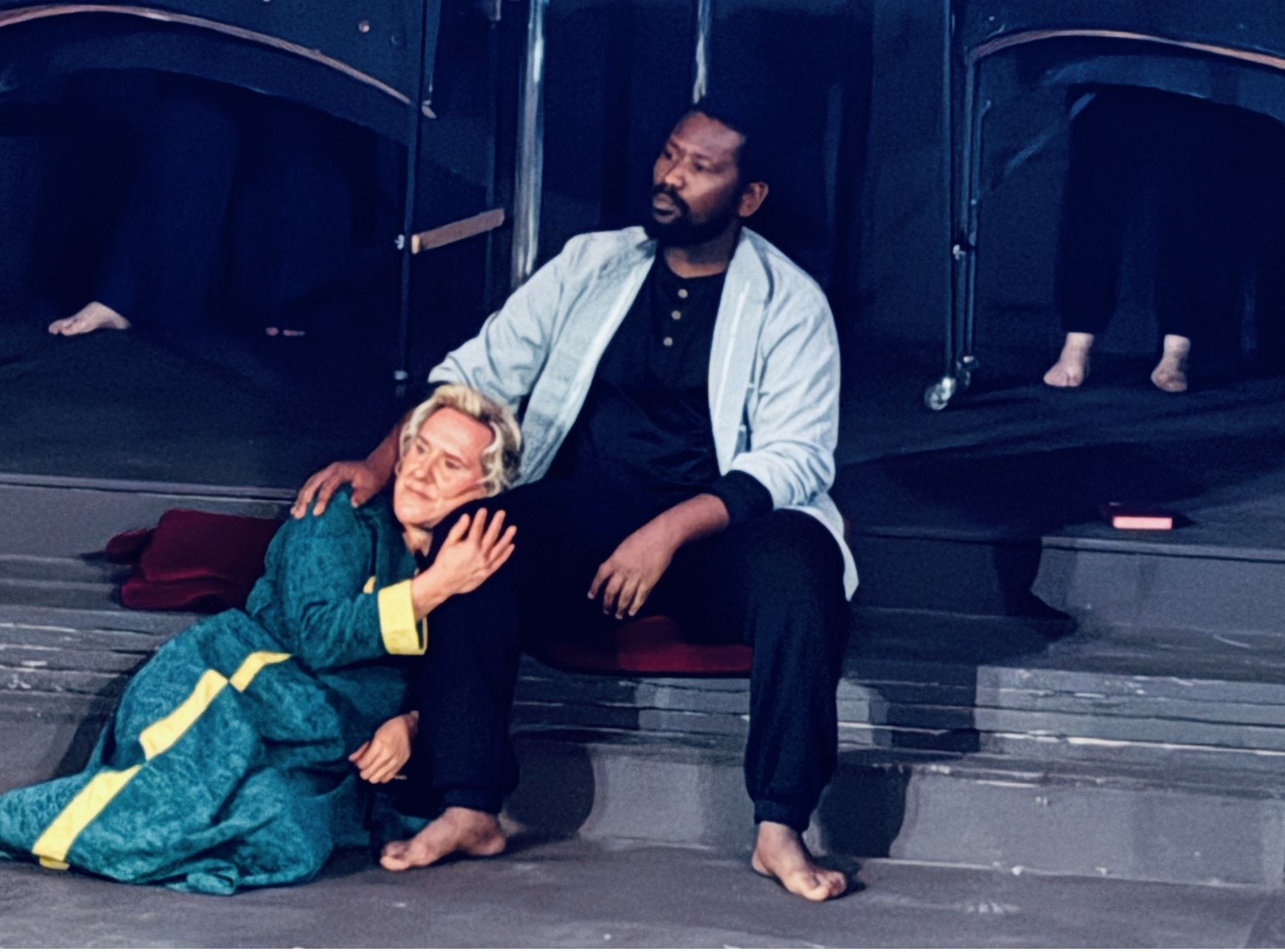
An acoustic fashioned to amplify the whispered supplications of the most diffident priest makes volume no problem – although the ghost of Hamlet’s father manifested by Thandolwethu Mzembe, who could probably make himself heard in a gale from the top of Penshaw Monument, came as a bit of a shock.
Mzembe, an actor from the Isango Ensemble, Dornford-May’s renowned South African creation, also plays Claudius, underlining the diverse, outward-looking nature of this Horden enterprise.
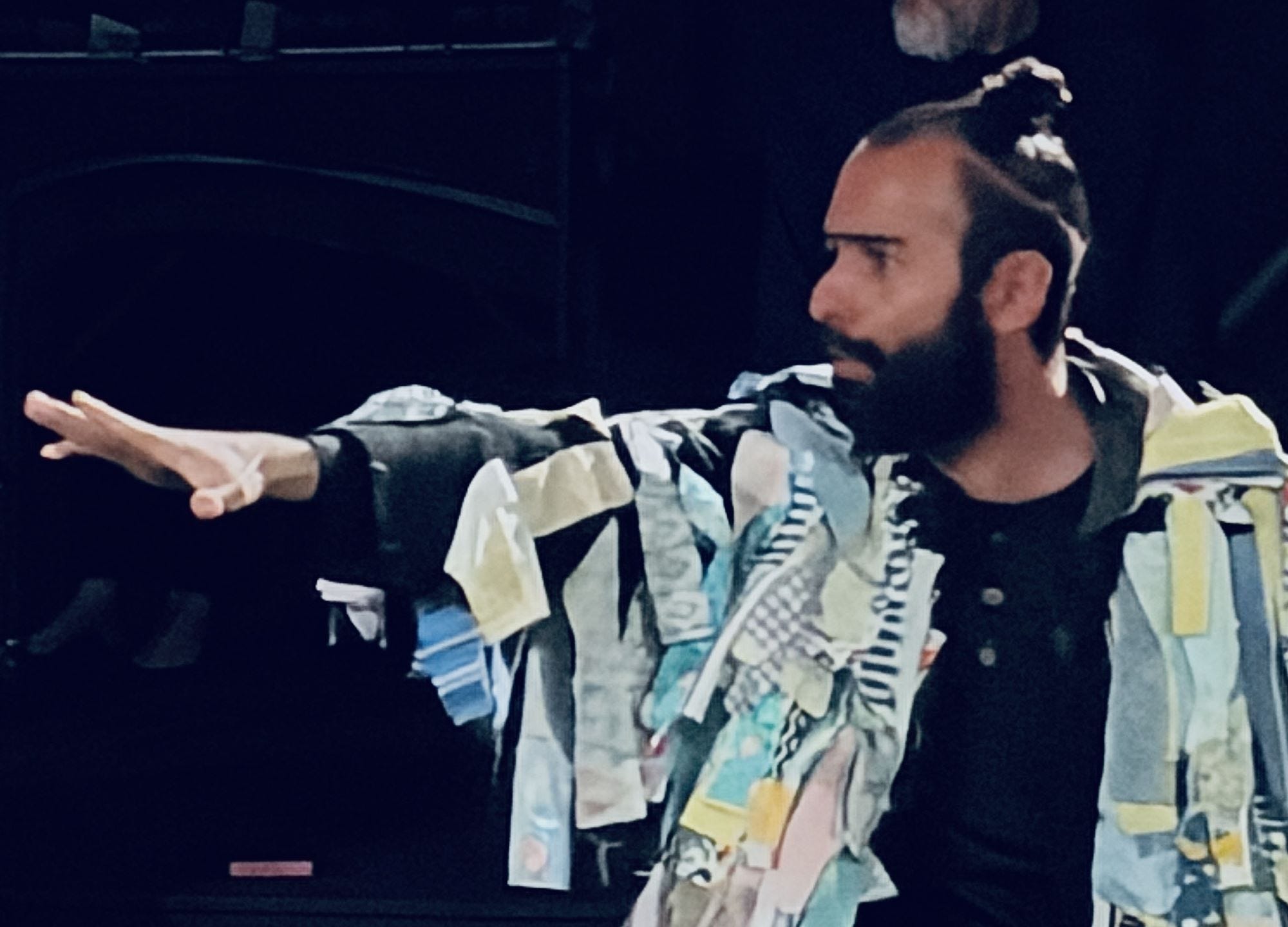
It’s reflective of modern society. A now professional cast drawn from the local area includes Balder Nieto, a Murton-based Mexican whose double role as Fortenbrasse (First Quarto spelling) and the Player King adds another touch of linguistic exoticism to this production.
It fairly rips along, 90 minutes without a break (spurn the Portaloo at your peril) and with not a dull moment.
Full marks to the creative team. It’s good to see Max Roberts, Live Theatre’s one-time long-serving artistic director, credited as theatre director – and choreographer Lungelo Ngamlana (choreographer) and Drummond Orr (lighting) also contribute their long experience.
This is a quality mostly lacking among the performers but they’re all truly impressive.
Joseph Hammal gives us a furious Hamlet, raging from every sinew that mother Gertred (Gertrude in the First Folio, played here by Wendy Hindmarch) married Uncle Claudius who had murdered his father – as revealed by Mzembe’s electrifying ghost.
When not outwardly furious, he simmers; but never does he miss a word or a beat.
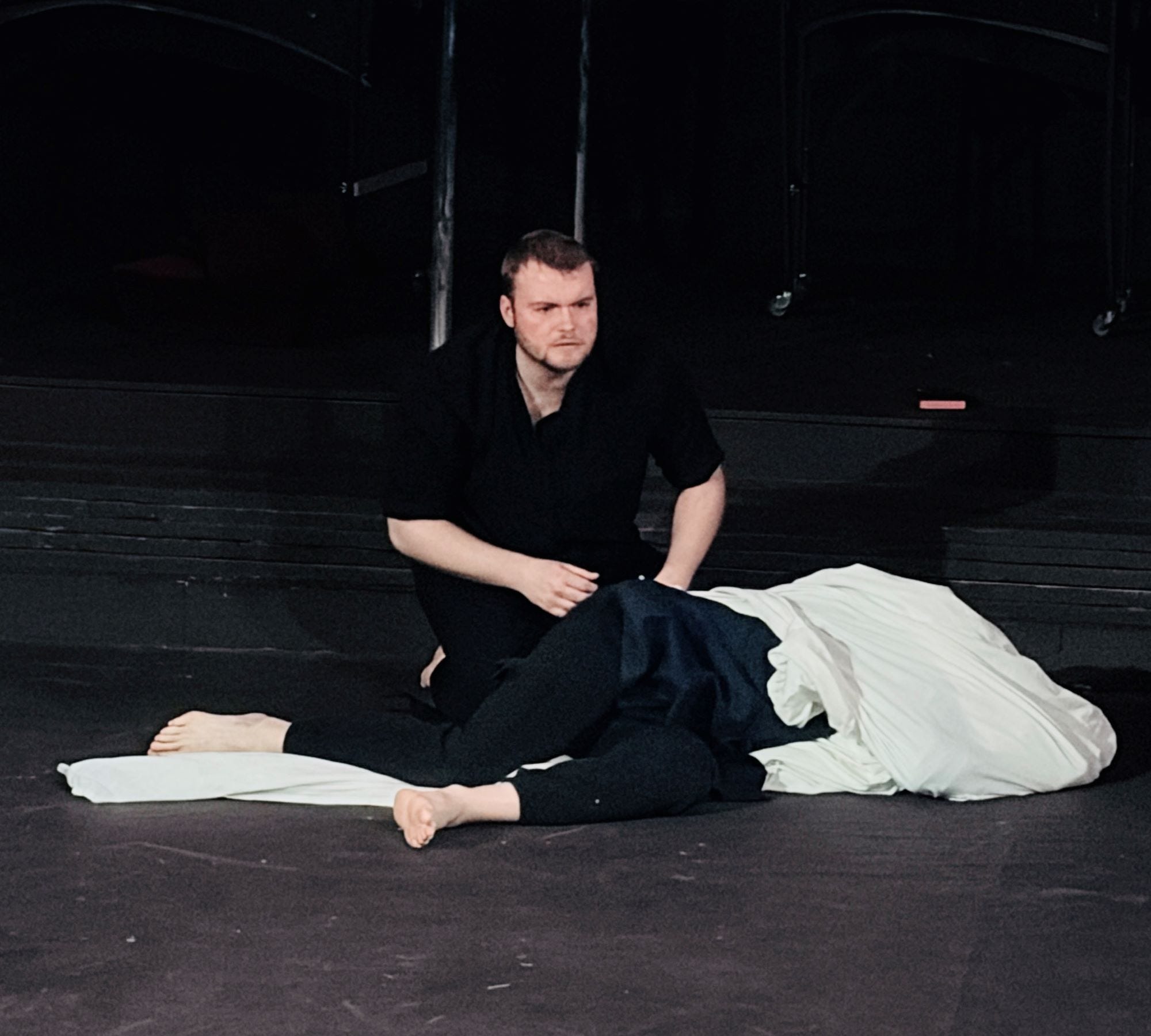
If I tell you that Brodie Jobson’s Leartes (Quarto spelling or programme misprint… not sure) is even more furious, that’ll give you some idea of how absolutely bloody furious he is.
He has good reason. Hamlet did for his dad (not Polonius in this version but Corambis, played by Keith Irons) and sent sister Ofelia (not Ophelia) to a watery grave with his confused ravings.
Ofelia in this production… just wow!
Willow Pearson’s performance is up there with the best I’ve seen. Her Ofelia gets truly roughed up but she maintains a mesmerising, tragic dignity. All the stuff with the flowers and the singing can seem forced, a bit fey.
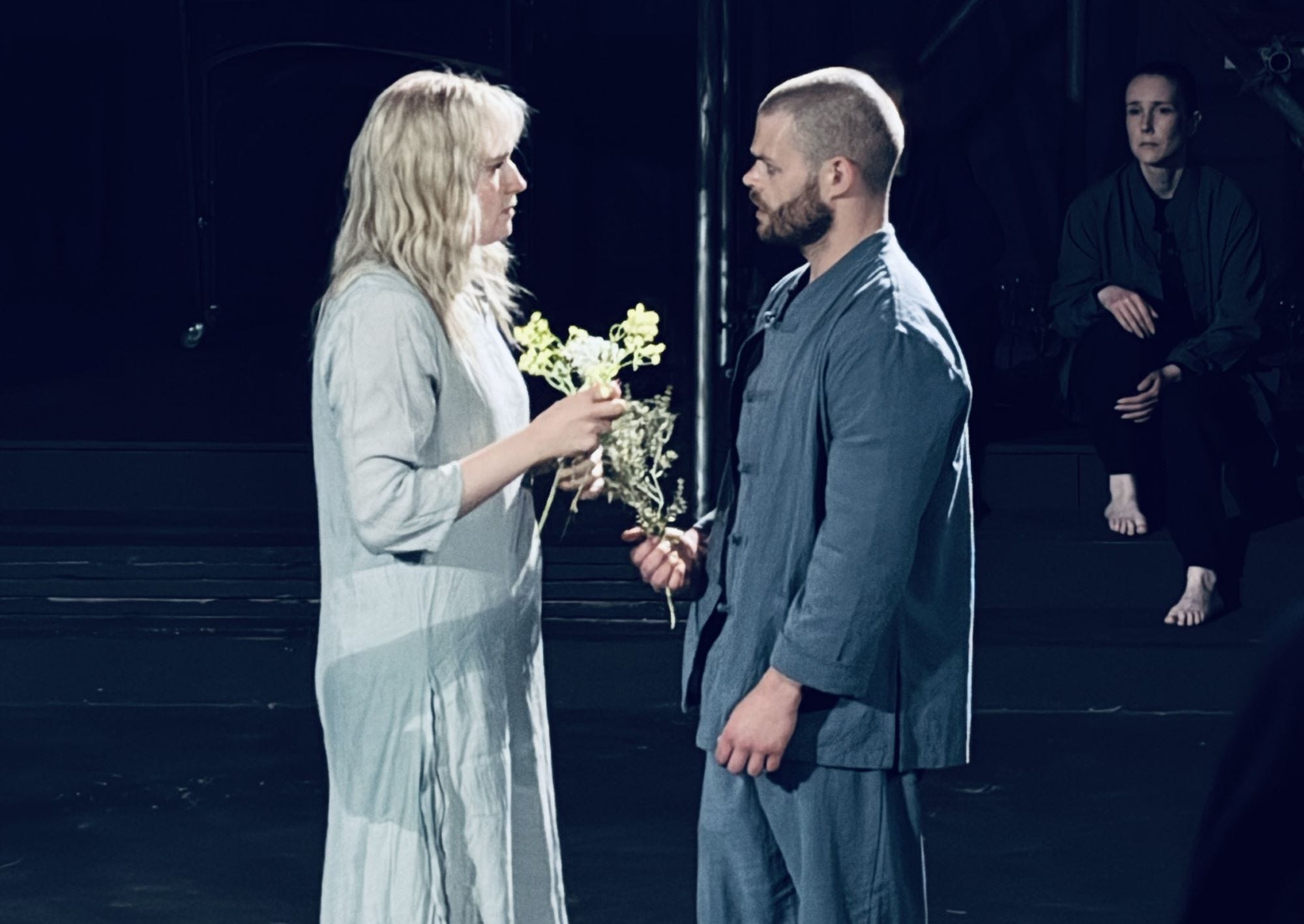
Not here. This makes sense. This seems real. You sit in this theatre in close proximity to the actors and this Ofelia, beautifully served by the girl from Peterlee, made my heart ache.
I hope Ensemble ’84 continues to thrive, making Janet Brown even more irrepressibly cheerful. Horden really does have something to be proud of here. The sky’s the limit.
The Tragicall Historie of Hamlet is on at The Playhouse, Horden, until June 6. Tickets from the Ensemble ’84 website.