


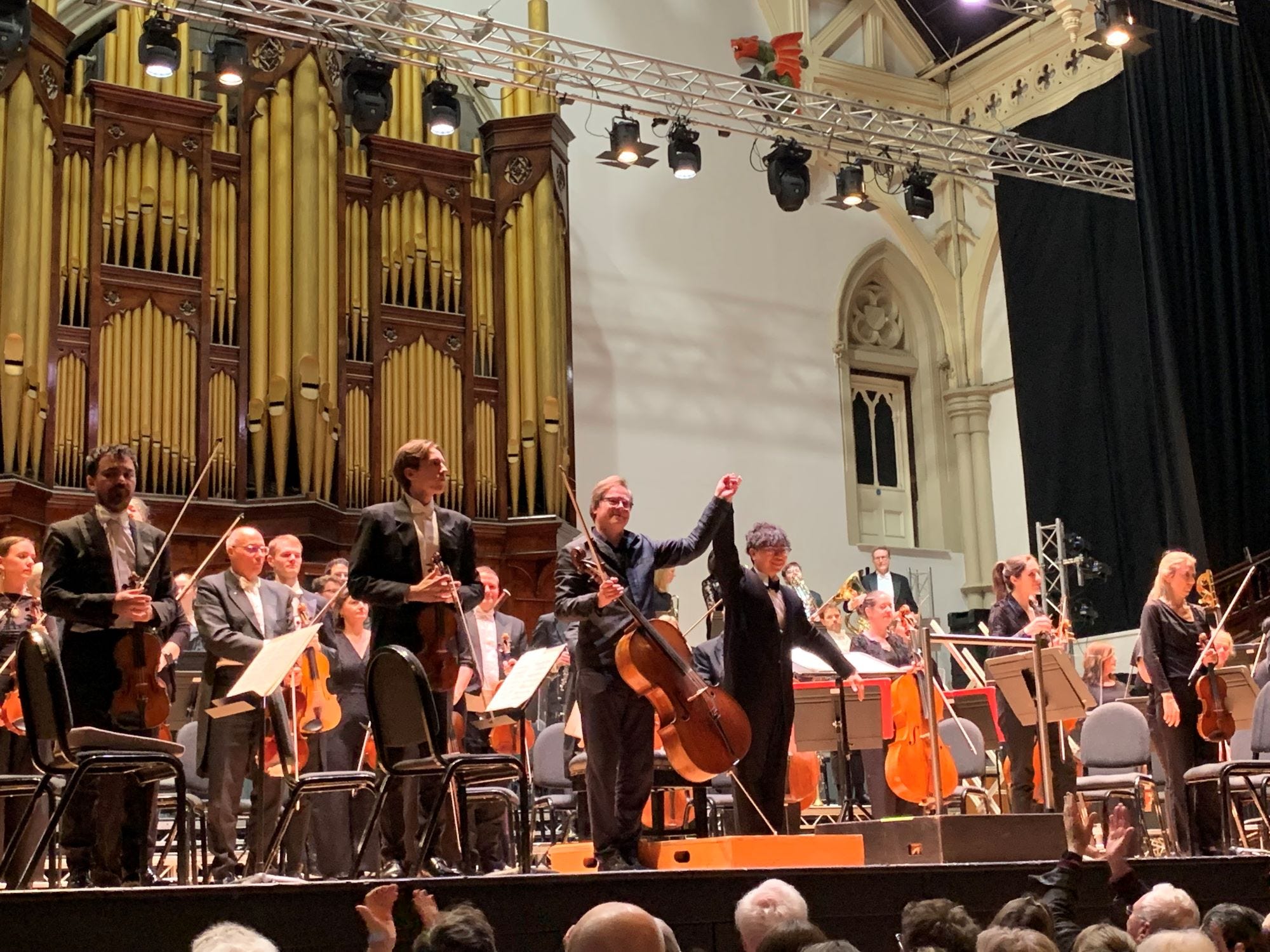
On a night when Middlesbrough was mimicking an Atkinson Grimshaw painting, rain lashing buildings and puddles reflecting the light, in washed The Hallé.
Manchester’s time-honoured ‘rain capital of England’ title is clearly under threat but the city is still home to this famous orchestra.
And it has been on the road, perhaps in search of sunshine but certainly bringing none with it.
Moreover, its Town Hall programme featured a piece that one American critic, in the early days, called “melancholy and generally depressing”.
Elgar’s Cello Concerto, composed just after the First World War, had a shaky British premiere in 1919, as Jan Vogler, the soloist here, mentioned in his pre-concert talk.
But he said he had grown to love the piece, as many others have. He knew of the famous performance by the late Jacqueline du Pré which brought it out of the shadows in the 1960s.
In a survey last year, BBC Classical Music magazine (surely not biased?) rated the Elgar top of a list of the best cello concertos.
Vogler, who grew up in East Berlin where his father was also a cellist, is New York-based now but leads a hectic, globe-trotting lifestyle, as most in-demand classical soloists do.
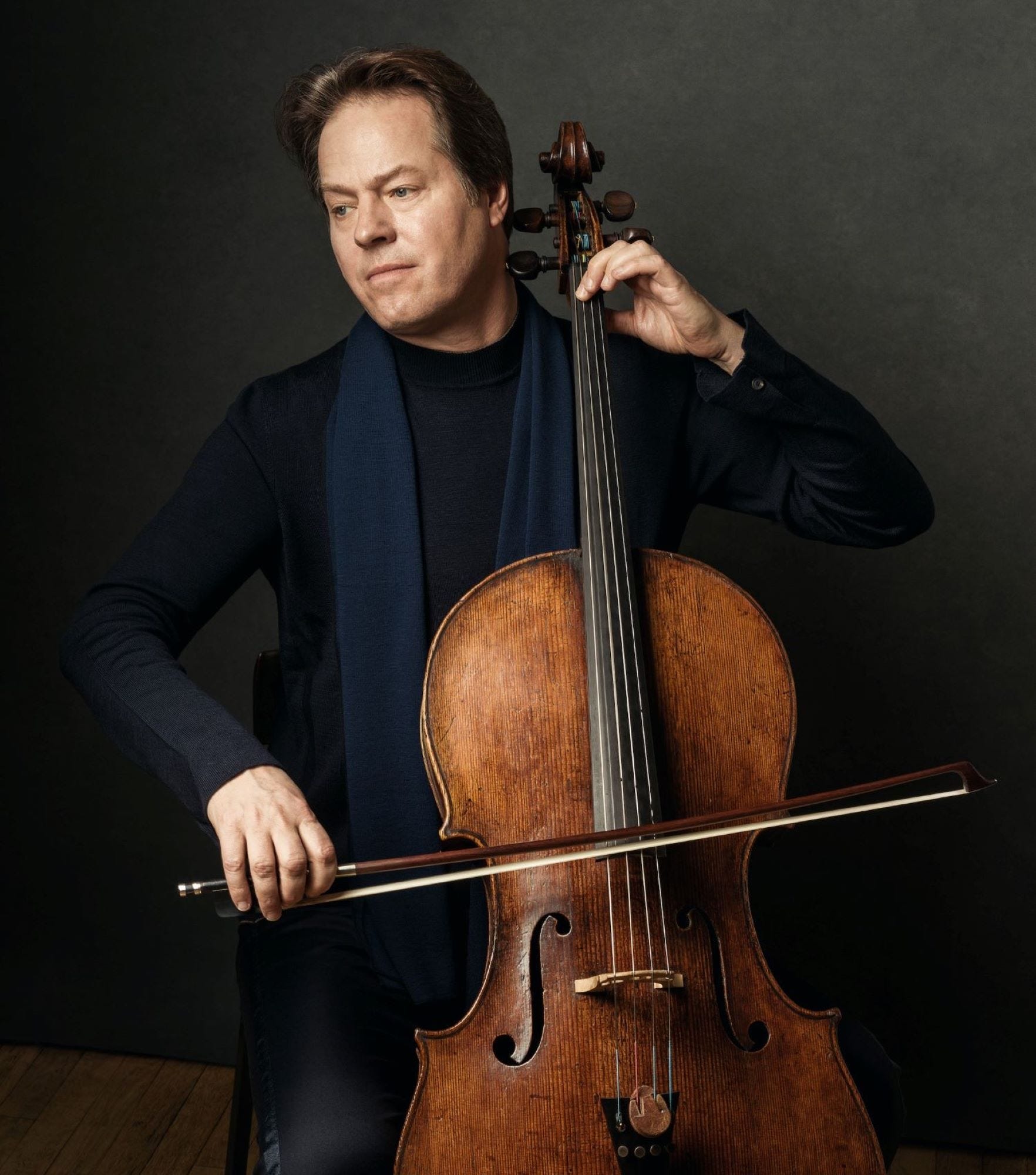
He is living his boyhood dream, even a wet Wednesday night in Middlesbrough failing to dampen his spirits.
Quiet the reverse, in fact. Laughing, he urged his audience not to believe anyone who claims orchestras from Germany and Austria are the best.
British orchestras could more than hold their own, he insisted, and nothing we heard here made that seem remotely implausible.
Vogler opted to perform Shostakovich’s Cello Concerto No. 1 (11th and last on that list) for his other concerts on this short tour with the Hallé, marking his first association with the orchestra.
Middlesbrough alone got the Elgar, although Vogler did air it in Eastbourne earlier this month with the London Philharmonic. We were the lucky ones, I reckon, for this was a terrific concert.
Warmed up by Sibelius’s Andante festivo, a sparkling taster, Wednesday’s audience seemed ready for the deeper, moodier emotions plumbed by Elgar’s famous piece.
And Vogler, the latest custodian of a rare and very valuable Stradivarius cello, delivered in spades, supported by an orchestra alert to every subtle nuance.
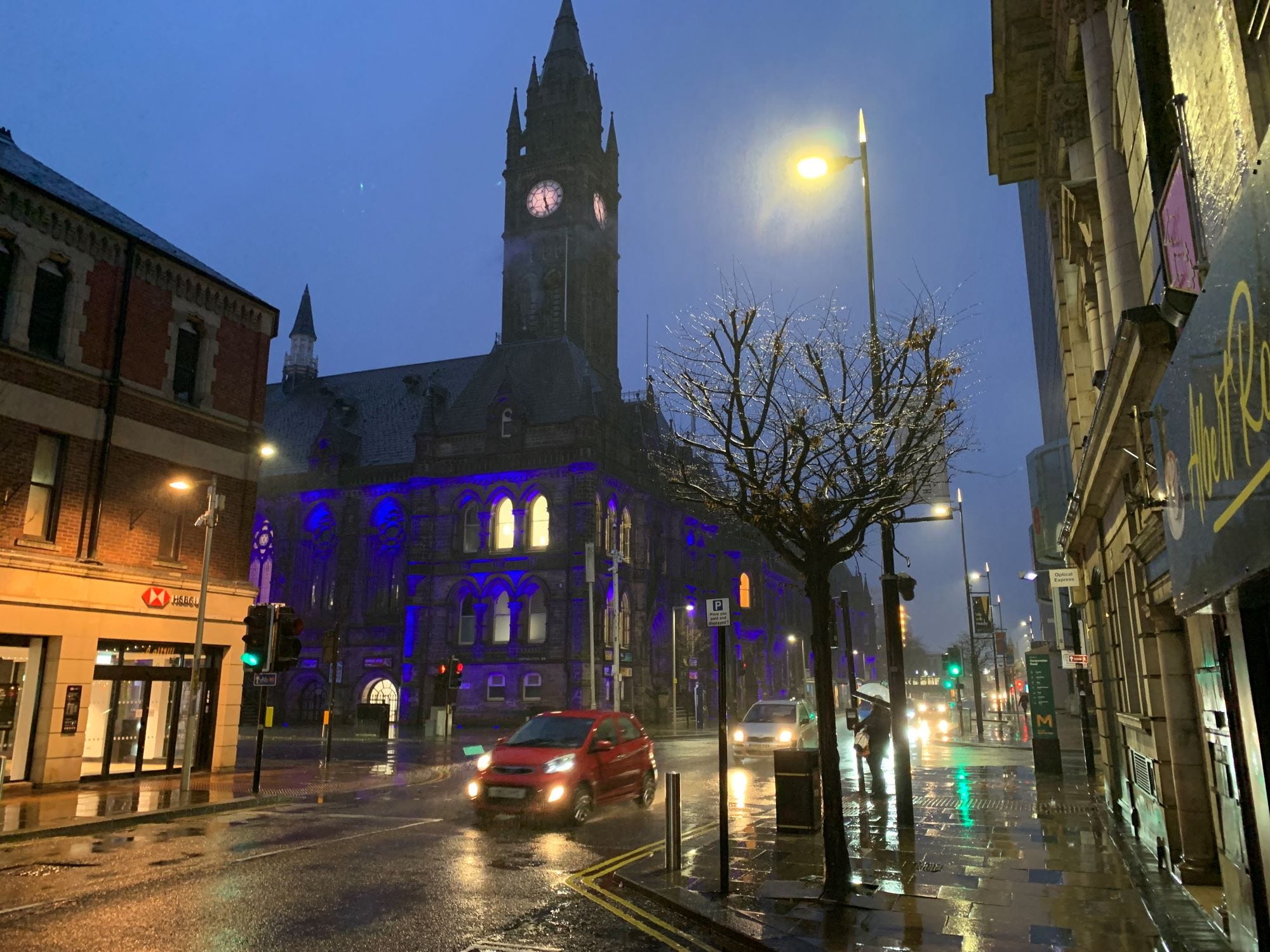
It was brilliant, edge-of-seat stuff, moments of serene bowing punctuated by explosive pizzicato plucking – and with the Hallé’s principal conductor, the Singaporean Kahchun Wong, guiding and cajoling benignly from the podium.
At the end the audience matched effort with effort, applause resounding in this impressive hall. Soloist and conductor seemed genuinely touched.
After the interval came Beethoven’s dramatic Symphony No. 3, ‘Eroica’, another showcase for the skills of a wonderful orchestra, now largely on its feet since most of the seats had been taken away.
Visually it added a little extra zip to proceedings, an occasional swing of the hip or the gents’ coattails to mark a beat. Perhaps on stage the violinists were envying the cellists, who had retained their perches, but it was interesting for those of us sitting out front.
Melancholy? Depressing?
Neither adjective matched this night of exhilarating virtuosity which seemed to send most people back out into the rain with a spring in their step. If at all like me, they will have felt energised.
Next up in the classics programme at Middlesbrough Town Hall is the Royal Northern Sinfonia (March 26) with Beethoven’s Seventh and Stephen Hough the soloist in Brahms’ Piano Concerto No. 1.