


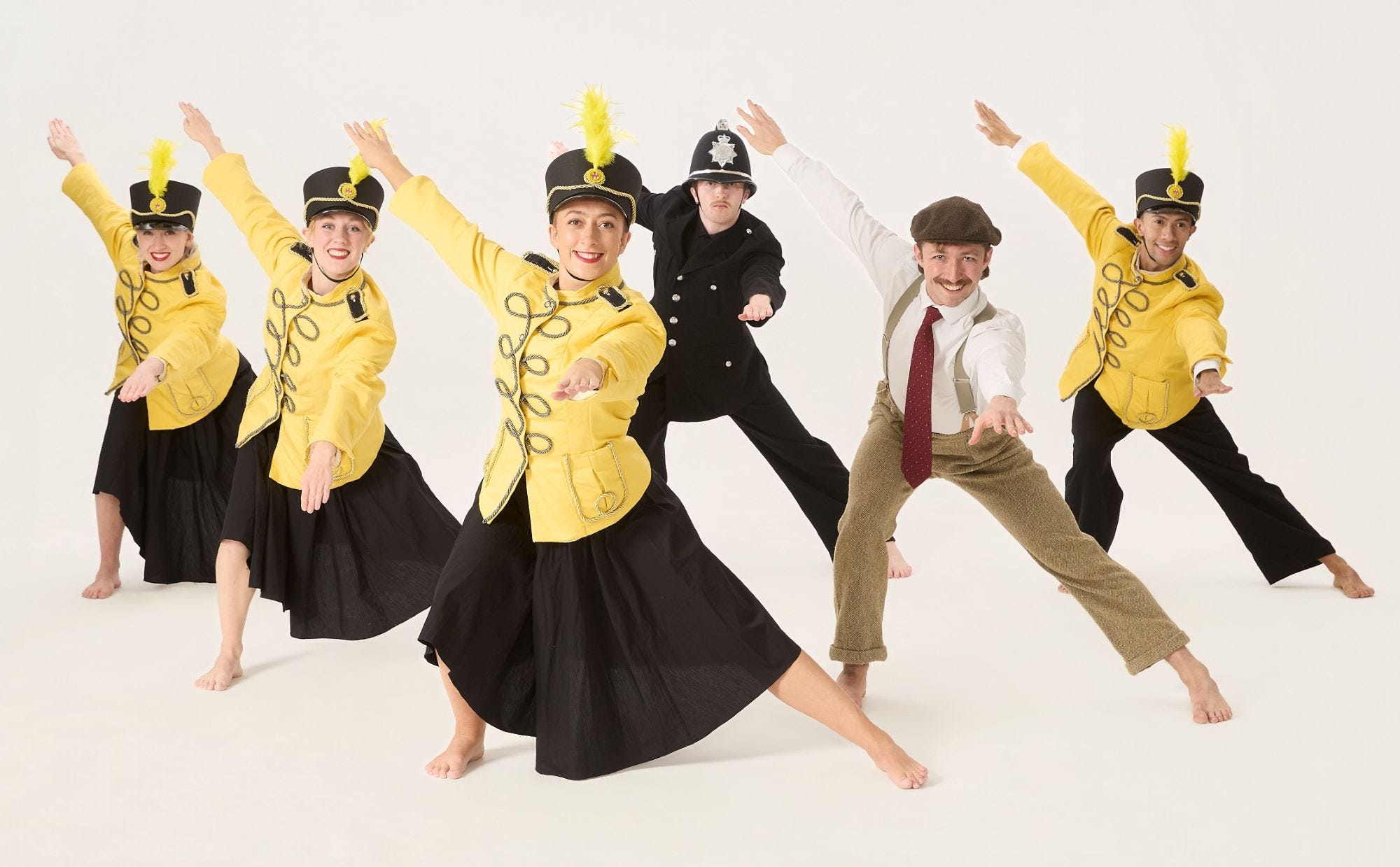
If you want an example of a brilliant idea charmingly executed, look no further than this gently evolving piece by Eliot Smith Dance (ESD).
Its gentle evolution has actually spanned a decade but this was the first time I’d seen it, joining an appreciative matinee audience.
That brilliant idea involves using some of the paintings by the pitmen painters of the Ashington Group (they’re on permanent display at Woodhorn Museum) as an inspirational springboard.
So what you get is a sequence of sections or vignettes (the original six having become 10), each inspired by a different painting and danced to different music.
Rather like the Woodhorn exhibition, it offers glimpses of life in a mining community in the 1930s and ’40s.
Since not all the pitmen painters were actually pitmen, some limited their artistic output to the scenes above ground – the people, the pastimes and the crowded pubs and meetings.
Pitman begins in the lamplit subterranean gloom with two dancers crouched in an imagined low seam, the sound of dripping water punctuating music by Icelandic composer Jóhann Jóhannsson.
They wield picks, in accordance with Coal Tubs Off The Way (Underground), a painting by Ashington Group member George Brown, and make their way cautiously until an explosion causes them to leap back.
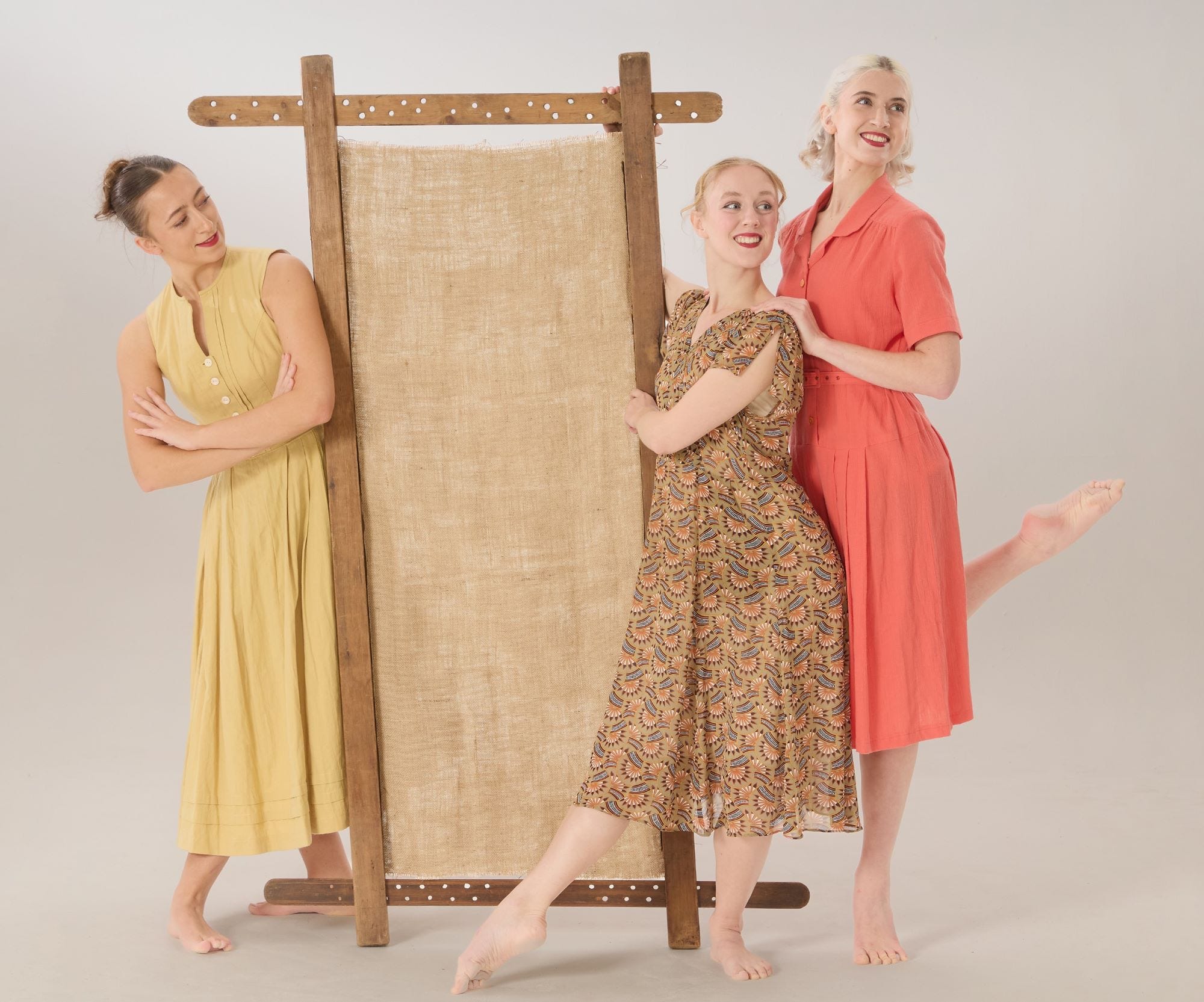
And if that hints at a sobering 50 minutes ahead, then relief is soon to hand with section two, The Bar – Playing Dominoes (in homage to artist Andrew Foreman), with the three girl dancers catching the eye to the swing number Jeep Jockey Jump.
You can’t really applaud the aftermath of a pit disaster but the audience responded quickly and enthusiastically to this.
Taken as a whole, Pitman is like a restaurant taster menu, an eclectic mix of moods and musical accompaniment and something of a live ‘show reel’ of what Eliot Smith, choreographer, can do.
He can do a lot, on this evidence, with levity and gravity served up in equal measure by six dancers who gave everything to the performance, their faces as expressive as their dance moves.
Jazz Band Parade (after a painting by JF Harrison) had dancers in yellow marching costumes – courtesy of costume designer Lucy Minta Reeves – and introduced a happy dash of Blaydon Races.
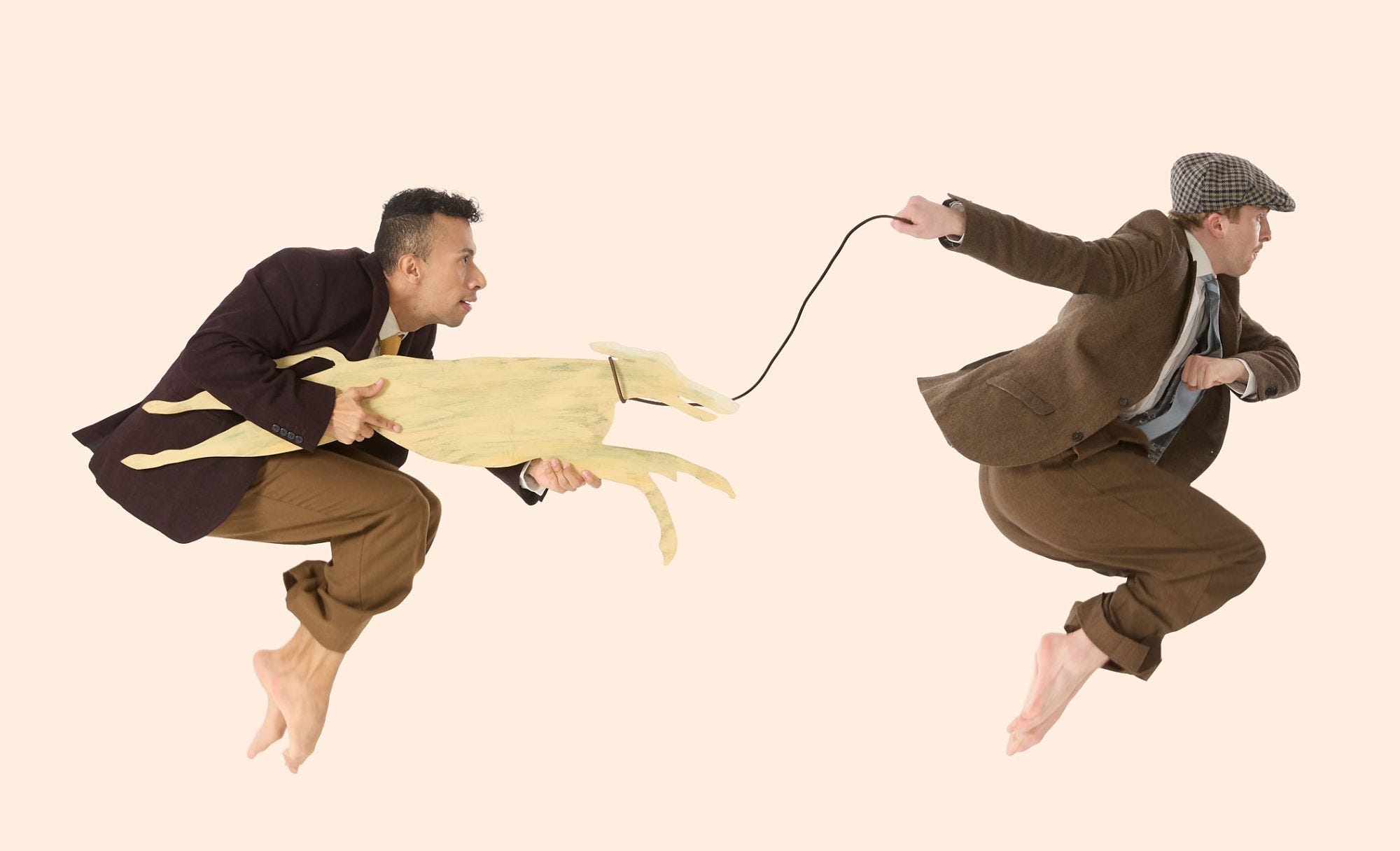
Whippets (the painting by George Blessed becoming a Pitman section after a public vote) saw two dancers raising a smile with the nippiest, doggiest wooden cut-outs you’ll ever see.
Progging the Mat (Oliver Kilbourn), which had the girls leaving their chore to dance, as if in a dream, to wartime classic A String of Pearls, was worth the ticket price alone.
Then to finish, accompanying The Bowler (Len Robinson), showing said bowler and a painter at an easel, comes that most tear-jerking of tunes, Gresford, the miners’ hymn.
A perfect way to end.
But hopefully this is not the end for Pitman. As a theatrical offering, there’s obviously more mileage in it, perhaps even further evolution since one or two sections – Fish and Chips (Fred Laidler) being one of them – are over all too soon.
A national tour in 2028 is Eliot Smith’s aim and if anyone can make it happen, he can.
He’ll be doing even better if he can retain this talented company of dancers: Jasmine Daniels, Florence Jones, Olivia Kirk, James Mawson, Yamit Salazar and Harry Wilson.
All earned their applause for giving so much to a piece of dance patently and entertainingly rooted in the culture of the region. It deserves a comeback. More people need to see it.