

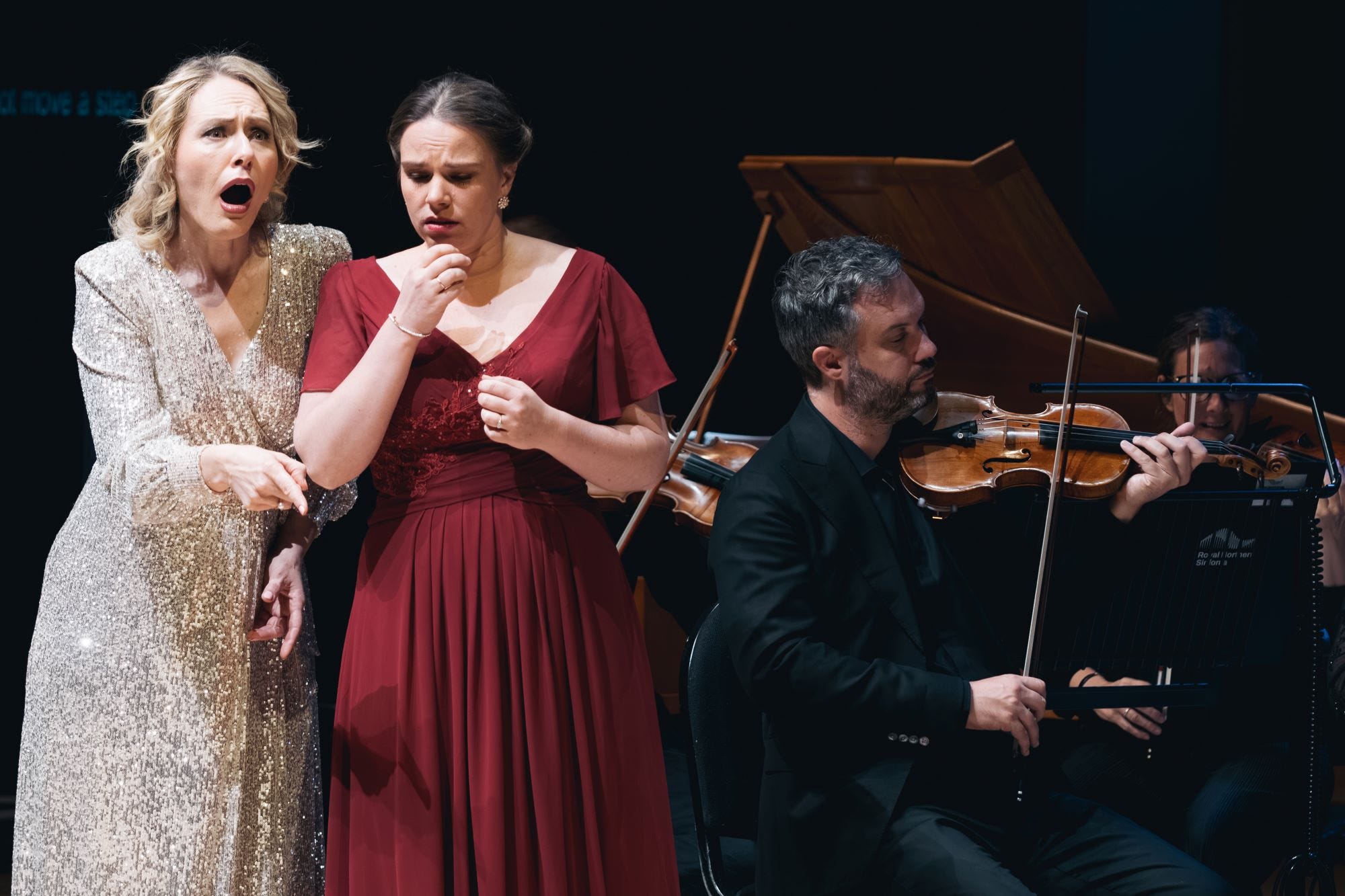
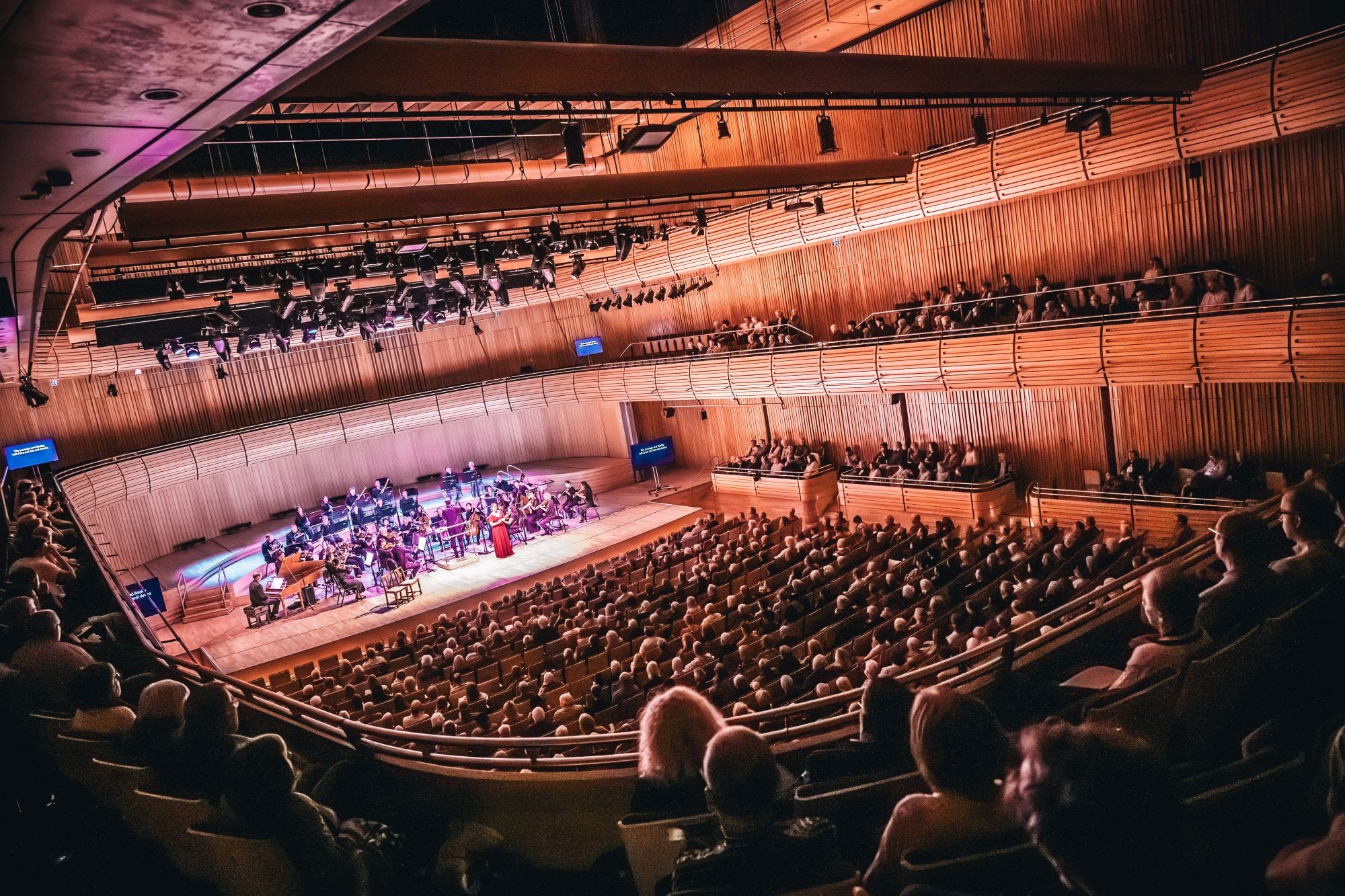
Royal Northern Sinfonia began the new classical season by opening the newly refurbished Sage One with an outstanding rendition of Mozart’s Cosi fan tutte, conducted from the stage by Dinis Sousa.
Given the wide variety of stagings I have enjoyed, from the period accurate to the downright bizarre, I’m mildly surprised to find myself admitting that this concert production provided ample evidence that you really can manage without the flourishes.
True, a few quick changes of costume added to the fun, as did speculation over whether Cody Quattlebaum (as Guglielmo) might let his hair down from its man-bun (he did – and apparently those flowing locks really are all his own).
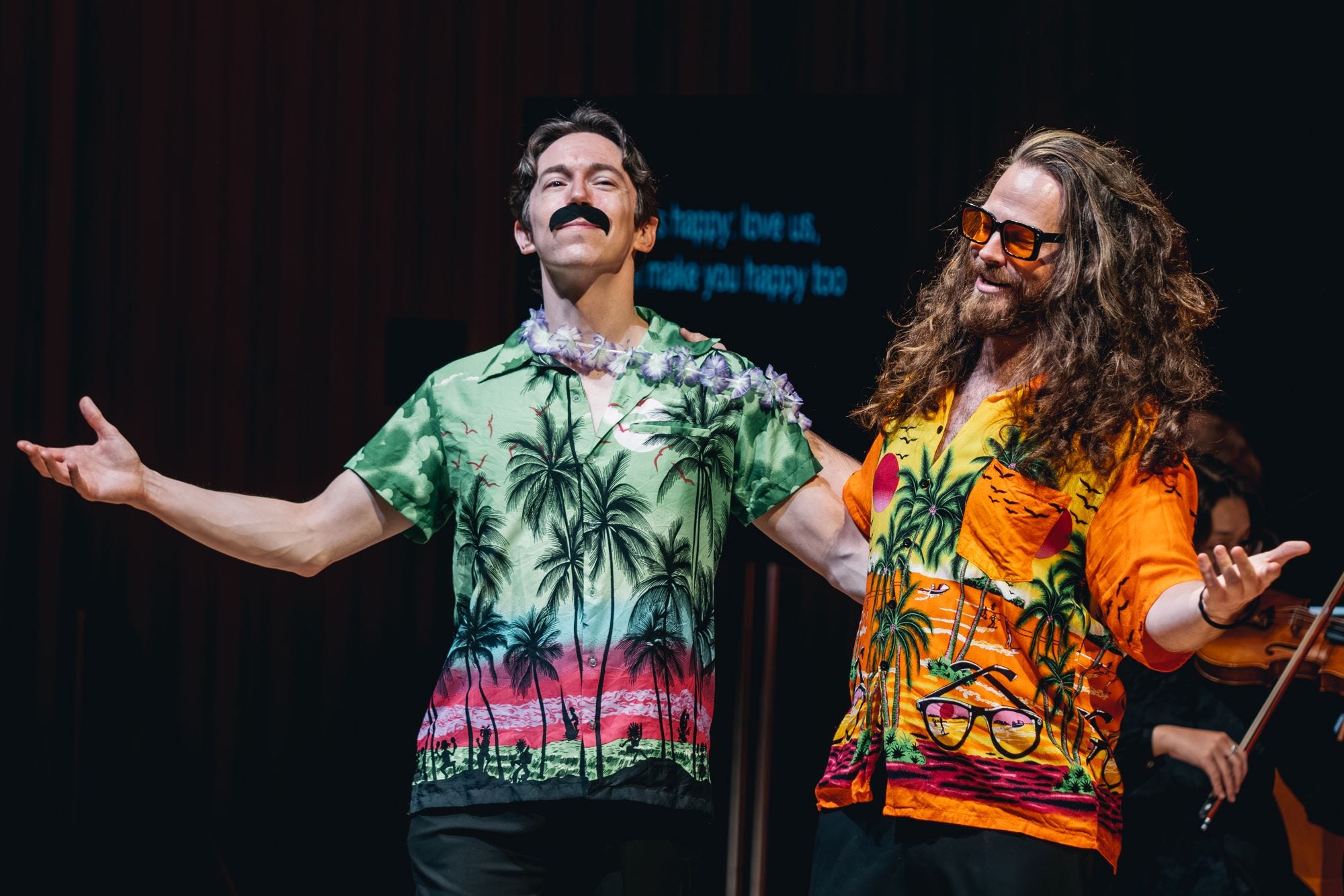
The chance for a few wicked bits of comic interaction between singers and orchestra helped, too, but in truth the plot just needs two pairs of (possibly mismatched?) lovers plus two meddlers – and, of course, a score that can embody a dazzling emotional range and shed an enduring light on the vagaries of human affection.
The plot makes it sound the silliest of farces, with two love-smitten young men taking on their tutor’s bet that the girls they adore are no more likely to remain faithful than anyone else.
Cue the unexpected departure of the chaps on made-up military service and their reappearance in paper-thin disguise as dashing foreigners eager to woo the ladies away from themselves (if you see what I mean).
Così might seem like a trivial exercise in romantic banter designed to demonstrate the limits of female fidelity under temptation and the lesson of trusting experience over idealism, but here the voices revealed all the power of emotion – real even if fluctuating – that the trite story really encompasses.
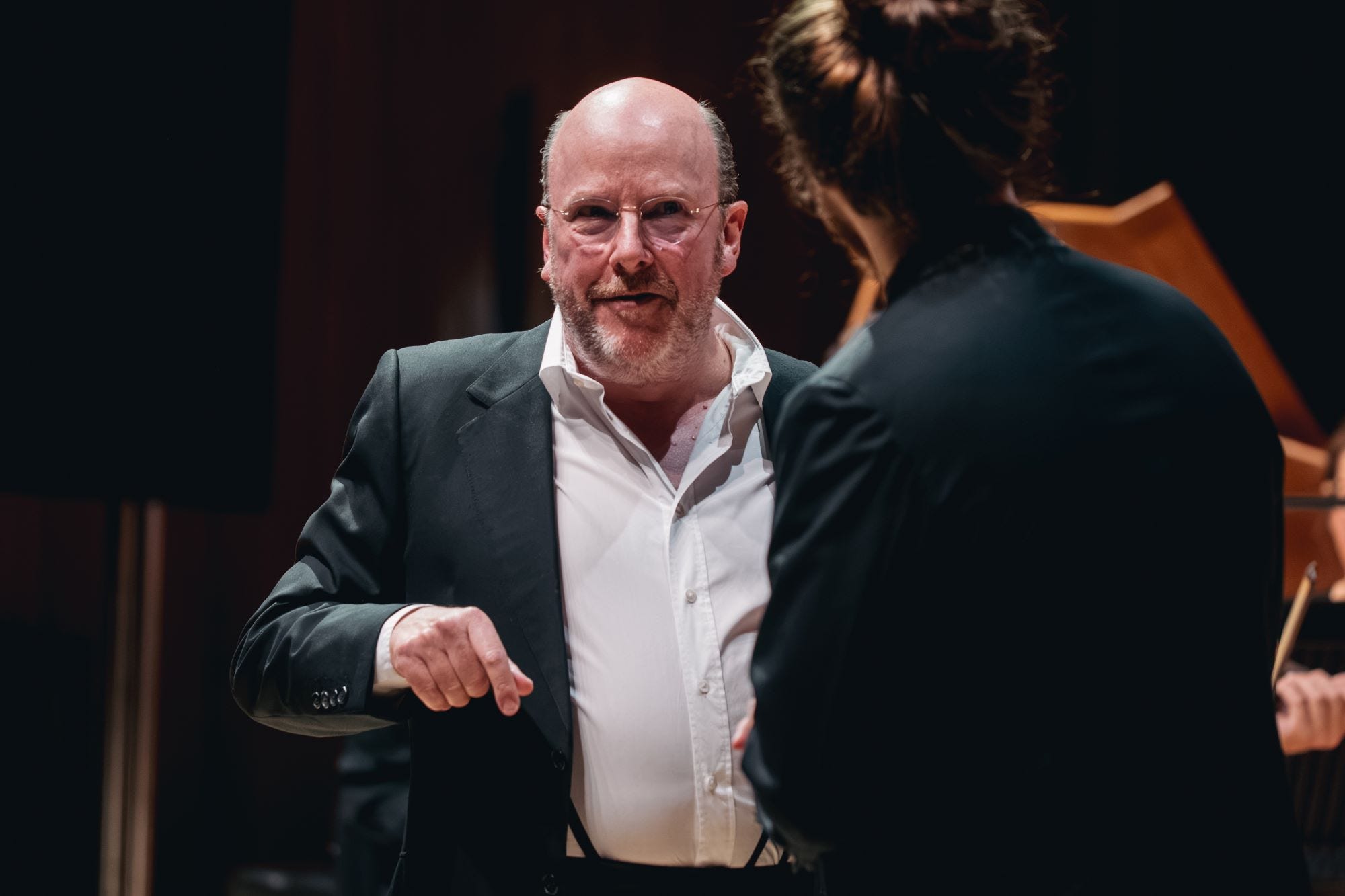
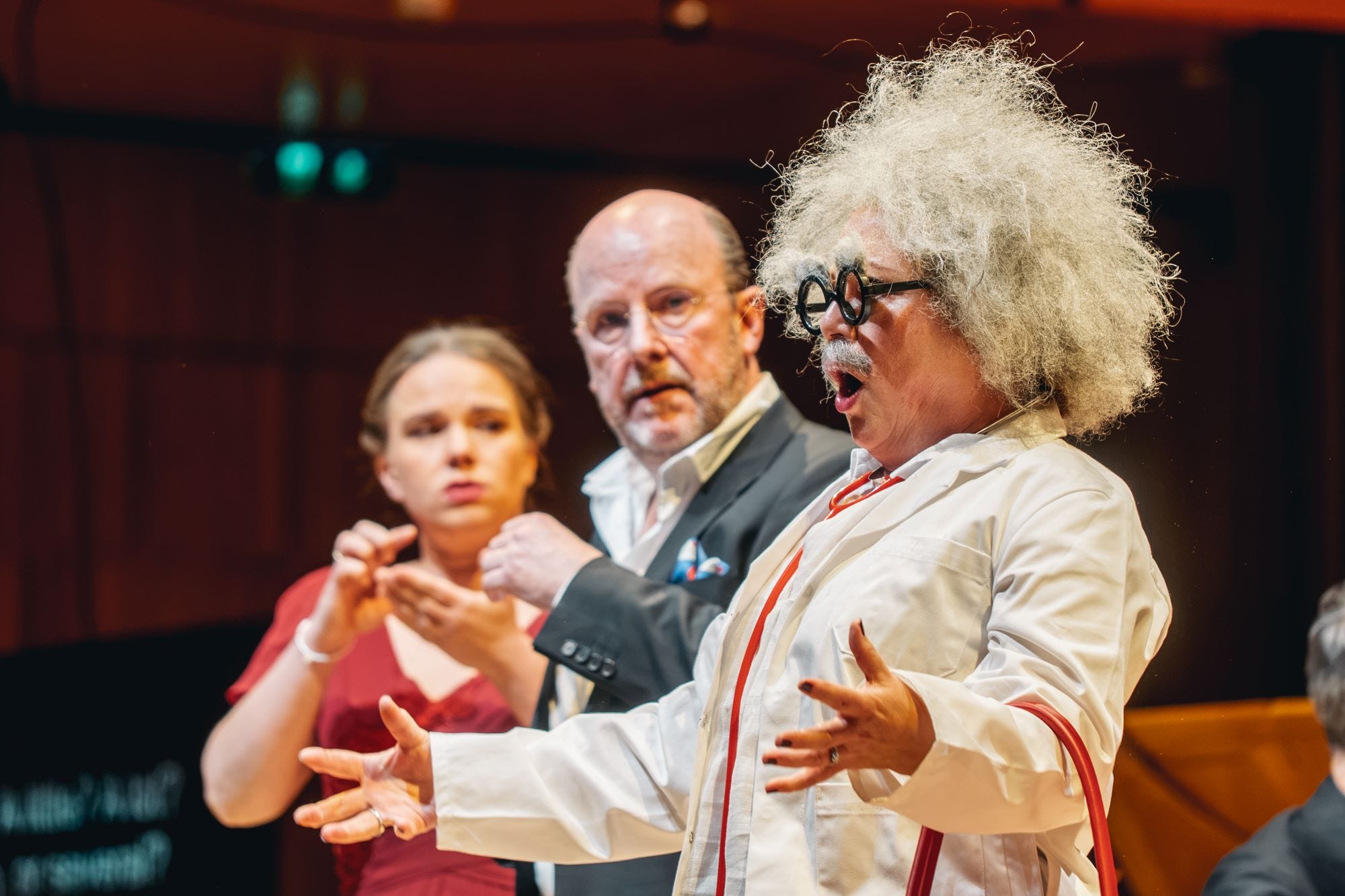
It also brought to light the demonstrable arrogance of ‘Rationalist’ tutor Don Alfonso (Neal Davies), whose carelessness in juggling with the relationships of the lovers justly deserved Despina’s contemptuous return of his bribe.
Rebecca Evans made the most of that role’s comic potential, vocally but physically as well, though I’m not quite sure why her final disguise was as a Truman Capote lookalike.
The lovers, their unthinking security in the romantic status quo gradually challenged and then eroded, managed to lay bare the pain that lies at the heart of Mozart’s work.
Nothing remains the same. We are all too human and all too ready to embrace change when it suits altered circumstances.
Angela Brower’s glittering Dorabella becomes a risk-taker in her flightiness. Even if their lovers return from war, the two sisters’ inconstancy simply won’t matter as they will be far away by then.
Guglielmo’s self-assurance turned into quick-silver, fizzing anger while Jonas Hacker showed Ferrando’s initial disbelief morph more subtly into feelings of grief and loss.
All excellent performances, but Christina Gansch as Fiordiligi, arguably the most complex personification, was a revelation.
No high dramatics, just a warmth of vocal delivery that attested to her character’s complexity of feeling as she battled with her shifting desires.
Just for once, I found myself willing her to hold out, but the moral of the piece has to be harsher than that. The acceptance of human failings has never seemed so engaging, nor so hard-won, as in this beautifully balanced concert production.