


There are some shows you can return to again and again, knowing exactly what’s coming, and still find yourself completely undone.
For me, Billy Elliot the Musical is one of them.
I first encountered it in early 2005, spending a day in rehearsals ahead of its West End premiere. The resulting feature became the cover story for the second edition of The Journal’s Culture magazine, with a distinctive photograph of Tim Healy (Billy’s original Dad) leaning against a rehearsal room mirror.
A few weeks later, I saw a preview performance. I was recently motherless myself, so the scene involving the letter Billy’s mam left him was always going to be difficult. But I wasn’t prepared for quite how thoroughly the whole production would dismantle me.
Ten years later, when the show came to Sunderland, it happened again.
And now, another decade on, Billy Elliot is back at the Empire, launching a national tour which will take it back to the West End for a six-month run. This time, I had a teenage daughter beside me to lean on. And, as it turned out, to share a pack of tissues with.
The intervening years have done nothing to diminish this remarkable piece of musical theatre.
Since its West End premiere in 2005, the musical has won more than 85 awards and attracted audiences totalling 12.5 million worldwide. Yet for all its international success, it remains unmistakably rooted in County Durham.
We arrived to the wonderful sound of Easington Colliery Band, whose own story is inseparable from the community spirit of the Durham coalfield. They’re having quite a moment, having recently contributed to Sam Fender’s recording for this year’s John Lewis Christmas advert.
It was a fitting welcome for a musical that understands both the strength of those communities and the devastation wrought by their decline.
For anyone unfamiliar with Lee Hall’s story, Billy is an 11-year-old boy growing up in an East Durham mining village during the 1984-85 miners’ strike. His father expects him to box, but Billy discovers an unexpected talent for ballet – and a future about as far removed from the pit as you could get.
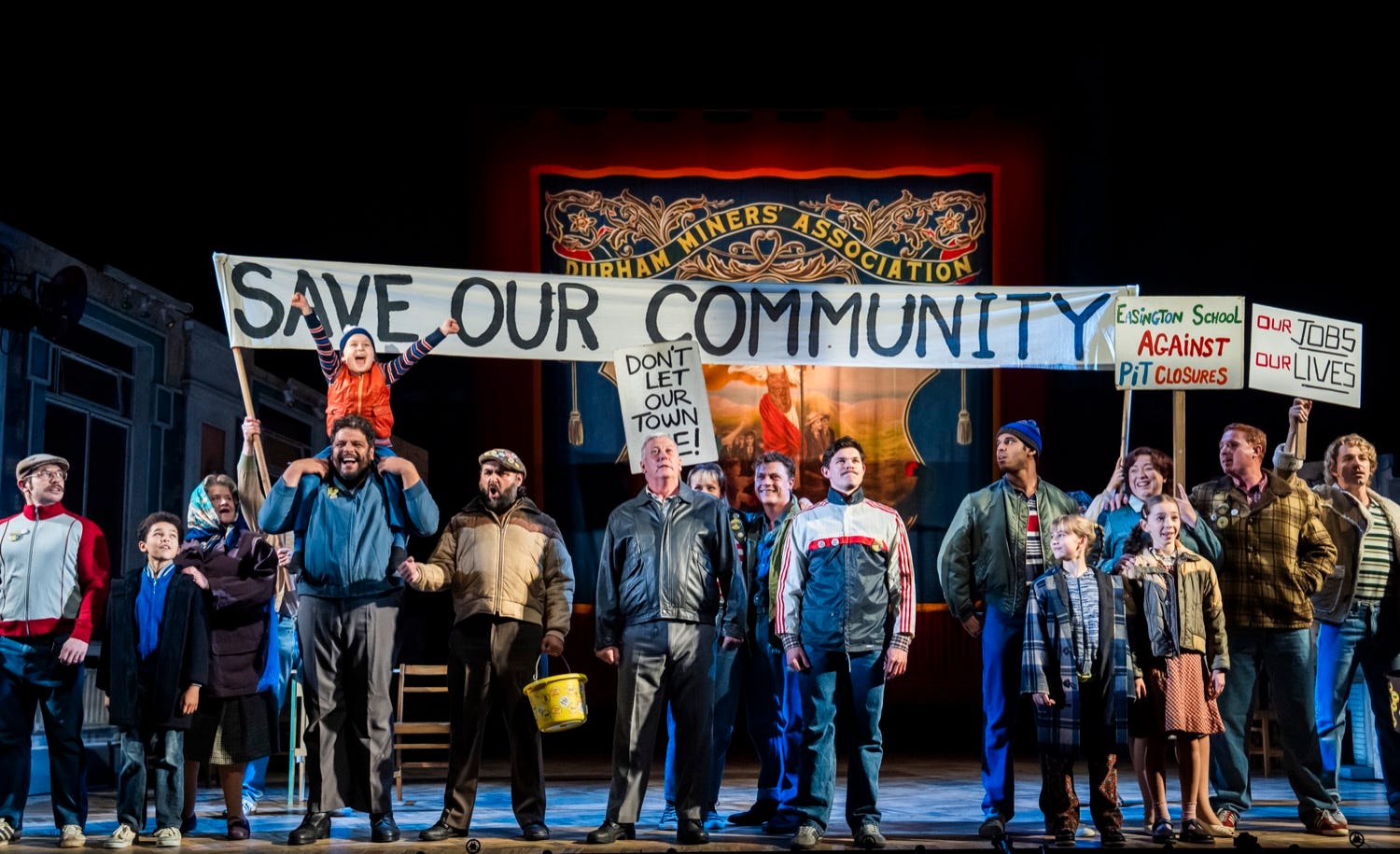
The miners’ struggle is never simply a historical backdrop. It is present in the family’s poverty, the anger of Billy’s older brother Tony, the exhaustion of his father and the violent confrontations between police and pickets.
Stephen Daldry, who directed the original 2000 film and this revival, moves between these worlds with tremendous assurance.
Peter Darling’s choreography is particularly effective when the disciplined movements of the ballet class collide with the aggression and disorder of the strike. The ensemble moves confidently between comedy and confrontation, while Ian MacNeil’s versatile set allows the action to shift smoothly between Billy’s home, the dance studio and the picket lines.
And then there is the dancing.
William Gurney was Billy on press night, and what an extraordinary responsibility this role places on young shoulders - to say nothing of young feet.
He must convince as an awkward, angry, grieving boy while carrying some of the most demanding choreography in musical theatre. He must be funny, vulnerable, furious and technically exceptional, sometimes within the same scene.
Gurney delivered on every count.
His dancing has an exhilarating freedom, but it's the way he uses it to express Billy's frustration and determination that makes the performance so compelling.
The ferocious Angry Dance, in which Billy confronts a line of riot shields, is a particular highlight, while Electricity, in which he struggles to put into words what dancing means to him, allows Gurney's talent to do the talking.
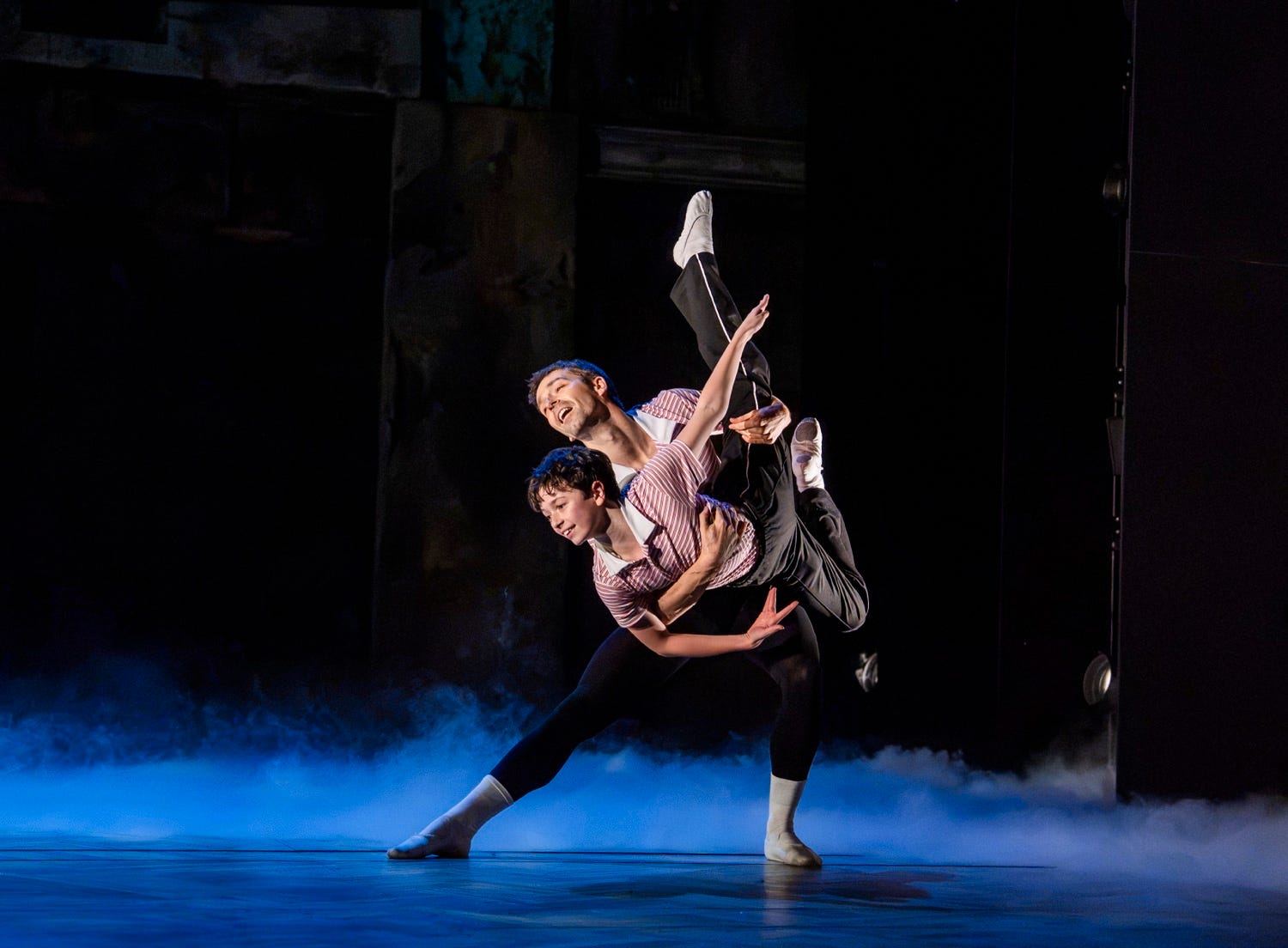
At the other end of the emotional scale is the soaring duet with Older Billy, played by Liam Mower, the original West End Billy I saw more than 20 years ago. Watching the two dance together, the boy and the future he can scarcely imagine, is one of the production’s most beautiful moments.
Then there’s Billy’s friendship with Michael, played on press night by Harper Etienne. Their gloriously funny duet, Expressing Yourself, celebrates the freedom to be who you are, with both young performers displaying impeccable comic timing and infectious enthusiasm.
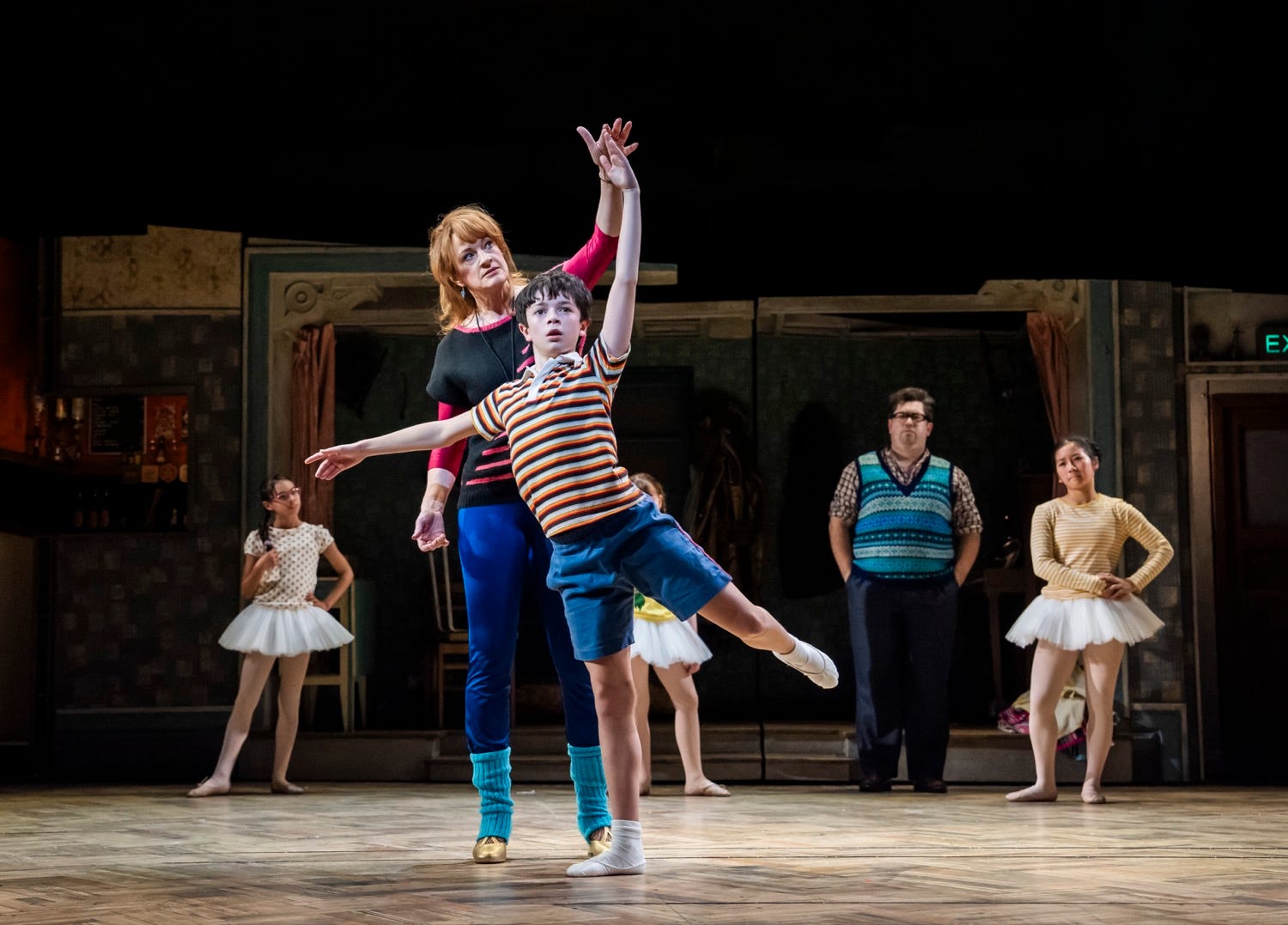
County Durham’s Lola Cant - making her UK tour and soon-to-be West End debut - is another delight as Debbie, while the young dancers filling the ballet class bring tremendous personality and energy to proceedings.
Among the adults, North East actor Deka Walmsley is superb as Dad, a man whose love for his son is complicated by grief, pride and everything he has been taught about what a boy should become.
As dance teacher Mrs Wilkinson, Annette McLaughlin - recently back from touring The Last Ship with Sting - strikes just the right balance between sharp-tongued pragmatism and genuine belief in Billy’s talent, while Lesley Joseph brings both comedy and tenderness to Grandma.
Elton John’s score and Hall’s lyrics have lost none of their ability to move an audience from laughter to tears, sometimes with barely a moment to recover. The humour is frequently outrageous, the language gloriously unvarnished and the political anger unmistakable.


Before the performance, Daldry told us that the groups of young ballet dancers are named after North East pit villages. On press night, it was Bedlington’s turn.
It’s a small detail, but one that speaks to the care with which this show’s connection to its roots has been maintained.
Two decades after I first saw it, Billy Elliot can still make me laugh until my face hurts, marvel at the talent of its young performers and openly weep.
The choreography remains electric (yes, I’m leaning into it) the performances exceptional and the emotional truth of the story undiminished.
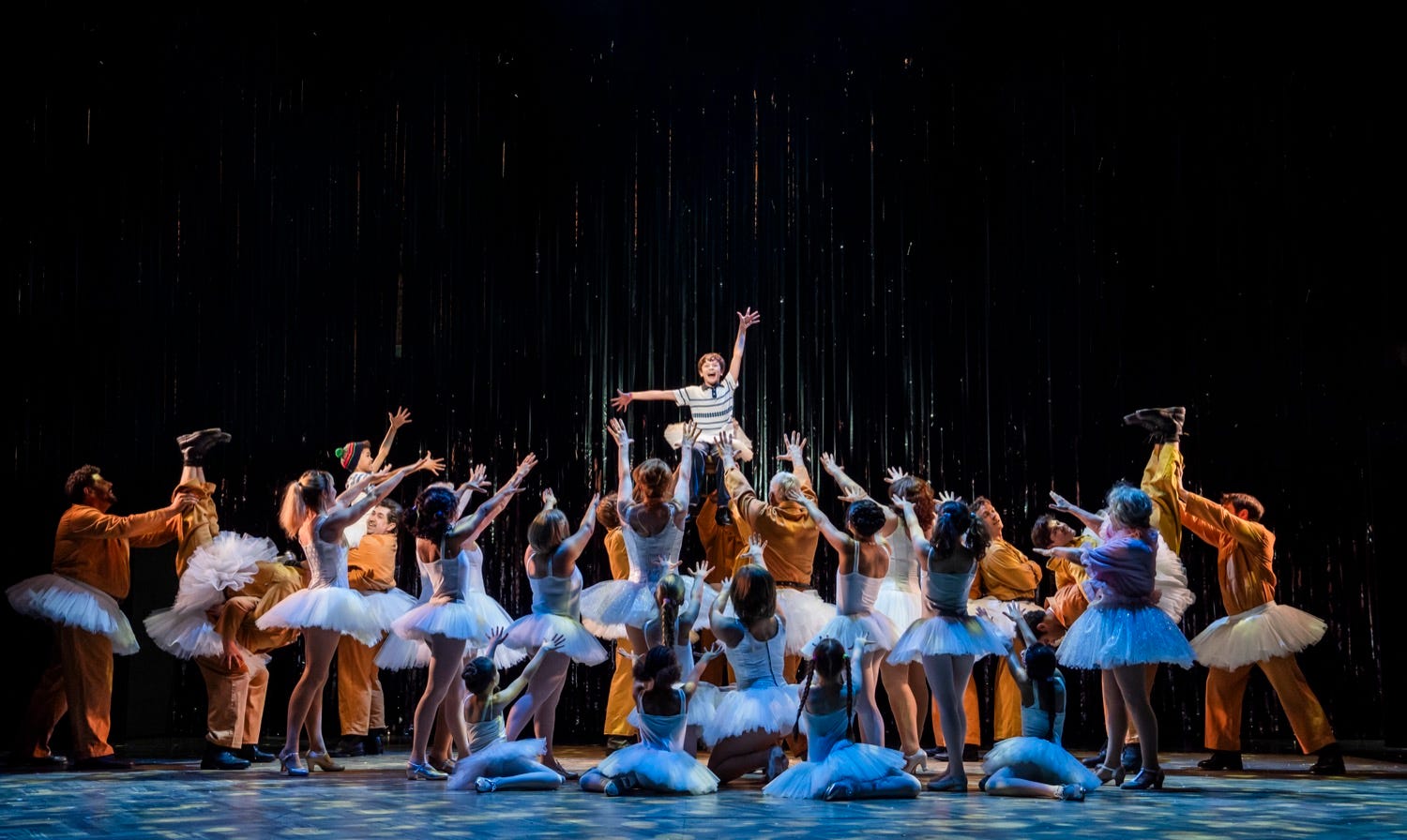
And when the company took its bows in Sunderland, the standing ovation felt less like a theatrical convention than a collective expression of pride.
Billy is home. And what a homecoming.
Billy Elliot the Musical is at Sunderland Empire until November 28, before continuing its national tour.