

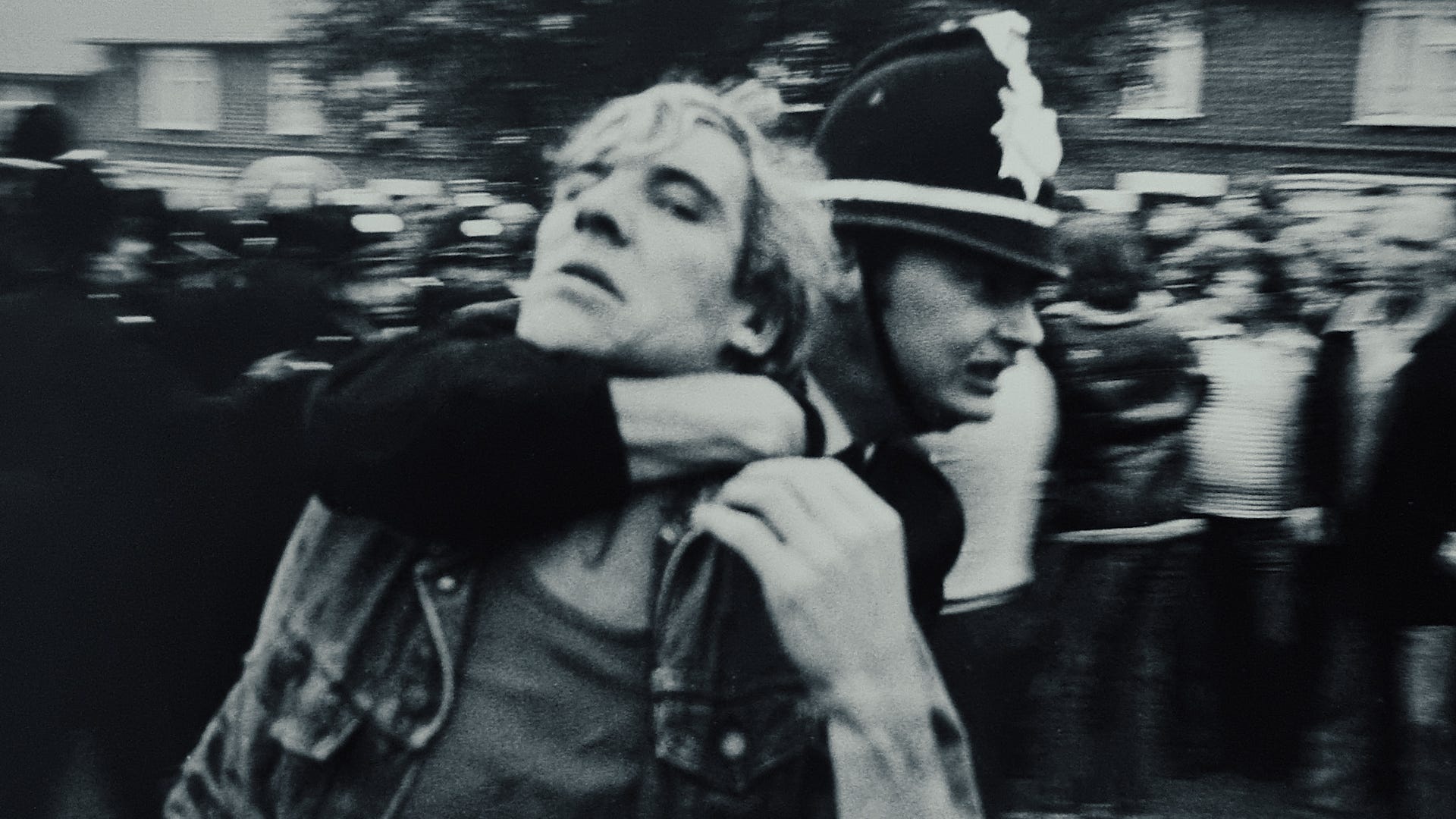
A film illustrating County Durham’s defiance during the Miners’ Strike is to have its premiere in a location which symbolises the region’s pit heritage.
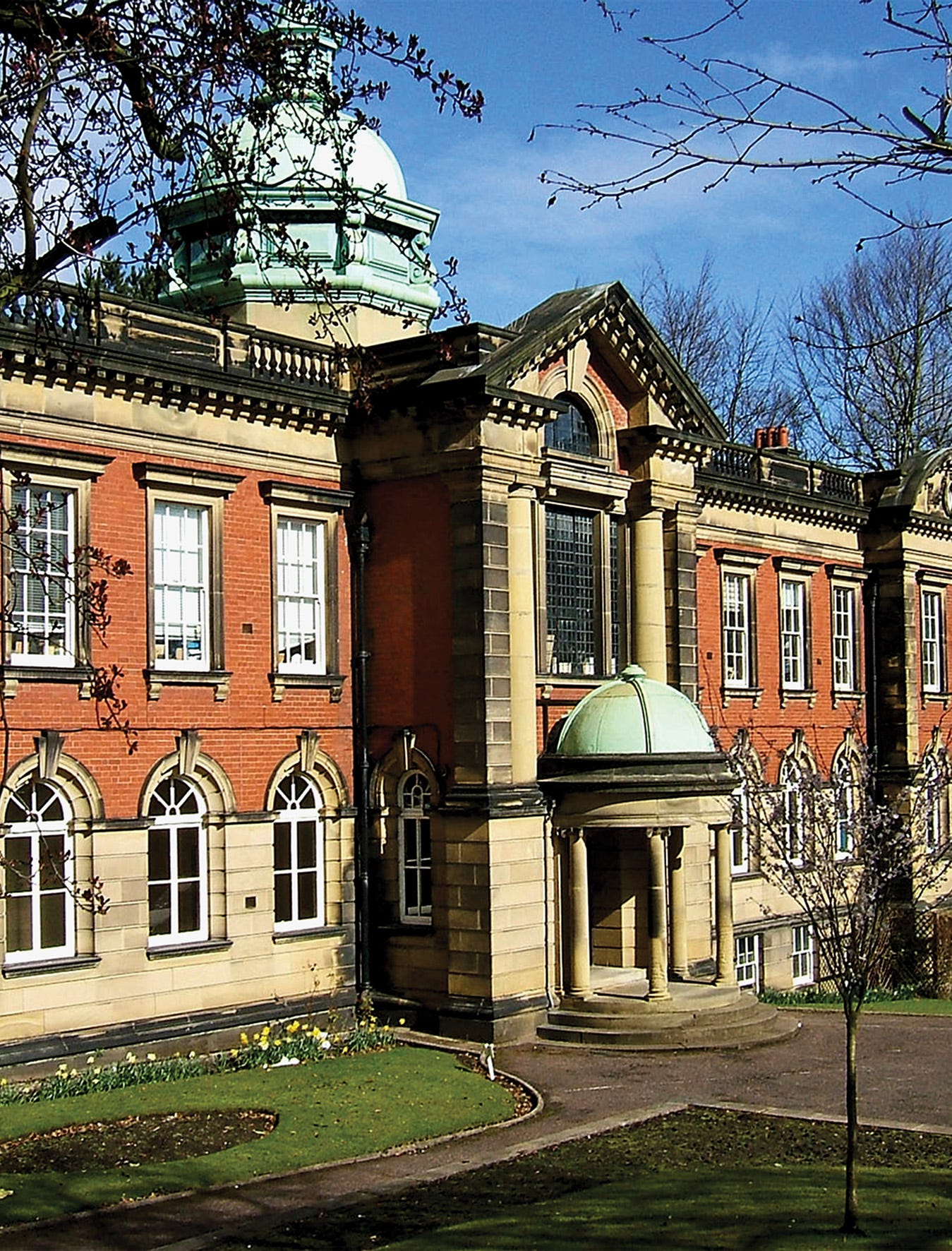
The documentary exploring the legacy of the 1984–85 strike in County Durham is to be screened at Redhills Durham Miners Hall - the historic heart of the Durham coalfield.
Defiant: County Durham – The Miners’ Strike and its Legacy tells of resilience, community and political struggle, charting the profound impact of pit closures and the enduring strength of mining communities.
Written, directed and produced by County Durham-based Lonely Tower Film & Media - an independent production company led by Marie Gardiner and Mark Thorburn - it captures the experiences of those who endured one of the most significant industrial disputes in modern British history, and explores not only the devastating social and economic consequences of the strike, but also the solidarity networks and collective spirit it generated.
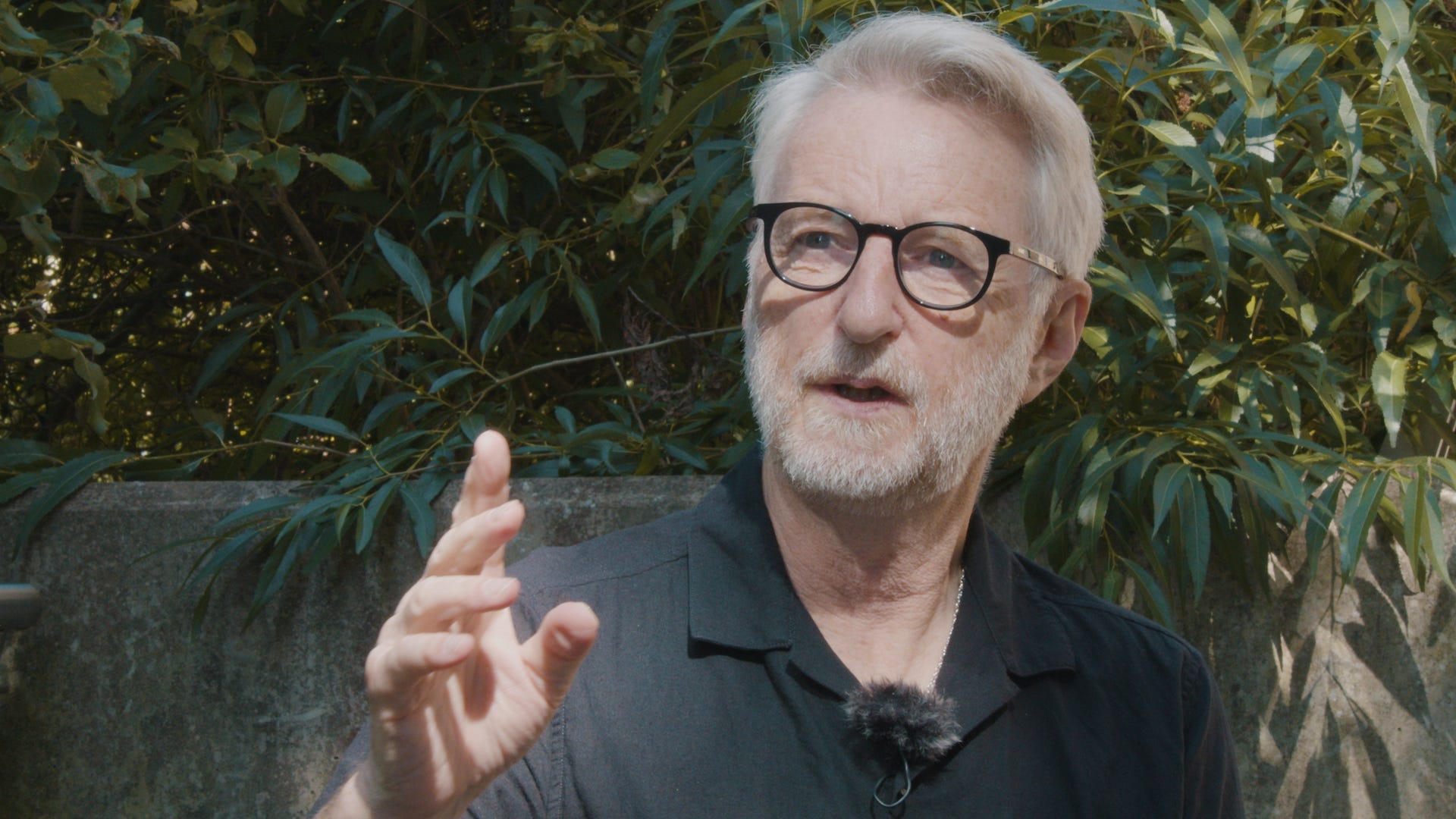
In a statement, Marie Gardiner and Mark Thorburn. said: “This is a landmark film about a struggle that still defines us. It documents the fight for jobs, communities, and dignity. It is our hope that this film shows what happens when people stand together.
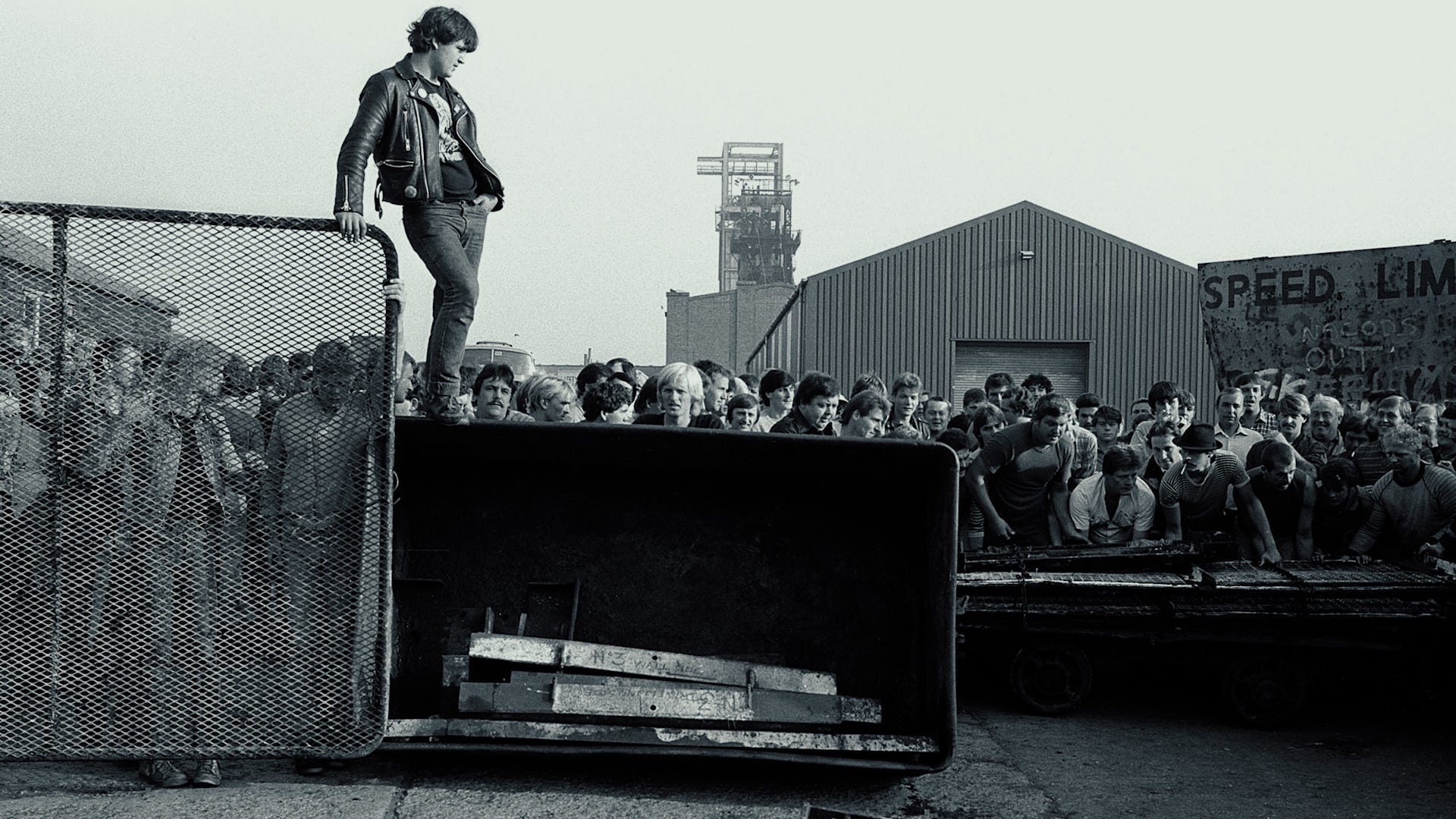
“With the Battle of Orgreave inquiry finally moving forward, it’s time to confront the fact that state violence was used against working people without any consequences. The mines have closed, but the people of these villages haven’t gone anywhere.
“We are still proud, we are still here, and we refuse to be ignored.”
The premiere event on July 5 will be followed by a live Q&A between audiences, the filmmakers and some of those who contributed to the film.
Following the screening, the film will be embarking on a community tour of the coalfield - those interested in hosting a local screening should contact Vonni@redhillsdurham.org.
The screening forms part of Redhills’ growing cultural programme as the building continues its transformation into a base for community, creativity and shared heritage.
Since re-opening in 2025 after a major restoration, the former headquarters of the Durham Miners’ Association - boasting the ‘Pitman’s Parliament’ chamber - has re-emerged as a national centre for culture, heritage and social action.
It hosts a diverse programme of activity including guided tours, exhibitions, performances, community events and conferences, welcoming visitors not as a traditional museum, but as an active civic space rooted in County Durham’s past and present.
From July 26, Redhills will also launch Redhills Sundays - a weekly opening inviting people to explore the building through a programme of talks, tours, films, music, creative activities, food and drink.
Andrew McIntyre, chief executive officer, Redhills said: “Redhills was built on collective action, solidarity and shared community wealth - values that sustained mining communities through the strike and beyond.
“Defiant County Durham reflects that legacy and sits within our growing programme of events, including the launch of Redhills Sundays this July.
“Together, these are about opening Redhills as a living space where people come together to rebuild community wealth for the future.”
Woodhorn screening revisits train wreckers case
A new short film on the background of miners jailed for derailing a train at Cramlington during the 1926 General Strike will be shown for the first time on Saturday June 13.
The film by Cramlington-based Fiona Mitford will be part of the Northumberland Miners’ Picnic at Woodhorn.
Also showing will be the BBC 1969 film Yesterday’s Witness, which interviewed four of the surviving miners.
The event, organised by writer Ed Waugh, who wrote the play The Cramlington Train Wreckers, will also feature artefacts from the time, talks and live presentations at noon, 1pm and 2pm.
The play will be performed at Belfast Waterfront Hall and Derry Playhouse next month before transferring to Newcastle Theatre Royal.