


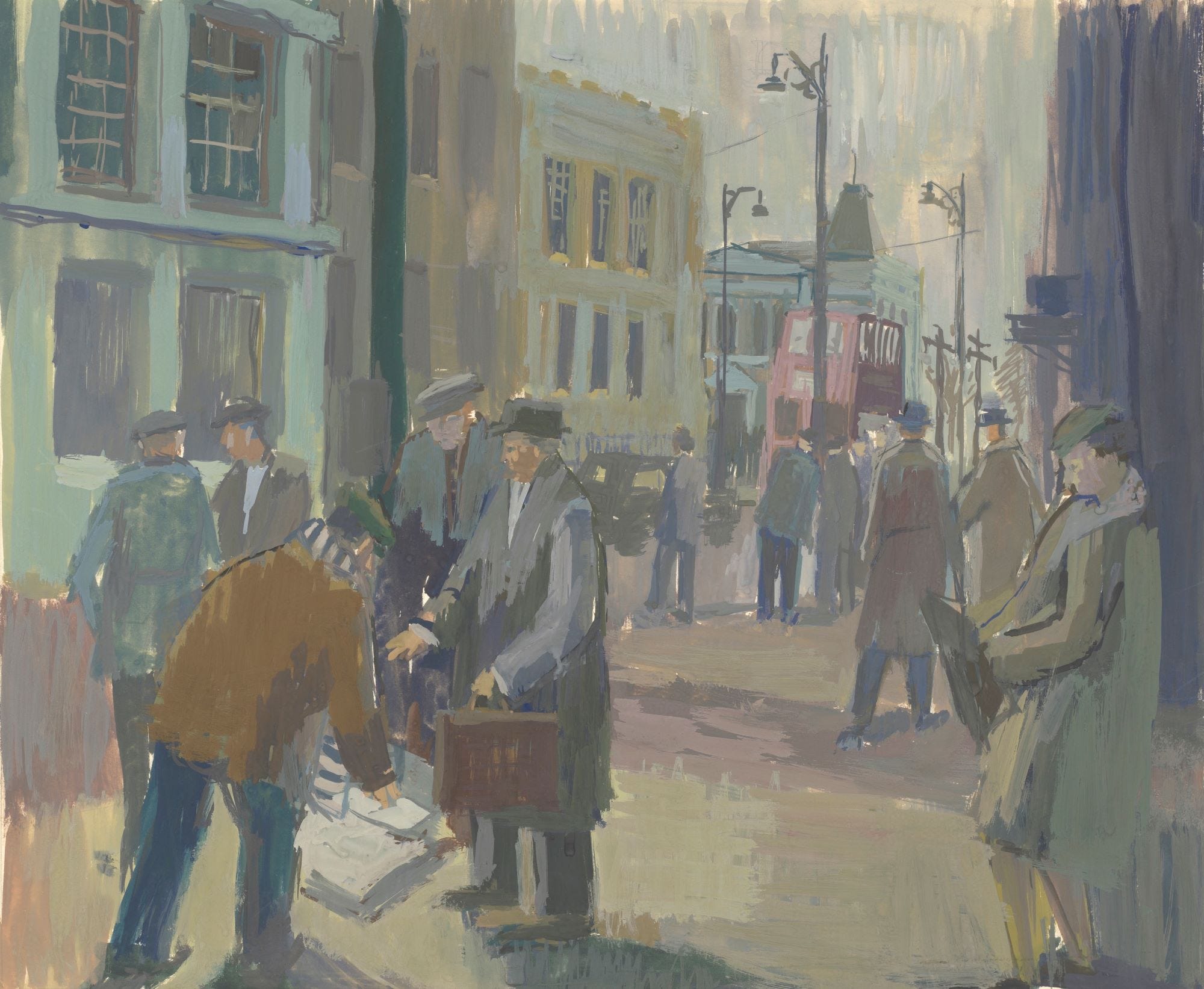
“I think you will become one of the greatest painters of the age,” wrote the headmistress of Bede Girls’ Grammar School to a promising pupil called Audrey Amiss.
Audrey was born in Sunderland in 1933, the daughter of shopkeepers Arthur and Belle, and she showed an aptitude for drawing and painting when she was very young.
Her headmistress’s perhaps rash prediction might not have been fully realised but the fact it’s now preserved in the archives of the Wellcome Collection, in London, tells you Audrey’s was no ordinary life.
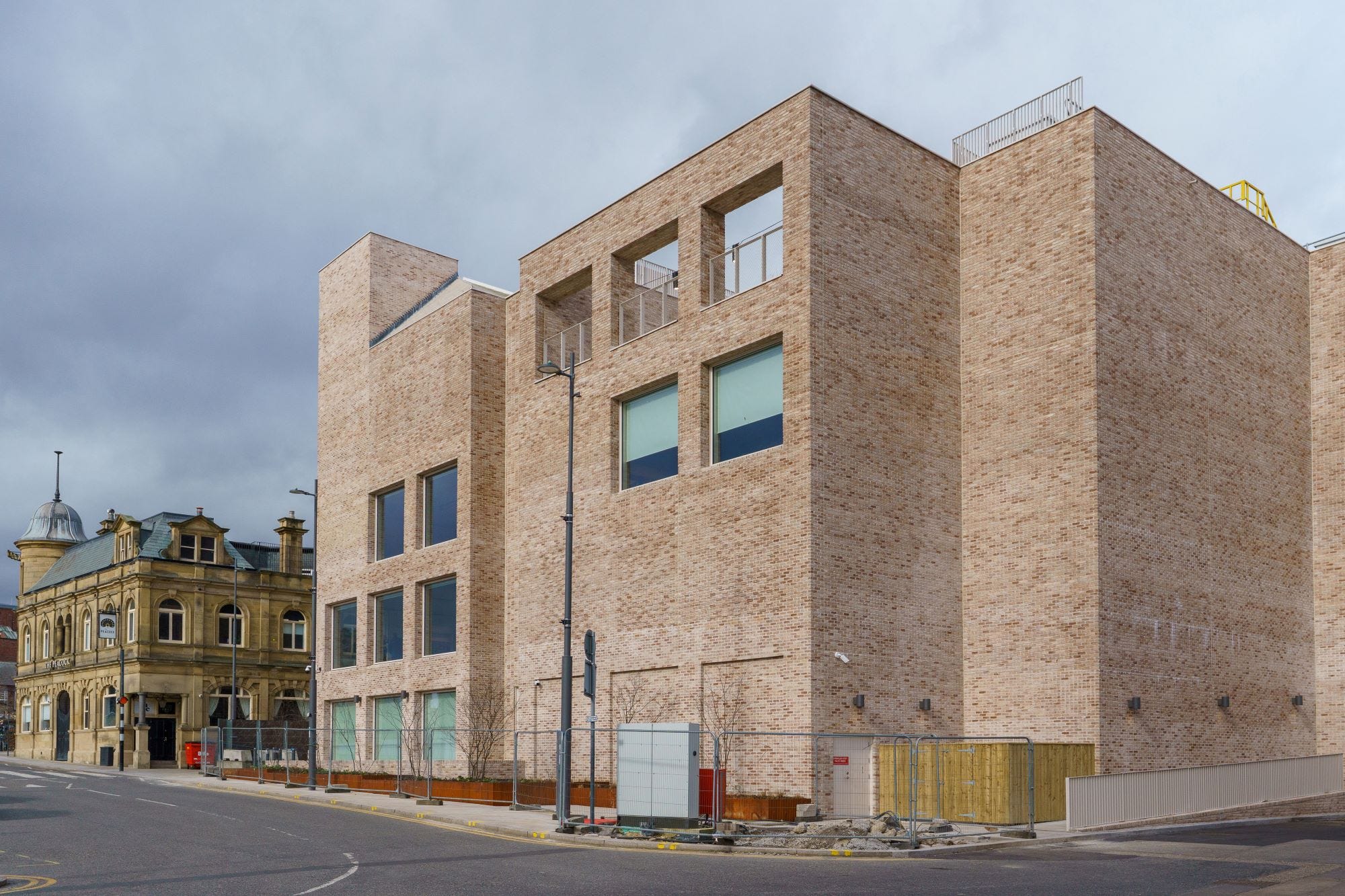
Another clue is that a display of Audrey’s work will be among the first things we see when the long-awaited Culture House Sunderland opens in the city on September 12.
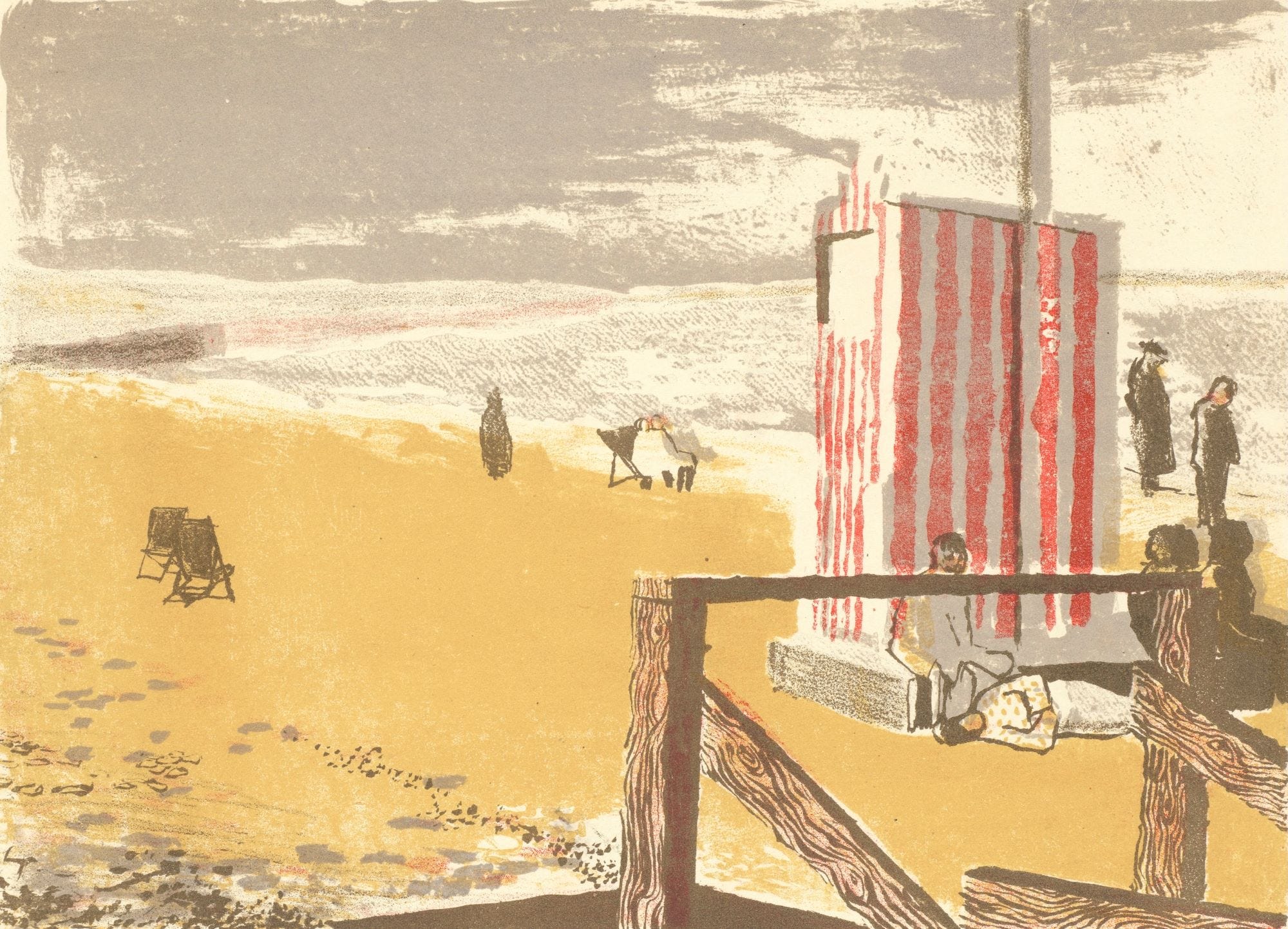
Called Kitchen Sink Realism, it’s the inaugural exhibition at the Northern Gallery for Contemporary Art (NGCA) in its new home (previously it was at the National Glass Centre and before that above the old City Library on Fawcett Street).
It’s a brilliant idea for an opening show.
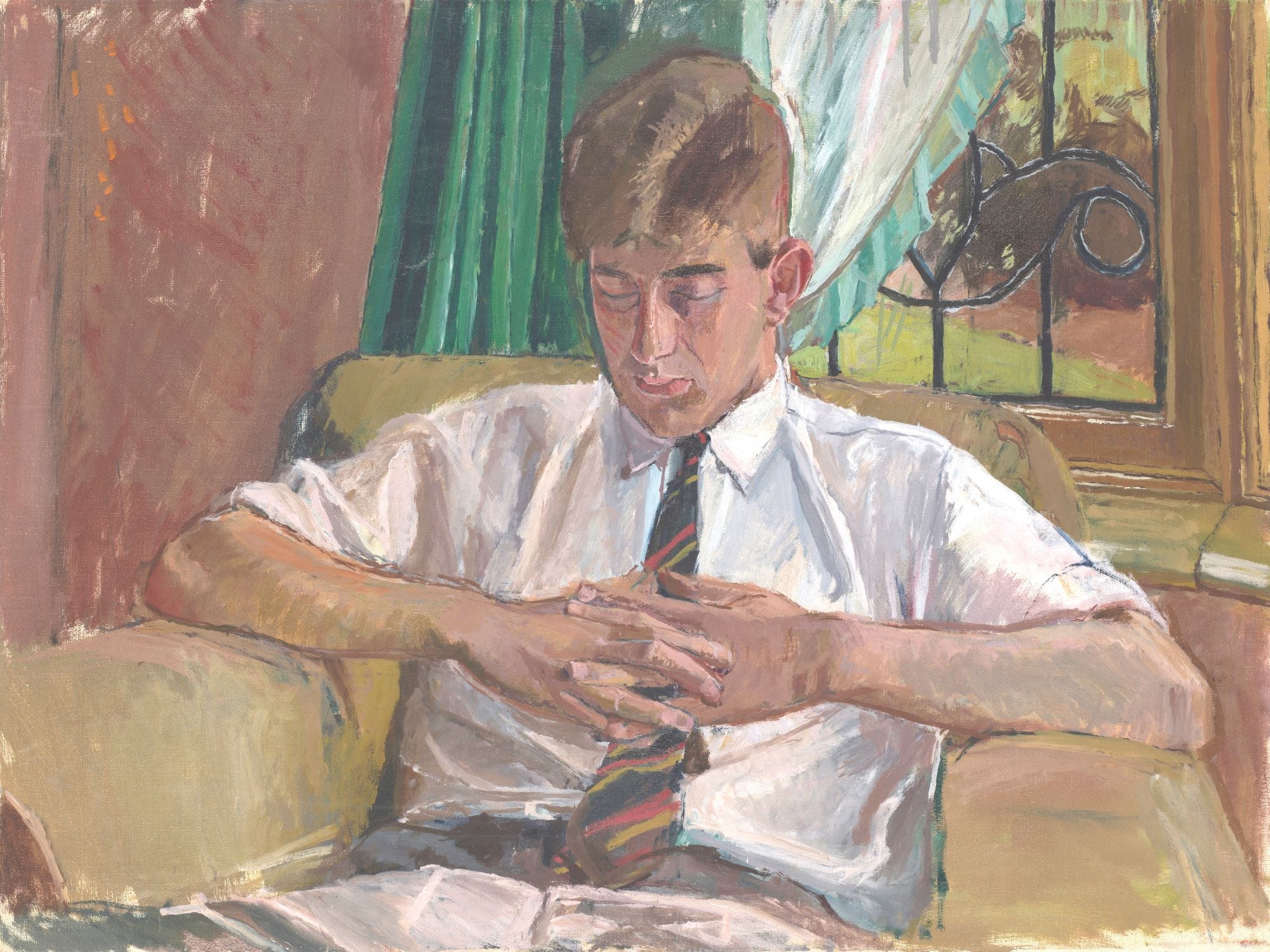
For one thing, it ensures posthumous recognition on home turf for an artist of genuine merit whose fascinating story has really only come to light since her death in 2013.
Secondly, there is likely to be widespread curiosity about Audrey and her formative years in Sunderland, when she turned her artist’s eye on local people and places.
That curiosity can only have been intensified by the film Typist Artist Pirate King which came out in 2022, with actress Monica Dolan playing Audrey, Kelly Macdonald cast as her psychiatric nurse and Gina McKee as her younger sister, Dorothy, who died that same year (the film is dedicated to her memory).
Described as a “fictionalised portrait”, it was written and directed by Carol Morley who discovered the artist when on a Wellcome screenwriting fellowship about a decade ago.
Audrey’s early development panned out in accordance with her headmistress’s prediction.
After attending Sunderland School of Art, she won a scholarship to the prestigious Royal Academy Schools in London, an achievement that made news in the local paper.
But in London things started to go wrong for Audrey. In 1958, just before completing her course, she became mentally ill and was admitted to a psychiatric hospital for treatment.
Subsequently she trained as a shorthand typist and worked for the next 30 years as a civil servant, spending some time at the Ministry of Labour and then in an unemployment benefit office.
That was how most people knew her.
Up until her death in Clapham she was admitted to psychiatric wards many times and was variously diagnosed with bipolar disorder and paranoid schizophrenia.
Only after she died did the extent of her continuing creative work come to light, the stash of paintings, drawings, sketchbooks, photo albums and diaries that she referred to as her ‘logbooks’.
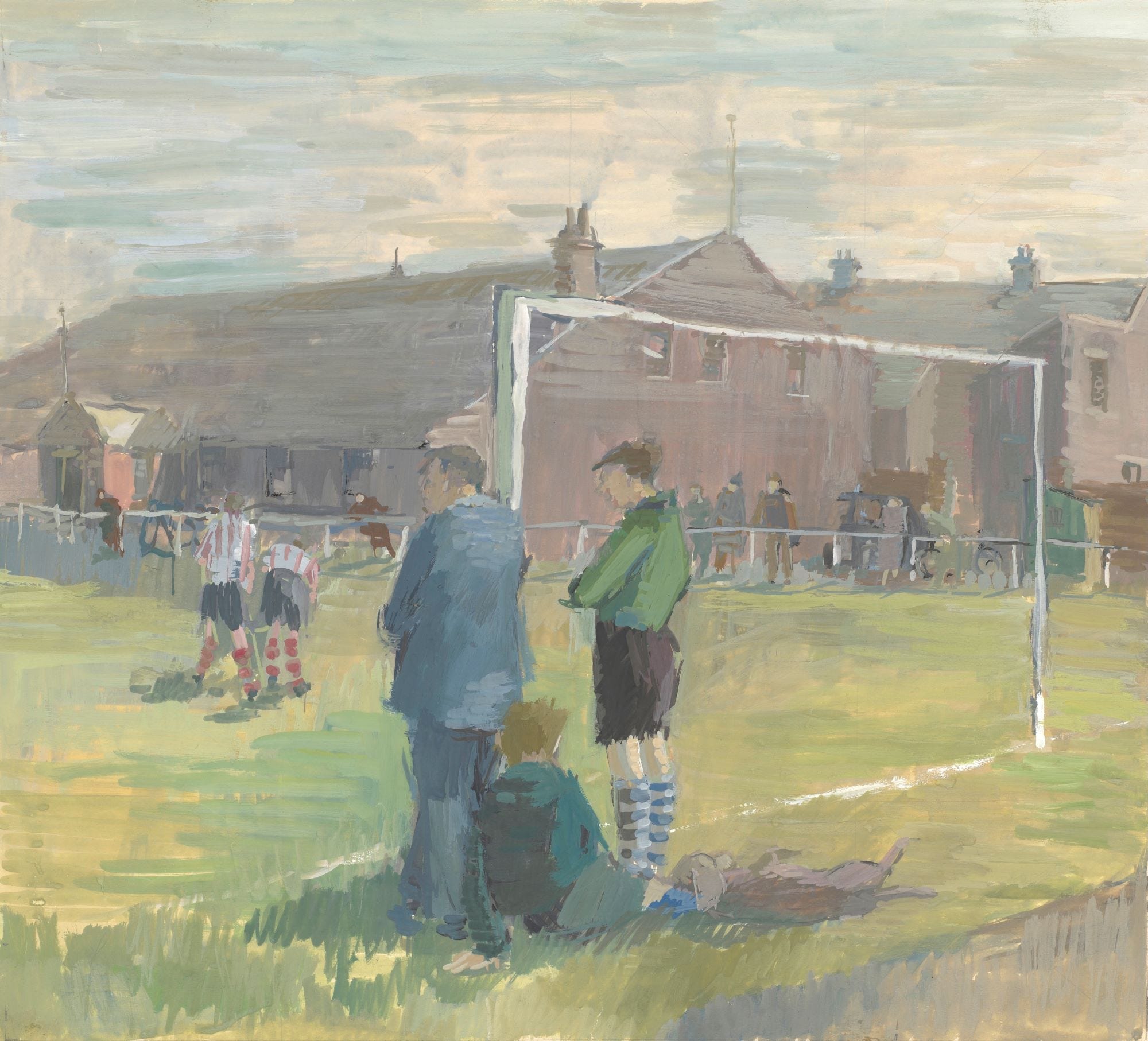
It was found by Audrey’s niece and nephew who, in 2014, donated the whole lot to the Wellcome Collection whose archive includes thousands of items relating to health, medicine and human experience.
The NGCA has worked with the Wellcome Collection on the Sunderland exhibition which shows Audrey’s unconventional and largely unappreciated artistic journey.
It includes paintings and drawings of the beaches at Roker and Seaburn, of local parks, street scenes and people, including factory workers and lads playing football.
After moving to London, Audrey’s artistic style evolved.
As she said on one occasion: “I was once in the tradition of social realism, also called the kitchen sink school of painting, but I am now avant garde and misunderstood.”
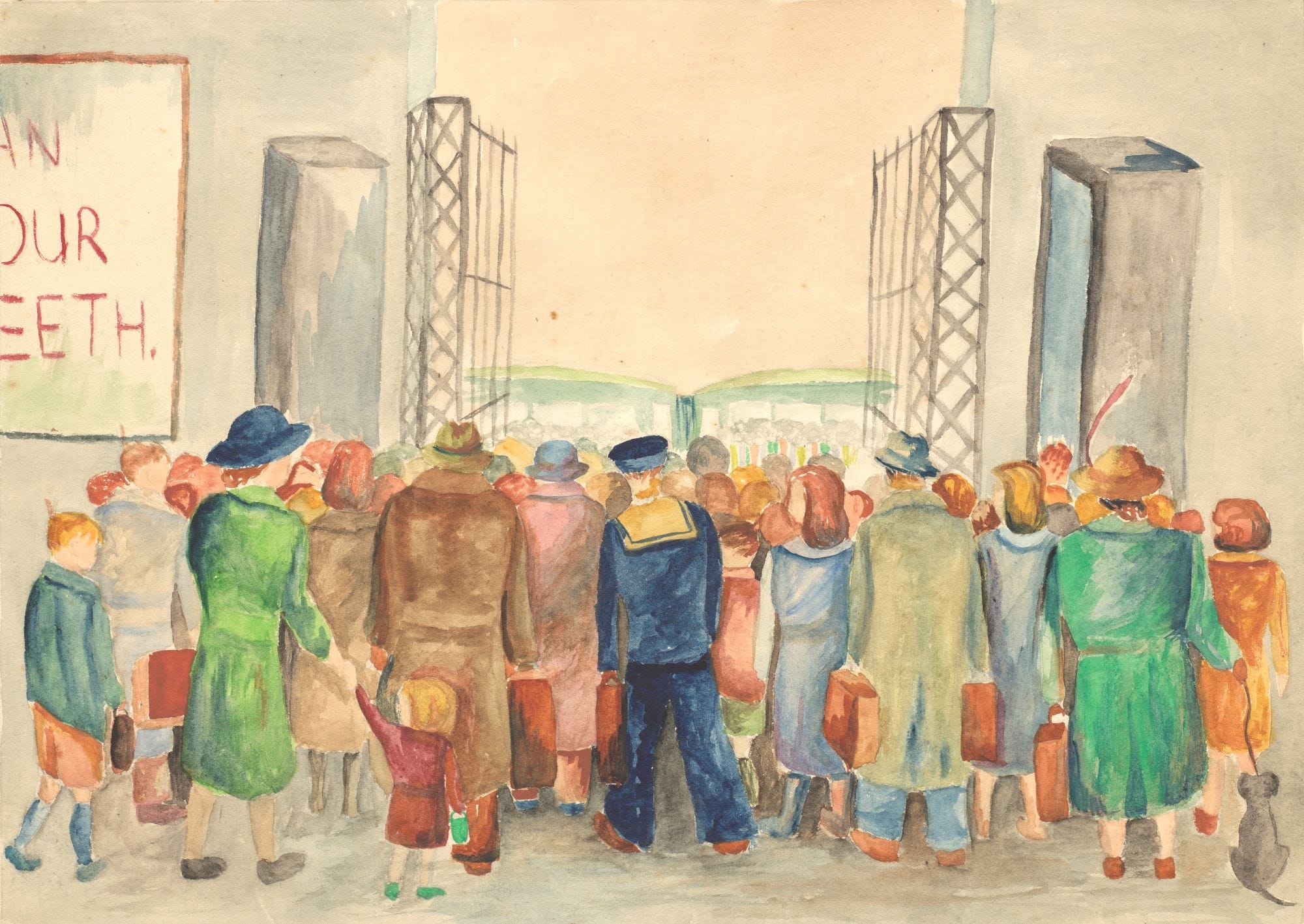
Being misunderstood was not unusual for Audrey in art and in life, as became clear to Carol Morley - who sifted through the archival material and then wrote about her in the Observer newspaper - and also to those engaged in cataloguing her work at the Wellcome Collection.
Morley wrote about Audrey’s fearless passion for overseas travel which took her to India, Syria, South America, Russia and also China where she sported a Chairman Mao hat and ‘ran amok’ in a village.
Recalling how she had ended up tied up in a Chinese asylum, Audrey wrote: “I didn’t blame them. I can be a bit much.”
The material in the Wellcome Collection also includes letters to organisations as diverse as the Salvation Army and the Sherlock Holmes Society, while the logbooks, according to Morley, are “erudite, perceptive, sometimes disturbing and often funny”.
Preserved among the letters were items of food packaging and a receipt for a Cornetto ice-cream – and the passport entry, in the section requiring occupation, which gave Morley the title of her film.
Audrey Amiss evidently considered that she had many strings to her bow so described herself as ‘Typist Artist Pirate King’.
She was also an outspoken advocate for people who had suffered in the country’s mental health system, calling herself a “mental health survivor”.
Audrey, who fought many battles during her lifetime, argued against the medication prescribed to people like her. “I think psychiatrists regard high spirits as a disorder and effectively stamp it out,” she once wrote.
Dorothy told Carol Morley that her sister would always be getting into scrapes. “Audrey laughed like a drain when she told me she’d kicked a security guard in the seat of his pants,” she recalled.
John, Dorothy’s husband, remarked that “you associate mental problems with depression, but that was not Audrey at all. She was interested in everything.”
Dorothy agreed, saying the only time she had seemed depressed was when she was on medication.
Most artists I’ve met don’t crave the limelight but do want their work to be seen.
Audrey was no exception, once writing that “there must be a great many artists whom we have never heard of”.
You can sense a wistfulness in her words – and you sense she would have enjoyed the idea of her pictures being one of the main attractions as a new cultural building opens in the city of her birth.
Kevin Petrie, professor of creative practice in Sunderland University’s school of media and creative industries, welcomed the exhibition.
“It’s wonderful to showcase the work of this important Sunderland-born artist in our new gallery space at Culture House,” he said.
“The prestigious NGCA is a longstanding asset for our creative students.
“It gives them the chance to work alongside the exhibition curator and, in many cases, artists themselves, to learn first-hand about careers and professional practice in the arts.”
Sunderland Culture chief executive Nick Malyan expressed similar delight, saying: “We’re proud to open NGCA’s new home with an exhibition developed in partnership with Wellcome Collection whose care, research and stewardship of Audrey Amiss’s archive have helped bring renewed recognition to this remarkable artist.
“Bringing her work back to Sunderland, where her artistic journey began, is a wonderful way to begin the next chapter for NGCA in the heart of the city at Culture House.”
Kitchen Sink Realism will run at Culture House Sunderland until Saturday, January 17, next year.
And should you be in London, Audrey Amiss: The Surviving Exhibitions is showing at the Wellcome Collection, near Euston Station, until February 7, 2027 (admission free).