

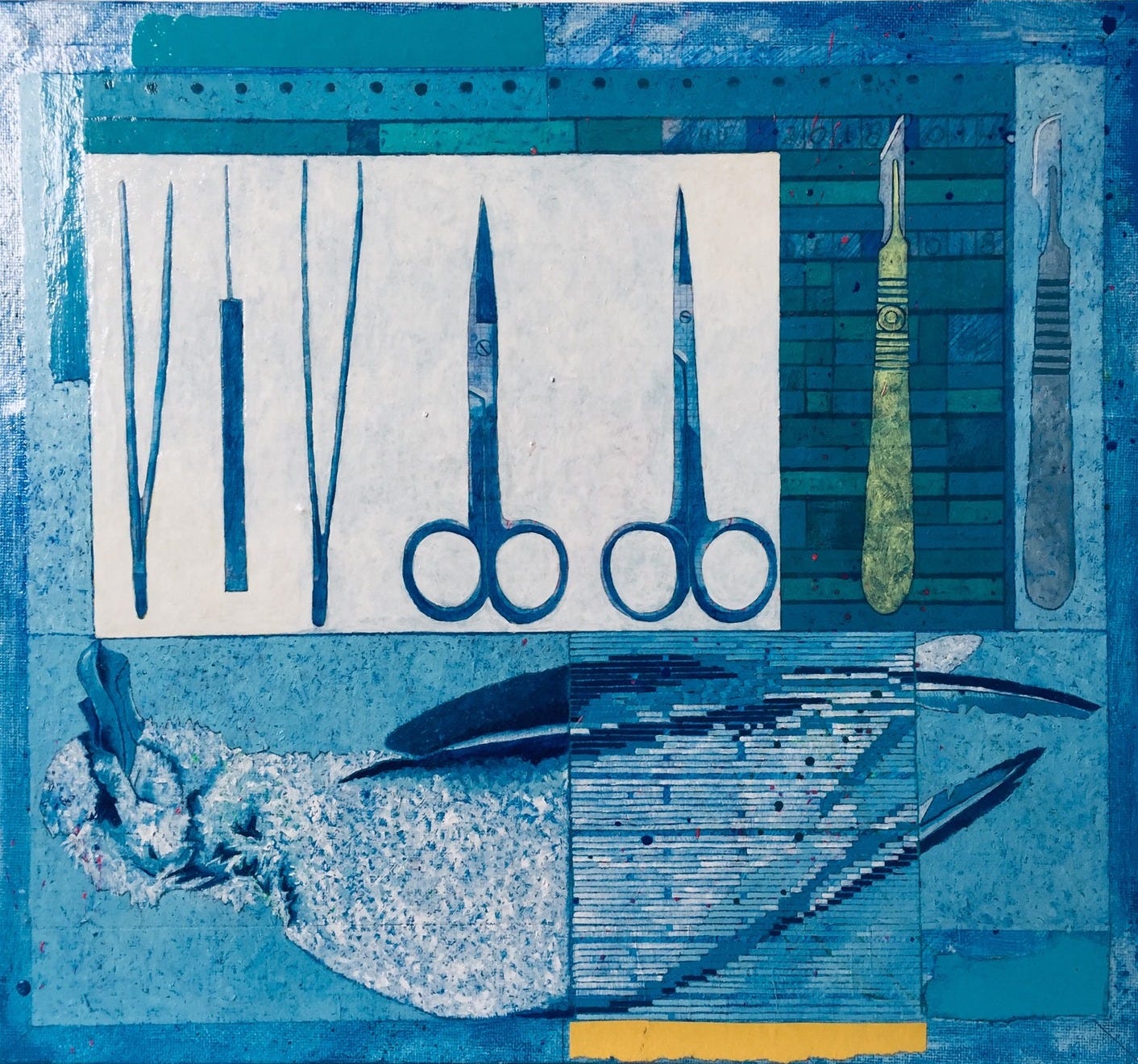
For more than 20 years, volunteers have been scouring the North East coastline for dead birds washed up on beaches and rocks.
The efforts by the North East England Beached Bird Surveys project help detect trends in the North Sea and happenings such as oiled birds. But the species of particular interest are fulmars.
The group contributes to a wider international Save the North Sea fulmar initiative which gathers data on factors such as the amount of plastic particles and pieces found in the stomachs of the birds.
Fulmar stomachs are examined at Newcastle University’s Dove Marine Laboratory in Cullercoats.

From a sample of fulmars investigated from 2014-2018, the stomach findings were that 90% of the birds contained plastics, the average number of plastic pieces was around 25, and half of the birds held more than the target level of 0.1 gram per stomach.
Now group co-ordinator and North Shields ornithologist Dan Turner has organised a sell-out event on Sunday, April 19, at the Tyneside Cinema in Newcastle where the Gallery screen will show the documentary film Plastic Warriors.
The North East group appears in the film, which took five years to make, and the event also features an impressive list of speakers including Newcastle MP Chi Onwurah; North East regional Greenpeace campaigner Lutz Lemmer; Rebecca Wilson of Newcastle City Council waste & recycling engagement team; Ellie Davison, urban naturalist from the Natural History Society of Northumbria; and Danny Hogg, North Tyneside Council operations manager, cleansing & enforcement; and Dr Hannah Lloyd-Hartley, plankton scientist with the Centre for Environment, Fisheries and Aquaculture Science.
Funding for the event has come from Sea-Changers, White Wings Publishing, and North East England Beached Bird Surveys.
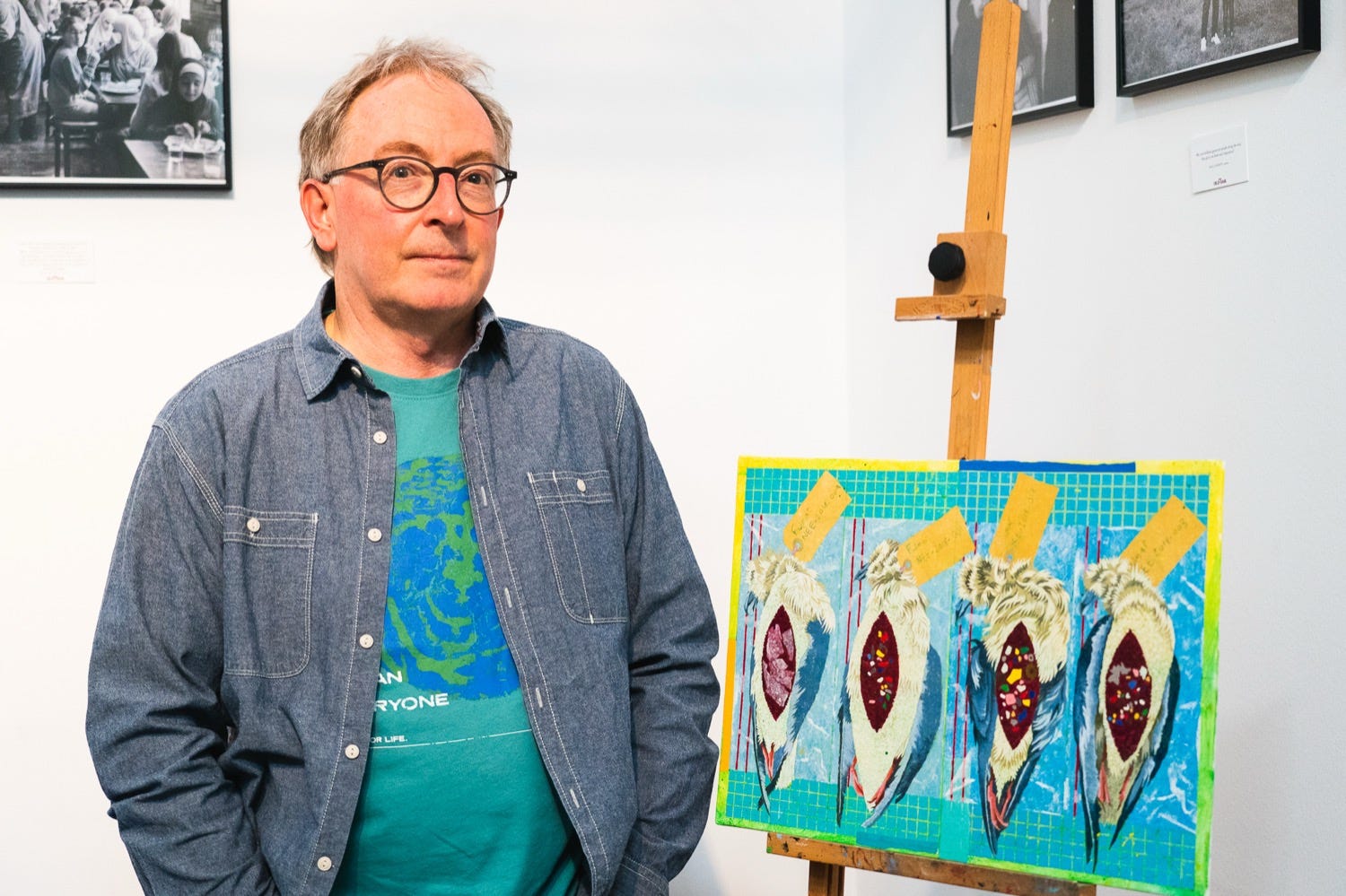
Also attending will be artist Stephen Livingstone, who grew up in Tynemouth, went to school in Cullercoats and now lives in Spennymoor in County Durham.
He has produced 25 oil paintings of the fulmar investigation sessions at the Dove Marine Laboratory, some of which will be on show at the Tyneside event.
He says: “Some of the material, like highly coloured plastics which come out of the stomachs, is shocking and it is an indication of how much plastic there is in the seas.
“My work deals with factors which change landscapes and habitats. The paintings are a pertinent project because plastics are such an issue worldwide, with their effects along the food chain.”
Fulmars are surface feeders and can mistake floating plastic pieces as food. The birds can survive, although chemical leaching from the plastics may make them less fit.
But ingesting plastics can be fatal if jagged pieces pierce their insides or balloon-like plastic material blocks their stomachs, leading to starvation.


“Fulmars ingest floating plastic particles when feeding at sea and accumulate these in their stomach to a level that reflects the amount of litter at sea,” says Dan.
Analysis has also involved other beach-washed seabirds found mainly in the North East such as guillemots, razorbills and little auks.
Tissues from these specimens are stored frozen for future analysis. In addition, the group has an “archive” of kittiwakes and puffins and smaller numbers of other species for initial examination.
“Despite enormous public, industry and policy attention in the past few years, this eye-opening feature documentary investigates the damaging effects plastic pollution is continuing to have on our health, lifestyle, and wildlife with a strong focus on the UK,” says Dan.
“The film tells the story of the plastic warriors – from eminent scientists, campaigners on the front line and researchers, to the innovators and designers working on solutions to solve this global crisis that politicians and governments are largely ignoring and need to address.
“It takes audiences on a journey to deep sea coral reefs and huge seabird colonies, to discover first-hand the extreme danger of the scourge of plastic that is engulfing every aspect of their lives. Plastic Warriors is an urgent reminder about the wider issues and a film that inspires action.
“One of the aims of the Tyneside event is to spur people on to take action over plastics but the main impact has to come from industry changing its practices, making plastics easier to recycle and regulatory action by governments.”