

Refugees are to work with Roman forts in Northumberland to plot the movement of ancient peoples from afar to destinations along Hadrian’s Wall.
The project is a collaboration between the West End Refugee Service (WERS) in Newcastle and the Vindolanda Trust.
The Trust holds significant archaeological collections from the Roman forts of Vindolanda and Magna Roman Fort, and the project will use pottery finds to investigate the movement of people, objects and ideas in the ancient world.
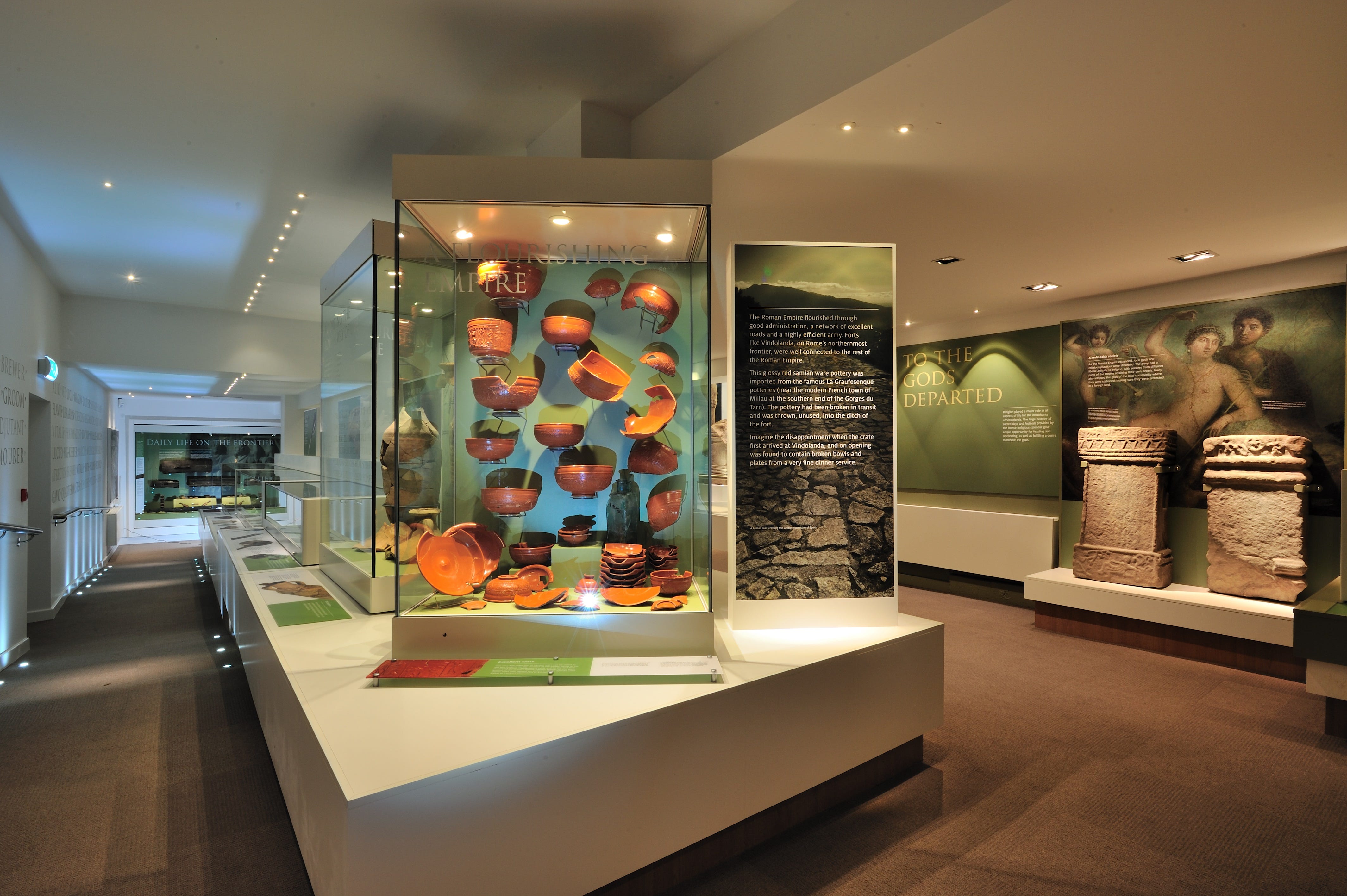
This follows the discovery of pottery vessels whose style and form reflect ancient North African pottery types at both Magna and Vindolanda.
The Trust, through its current National Lottery Heritage Fund-supported excavations at Magna, is embarking on the 12-month research project with refugees and people seeking asylum who have made their own journeys to the North East.
The project is led by Sophie Westlake, activity and diversity officer of the Magna Project, and Dr Cristina Crizbasan, pottery specialist and post-excavation supervisor at the Vindolanda Trust.
They will work in partnership with WERS, which delivers services to people seeking asylum and refugees across the region.
Sophie said: “This project creates a space where ancient material culture and lived experience can come together, allowing us to explore questions of movement, identity, and connection across time in a way that feels both meaningful and accessible.”
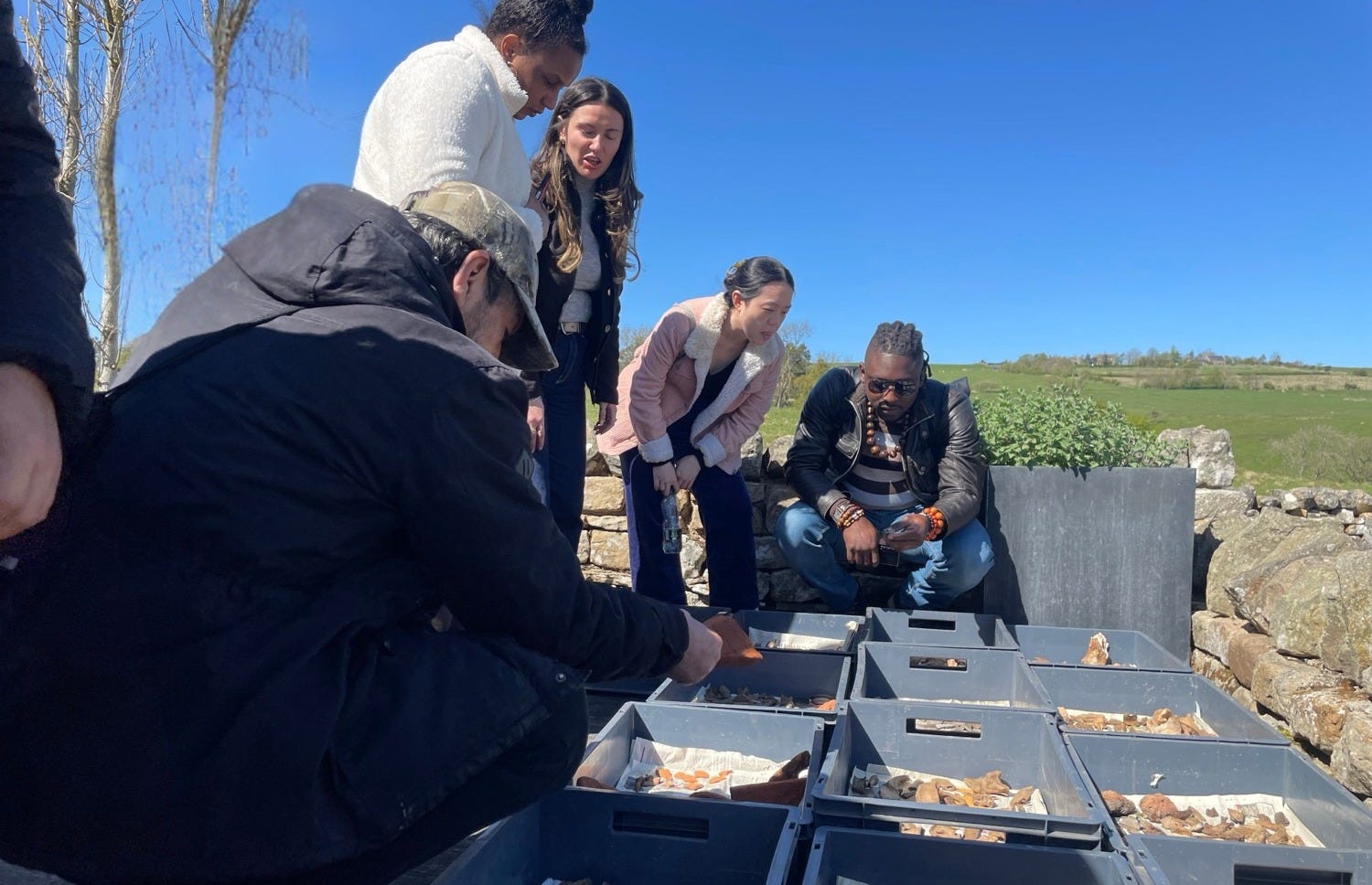
WERS’ clients have visited both the Roman Army Museum at Magna and Vindolanda for guided tours and a hands-on session with the pottery collection.
Participants described the experience as “inspiring”, “rewarding”, and “intriguing”.
Over the coming year, the group will take part in specialist workshops covering archaeological interpretation, post-excavation work, research skills and experimental pottery-making, led in part by Northumberland ceramics specialist Graham Taylor of Potted History.
They will also make research visits to sites across Hadrian’s Wall and the Antonine Wall in Scotland, helping to build a broader understanding of how pottery styles and ideas spread across the Roman world.
Faye Douglas, community activities and volunteering co-ordinator at WERS, said: “Our participants know what it means to make journeys, build new lives, and create belonging in new places. Engaging with the Roman past through this project helps open up important conversations about movement and identity across time.”
The project will culminate in a co-curated exhibition at the Roman Army Museum activity centre and a one-day public conference, where community researchers and academic specialists will present together on the theme of migration, both ancient and modern.
The project is an example of how support from The National Lottery Heritage Fund, made possible by National Lottery players, is enabling stories held within the Trust’s collections to be researched and shared.
Dr Andrew Birley, chief executive of the Vindolanda Trust, said: “It is wonderful to welcome those most closely connected to narratives of movement, resilience, and belonging to our sites, and to see them play a central role in bringing the stories held within the pottery collection to life.”