

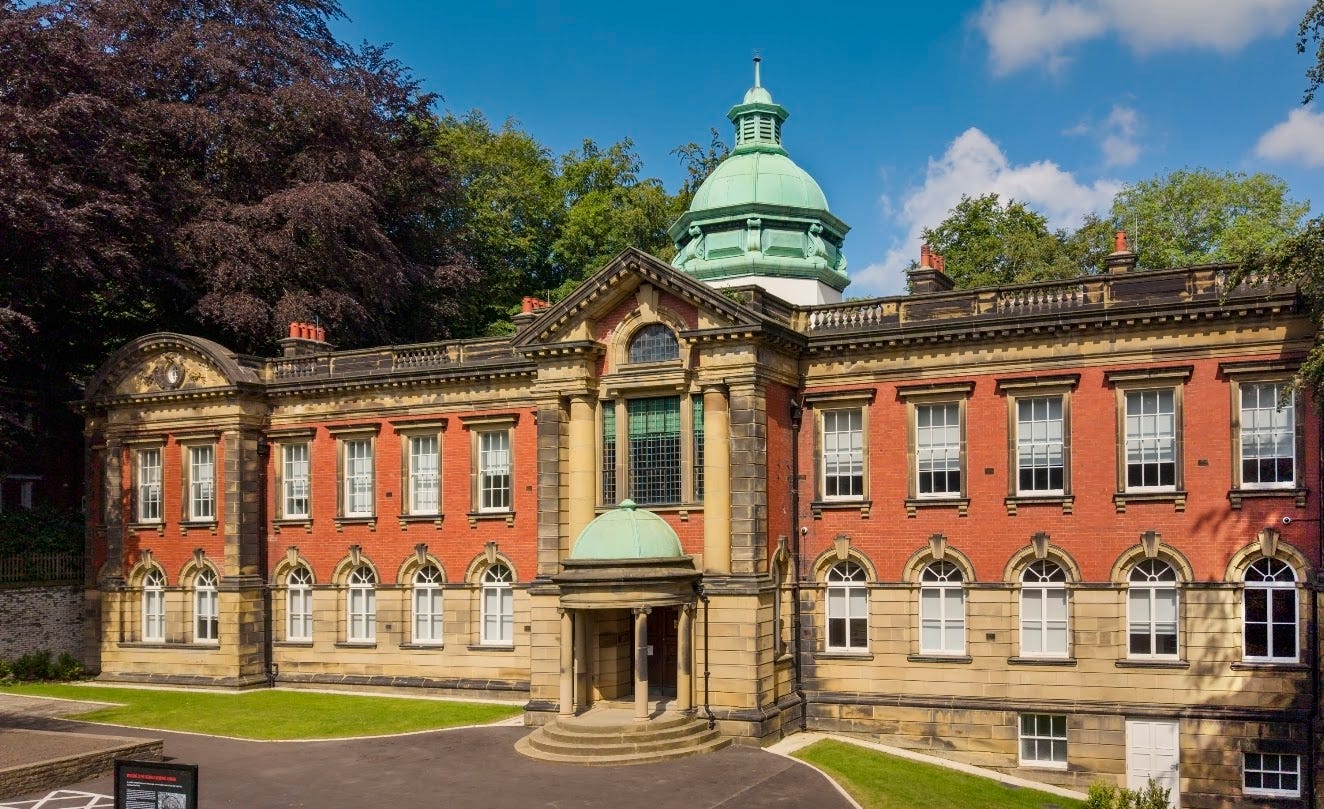
There was an extra cause for celebration at the 140th Durham Miners’ Gala at the weekend with an accolade for one of the most important symbols of North East mining culture and history.
Redhills Miners’ Hall in Durham, home to the ‘Pitman’s Parliament’, has been upgraded to a Grade II* listed building by the Department for Culture, Media and Sport on the advice of Historic England.
It is thought to be the most outstanding example of trade union-inspired architecture in the country.
Grade II* listing goes to important buildings of more than special interest. Only 5.8 per cent of listed buildings are Grade II*.
Constructed between 1913 and 1915, the hall was purpose-built as a place where the Durham Miners’ Association (DMA) could meet coal owners on their own terms. This meant the miners would not be intimidated by talks at the grand homes of the pit barons.
The building was listed at Grade II in 1988, but recent research has provided a better understanding of the quality and survival of the interiors as well as the building’s historic significance in a national context.
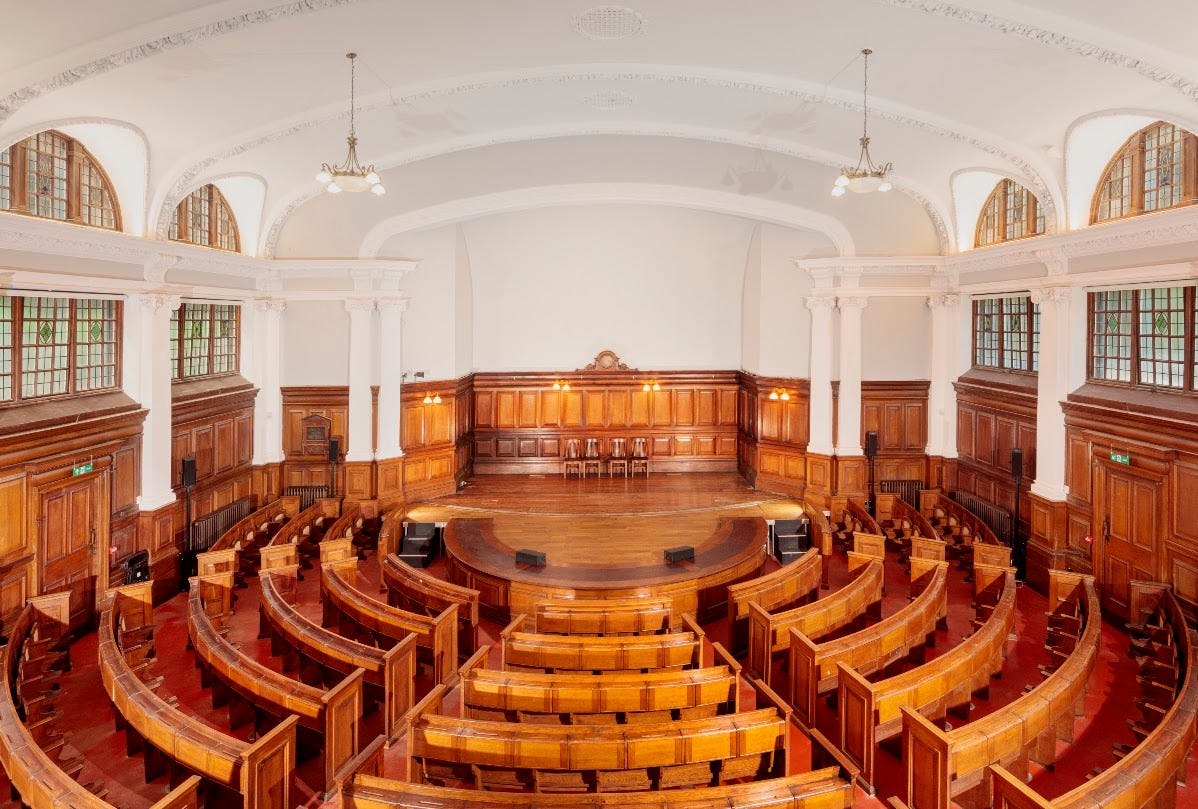
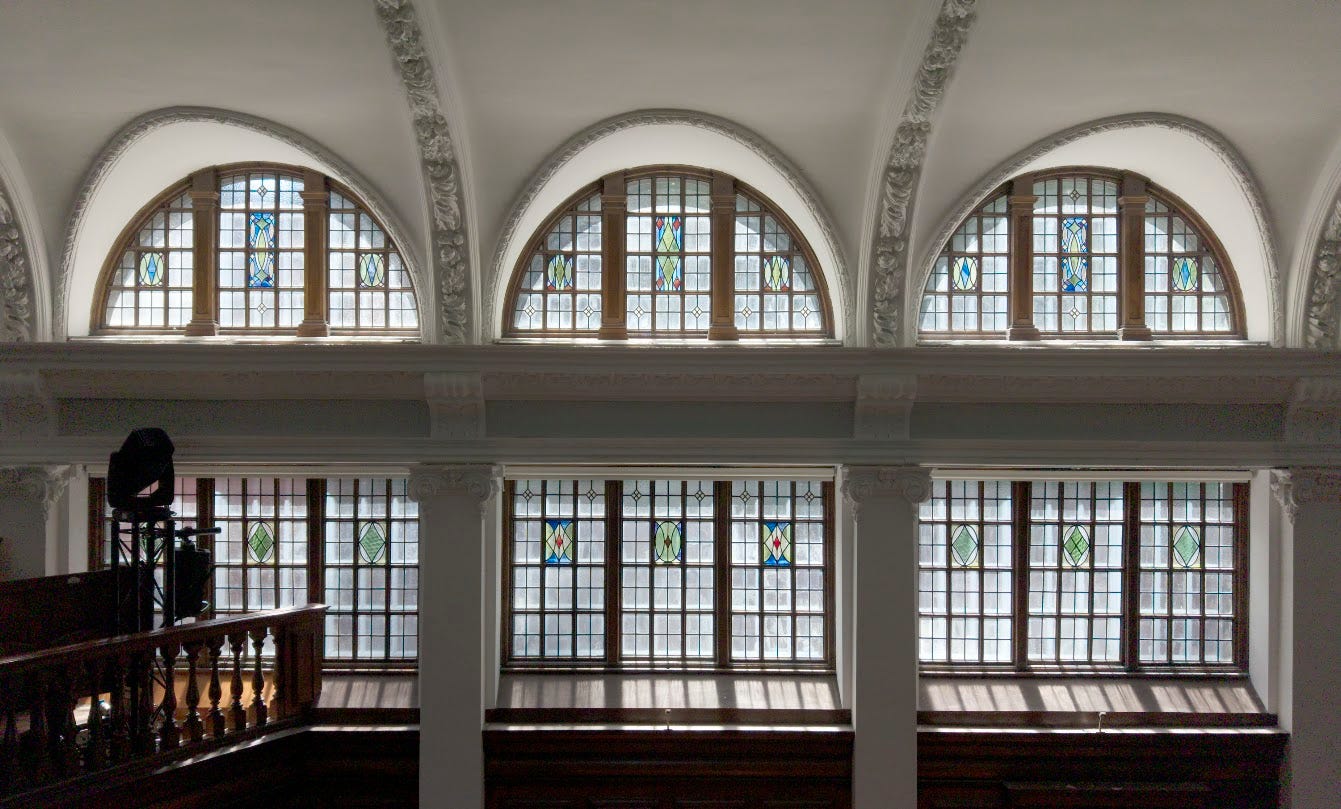
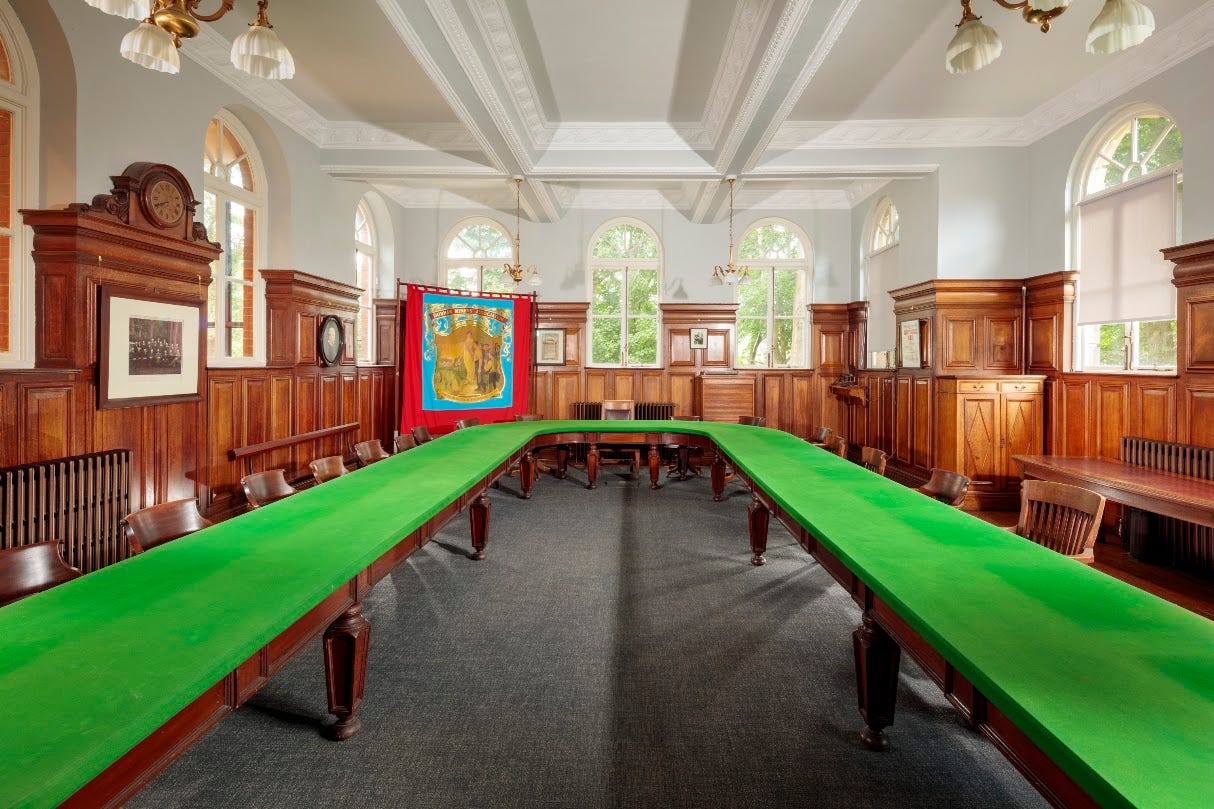
The new listing recognises the council chamber described as a ‘powerful statement’ with high-quality stained glass, ornate plasterwork and bespoke Austrian fixtures creating ‘an outstanding space exemplifying the social evolution of the times’.
The DMA was formed in 1869, representing pitmen from almost 300 coal mines across County Durham, and quickly became the largest miners’ union in the UK, fighting for safety, wages and social reform.
Tom Frater, Historic England’s regional director for the North, said: “We are delighted that the hall has been elevated to Grade II* status on our advice.
“Not only is it a strong symbol of the emergence of a social reform movement, which laid the groundwork for the Welfare State, but it is a striking building representing the status and power of the largest and most powerful miners’ trade union in England.
“It has been barely altered over the years, and the Pitman’s Parliament is a unique space - not just for its historical significance but for its craftsmanship and design.”
Andrew McIntyre, chief executive of Redhills, said: “This upgrade to Grade II* is national recognition for a building that belongs to the people of the Durham Coalfield.
“Redhills was built by working people who refused to accept that power, wealth and decision-making should belong only to coal owners and politicians. They organised, educated themselves, pooled their resources and built institutions of their own.
“At its heart was the Pitman’s Parliament, where miners debated wages, safety, welfare, education, housing and political representation, and helped lay the foundations for the Welfare State.
“That is the model the founders have left us. Redhills is not simply a monument to what working-class communities achieved in the past. It is a call to action.”
Although coal mining across the Durham Coalfield ended 40 years ago, and much of the physical evidence of its once-dominant presence has disappeared, Redhills remains a powerful focal point for the culture and shared values of coalfield communities.
Following a £14.1m restoration, Redhills is entering a new chapter as a centre for culture, education, events and community organising.
It retains important collections of documents, artworks and memorabilia and The Durham Miners’ Gala is still organised from the building.
The building was gifted by the DMA to a new Redhills charity, with its restoration underpinned by backing from The National Lottery Heritage Fund, alongside more than £5m raised from trade unions and the wider community.
The reopened building now hosts community events, conferences, concerts, plays, weddings and tours. Tours can be booked at redhillsdurham.org.