


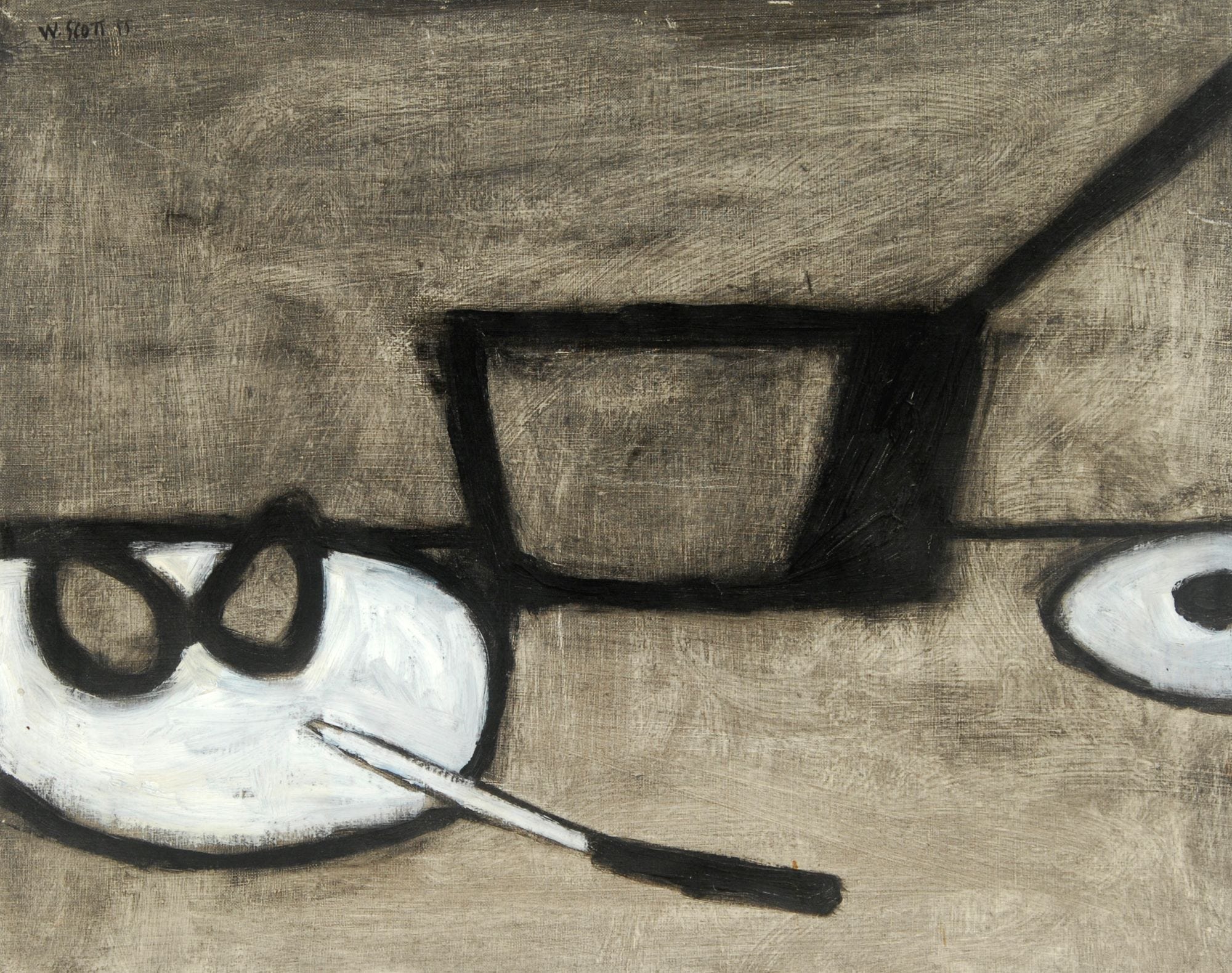
A new exhibition pairing painting and pottery, and showing the connections between them, is to open at Newcastle’s Hatton Gallery in September.
Called The Potter’s Canvas: Ceramics and Painting in the 20th Century, it will look at how British ceramicists used drawing, painting and mark-making to transform the surface of clay.
While usually regarded as a sculptural medium, clay was seen as a ‘canvas’ by many artists.
Ceramic items from the extensive collection of Gateshead’s Shipley Art Gallery will be displayed with paintings and prints from the Hatton.
More than 70 works will be on display, organised thematically across the Hatton’s four exhibition spaces.
The aim is to show how the worlds of pottery and painting shaped each other, with early minimal brushwork giving way to more meaningful decoration as the century progressed.
Visitors will see ceramic works by Bernard Leach, Michael Cardew, Lucie Rie, Hans Coper, James Tower, Gordon Baldwin, Carol McNicoll, Alison Britton, Stephen Dixon and Philip Eglin.
From the Hatton’s collection will be works by Patrick Heron, William Scott, Adrian Heath and Victor Pasmore.
The exhibition will also include key works from the Laing Art Gallery such as a vase by Elizabeth Fritsch and a still life by Winifred Nicholson.
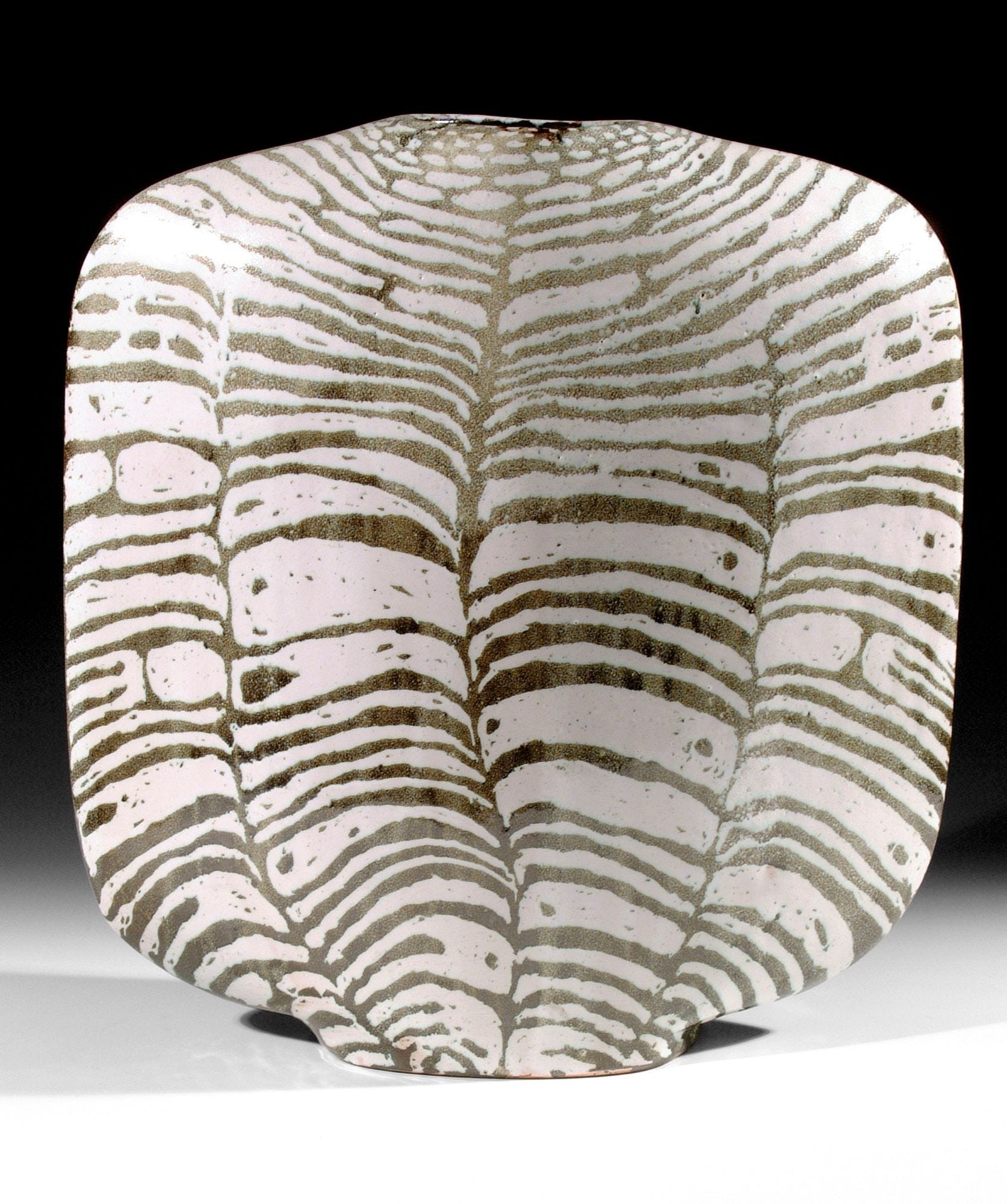
A central attraction will be striking black and white ceramic creations by James Tower (1919-88), their surfaces animated by energetic lines.
Tower’s late work, a vertical form titled Boursa (1984), was acquired by the Shipley in the year it was made and will be displayed with important early pieces on show for the first time since their acquisition in 2019.
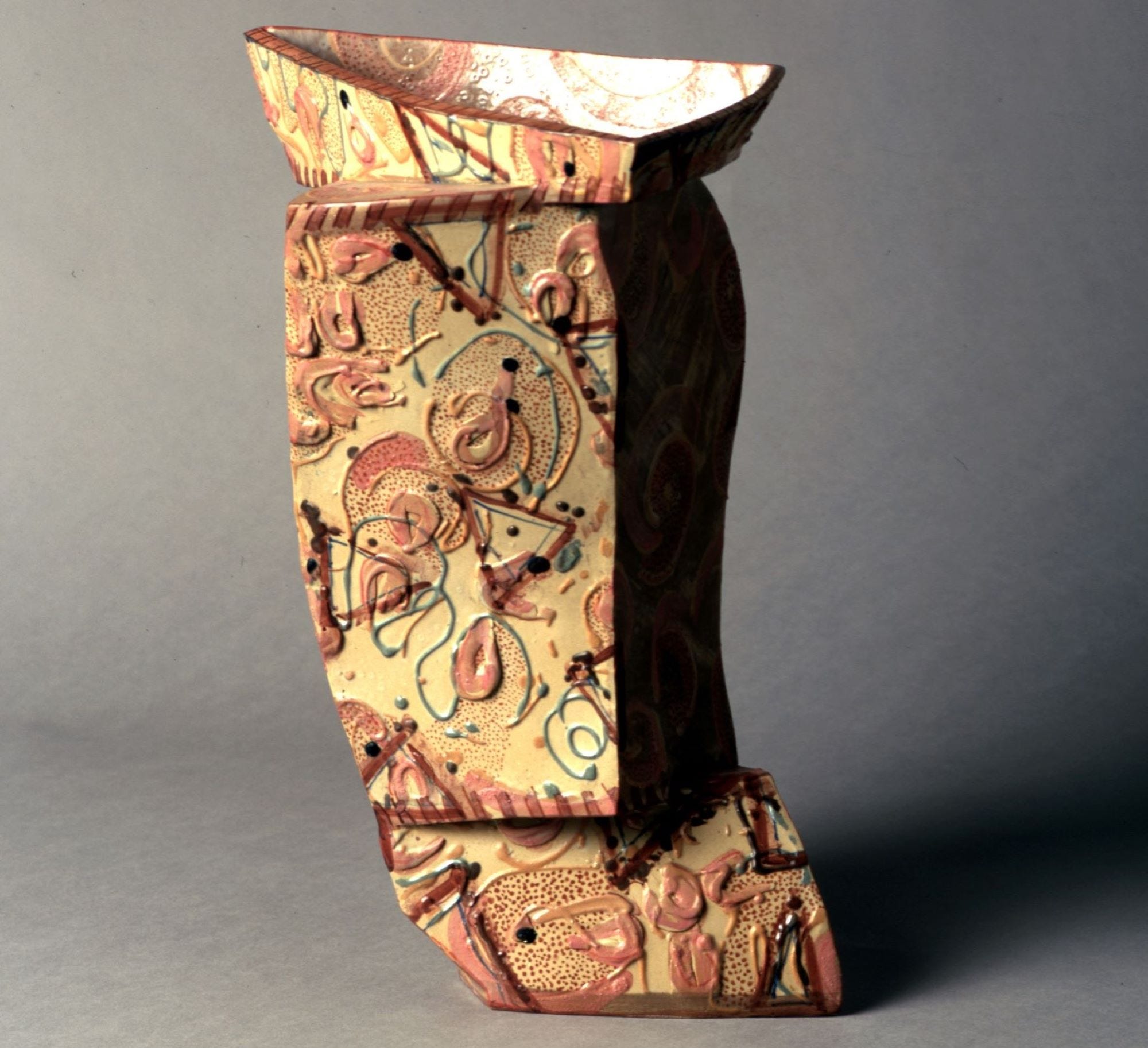
The exhibition will show how a new generation of ceramicists, such as Alison Britton (born in 1948) and Carol McNicoll (1943-2025), graduates of the Royal College of Art in the early 1970s, brought colour, pattern and a painterly approach to the ceramic surface.
Britton has written about the connections between pottery and painting and often paints her flat slabs of clay before and after they are assembled into forms.
Flat ceramics, such as tiles or large dishes, clearly offer an ideal surface on which to draw and paint, and the idea of flatness will also be explored in examples of 20th Century still life painting.
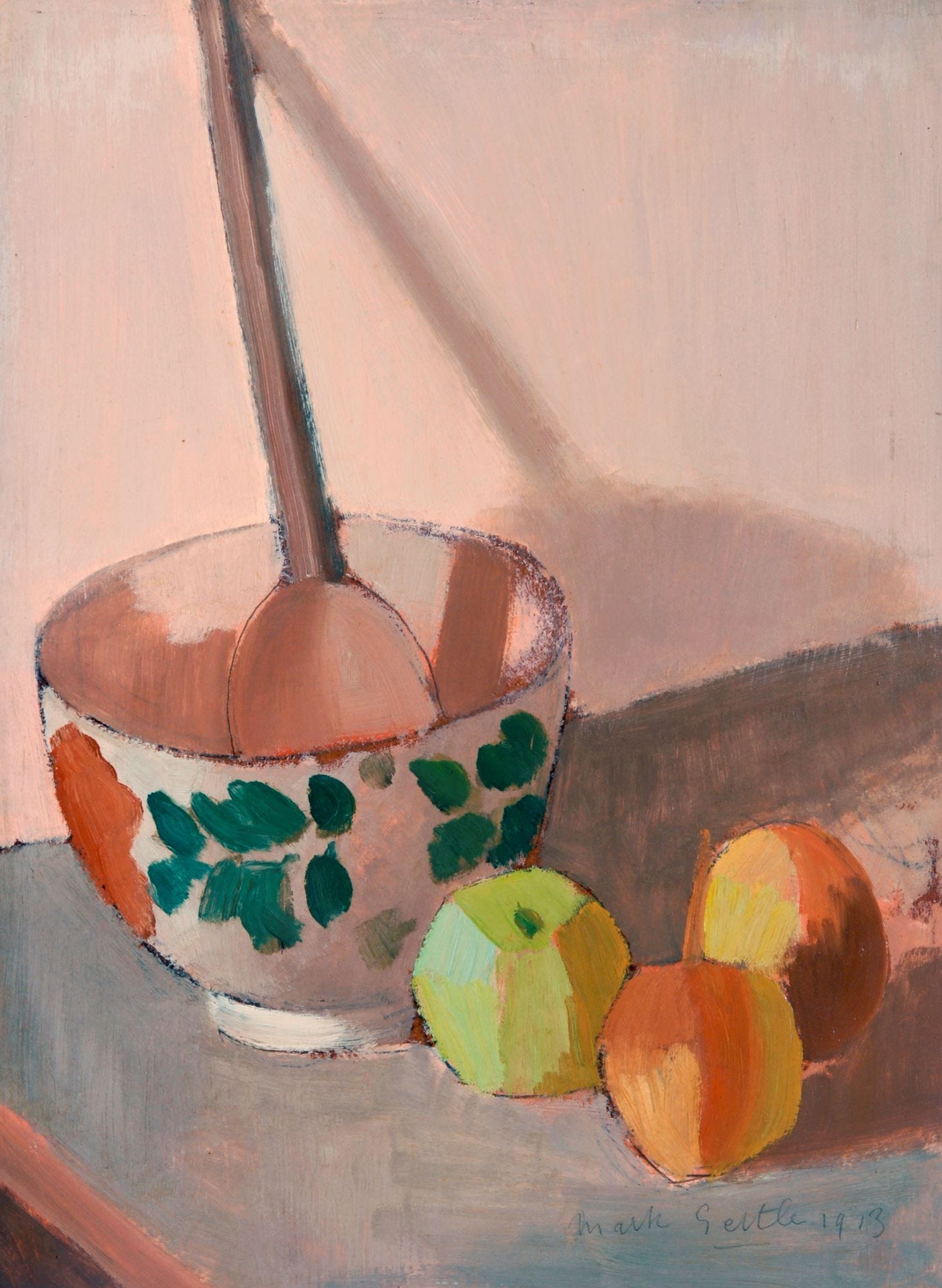
Mark Gertler’s Still Life with Bowl, Spoon and Apples (1913), from the Hatton’s collection, is just one example of the depiction of ceramics in paint, showing the influence of painters such as Paul Cézanne.
The exhibition will show how the everyday nature of ceramics made them ideal for experimentation, whether depicted on canvas or made from clay.
The exhibition will open at the Hatton Gallery, managed by North East Museums for Newcastle University, on September 19 and run until January 16, 2027.
The gallery is open from 10am to 5pm (closed on Sundays). Entry is free. Check the Hatton Gallery website for details.