

Northumberland residents are being invited to help shape the future of some of the county’s most important natural landscapes through two initiatives aimed at protecting wildlife while ensuring people can continue to enjoy the outdoors.
Forestry England has launched a public consultation on plans for a new 46-hectare woodland at Newton-on-the-Moor, while a separate survey is asking residents and visitors for their views on the future management of the Northumberland coast and its internationally important bird populations.
The proposed Newton Wood, just north of Newton-on-the-Moor, is being designed to deliver a combination of sustainable timber production, wildlife habitat and public access.
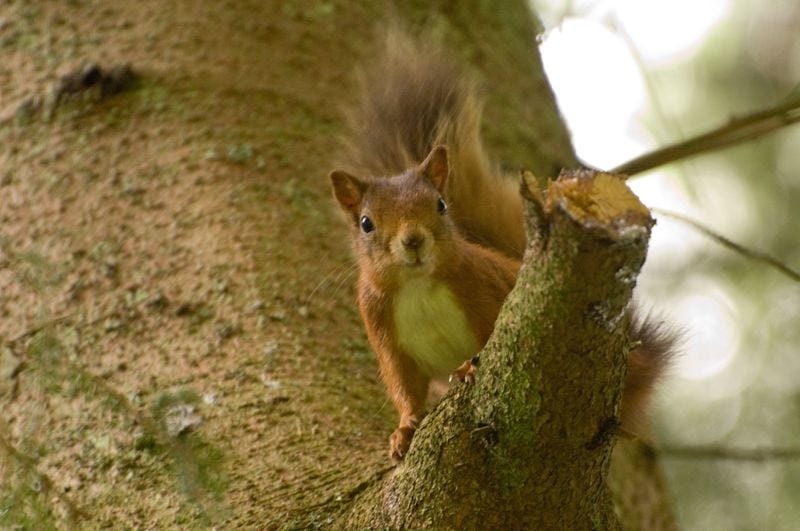
Forestry England says the woodland will be particularly beneficial for red squirrels, with conifer species including Douglas fir and Norway spruce, which are both well suited to Northumberland’s landscape while creating habitats less suitable for grey squirrels.
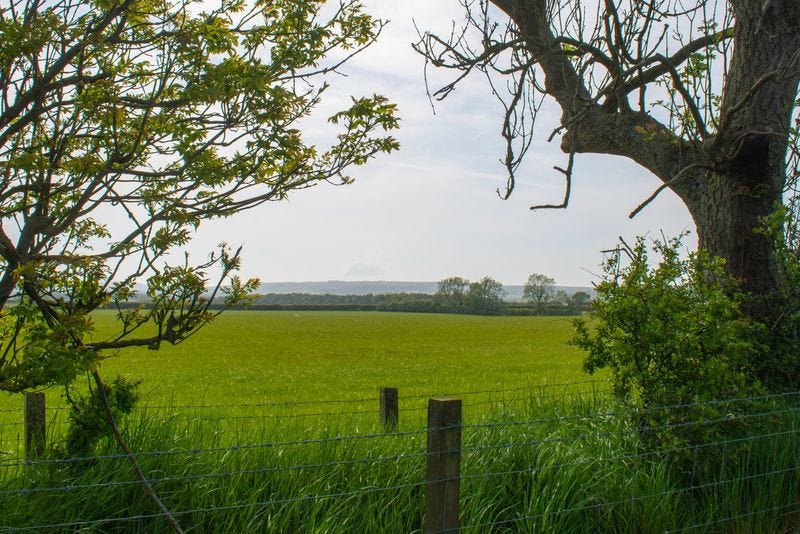
A mix of other tree and shrub species will also be planted to improve resilience to climate change and disease while supporting a wider range of wildlife.
Some areas will feature a mixture of broadleaved trees and conifers, while more open spaces will provide opportunities for recreation and public access.
Mark Holroyd, North England director at Forestry England, said: “This new woodland will be here for generations, so it’s important we get it right from the start.
“We’ve already carried out thorough surveys of the land, its soils, and the surrounding environment, and we’ve carefully designed Newton Wood to grow sustainable timber, boost biodiversity, help tackle climate change, and give Northumberland a new green space to be proud of.”
The consultation on the woodland proposals runs until June 28.
Meanwhile, people are also being encouraged to take part in a survey examining how the Northumberland coast is used and valued.
The survey, being carried out on behalf of Space for Shorebirds, part of Northumberland County Council’s ranger service, aims to build a clearer picture of how people use the county’s beaches and their awareness of the wildlife they support.
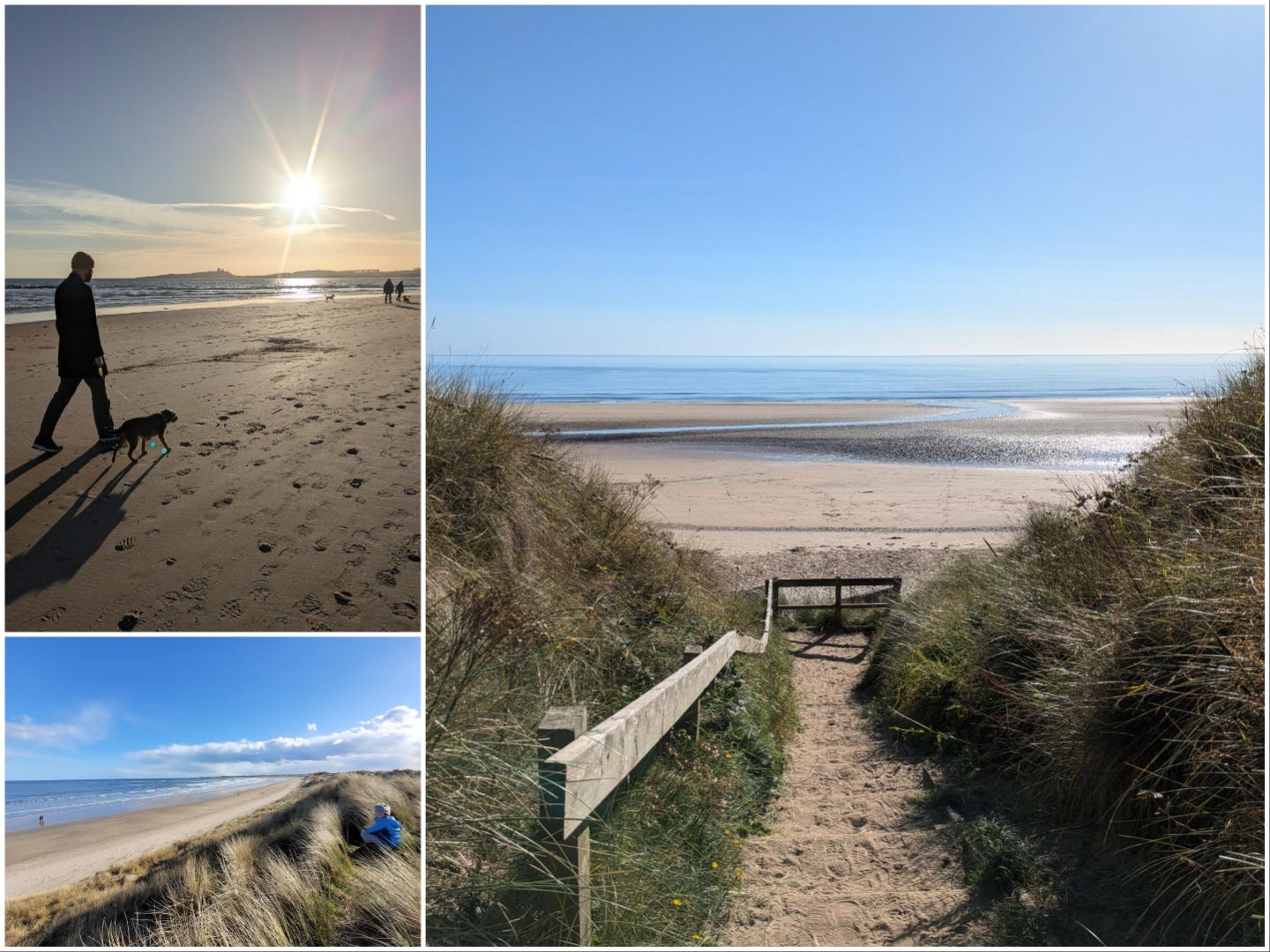
Northumberland’s coastline is home to internationally important populations of shorebirds, including curlew and sanderling, while little terns and Arctic terns nest on beaches in the north of the county.
Many shorebird species are in decline, and conservationists hope the survey will help inform future work to protect them while ensuring the coast remains accessible for walking, birdwatching and water sports.
Wildlife Ranger Katherine O’Hara said: “Northumberland has some of the best beaches in the country. The results from this survey will help understanding of how people use the coast, whether it’s for walking, bird watching, or water sports, as well as their thoughts on work to protect the important shorebirds that also live here.”
The survey will be open until June 15. Anyone interested in taking part can do so here.