


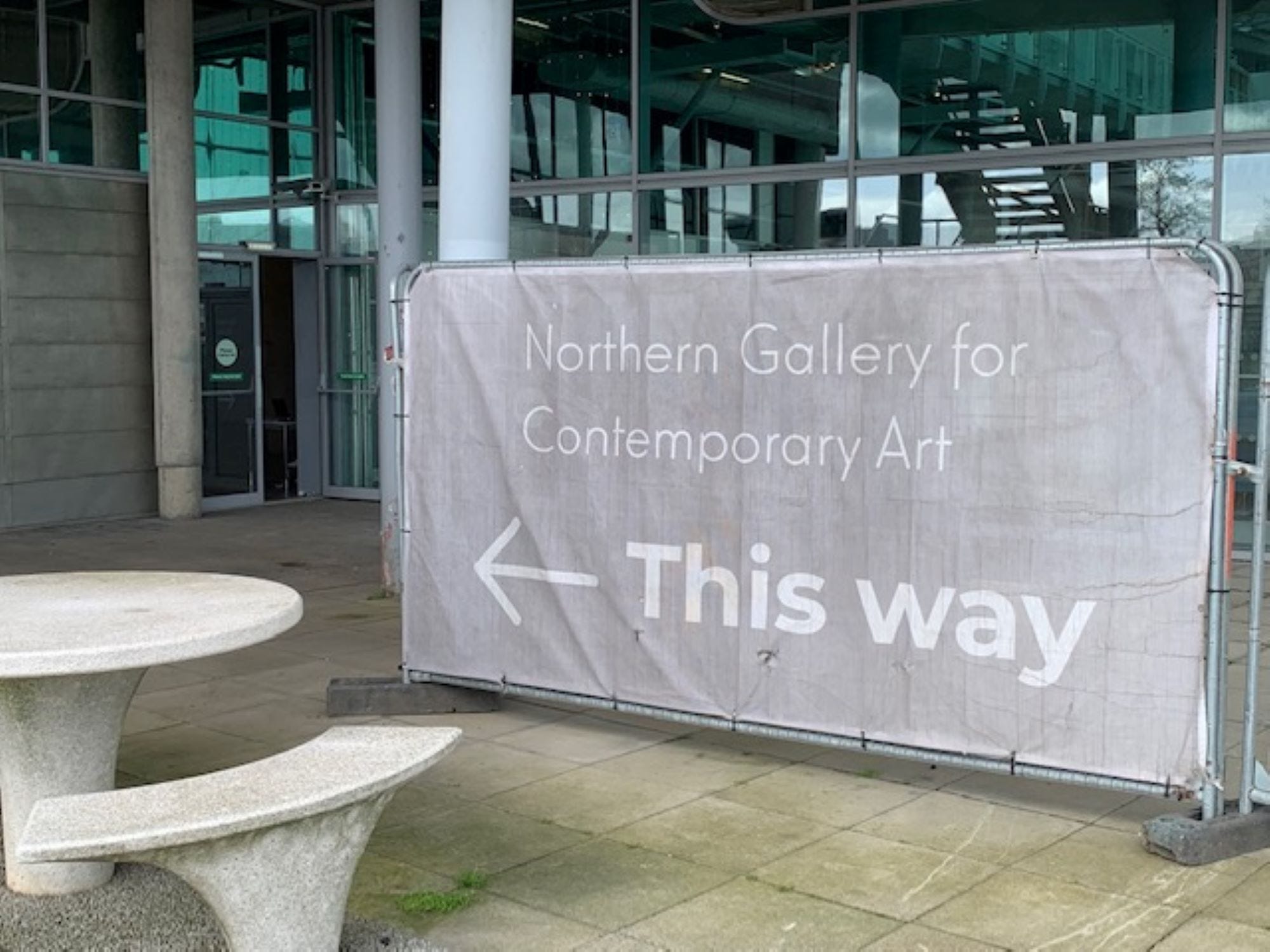
Welcome news came this week of a new home for the Northern Gallery of Contemporary Art (NGCA), currently housed on the lower floor of Sunderland’s National Glass Centre which is scheduled to close in July.
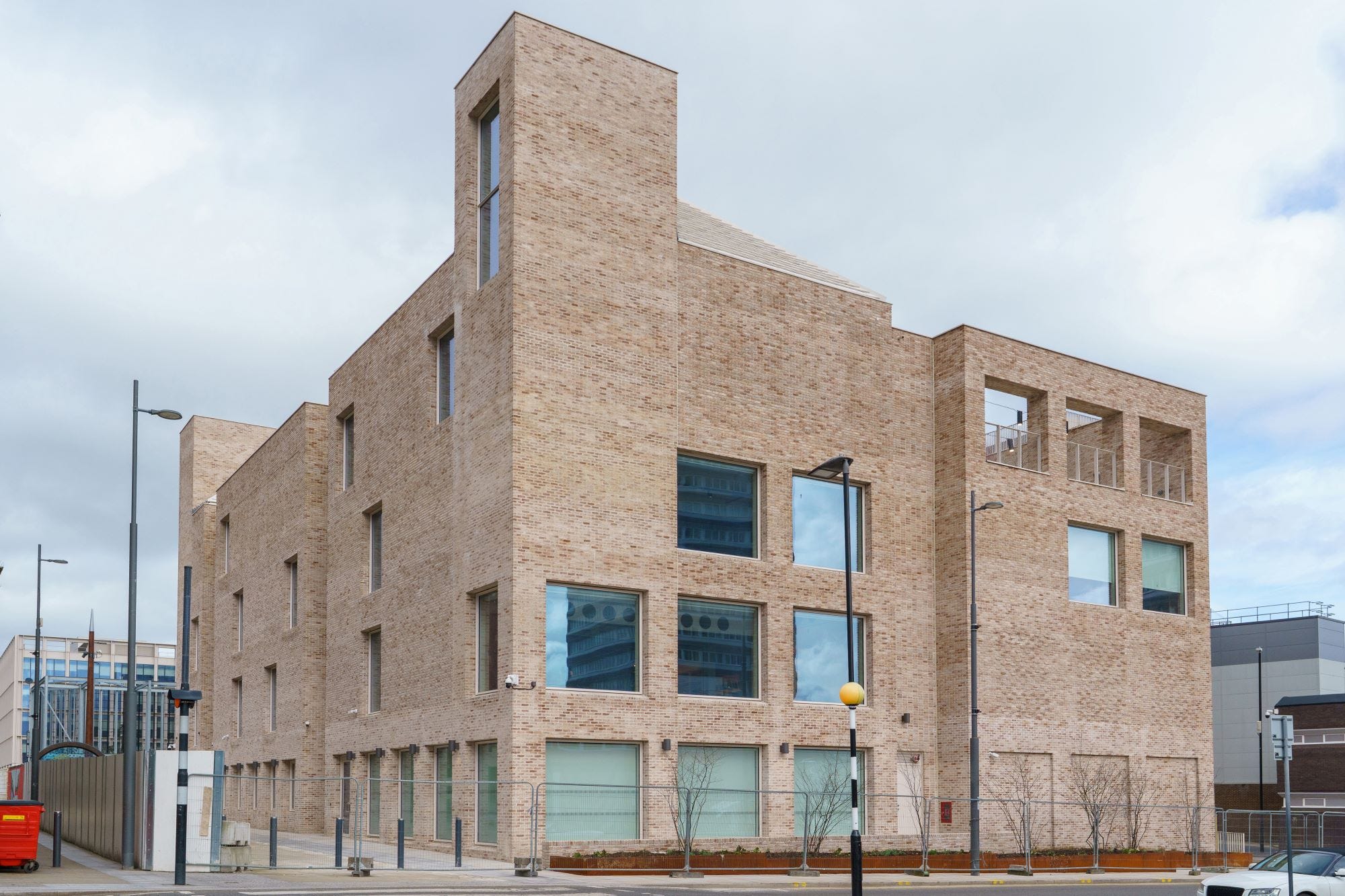
The gallery is to relocate across the River Wear to Culture House Sunderland, on Keel Square, a £27m facility which is due to open this year and will also accommodate the city library.
It will be on the second floor of the new building, in what the University of Sunderland, which owns the National Glass Centre, calls “a dynamic new space” within “a flexible, creative hub that will firmly embed the university at the heart of the city’s cultural life”.
Many will mourn the loss of the National Glass Centre, a rare facility in Britain let alone the North East, but the continued existence of the NGCA will be consolation to those who have enjoyed its exhibitions.
They have been many and varied – as, in many respects, have been its locations over the past 50-plus years.
In the 1980s it was situated on Stockton Road, in a large repurposed property, and mounted memorable exhibitions, including one by American sculptor Claes Oldenburg featuring a giant matchstick which had crossed the Atlantic in the nose cone of Concorde.
Oldenburg’s Bottle of Notes sculpture, conceived with wife Coosje van Bruggen, would later be installed permanently outside Mima, Middlesbrough’s new art gallery (20 years old next year).
In the days before Baltic (which opened in 2002) and Mima, the NGCA was the place to see challenging contemporary art.
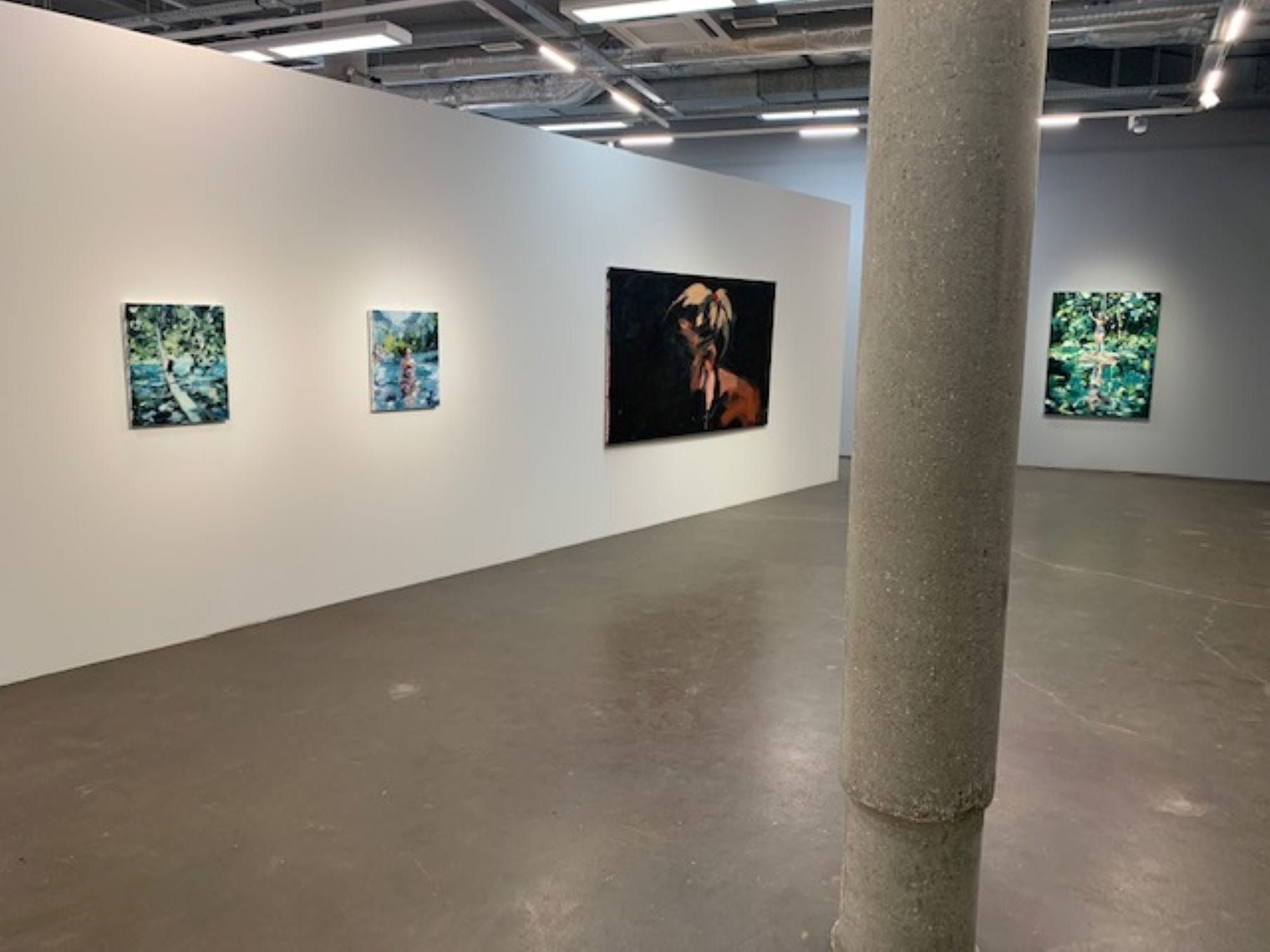
It moved from Stockton Road to the top floor of the city library on Fawcett Street and then, in 2019, to its current location where its latest exhibitions – Smoke and Mirrors, featuring landscapes from its collection, and Bottoms, by photographer Dean Raymond Gooch - run until May 26.
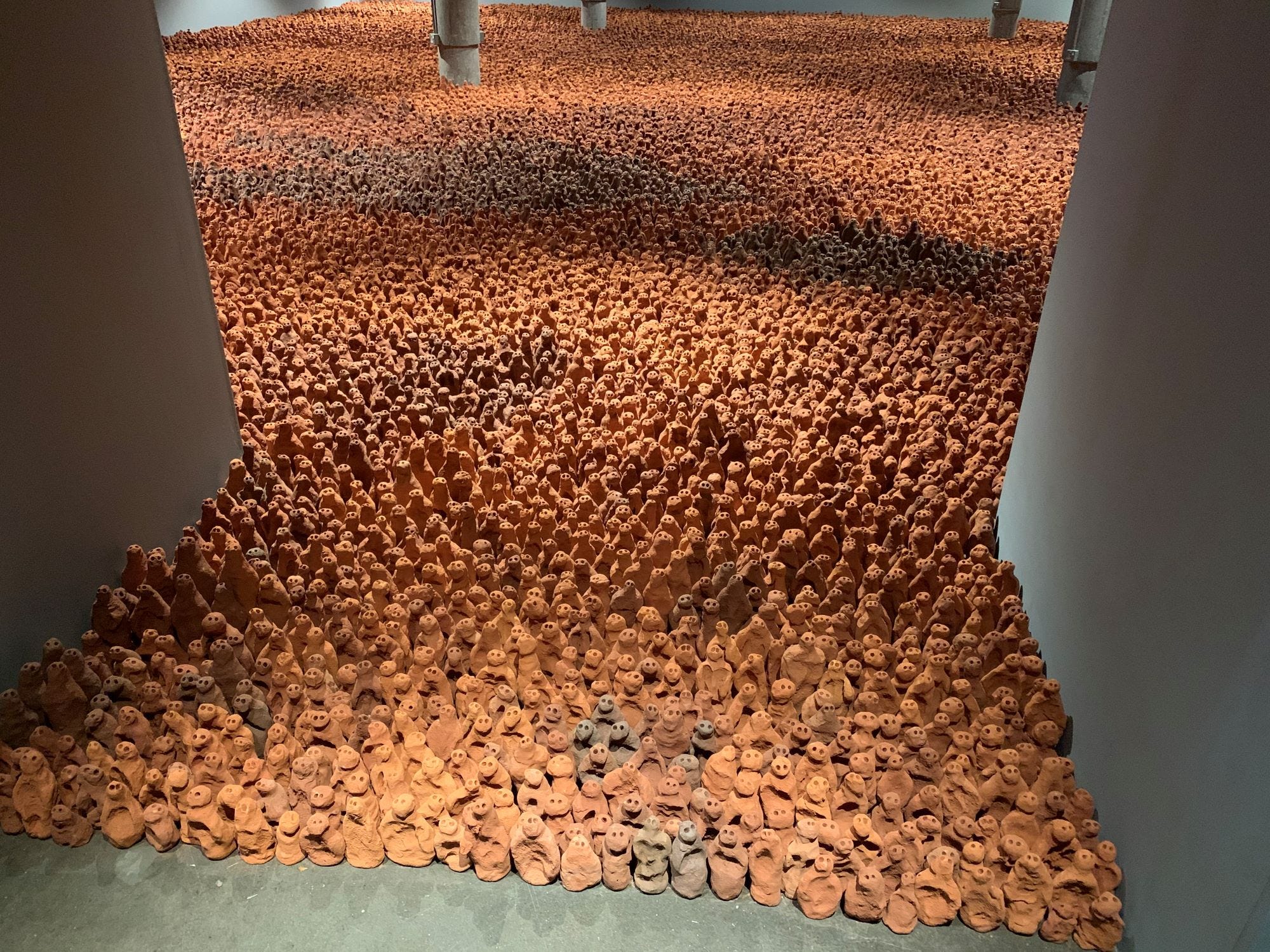
Among recent popular attractions were the gallery’s colonisation by Sir Antony Gormley’s Field for the British Isles, fabulous paintings by Newcastle-based Laura Lancaster and last year’s hobby-based curiosity shop of an exhibition curated by Hetain Patel which featured a home-made Dalek.
The university say they have worked with Sunderland Culture and the city council to ensure the new space is an “inspiring and accessible gallery”, while also providing “a prominent public platform for students and staff to exhibit work, collaborate and showcase the breadth of the university’s artistic talent”.

Prof Kevin Petrie, strategic lead for the Centre for Creative Practice Research, School of Media and Creative Industries, said: “We are working to bring a diverse range of visual art into the NGCA programme.
“My colleagues in our subjects such as fine art and photography, video and digital imaging will also use the new gallery space in teaching sessions and students will have the chance to work alongside the exhibition curator, and in many cases the artists themselves, to learn first-hand about careers and professional practice in visual arts.
“Over the next two years we plan a range of exhibitions of professional artists, academic creative work and student projects. This new space will highlight how creativity can challenge, inspire, communicate and delight.”
Nick Malyan, CEO of Sunderland Culture, said: “NGCA is the longest-established contemporary art gallery in the North East.
“For more than half a century, it has brought nationally and internationally significant artists to Sunderland while championing regional and emerging talent.
“A consistent and positive force in the region’s arts ecology, its next chapter at Culture House will connect high-quality contemporary art with an even wider audience.”
Councillor Beth Jones, Sunderland City Council’s cabinet member for communities, culture and tourism, said: “Culture House is set to become a real focal point for Sunderland residents and visitors to the city when it opens its doors later this year, and we want to deliver a space that inspires people, with fantastic exhibitions, galleries and interactive digital activity that will stand up on a national and even international stage.
“This will be a place to think, explore and connect at the heart of the city, and having international artists share their work here will bring more footfall into the city centre, delivering a big boost to surrounding leisure, retail and hospitality businesses.”
Meanwhile the continuation of Sunderland’s long history of glass-making goes on, with campaigners still putting the case for saving the National Glass Centre which the university argues would cost many millions to future-proof.
Many artists are pinning their hopes on a proposed new facility called Glassworks.
Last month some 200 people working in glass and ceramics signed an open letter in support of the new facility for which a site (the former Peter Smith Antiques building) in Sunderland’s Sunniside district has been earmarked.