

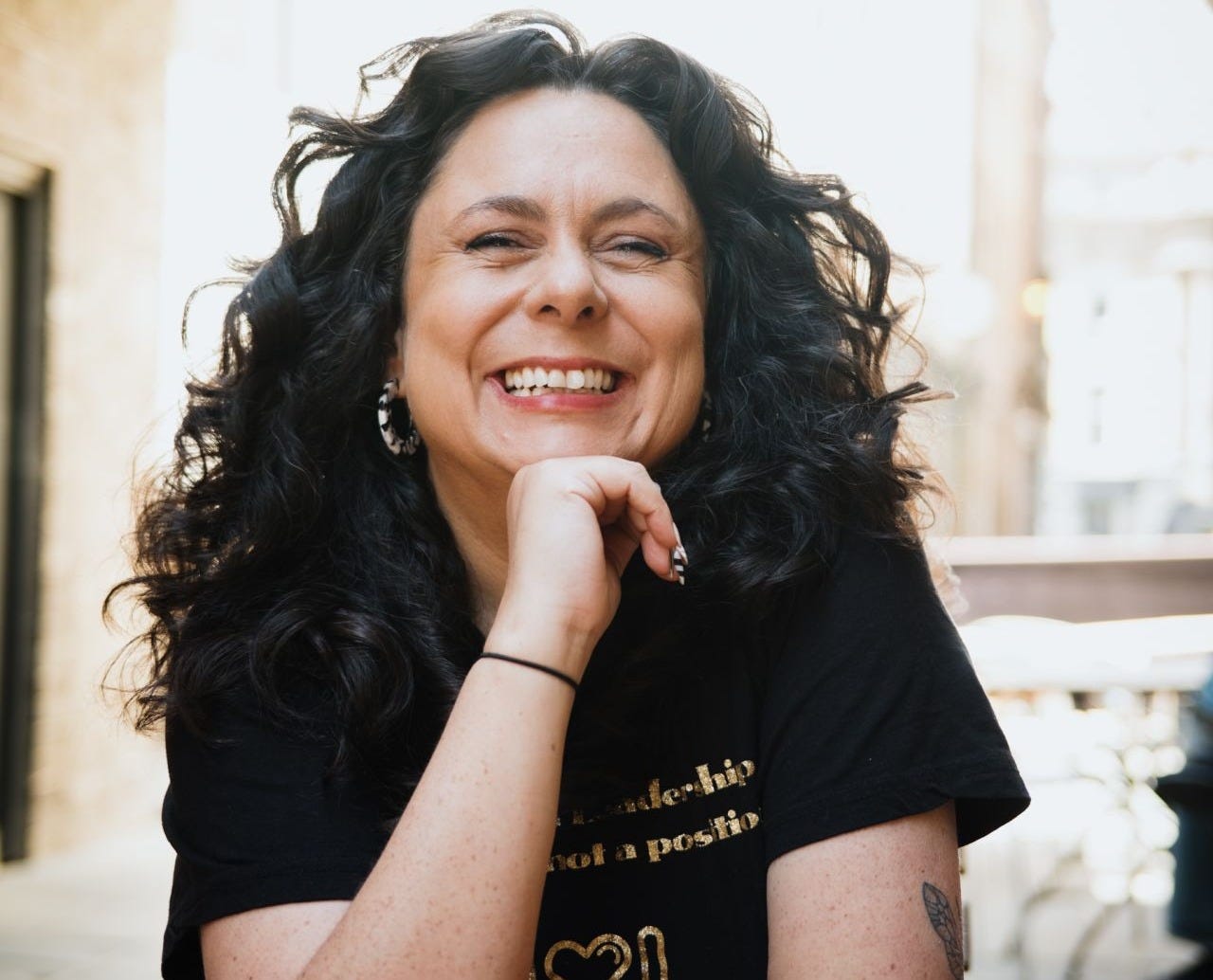
North East cultural leader Leila D’Aronville has been appointed to a new Government role aimed at putting the voices of the UK’s creative freelancers at the heart of policy-making.
Leila, who founded North East Cultural Freelancers to support the region’s independent creative and cultural workforce, has been named one of two new Freelance Champions alongside cultural policy specialist Lizzie Crump.
The pair will represent the interests of an estimated 703,000 self-employed people working across the UK’s creative industries, including through seats on the Creative Industries Council, the joint forum bringing together industry and Government.
Leila has spent years advocating for freelancers in the North East through North East Cultural Freelancers, which has more than 6,000 members and supports individual creative practitioners and small organisations across the region.
She said: “As someone who grew up in a freelancing family, and who continues to work freelance while championing the North East’s independent creative and cultural workforce, I know first-hand the pressures and possibilities that shape freelance lives. It’s why I’ve spent years advocating for better conditions, and why I’m honoured to take on this role.”
Leila and Lizzie bring a combined 40 years of experience working in and representing the creative industries and will work with Government, industry and freelancers themselves to ensure the realities of self-employed creative work are reflected in future policy.
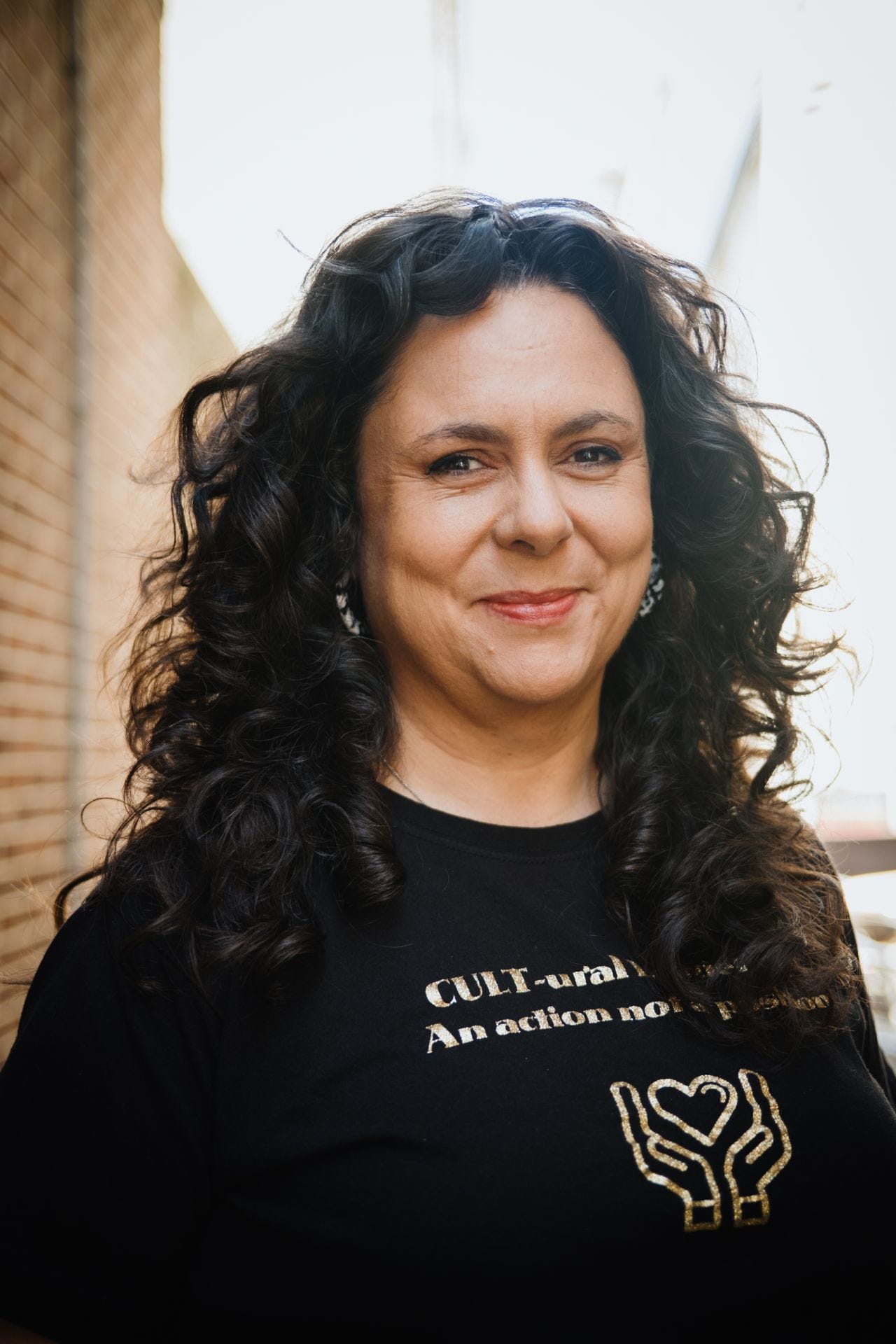
They will be supported by Professor Dave O’Brien, Professor of Cultural and Creative Industries at the University of Manchester, who is joining the Department for Digital, Culture, Media and Sport on an academic secondment to provide research support.
Leila, who will continue her work in the region as well as taking on this national role, added: “Freelancers are essential to the UK’s creative and cultural strength, yet too often misunderstood or overlooked. Lizzie and I are determined to change that.”
In 2025, 28.5% of the UK’s 2.6 million creative industries workforce was self-employed – almost double the 14.8% figure across the wider economy.
A recent Good Work Review highlighted issues including unpaid work, limited opportunities for professional development and difficult working environments, while also recognising the flexibility, autonomy and high levels of job satisfaction associated with freelance careers. Job quality for freelancers was identified as a particular concern.
Culture Secretary Lisa Nandy said the appointments were about ensuring freelancers could build “a rewarding and sustainable career, no matter where you live or what job you’re doing.”
The move has also been welcomed by Arts Council England, Bectu and the BFI. Arts Council England chief executive Darren Henley said: “Leila and Lizzie will make a vital difference to the creative professionals at the heart of our cultural sector.”