

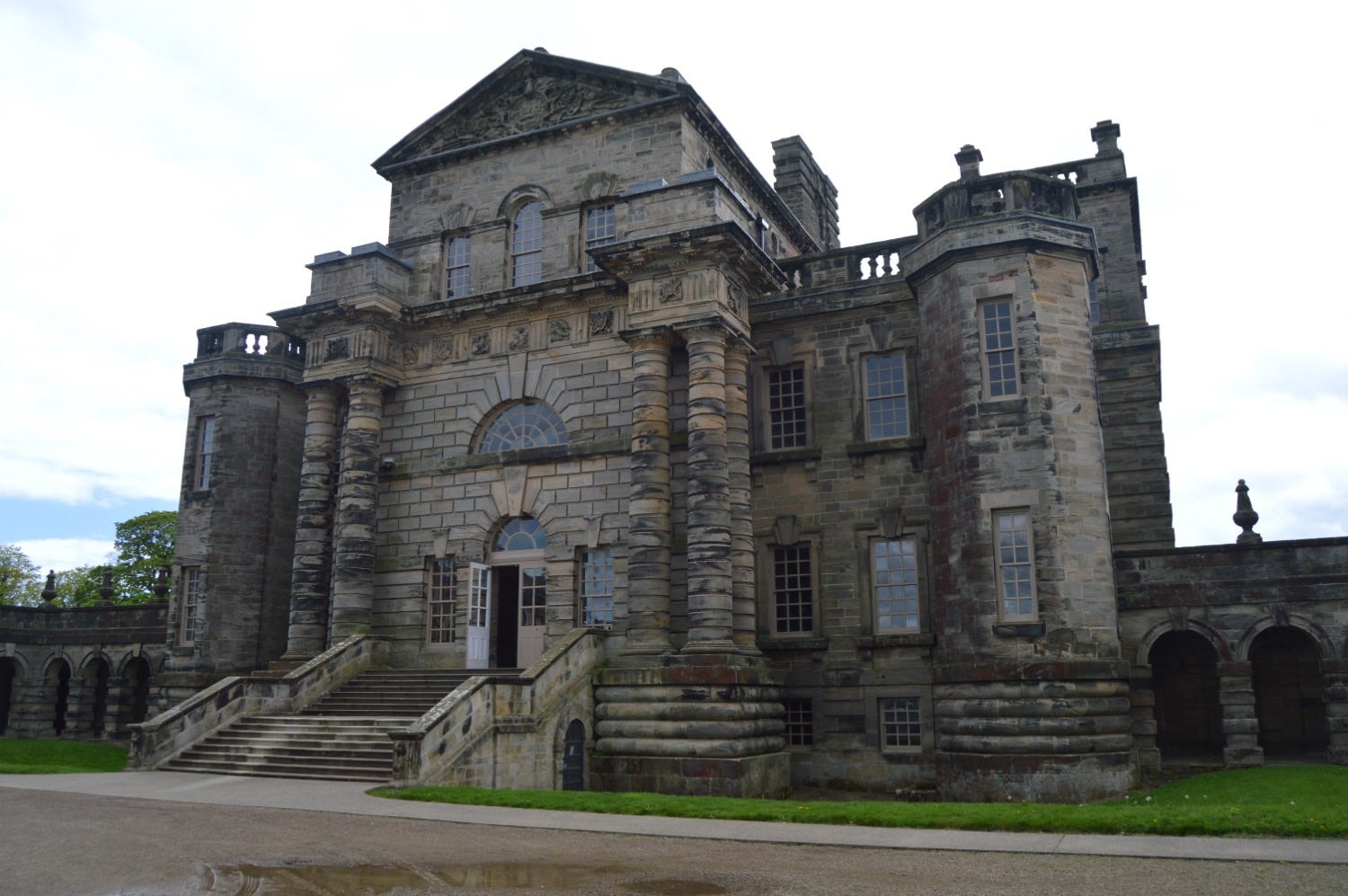
The extraordinary life of Sir John Vanbrugh spanned India, Europe and the length of England.
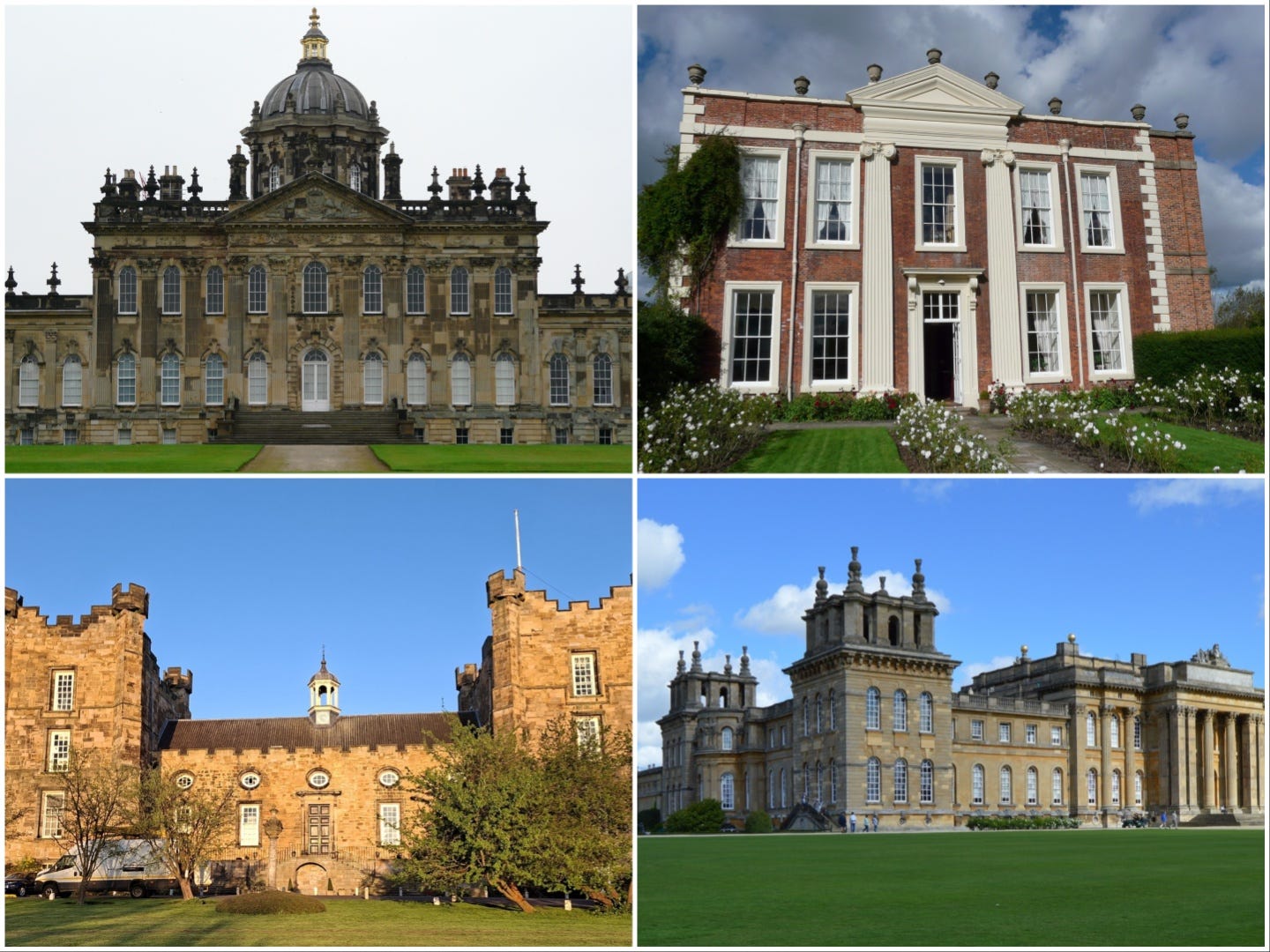
He worked for the East India Company, then served in both the army and navy, was imprisoned in the Bastille and elsewhere as a suspected spy for four years by the French, was a royal herald, a popular if provocative dramatist with plays such as The Provoked Wife, and finally one of the country’s leading architects whose work includes Blenheim Palace, Castle Howard and Seaton Delaval Hall.
He has been described as “bringing drama to both stage and stone.”
This year, events are marking the 300th anniversary of his death – and Durham University professor of classics Edmund Thomas and colleague faculty librarian Richard Pears have ensured that the North East does not miss out on the Vanbrugh celebrations.
They have organised a conference titled The Architecture and Influence of Sir John Vanbrugh in North East England, which will be held at Redhills Durham Miners Hall on July 8. Booking closes on June 26.
Seaton Delaval Hall was Vanbrugh’s last great project, but he also rebuilt and restyled Lumley Castle. Whether Vanbrugh was involved in the design of Morpeth Town Hall is a matter of debate.
The line-up of speakers at the conference includes:
Architectural historian Jeremy Musson on Reflections on the genius of Vanbrugh, architect of greatness’;
Richard Pears on The castle air;
Mark Newman on What was Vanbrugh really up to at Seaton Delaval Hall?
Elspeth Gould on Who built Seaton Delaval Hall?
Edmund Thomas on Vanbrugh in County Durham: the rebuilding and landscaping of Lumley Castle; and
Martin Roberts on Early 18th century architecture in the North East.
In the summer of 1699, as part of his architectural education, Vanbrugh made a tour of northern England.
The acclaim which greeted his work at Castle Howard led to Vanbrugh’s most famous commission, as architect for Blenheim Palace.
Seaton Delaval Hall was built between 1718 and 1728 for Admiral George Delaval.
“Vanbrugh’s life is a rip-roaring story in its own right,” said Richard Pears, past president of the Society of Antiquaries of Newcastle upon Tyne.

“In the North East we have Seaton Delaval Hall, which is one of Vanbrugh’s finest and last buildings, where he was given a free rein and he was very keen on coming to the area with its castles.”
Durham-based Martin Roberts, former historic buildings inspector for English Heritage and author of the latest Buildings of England series on County Durham, says that the influence of Vanbrugh’s Baroque architecture can be seen in landmarks like the South Shields Town Hall.
“South Shields Town Hall is in the spirit of Vanbrugh and it’s one of my favourite town halls,” said Martin.