


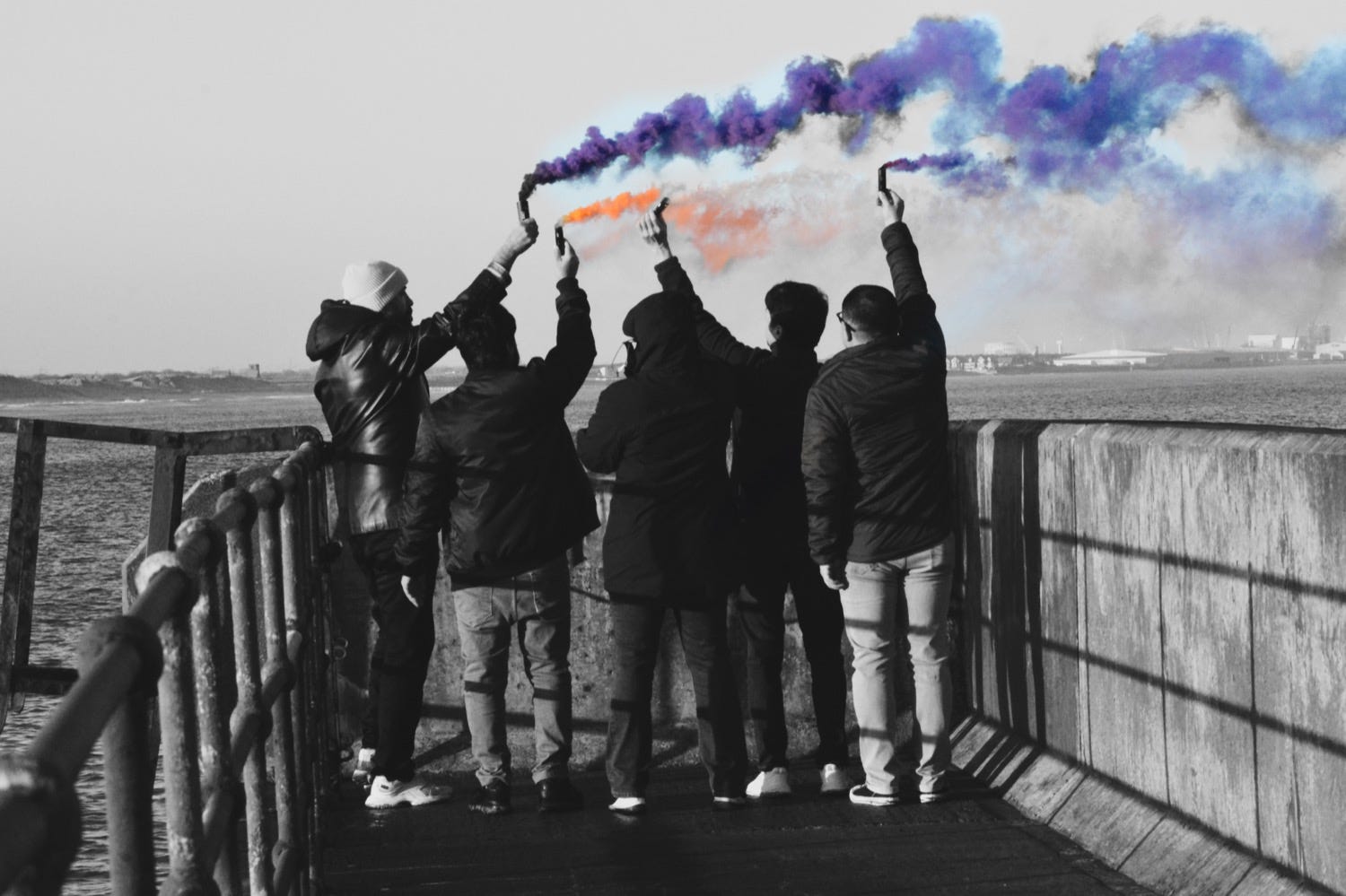
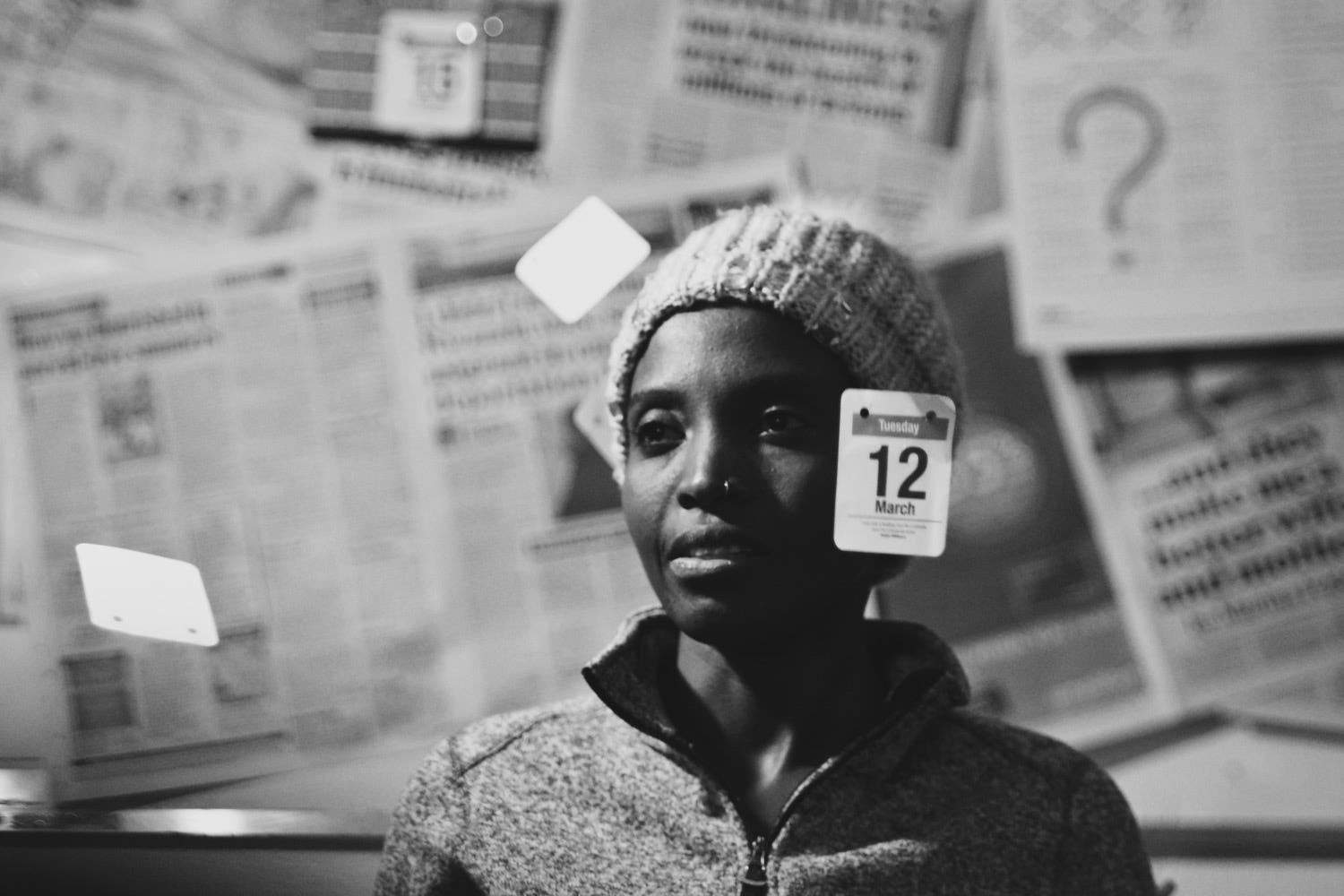
After touring venues across the North East, a powerful exhibition exploring the realities of life in the UK asylum system has taken up residence at Newcastle Cathedral until Sunday.
Asylum, a Long and Painful Process brings together photographs and personal testimonies from people seeking sanctuary in the region, offering visitors an insight into the challenges faced by those navigating the asylum process.
The images were captured by award-winning refugee artist Sadia Sikandar and feature members of the community supported by North Tyneside refugee organisation Walking With. Accompanying stories describe experiences including being housed in former military camps, living in converted hotels, being unable to work and coping with the trauma of being forced to flee home.
The display, which was part of larger exhibition, We All Came Here From Somewhere at Baltic in 2024, has been touring venues across the region and is now on display at Newcastle Cathedral until June 7.
Walking With operations manager Clare Campbell said the exhibition was helping challenge misconceptions about people seeking asylum.
“It has been amazing to see the reaction to these images as they’ve travelled round the region, and having them on display in the Cathedral will help even more people to understand what life is really like for people who come here seeking safety,” she said.
“We know that there is a lot of misunderstanding, fear and suspicion being spread about people seeking safety. But what we’ve found is that that starts to change when people are helped to understand more.”
Organisers hope the exhibition will encourage greater understanding of the experiences of people rebuilding their lives after displacement, conflict and persecution.
Asadullah was photographed by Sadia for the exhibition. He has written about his experience of coming to the UK to seek asylum.
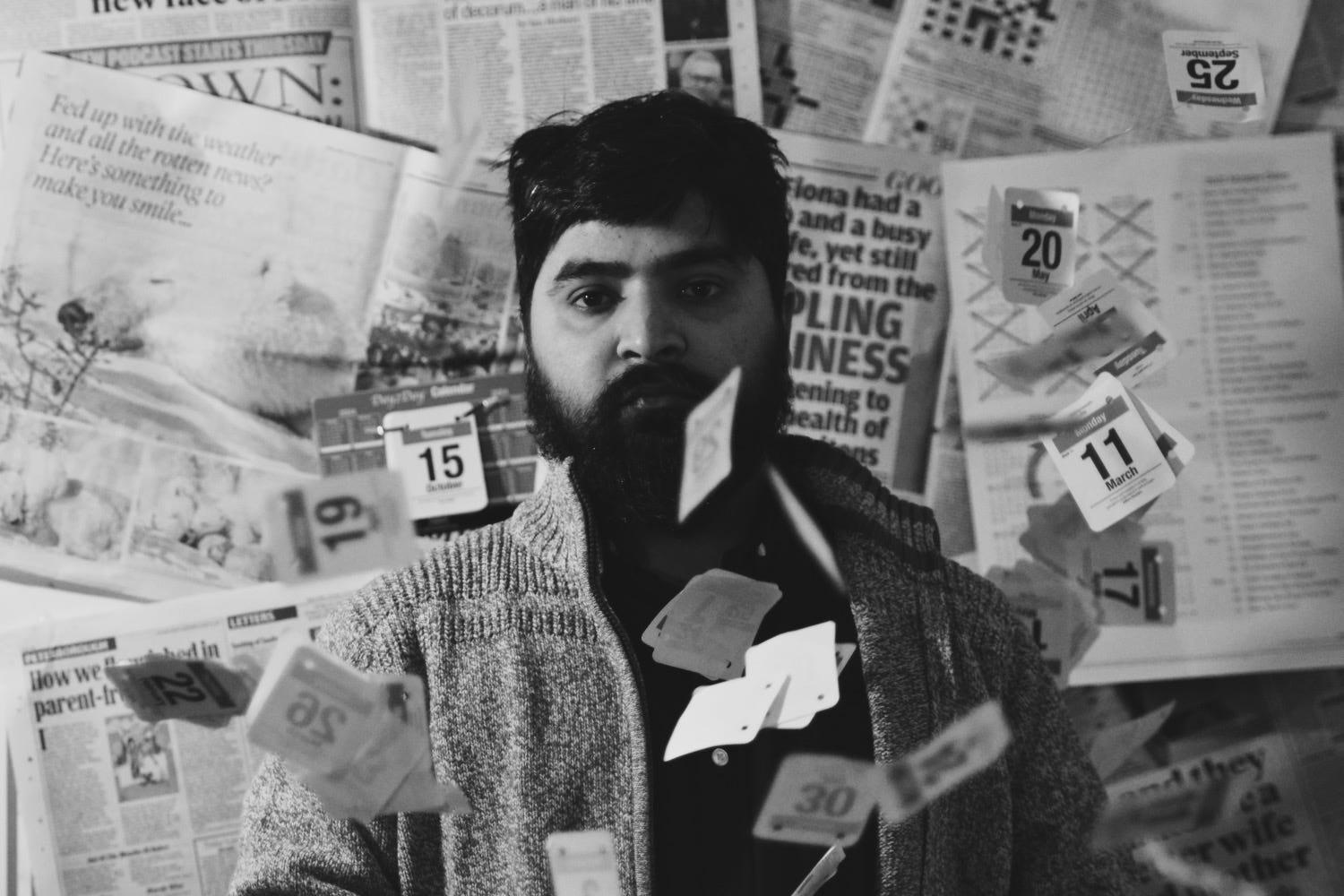
When I first arrived in the UK seeking asylum, I never imagined that one day my story would be displayed in an exhibition for the public to see. At that time, my life felt uncertain, and every day was focused on getting through the challenges my family faced. Today, seeing my photograph and story included in this exhibition is emotional because it reminds me how far we have come and how important it is for people to understand the realities behind the word "refugee."
A few days after arriving in the UK, my wife and I learned that we were expecting our first child. It should have been one of the happiest moments of our lives, but it was also a frightening time. We were living in a hotel room provided through the asylum system, with very little privacy and very limited resources. When our son was born, we were still living in that same room.
My wife had never cared for a baby before. Like many new parents, we were learning everything for the first time, but we were doing so in difficult circumstances. The food provided was basic and repetitive, and the financial support we received was extremely limited. We often had to choose carefully between essentials. The situation affected our mental health, particularly my wife, who struggled with depression during this period.
Without the support of the NHS and local charities, I do not know how we would have managed. They provided practical help, kindness and reassurance at a time when we felt isolated and uncertain about the future.
When our son was only 25 days old, we were finally moved into a house. It may sound like a small thing, but having a kitchen felt life-changing. We could prepare our own meals, create routines and begin to feel like a family rebuilding our lives. For the first time since arriving, we felt a sense of stability and hope.
Several months later, we were granted Leave to Remain. This was a moment we had dreamed about. It meant safety, security and the chance to build a future in the UK. However, the reality was more complicated. Once we received our status, we had to leave Home Office accommodation. Like many newly recognised refugees, we quickly discovered how difficult it can be to find affordable housing. Because suitable accommodation was not available, we found ourselves back in a hotel room.
By then, our son was eight months old and eager to crawl and explore the world around him. Yet once again, we were living in a small room with very little space. It was heartbreaking to watch him grow while knowing we could not provide the environment every parent wants for their child.
This is one reason why exhibitions like this matter. They remind people that refugees are not statistics or headlines. We are parents, children, workers, students and neighbours. Behind every photograph is a human story filled with challenges, hopes and dreams.
In recent years, public discussions about refugees have often focused on policies and politics. These conversations are important, but it is equally important to listen to the people directly affected. When people hear our stories, they can better understand the realities of seeking safety and starting again in a new country.
Being part of this exhibition has given me the opportunity to share my experience and to feel that my voice matters. My hope is that visitors leave with a greater understanding of the challenges refugees face, but also of the resilience, determination and hope that help us move forward.
For me, this exhibition is not only about the past. It is about creating understanding, building connections and helping shape a future where every person seeking safety is treated with dignity and compassion.