


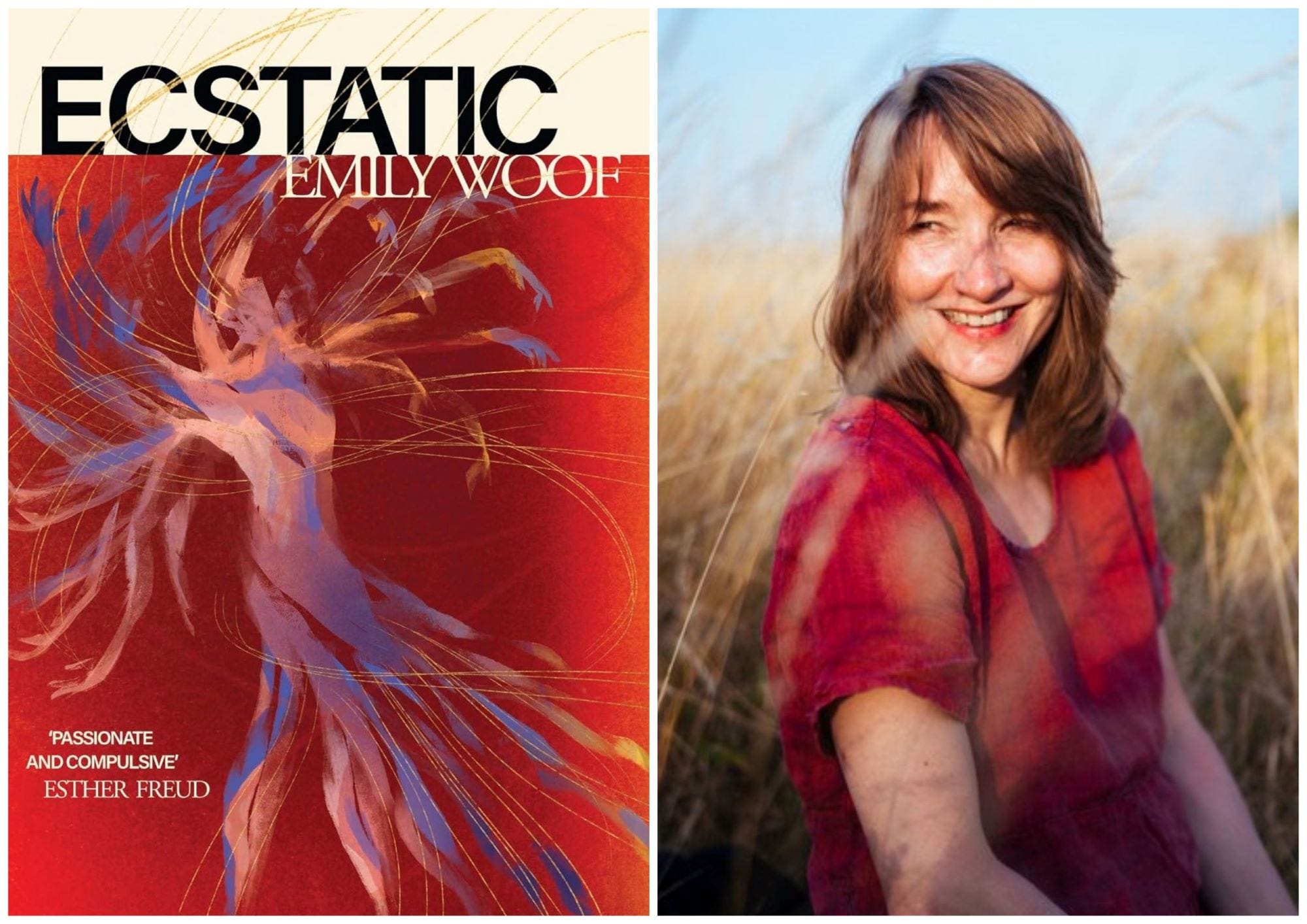
Emily Woof’s new novel – her third – is called Ecstatic. Well, of course it is. You wouldn’t expect something half-baked, like Pleased or Happy, from someone like Emily.
“I know this book is quite hard to describe and it won’t be for everyone,” says the writer, actress (her eclectic filmography includes The Full Monty, The Woodlanders and The League of Gentlemen’s Apocalypse) and one-time trapeze artist.
“But I think it’s an experience for the reader. Some reviewers have said it’ll make you think for days afterwards, so I’m pleased with that.”
It’s an experience, all right. And it does indeed set the mental cogs whirring.
Ecstatic (published by Wilton Square Books) draws you into a febrile world teetering on the brink of something ominous, and where people are struggling for all sorts of reasons.
We’re in a near-future London of climate change-induced heatwave and flood that seems almost familiar… but not quite.
With its citizens restless, agitated and prone to riot, the shadowy powers-that-be are driven to increasingly draconian containment measures. It’s as if they’re forcing a lid on a pressure cooker.
But the reader’s attention is focused not on geopolitics but on the individuals – people like mental health worker Ghyll, AI researcher Fareed, single mum and artist Mari, and Bridge, troubled and vulnerable - who find refuge and release in a church, although they’re not attending services.
There, along with others from across the city, and with the Christian religion set aside, they assemble weekly at the behest of the shamanic Lois to dance with wild abandon to the tracks she chooses for them – and later to the beat of her drum.
The novel begins with the resumption of what they call The Gathering.
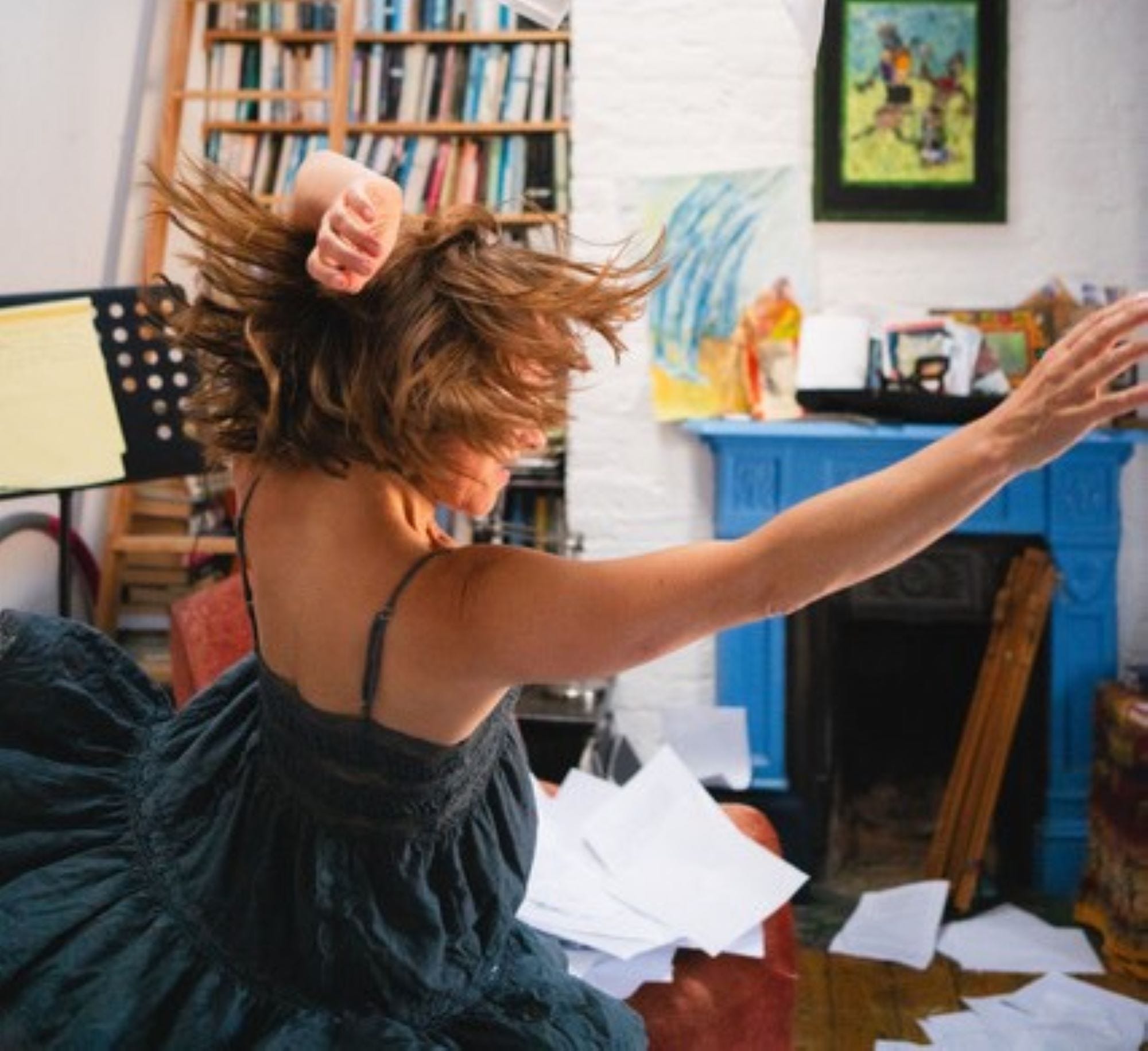
Those present move alone but in a crowd, motivated by an inner rhythm as powerful as the outward beat; and as they perspire unselfconsciously and let their hair down, their troubles (supposedly) evaporate into the muggy air.
Emily’s new novel follows The Whole Wide Beauty (2010) and The Lightning Tree (2015), both published by Faber & Faber, and in the acknowledgements she says it took her longer to write than she first imagined.
“I’ve been writing it off and on,” she elaborates on the phone.
“I had quite a few breaks from it and then came back. It was difficult to get it working.
“I think it was actually quite an ambitious project which I didn’t realise when I started it. There are so many characters and I was also trying to give a sense of the city almost being a character itself.”
She achieves this while conveying a knowledge and love of London, which she doesn’t dispute.
It has been her home for a long time, she says, but adds quickly that she still loves Newcastle where she grew up and to which she returns frequently to see her mum.
I’m wondering about this frenetic dancing, though, which she describes so compellingly. It’s not regimented or rules based, like ballet or ‘Strictly’ or even Morris with its bells and handkerchiefs.
Is it for real?
“Yes, it does exist for real,” says Emily.
“It’s a kind of underground alternative scene that came out of American counter culture in the 1960s and ’70s. It really emerged from New York as very urban and slightly punk.
“This woman called Gabrielle Roth started a thing called 5Rhythms, picking up on Native American and shamanic stuff, and it got adopted by clubbers who still wanted to dance but no longer wanted to go to nightclubs.
“It morphed into various forms but, yes, it does really exist.”
And even in Newcastle, insists Emily, there will be a scene. She speaks, of course, from experience.
“I’ve always danced as a kind of passionate hobby and this is like going to a nightclub but it’s not a nightclub.
“You just dance and it’s totally non-verbal. And because I work with words a lot, I find it a brilliant release.
“It’s a fantastic thing for everyone to do, actually. It’s a tragedy that there isn’t more dance for all people all the time because it’s something very natural to humans.
“And because there are no rules, it’s truly for everyone; and I can see why, because it’s an expression of freedom, it can seem quite threatening or radical to some people.”
Dancing, says Emily, was always her private life, something she didn’t talk about. But the novel was born of a sudden desire to join up the two sides of her existence, the writing and the dancing.
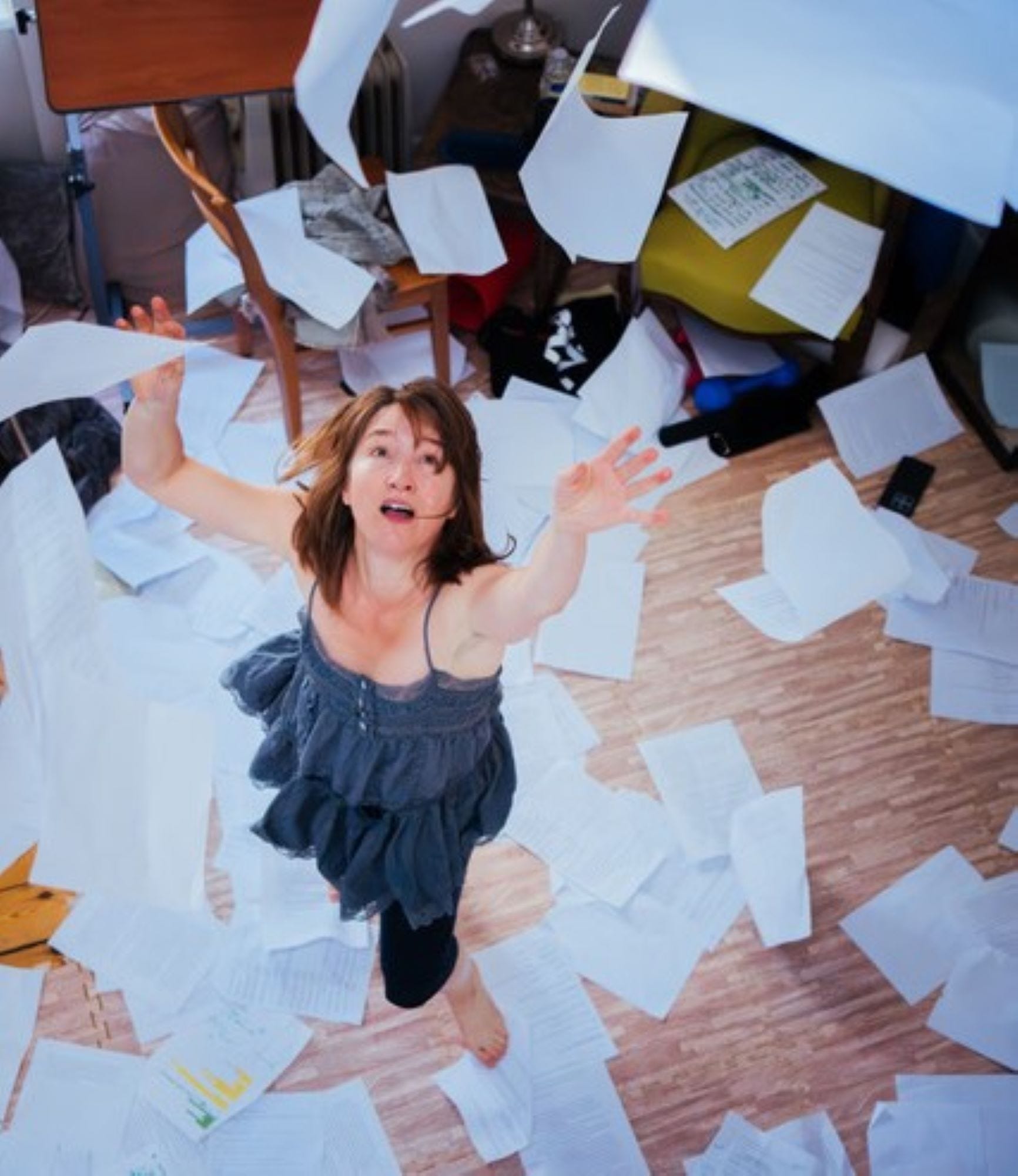
Of the latter, she says: “It’s primal. It’s kind of who we are, not just the human but the animal side.
“I think it feels quite important to have that part of us acknowledged, so as I was writing the story these primal elements started to feed into it.”
There’s a shadowy side to her tale, in the disturbed personality of Bridge, for instance, who, appointed to be Lois’s assistant, creates ever more bizarre shrines on the church altar.
Then there’s Ange, a blast from Lois’s past, remembered as “like a star in the firmament” when they swam together in New Mexico but now the cause of unsettling memories.
“… Ange feels suddenly very alive to her. Too alive…”
In the novel’s heightened narrative, which Emily agrees is “quite gothic”, this woman brings a shiver with her.
“She’s an outsider and definitely a very mysterious figure,” says Emily. “The slightly supernatural element, almost like magic realism, came into the book through her.”
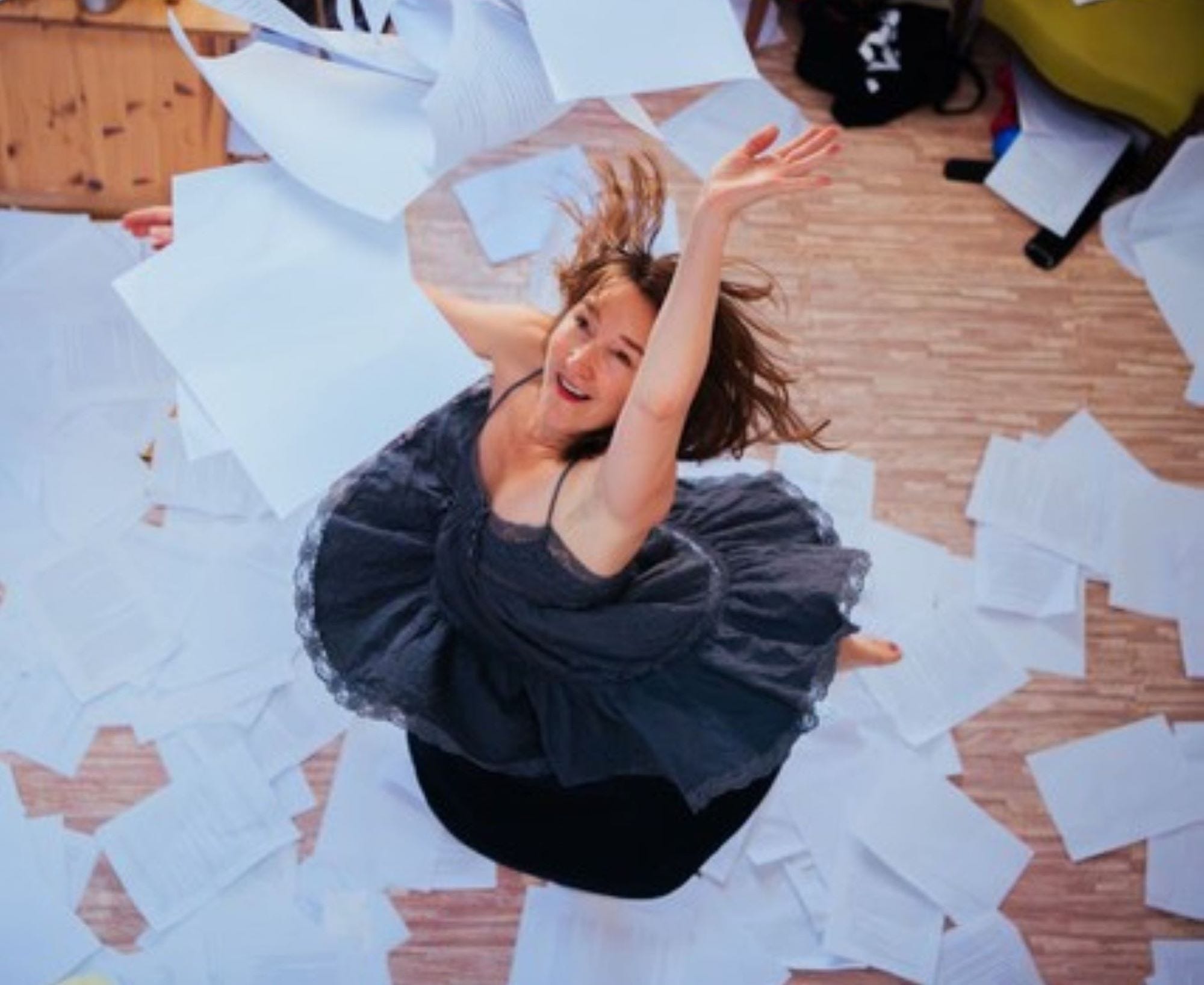
Emily, as you’ll see from the website she has recently created for herself, is not easy to pigeon-hole.
In the ‘About’ section, she sums herself up perfectly.
“I am a storyteller. I write novels. I make theatre and film. I am a performer. I struggle to make sense of the world, and I write until I can.
“I was born ambivalent. Or at least I think I was. On the bad days I have no idea what I’m doing or who I am. On the good days this feels like the point.
“I was brought up in Newcastle upon Tyne, the youngest of four in a chaotic family. I went to Heaton Comprehensive School, then St Catherine’s College, Oxford.
“I found it hard to settle and ran away to Paris to learn clowning. I became a trapeze artist, then a theatre-maker, a movie actress, and a novelist. It is a life without a safety net.
“I was a shy child and didn’t talk much. I used to make peg dolls with glue and scraps of cloth. I think even then I was trying to tell a story and find my place in it.”
Maybe she has found several places.
Her third novel is out in the world now and she is working on a solo theatre piece, Revolver, which is due to open at London’s Soho Theatre on November 24 (until December 5).

The first manifestation of the show was at last year’s Edinburgh Festival Fringe where it was enthusiastically reviewed.
Inspired by the Beatles album of the same name, it weaves together the stories of three women in what the theatre describes as “a shattering story of love, obsession and violence”.
Directed by Emily’s husband, Hamish McColl, it is to be presented with the Shared Experience theatre company during its 50th anniversary year.
Emily stresses that the show has been “completely revisited”.
“But it is about the 1960s and obsession, and about feminism and what’s happened to all that idealism and passion from the 1960s? Where has it left us?”
She would love to bring the show to Newcastle, she says. It wouldn’t be the first time she has performed here.
But she will definitely be back in the city on March 18 next year when she will be discussing Ecstatic in a ticketed event at the Lit & Phil (it’s a Thursday, 6pm).