


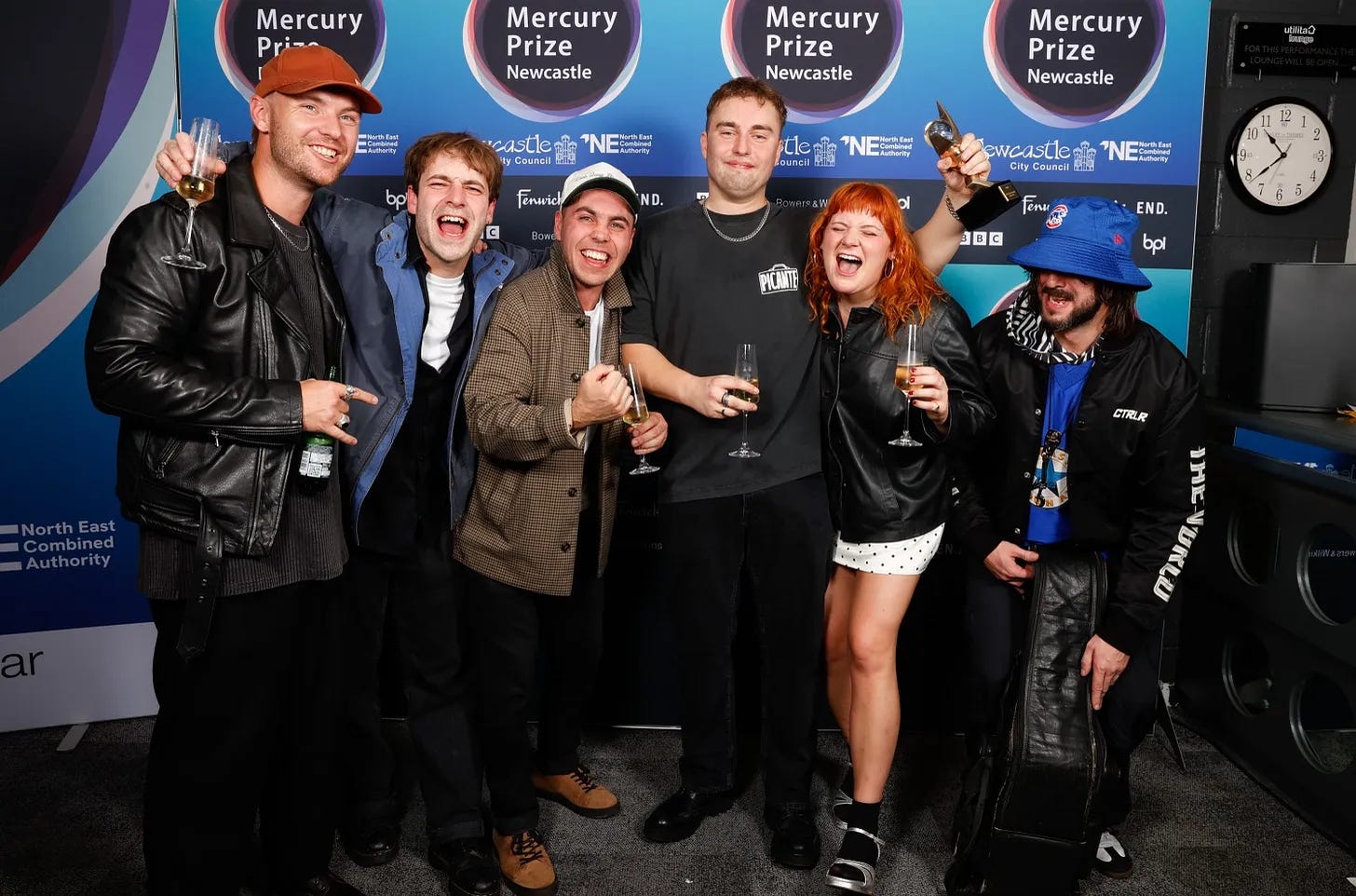
The Mercury Prize is heading back to Tyneside.
After a landmark debut outside London in 2025, the prestigious awards show will return to Utilita Arena Newcastle on October 22, 2026, with Newcastle City Council and Generator once again partnering with the BPI to bring the event to the North East.
Last year’s ceremony felt like a statement of intent. A sold-out arena, a week-long fringe programme spilling out across the city, and a defining hometown win for Sam Fender combined to create a moment many described as historic. Now, organisers are betting that lightning can strike twice.
The Mercury Prize’s annual ‘12 Albums of the Year’ shortlist - selected by an independent panel of music industry figures - has long been regarded as a snapshot of the most vital British and Irish music of the moment.
From breakthrough artists to established names reinventing themselves, the Prize has consistently championed the album as an artform. Recent winners have included English Teacher, Ezra Collective, Little Simz, Dave, Wolf Alice and Young Fathers - artists for whom a Mercury win or nomination has often proved catalytic.
Just as it did last year, the 2026 awards show will feature live performances from many of the shortlisted artists and the evening will culminate in the announcement of the overall winner. Coverage will once again come from BBC Music.
In 2025, the decision to move the ceremony north brought tangible impact. Almost 8,000 visitors travelled to events across the region as part of the Mercury Fringe, generating £874,724 in visitor spend and contributing an estimated £552,868 GVA to the regional economy - the equivalent of supporting 13 jobs.

Thirty-five local people gained work experience, 68 children took part in the Mini Mercurys initiative, and the Prize reached a reported global audience of 1.6 billion through broadcast and media coverage.
For the organisers, the return signals something bigger than a one-off success.
Dr Jo Twist OBE, BPI CEO, and YolanDa Brown OBE DL, artist and BPI Chair, jointly said: “Last year’s Mercury Prize and its brilliant performances and Fringe gave the region a £1.4m economic and cultural boost and the whole of Newcastle came together to give the event a warm, big Geordie hug.
“We are delighted to see the Prize return to the Toon and to the North-East for what we know will be another memorable occasion for artists and fans. We thank Newcastle City Council and all our valued partners for their continued collaboration and commitment, and we can’t wait for what is already shaping up to be another fantastic year of British and Irish music.”
Cllr Karen Kilgour, Leader of Newcastle City Council, framed the announcement as part of a wider cultural trajectory for the city.
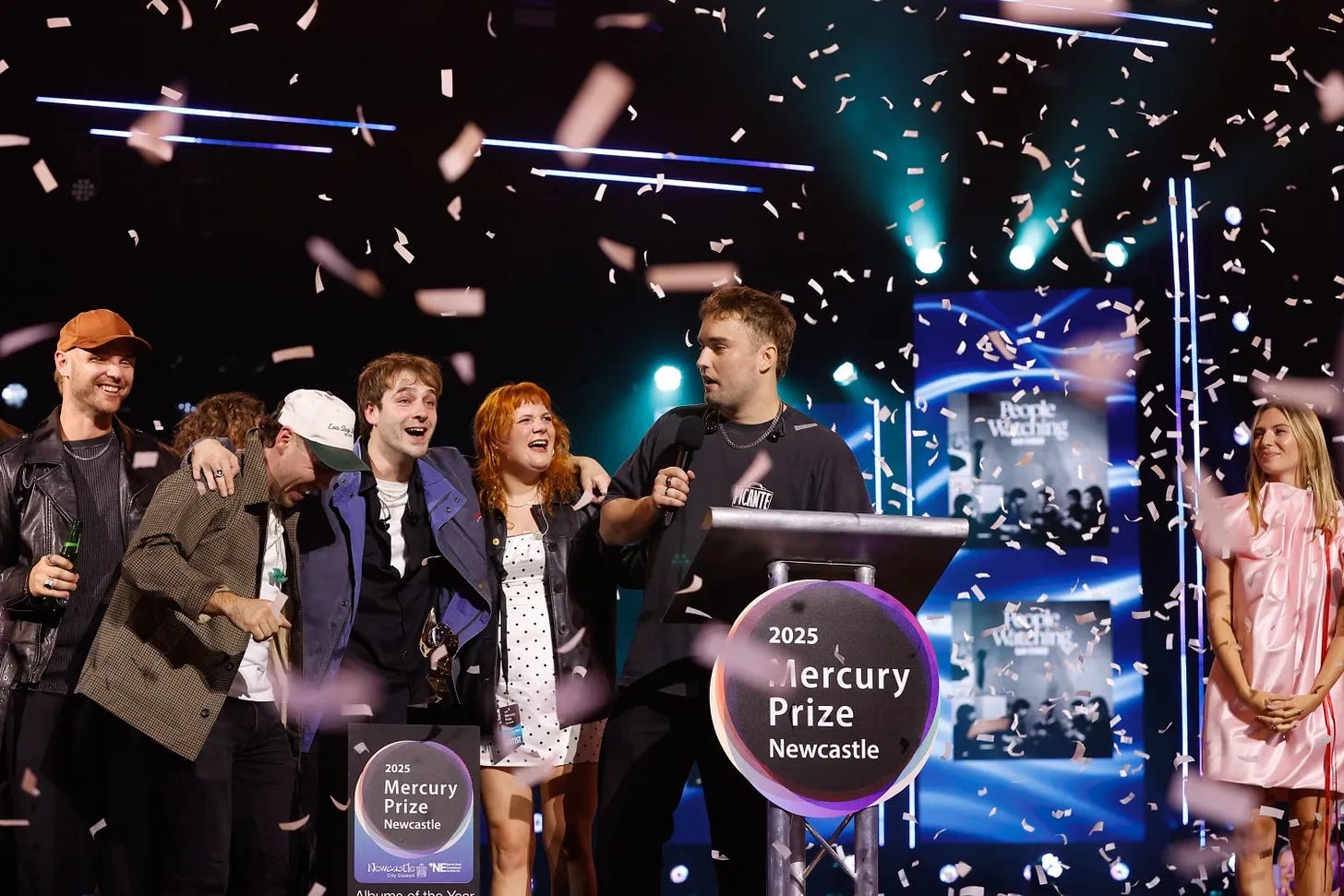
“The return of the Mercury Prize to Newcastle for a second consecutive year is a tremendous vote of confidence in our city and our thriving music scene,” she said, adding that the event underlines “the growing national recognition of our cultural ambitions” and reinforces Newcastle’s reputation “as a driving force for emerging talent, industry investment and world-class events.”
At a sector level, Mick Ross, CEO at Generator, was even more direct: “The return of the Mercury Prize to Newcastle confirms that last year wasn’t a one-off - it was a shift in the centre of gravity of British music.
“When Mercury left London, it proved the North has the talent, infrastructure and ambition to lead at the highest level… Through Generator’s Mercury Fringe programme, we turned a global awards show into a region-wide platform - creating real opportunities and lasting impact.
“This year, we’re going further - expanding access, opening more pathways and ensuring Northern artists don’t just take part, but set the agenda.”
If 2025 was proof of concept, 2026 now becomes a test of legacy - and another chance for Newcastle to show that the future of British music does not revolve around a single postcode.