

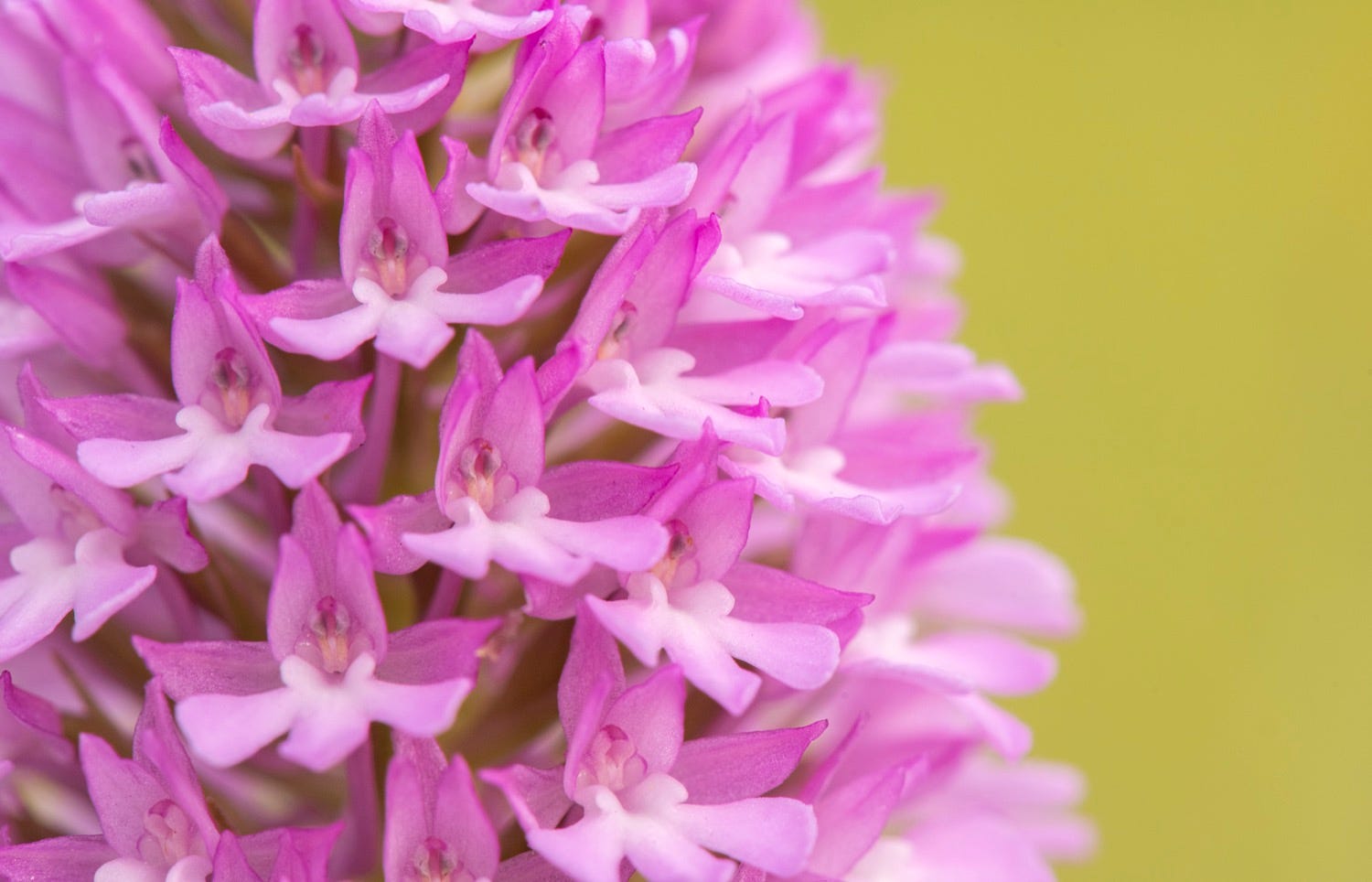
One of the North East’s most delicate plant conservation operations has seen 200 wild orchids lifted by hand and given a new home.
The native Northern Marsh and Pyramidal Orchids were rescued and replanted at RSPB Saltholme nature reserve at the mouth of the Tees and Seaton Common National Nature Reserve near Seaton Carew, in County Durham.
The 75-hectare Seaton Common site and dunes is important for its wetlands, bird populations and wild flowers.
The operation was a joint venture between the Environment Agency, RSPB Saltholme, Hartlepool Borough Council, British Orchids, The Tees Rivers Trust, Cleveland Naturalist’s Field Club, Natural England and 20 volunteers to safeguard the orchids before future habitat changes.
The flowers were moved from Greenabella Marsh on the Tees because an area of the site will become intertidal habitat as part of the Environment Agency’s Greatham North East Flood Alleviation Scheme. Although there is no legal requirement to relocate the flowers, partners have joined together to protect these rare native plants.
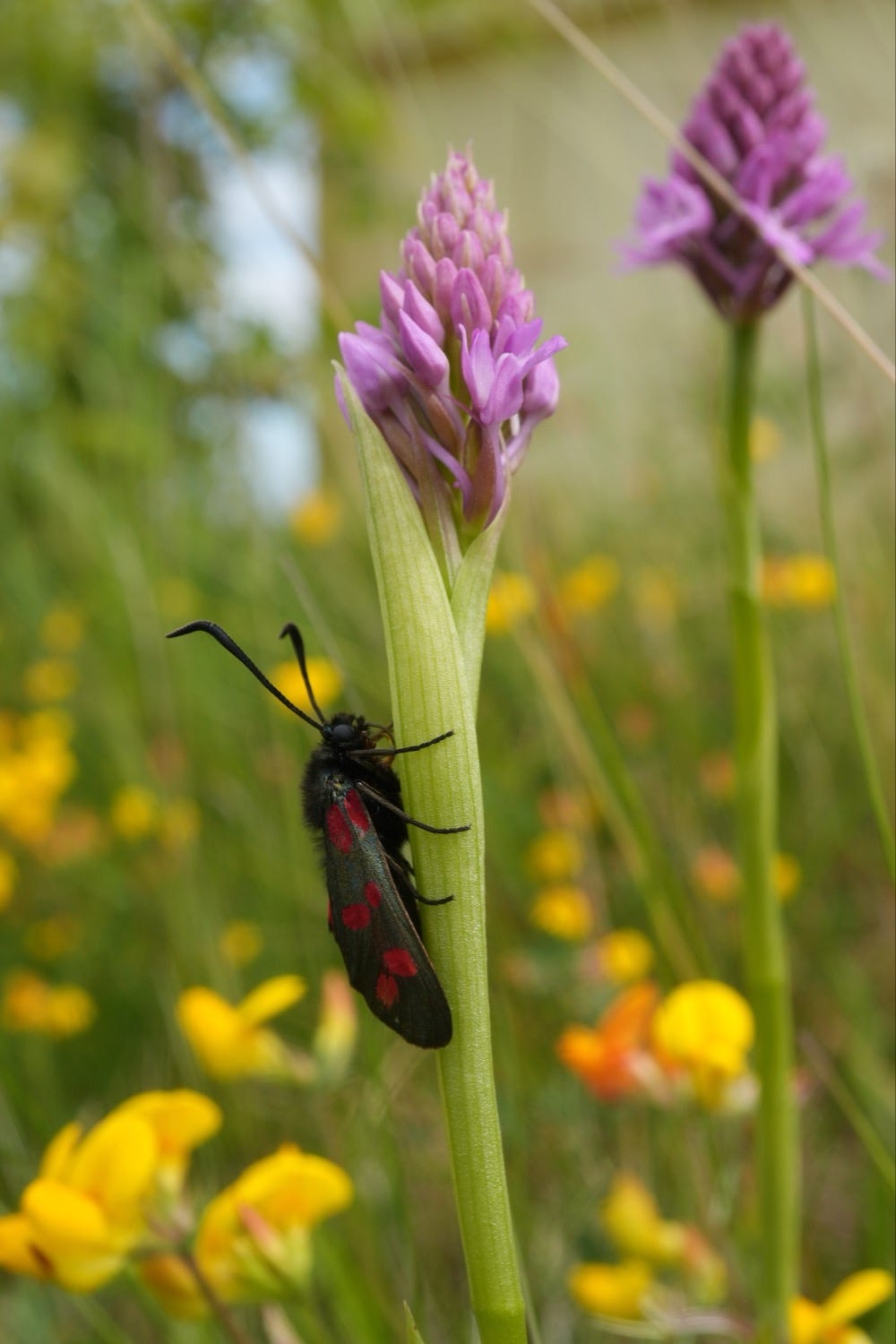
The receptor sites at RSPB Saltholme and Seaton Common were chosen because they already support suitable habitat and existing orchid populations.
As the orchids are currently dormant beneath the ground, there will be no immediate signs of success. Conservationists will return next summer in the hope of seeing fresh leaves and flowers emerge.
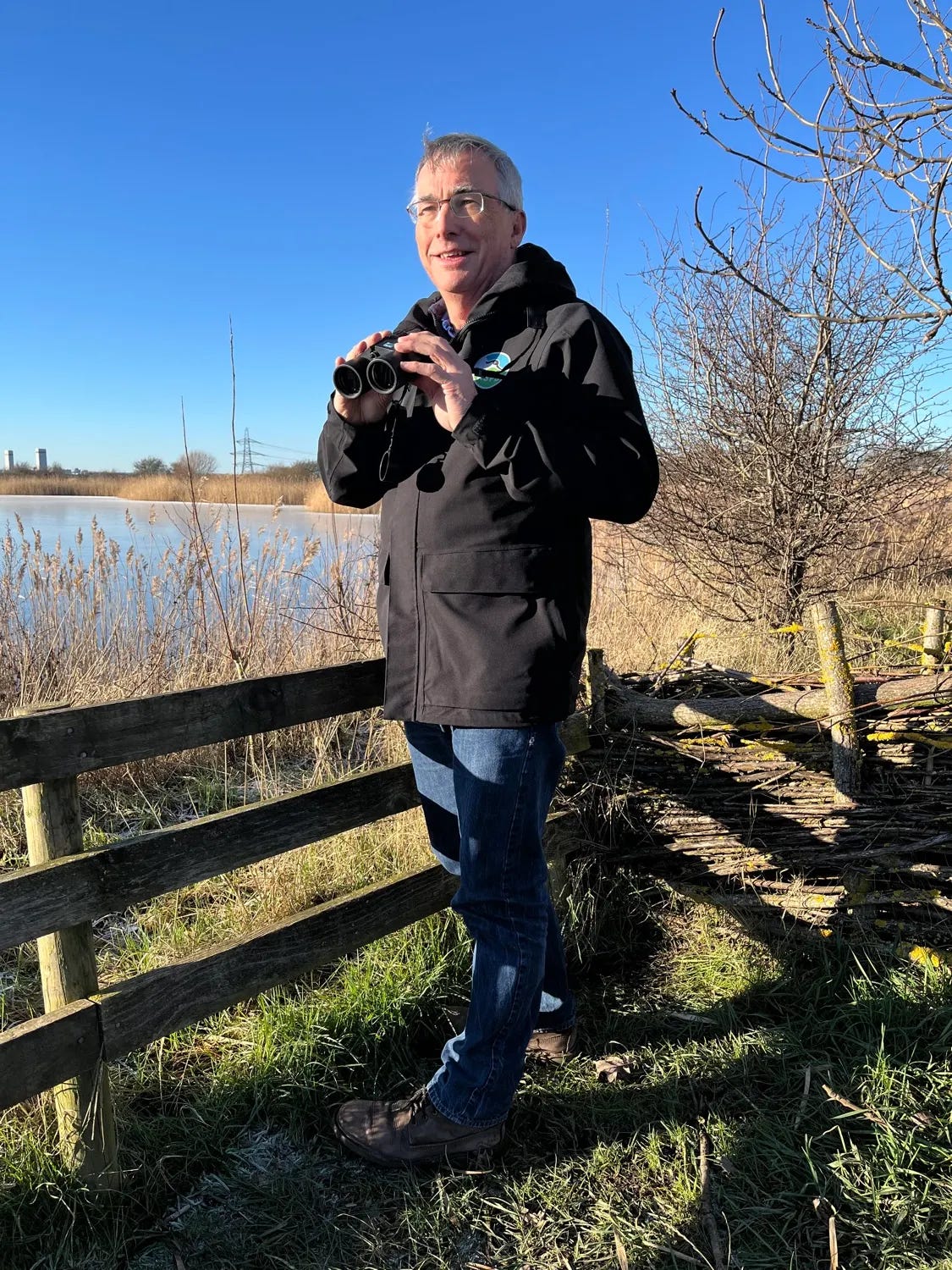
Chris Francis, senior manager at RSPB Saltholme, whose career has seen him manage WWT Washington wetland reserve and the Scotswood Community Garden in Newcastle, said: “Wild orchids are among Britain’s most beautiful native plants and we’re proud that Saltholme has been chosen to give many of them a new home. Every single orchid has been carefully moved by hand in what is a remarkably delicate conservation operation.
“There are never any guarantees when moving wild plants, but we’ve selected habitat where they have the very best chance of thriving. If visitors are able to enjoy these orchids flowering here for many years to come, it will be a wonderful conservation success and a fantastic example of organisations coming together to do the right thing for nature.”
Suzanne Noble, orchid specialist with British Orchids, said: “Britain is home to some truly extraordinary wild orchids. They may not be as exotic as the orchids people associate with tropical rainforests, but our native species are every bit as fascinating, beautiful and special.”
“Wild orchids have evolved over thousands of years alongside fungi, insects and the habitats they depend upon, making them important indicators of healthy ecosystems. Moving them is always a carefully considered process, but by following a careful process we hope these plants will establish successfully in their new homes and continue to delight people while supporting biodiversity long into the future.”
The Environment Agency’s Greatham North East Flood Alleviation Scheme will provide flood defences for nearby communities while also creating around 15 hectares of valuable new intertidal habitat, helping wildlife adapt to future environmental change.