

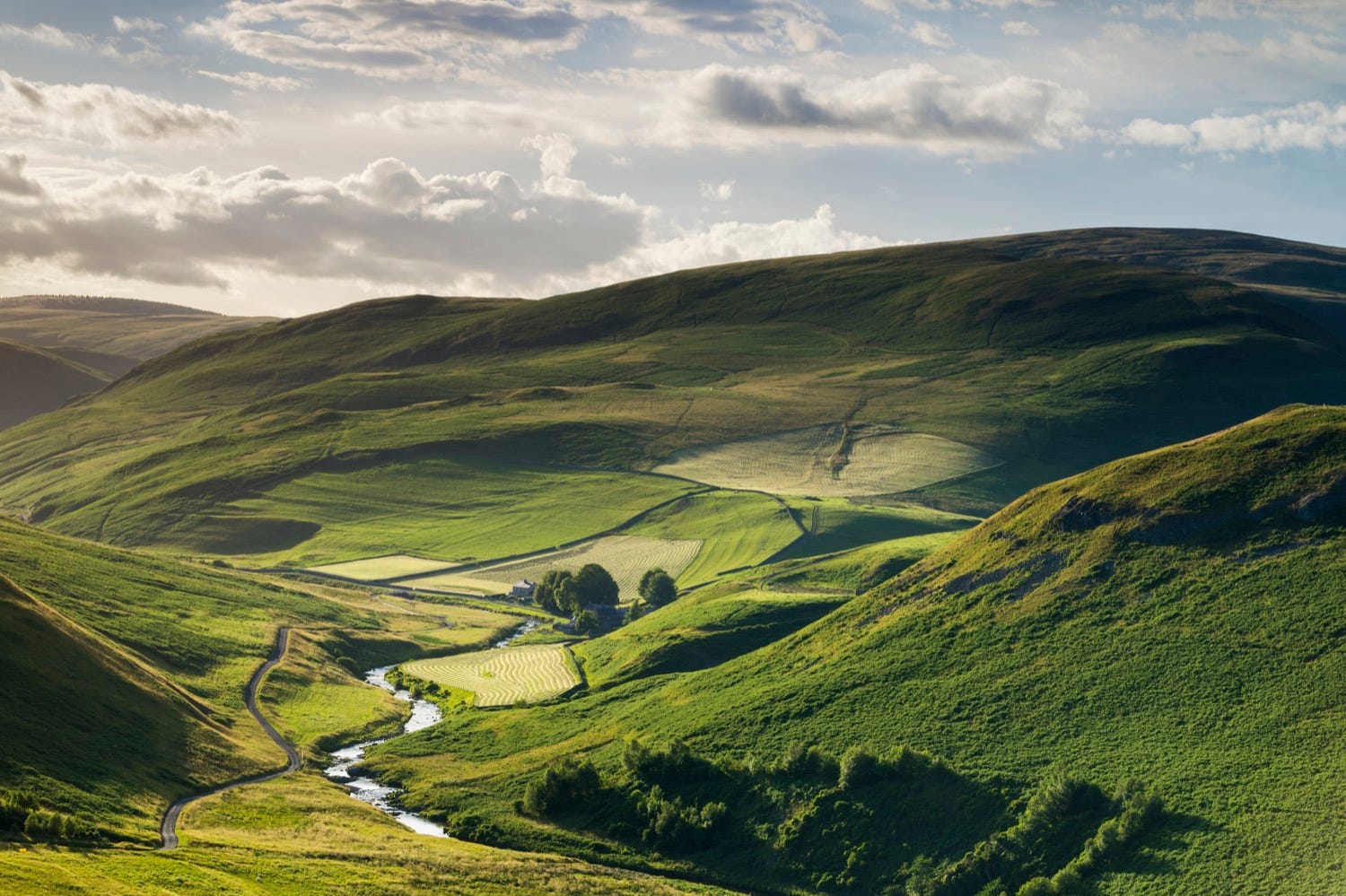
One of the North East’s greatest natural and heritage assets contributed £146 million in a year to the regional economy, according to the latest figures.
The new data shows strong growth in the value of tourism generated by Northumberland National Park and also highlights its importance for culture, heritage, nature and wellbeing.
Visitor numbers reached 1.79 million in 2025 - up 6.7% on the previous year and exceeding 2019 (pre-pandemic) levels for the first time - while generating £146 million.
Tourism in the national park is now estimated to support 1,369 full-time equivalent jobs.
Northumberland National Park Authority works closely with farmers, landowners, communities, tourism businesses and other partners whose work helps shape and maintain the landscapes that people come to enjoy.
Through this collaboration, the Authority supports sustainable tourism as part of a wider rural economy, helping explore opportunities for diversification, additional income streams and resilient farm and land-based businesses, while protecting the special qualities of the national park.
As England’s first International Dark Sky Park, designated in 2013 alongside much of Kielder Water & Forest Park, Northumberland has also developed a distinctive year-round visitor offer.
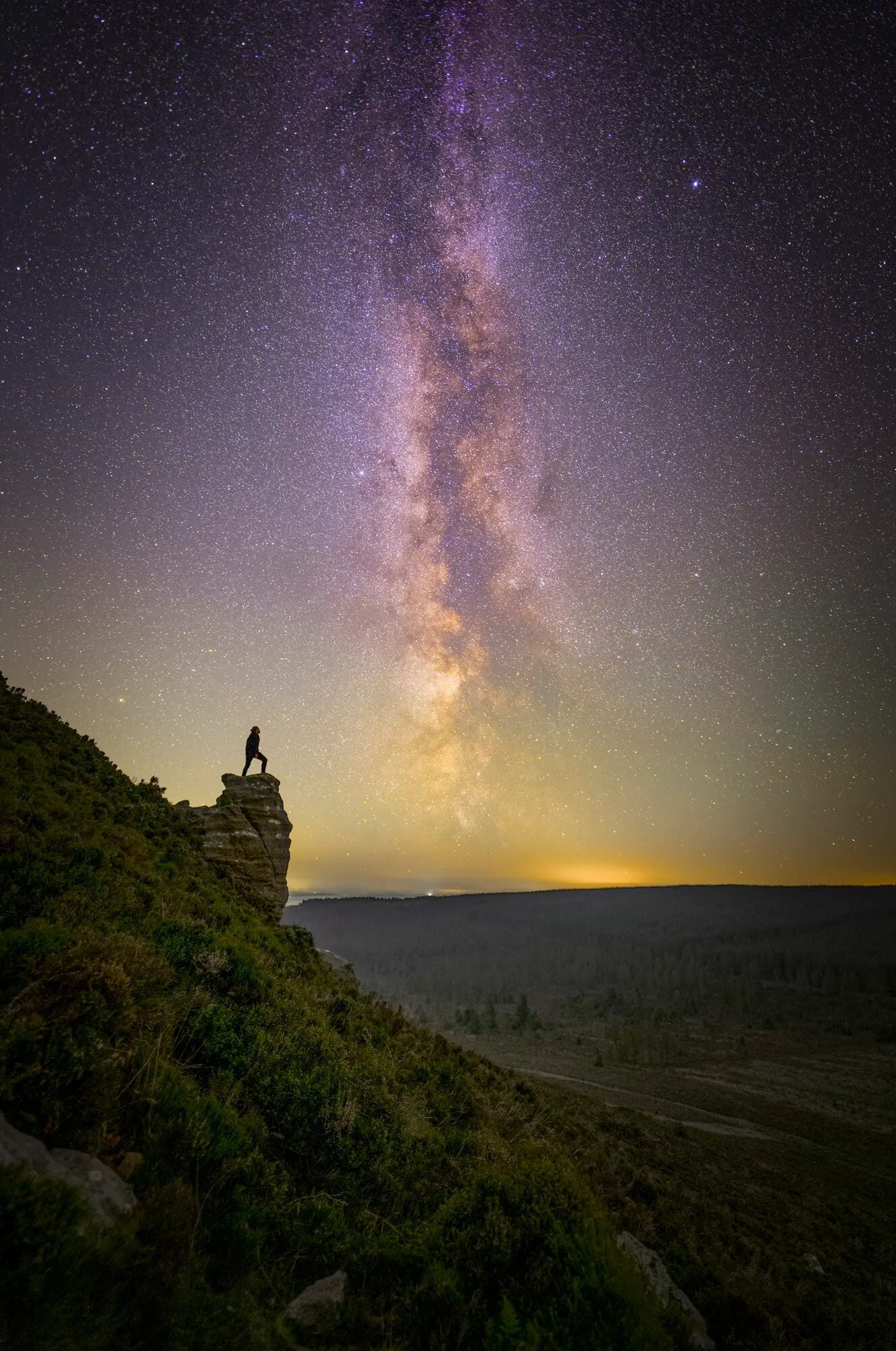
Dark skies experiences, stargazing events and nocturnal nature activity are helping to extend the traditional visitor season, supporting local businesses during quieter months and encouraging visitors to experience the park in different ways.
The park authority has also invested in improved visitor access at key sites through the Welcoming Park for All project, funded by the UK Government through the UK Shared Prosperity Fund and the North East Mayoral Strategic Authority Investment Fund, with the North East Mayoral Strategic Authority as the lead authority.
At Hareshaw Linn, new EV chargers and additional parking spaces are helping reduce parking pressures in Bellingham, while at Walltown Country Park, EV charging, car park surface improvements, a wheel-friendly path network, balance bike library and tramper hire are making the site more accessible and welcoming for a wider range of visitors.
Improvements at Alwinton are also helping support access into Upper Coquetdale, one of the park’s most distinctive and tranquil landscapes.
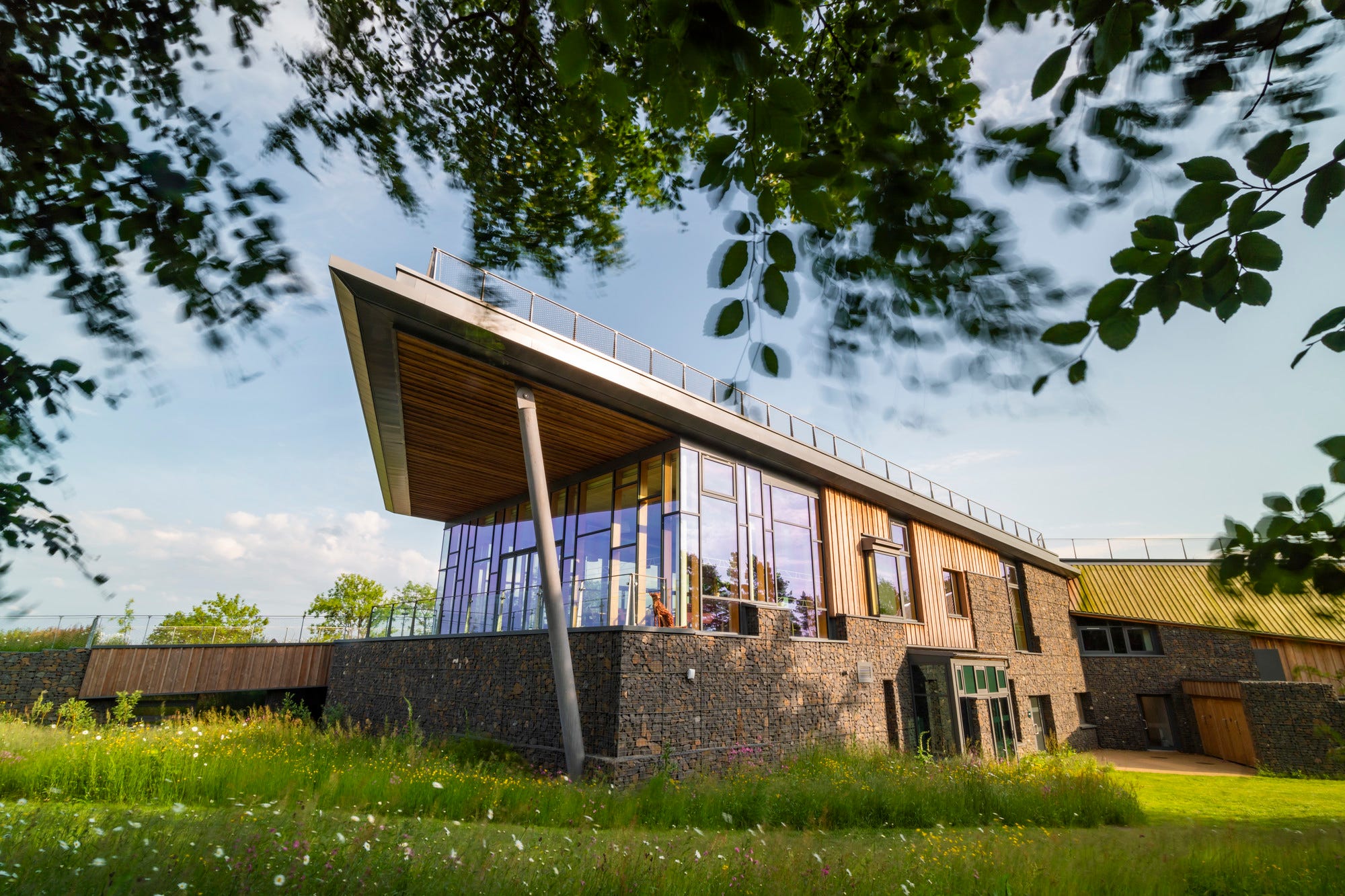
The Sill: National Landscape Discovery Centre also played a key role during 2025, providing an accessible way to experience the park and Hadrian’s Wall World Heritage Site.
Highlights included the opening of Sycamore Gap: Coming Home, a permanent, free-to-access installation giving the largest remaining section of the Sycamore Gap tree a home close to where it once stood.
David Renwick, park chief executive officer, said: “These figures show the important role Northumberland National Park has in the North East economy, supporting local jobs, rural businesses and communities while helping people experience nature, heritage and some of the country’s most inspiring landscapes.
“Working with farmers, land managers, tourism businesses and other partners, Northumberland National Park Authority aims to ensure tourism benefits the people who live and work here as well as those who visit.
“From dark skies experiences and outdoor recreation to attractions such as The Sill, the Authority offers opportunities throughout the year while helping support a resilient rural economy.
“This success depends on continued investment, funding and strong partnerships. Growth is encouraging, but our focus is on creating lasting benefits for people, communities and nature while protecting the special qualities that make Northumberland National Park a place people care deeply about.”
Day visits account for more than 95% of all trips, while staying visitor numbers increased to 61,000 in 2025 - the highest level since 2022.
Northumberland National Park Authority works with communities, businesses, land managers and partners to support sustainable tourism that benefits the local economy while protecting the natural beauty, cultural heritage and special qualities of the National Park for future generations.