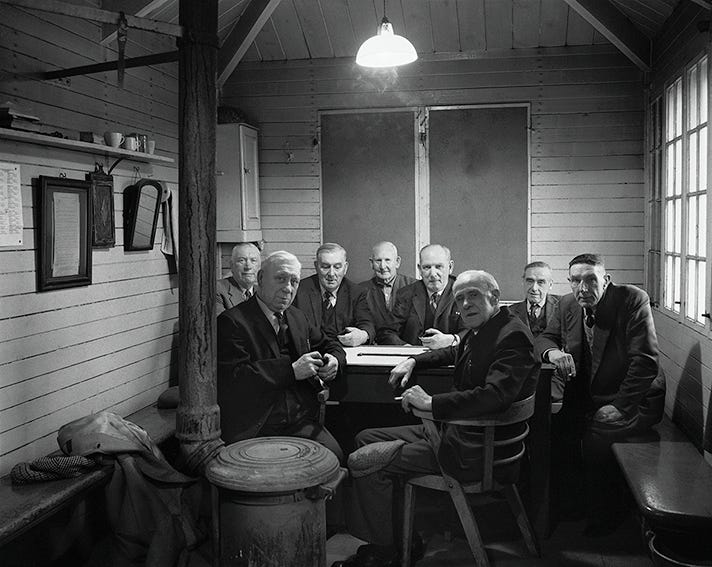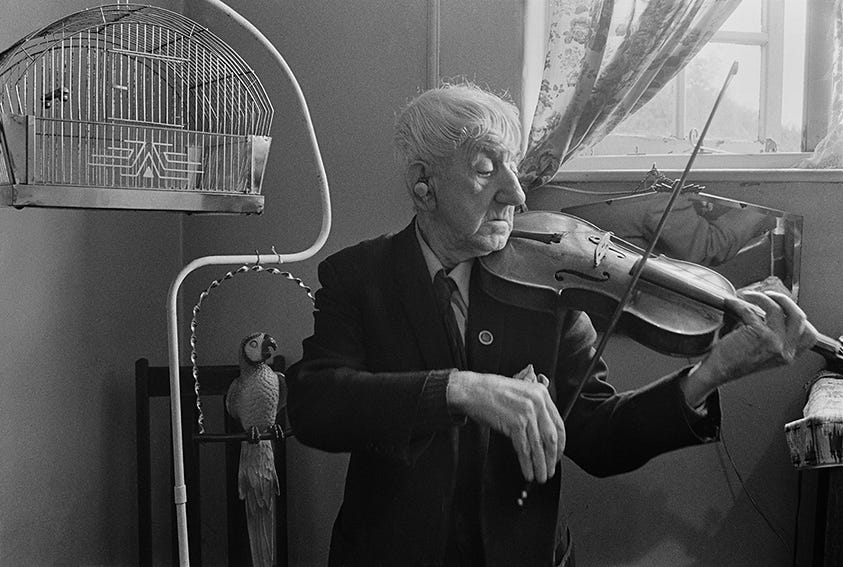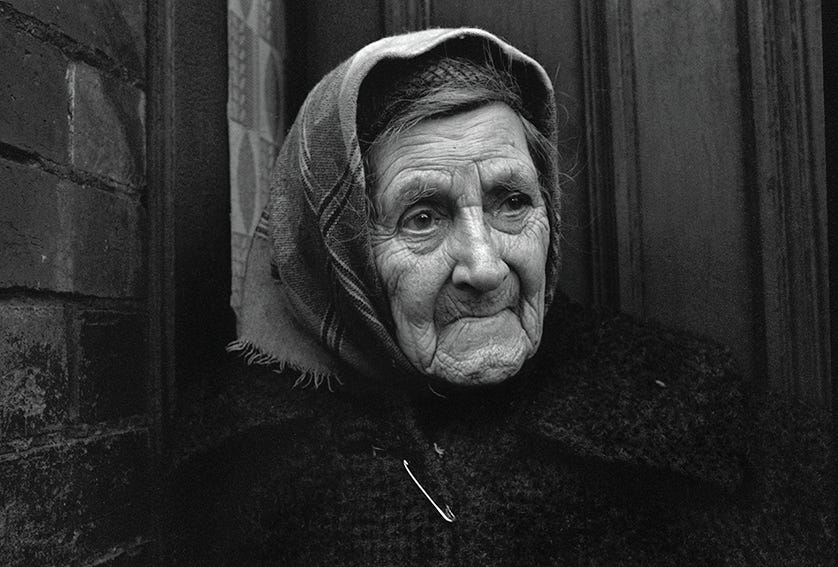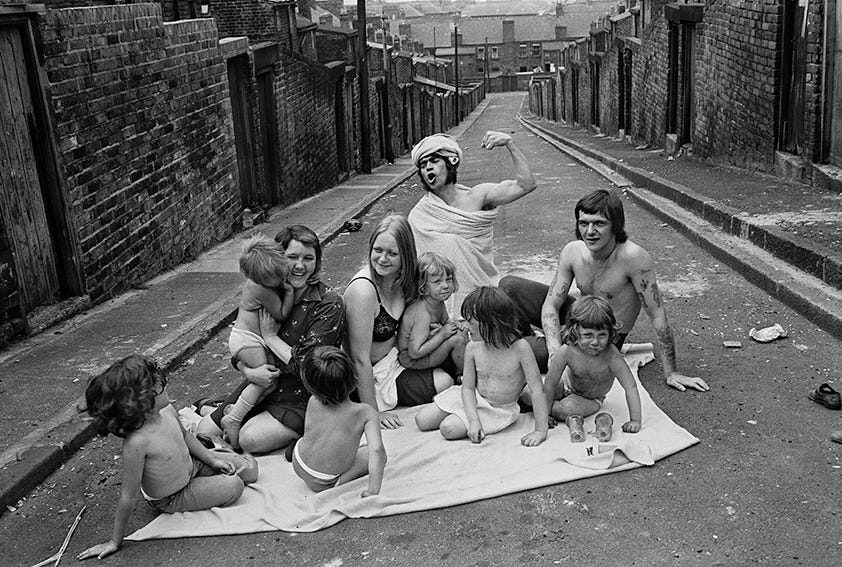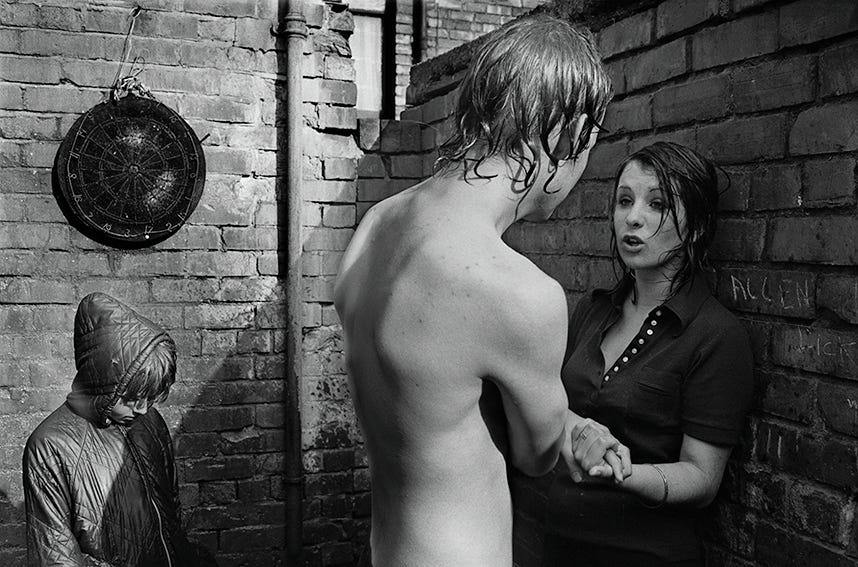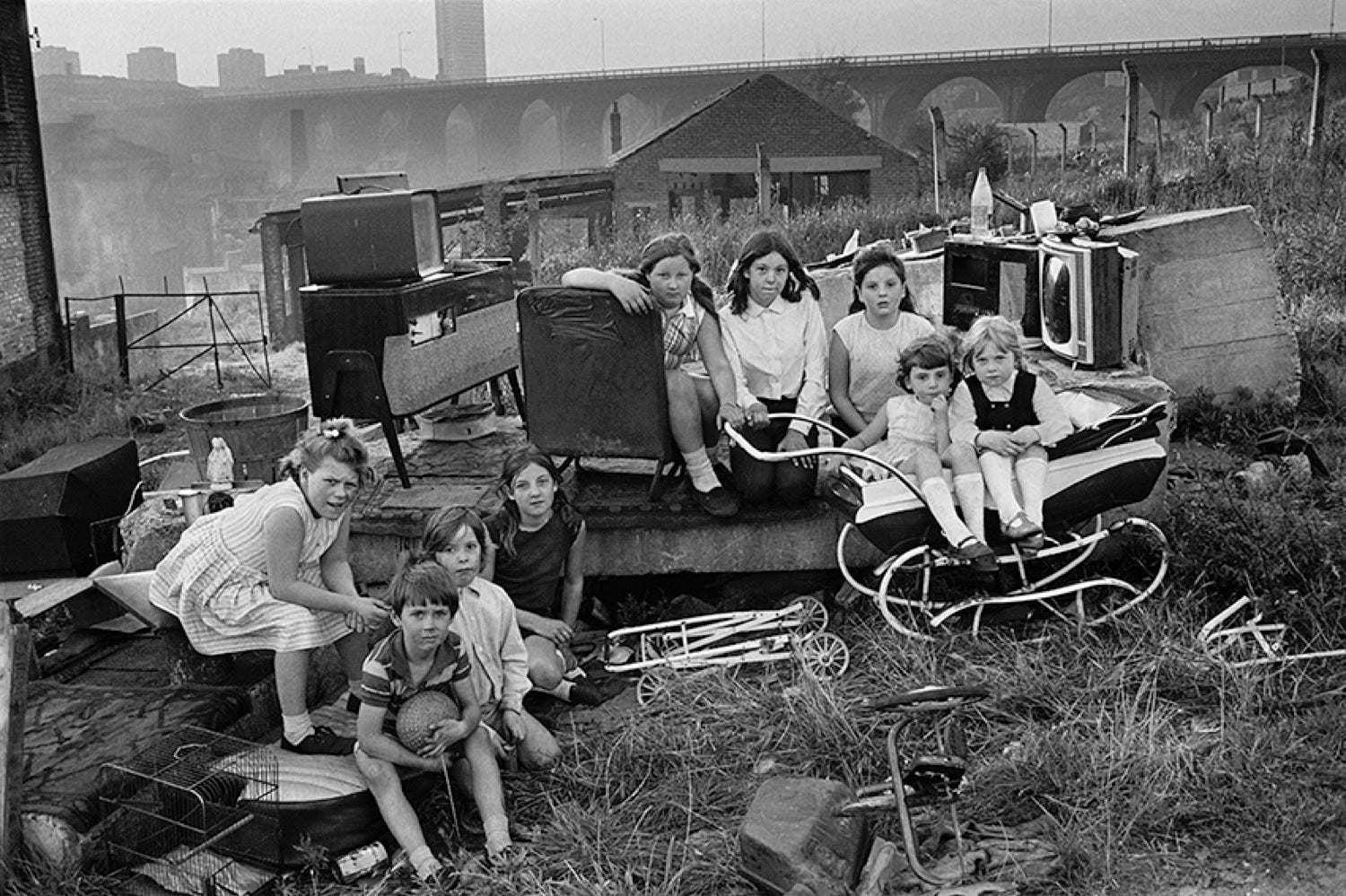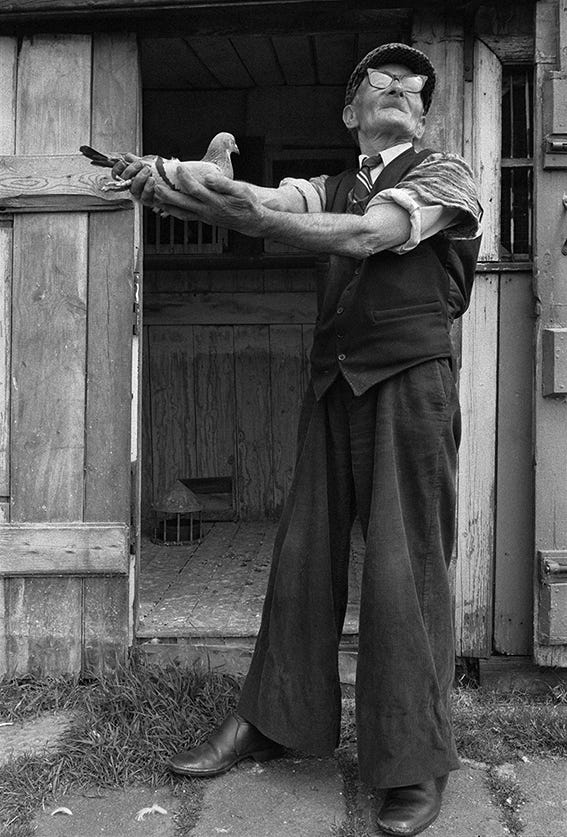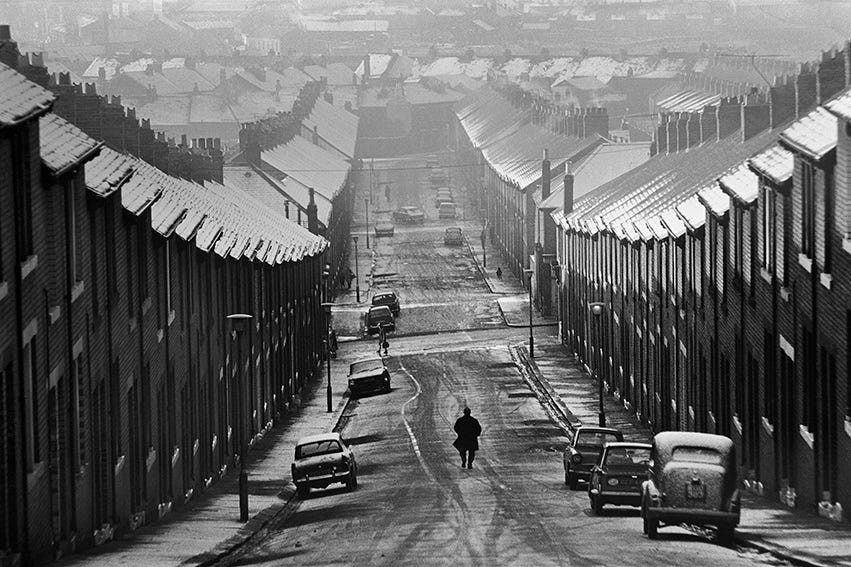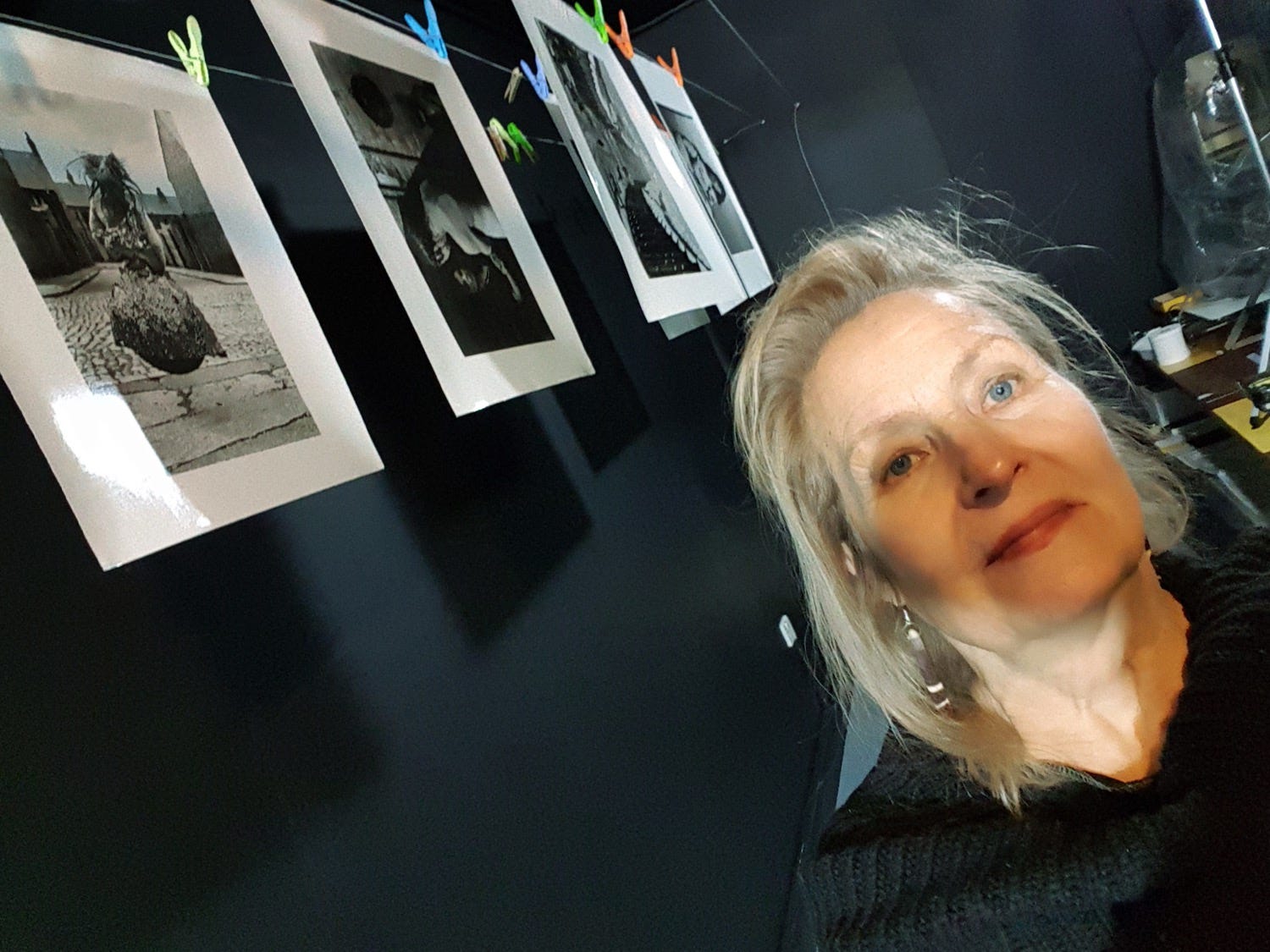
Few photographers have documented life in the North East with the depth, humanity and longevity of Sirkka-Liisa Konttinen.
So, for this week’s My Life Through a Lens, we decided to do things a little differently. Before enjoying Sirkka’s selection of photographs from across her archive, we asked some questions about the projects that have defined her career and her relationship with the region.
Born in Myllykoski, Finland (1948), Sirkka-Liisa Konttinen is a founder member of the Amber Film & Photography Collective, based since 1969 in Newcastle upon Tyne.
Her long-term projects, developed as exhibitions, books, and films include Byker, Step by Step, Hoppings, Writing in the Sand, The Coal Coast and Byker Revisited.
Konttinen’s photography and Amber’s films were inscribed in the UNESCO UK Memory of the World Register in 2011 as being of outstanding national value and importance to the United Kingdom. She was awarded an MBE in 2024.
Her work can be found on the Side Gallery and L. Parker Stephenson websites.
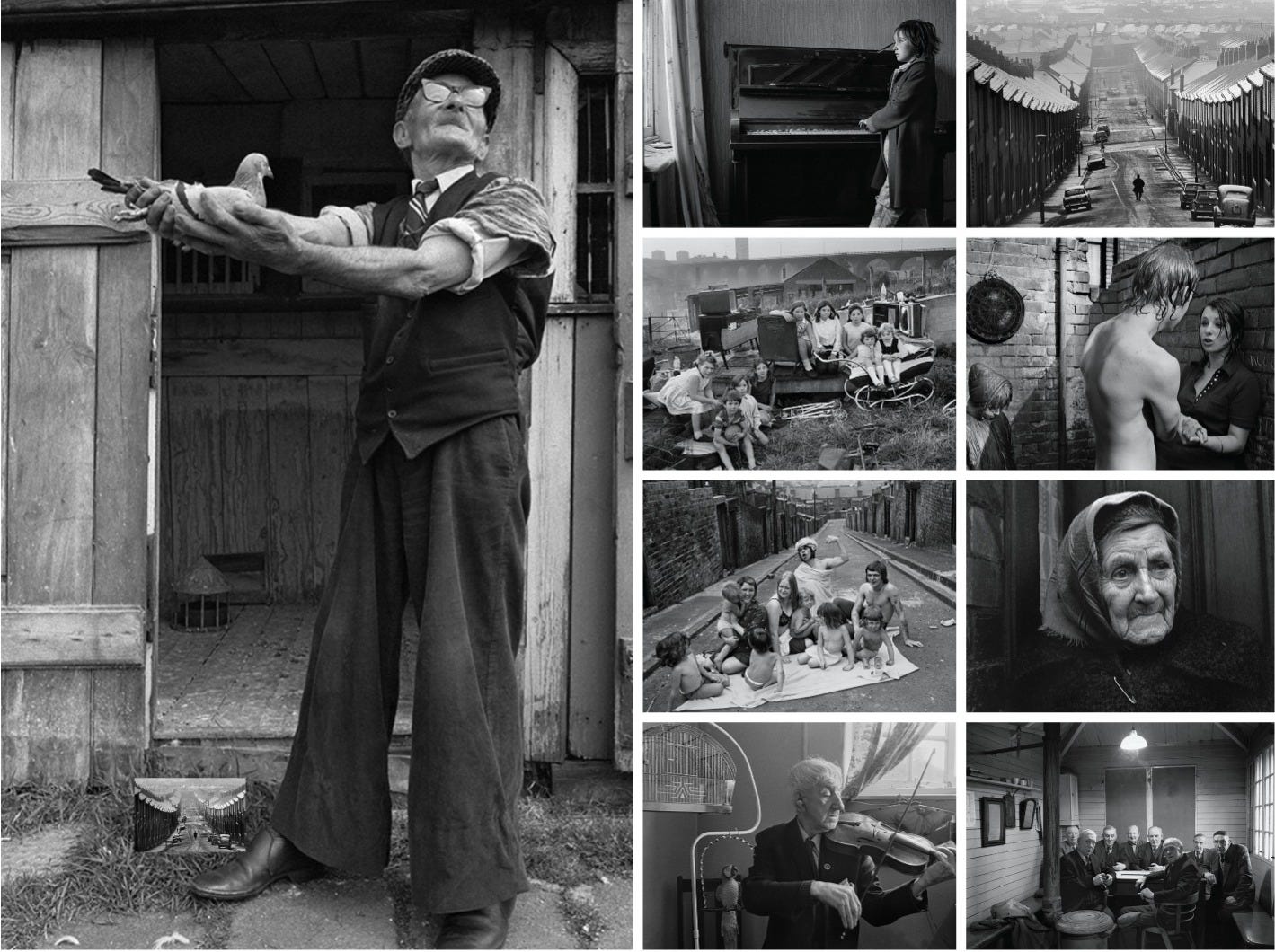
Q: How did you come to photography, and to the kind of long-form documentary work Byker represents? Was there a moment that set you on that path?
A: My auntie would photograph the family - spontaneous little moments. It was documentary photography, really. She let me try out her camera when I was about twelve and from that moment I was hooked. Seeing with the camera grew into a passion in my early teens and became my passport into the world in the form of long-term documentary projects.
At the Regent Street Polytechnic in 1968 I met Murray Martin and a small group of final year students who had gathered around him. Together we formed the idea of an egalitarian working practice that grew into Amber Film & Photography Collective. Based in Newcastle upon Tyne we continued to spend our working lives on projects around the North East.
Byker became my home and it was during my time there that I developed skills and explored approaches as a young photographer.
Q: Byker was made over more than a decade. What does that kind of sustained, repeated presence in a place do to the photographs, and to the relationships you have with the people in them?
A: I lived in Byker for seven years from 1969. Being a resident in the community was key to becoming accepted and my photography grew out of it.
Q: Is there a photographer whose work changed how you see, or how you work?
I knew hardly any documentary photographers before I came to the UK. Once here, I have discovered many that I share a visual language and a kinship with, some historical and some whom I have worked alongside, many of whom were supported by the Side Gallery.
Q: How did you know when Byker was finished? Was there a moment when you felt you had the project, or did it just stop?
A: Byker was pulled down, simple as that! I had to move out, as did all the other residents. While the place was being redeveloped and the Byker Wall built, I went back occasionally till there was nothing left of the old Byker to photograph.
Then, 25 years later I began a new project, Byker Revisited. Over the following six years I got to know the new Byker Wall Estate and many of its residents, and with a playful creation of a ‘virtual community’ through their self-imagined portraits I photographed a hundred or more households there and also made the film Today I’m With You.
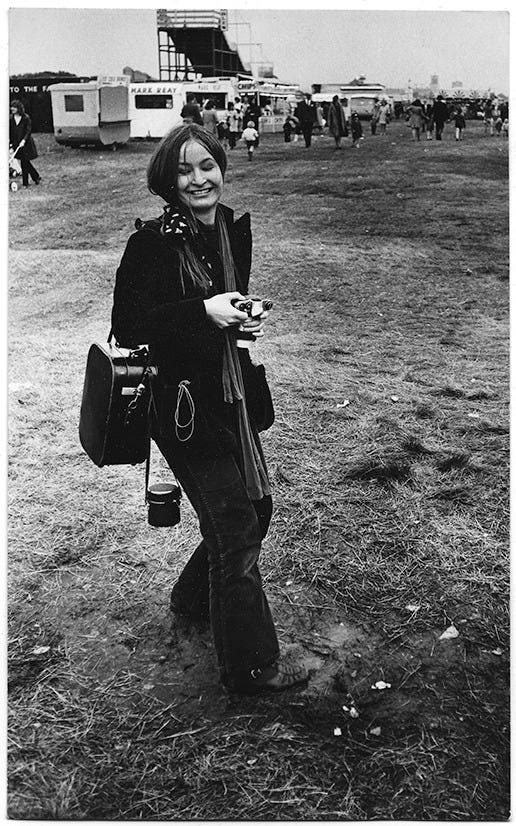
Q: You were an outsider in Byker, a Finnish photographer in a working-class Newcastle community. How did people respond to your presence, and how did that change over the years?
A: Initially, in the old Byker community, there was naturally a lot of curiosity as I was possibly the only foreigner there at the time. Once I became known and the photographs gained local attention and national recognition, I didn’t need to explain myself. I just became one of the Byker ‘characters’.
By the time I started Byker Revisited, the world had changed. Street photography was no longer appropriate and life happened mostly indoors anyway, in people’s homes. Photography needed to be more of a collaboration. I would put it to the participants: “If you had just one picture with which to introduce yourself to your neighbours and the rest of the world, what would you have in it?” We would hatch out ideas and then I would bring in my mobile studio and wait for the spontaneous moment.
Q: Is there a single photograph from Byker you keep returning to? What is it about it?
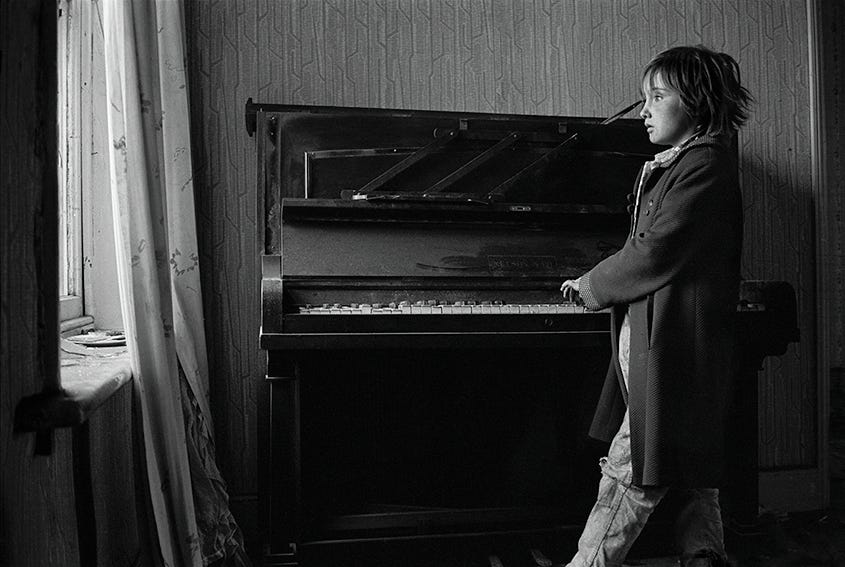
A: I keep contemplating the devastated world behind the window, through the eyes of the child playing the piano in a derelict house. In her stance and her face there is resilience, and hope.
Q: What do you hope people take from the work, particularly readers with no connection to the North East of England?
Documentary photography opens doors to the experience of being somebody else, where ever that is in the world. It is a passport to the viewer, as much as it is for the photographer.
Q: Is there anything you’re currently working on or have coming up that you’d like to mention? A project, exhibition, anything you want people to know about?
A: My negative archive holds many stories that didn’t see the light of day when I was only printing them in the darkroom. It was costly, I had to be selective.
Now that I am digitising my negatives, even Step by Step has a whole lot of new material to choose from for the revised edition. I am glad I have lived this long. I can have a second shot at getting the best from what I have spent years photographing.
Currently I am working towards a retrospective exhibition that will encompass all my major projects. The new revised edition of Step by Step will be published by Dewi Lewis in September. Byker and Byker Revisited will be shown at the Photometria photofestival in Greece this autumn.