


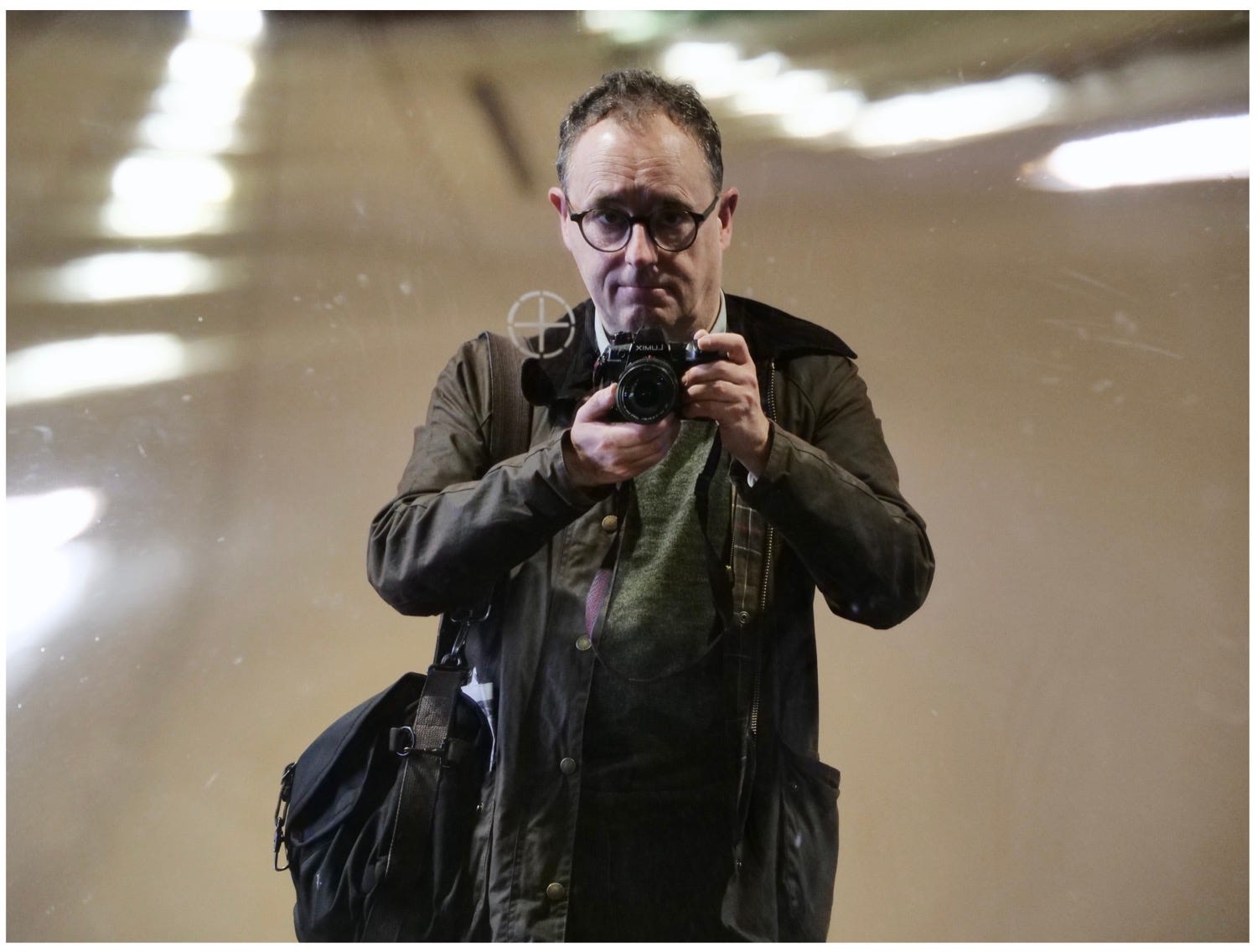
Mark Pinder was a teenager when the possibilities offered by photography started coming into focus.
“I’ve always been quite a curious person with many interests ranging from science, the arts, social and current affairs, politics etc,” he says.
“I wasn’t particularly good at painting or drawing but a friend of my parents had an SLR camera which I played with and was fascinated with the mechanics of.
“I also knew someone who was working as a documentary photographer and photojournalist in the early 80’s and I realised that this was a medium which ticked all of the boxes for the things that interested me.”
From the chemical and mechanical process of producing photographs to organising the composition of a captured image, Mark’s interest was piqued.
“It also pressed the right buttons (excuse the pun) regarding my curiosity about the world,” he says. “I realised that it was a way to explore and document things which would normally be outside the scope of normal experience so decided that journalistic and documentary photography was the career path I wanted to explore.”
In 1985, he was accepted onto the Documentary Photography course at Newport College of Art under the Magnum Photographer David Hurn (where Tish Murtha had also studied years before) and spent the next two years learning his craft.
Following a six month stint on the dole - long enough to qualify for the Enterprise Allowance Scheme - Mark set up as a professional photographer.
“I began working with some of the socially engaged London picture agencies (of which there were many at the time) as well as the kinds of clients that I hoped would give me the kind of work that would interest me such as the trade unions and the social welfare trade titles such as the Health Service Journal, Community Care, Inside Housing magazine etc.”
Work for The Observer and Channel Four followed in the mid 1990s.
“That made getting other clients much easier… until the bottom fell out of the industry and I realised that I had to reposition myself more towards the gallery and curating worlds if I was to survive.”
Curiosity coupled with researched knowledge of his subject is what Mark says makes him a good photographer.
“As Hurn used to tell his students (and I’m paraphrasing as I don’t remember his exact words): ‘photography is easy – it’s just about standing in the right place and pressing the shutter at the right time’.
“My love has always been with observational documentary work,” he continues. “Just watching and seeing how things develop (again excuse the pun) and looking for the storytelling moments in any situation whether it’s covering a hard news event or a soft feature.”
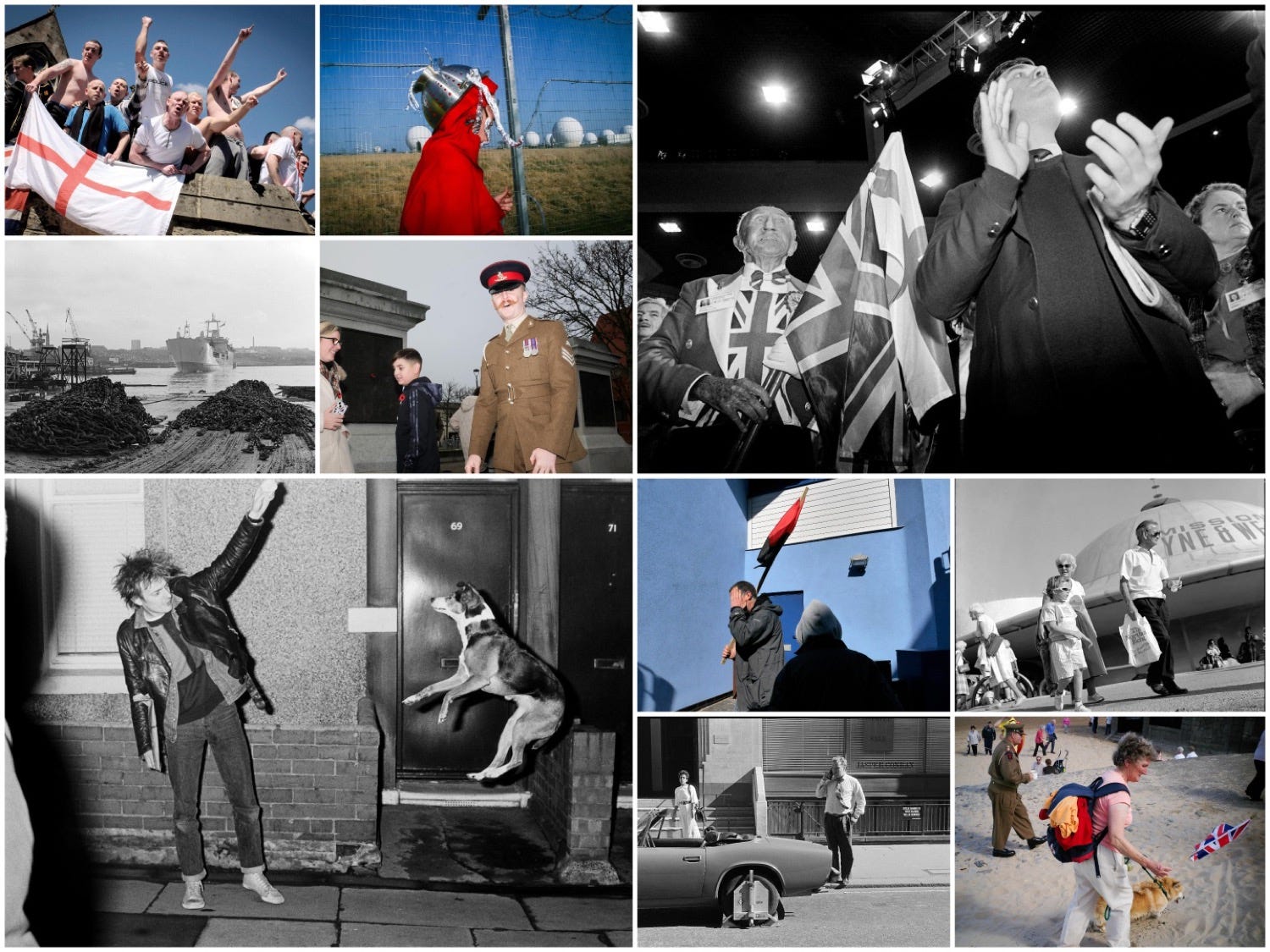
Mark’s long running project, Macromancy offers a photographic chronicling of Britain’s political and social life over four decades.

A book: Mark Pinder: Macromancy: Britain and the North East of England 1986-2022 has been supported by exhibitions at Hartlepool Art Gallery and the Northern Gallery for Contemporary Art.
“I like structuring and working on multi picture essays to convey a story rather than just the single image,” he says.
“The Macromancy book and project is the manifestation of that way of working – the idea of trying to edit together 35 years worth of work into cohesive grand narrative about how I saw Britain and the North East over those three-and-a-half decades, which also becomes a form of autobiography (however elliptical) via a medium which is supposed to be ostensibly concerned with the external world.”
While observing and documenting is what he likes best - he’s the first to admit that this doesn’t extend to situations of conflict.
“My sense of self preservation kicks in rather early and I tend not to get stuck in like some of my colleagues.”
That said, when it comes to wishlist assignments, Mark says: “If resourcing was no object, I would happily spend the rest of my life documenting global political stories whether it’s high politics in Europe or America through to grass roots politics in the third and developing worlds.
“Slightly contradicting my assertion about not being good in conflict situations, covering a political revolution has always been on my bucket list!”
You can follow Mark Pinder on Instagram @markopinder.
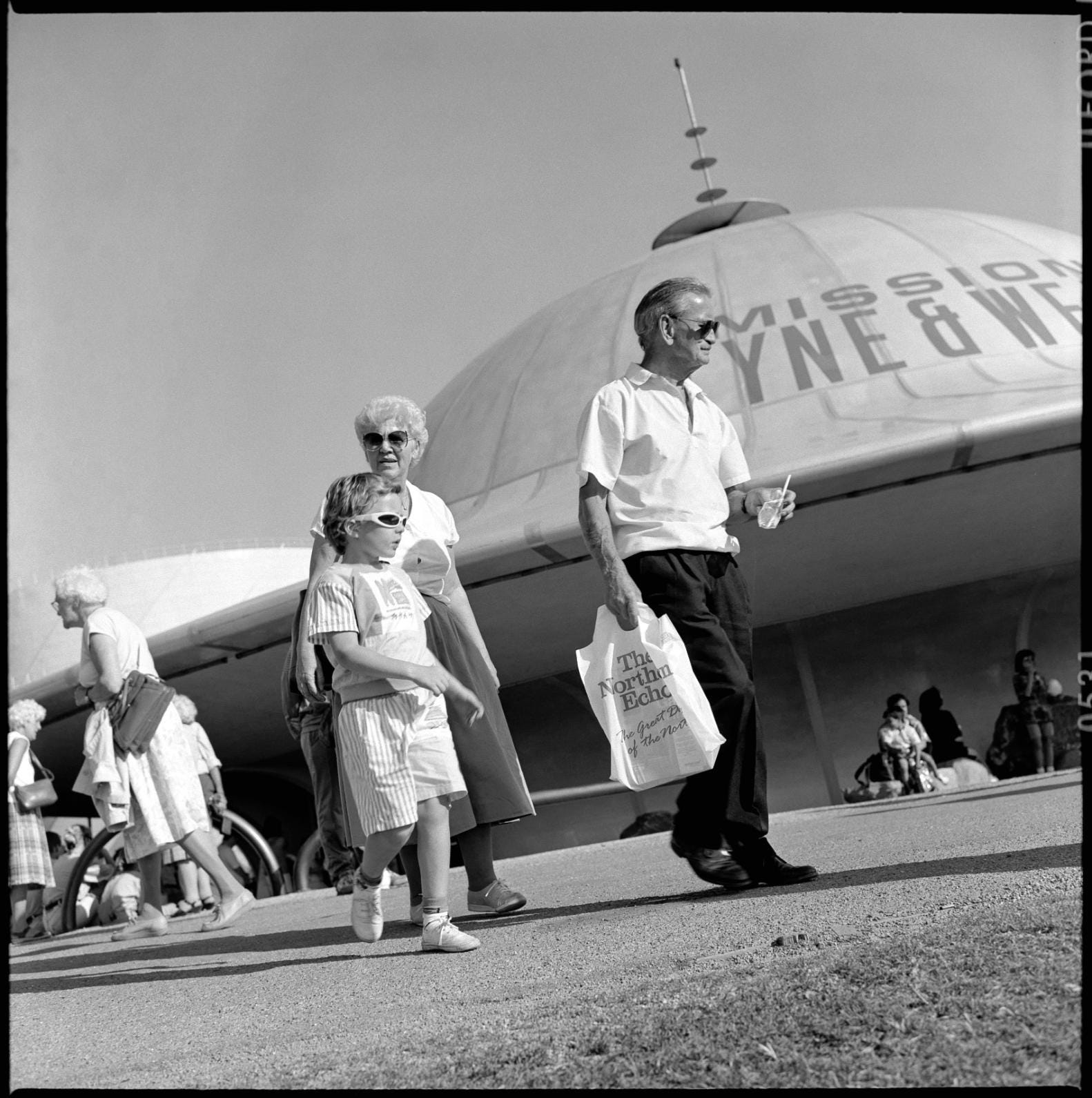
The “Mission Tyne and Wear” pavilion at the 1990 National Garden Festival. Teams, Gateshead, June 1990
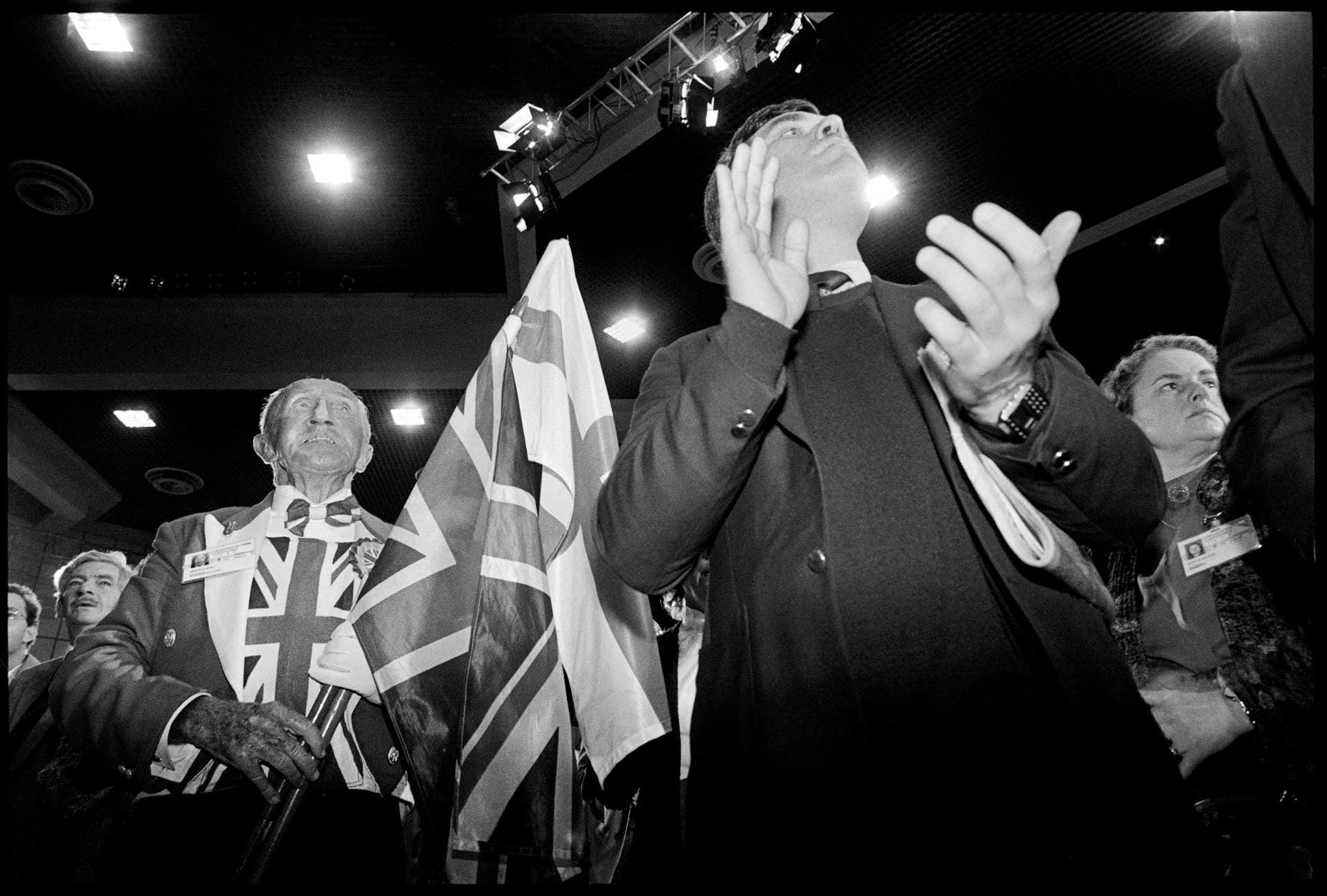
Standing ovation for Prime Minister, Margaret Thatcher, 1986 Conservative Party conference. Bournemouth, October 1986
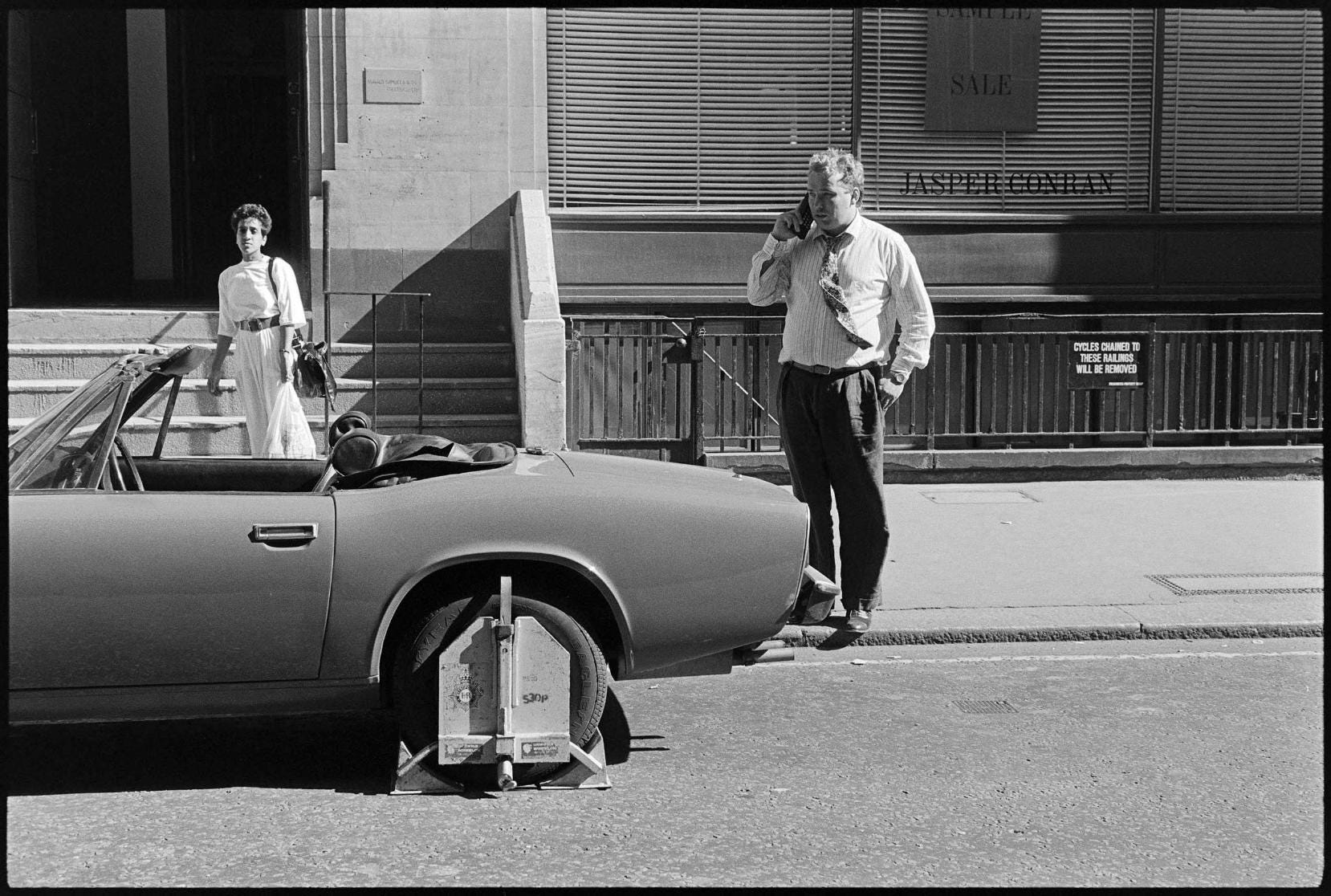
Wheel-clamped yuppie. London, March 1991.
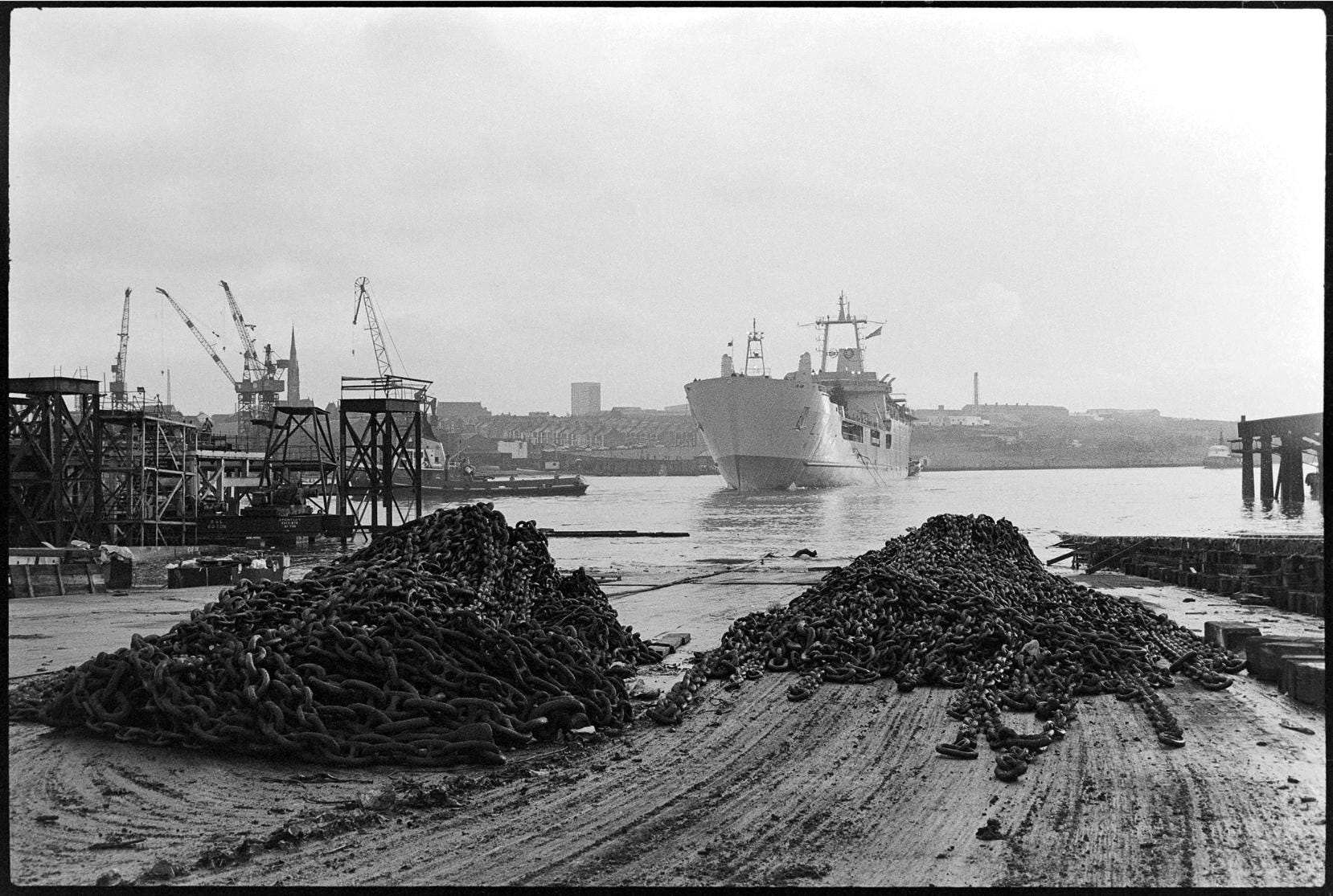
Launch of the replacement RFA Sir Galahad at the Swan Hunter shipyard. The previous Sir Galahad was sunk during the Falklands war of 1981. Wallsend on Tyne, December 1989.
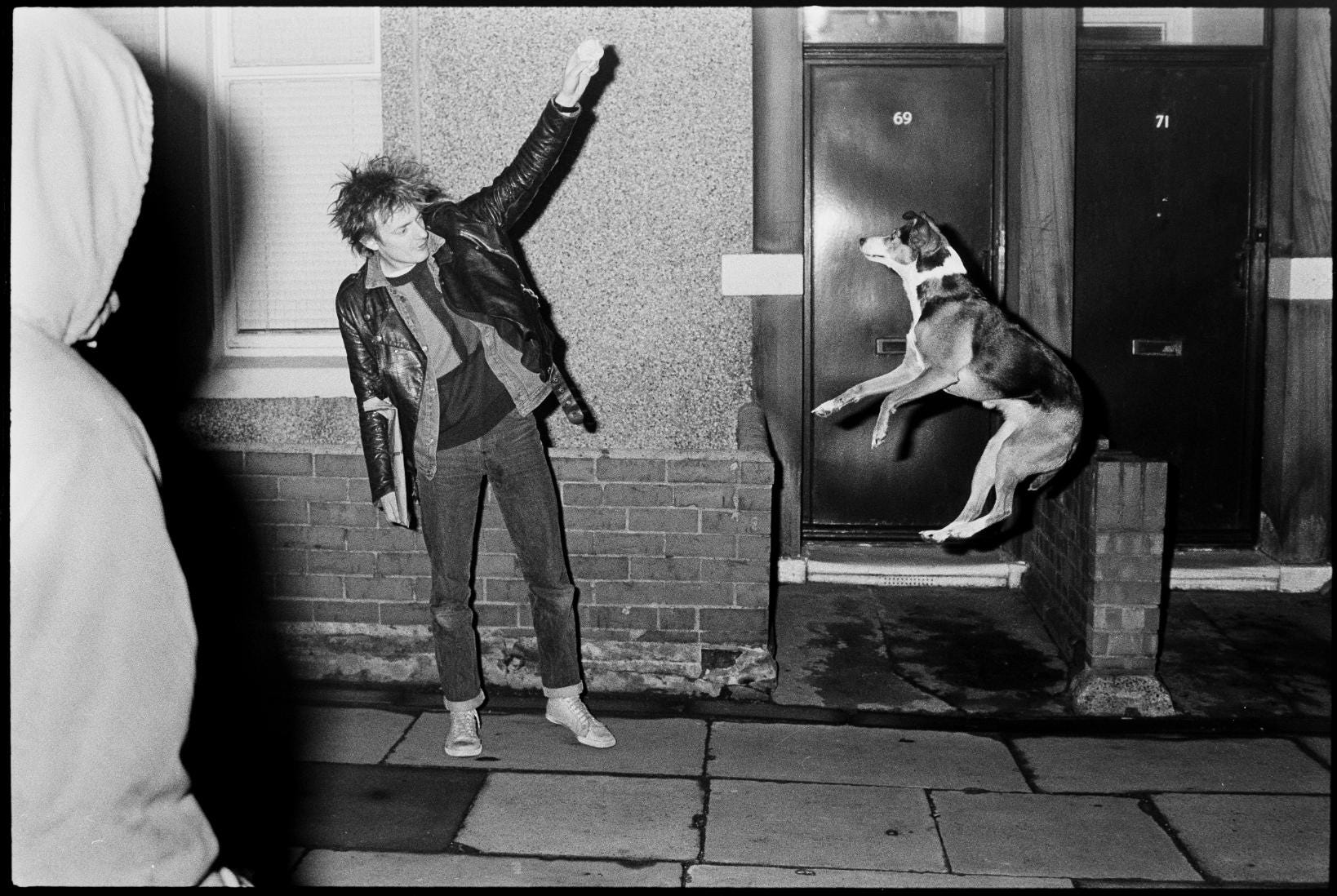
Fenham, Newcastle upon Tyne, 1988.
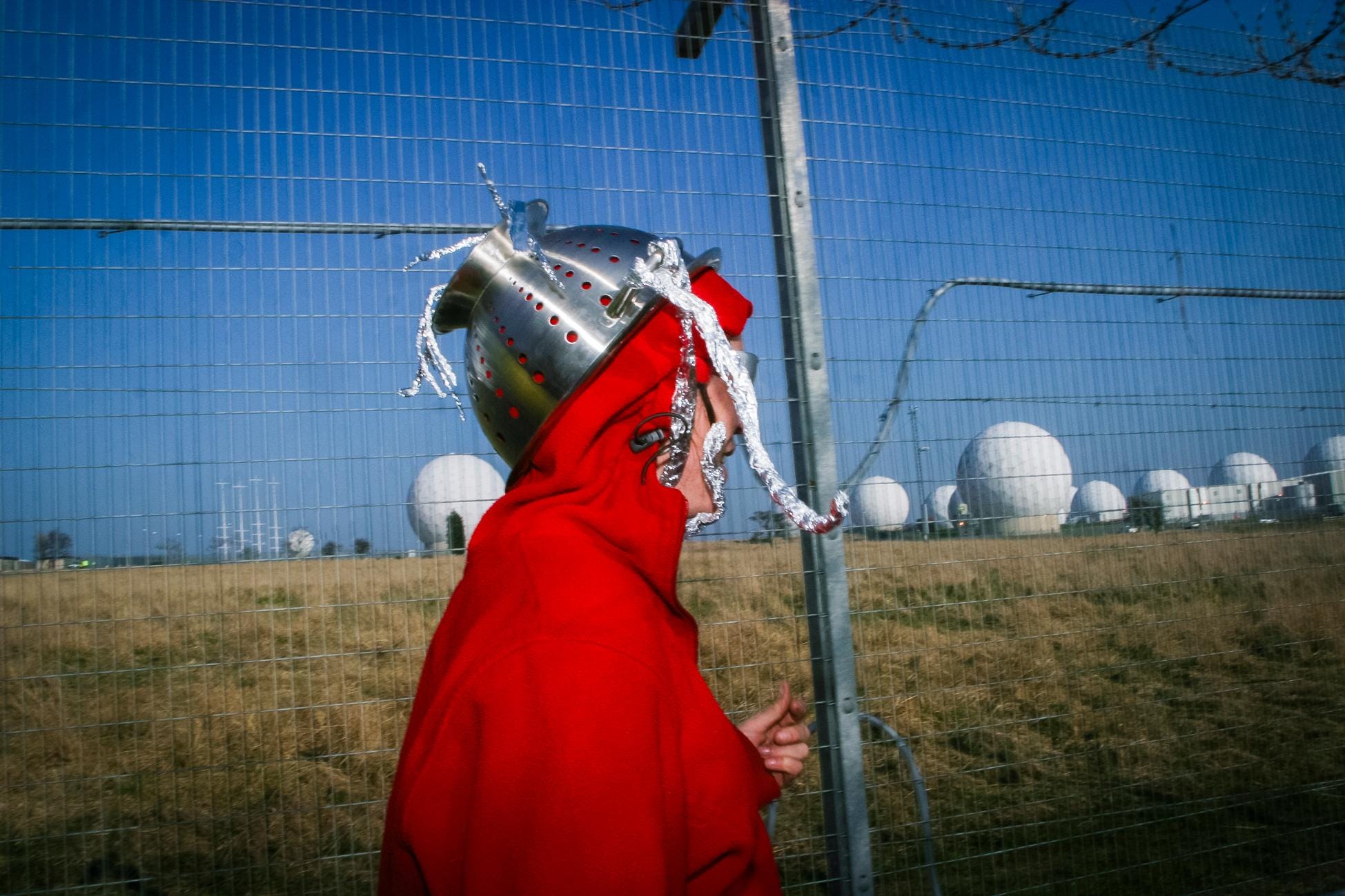
Protest against the impending Iraq War at the MoD and US DoD/NSA Menwith Hill spy base. RAF Menwith Hill near Harrogate, March 2003.
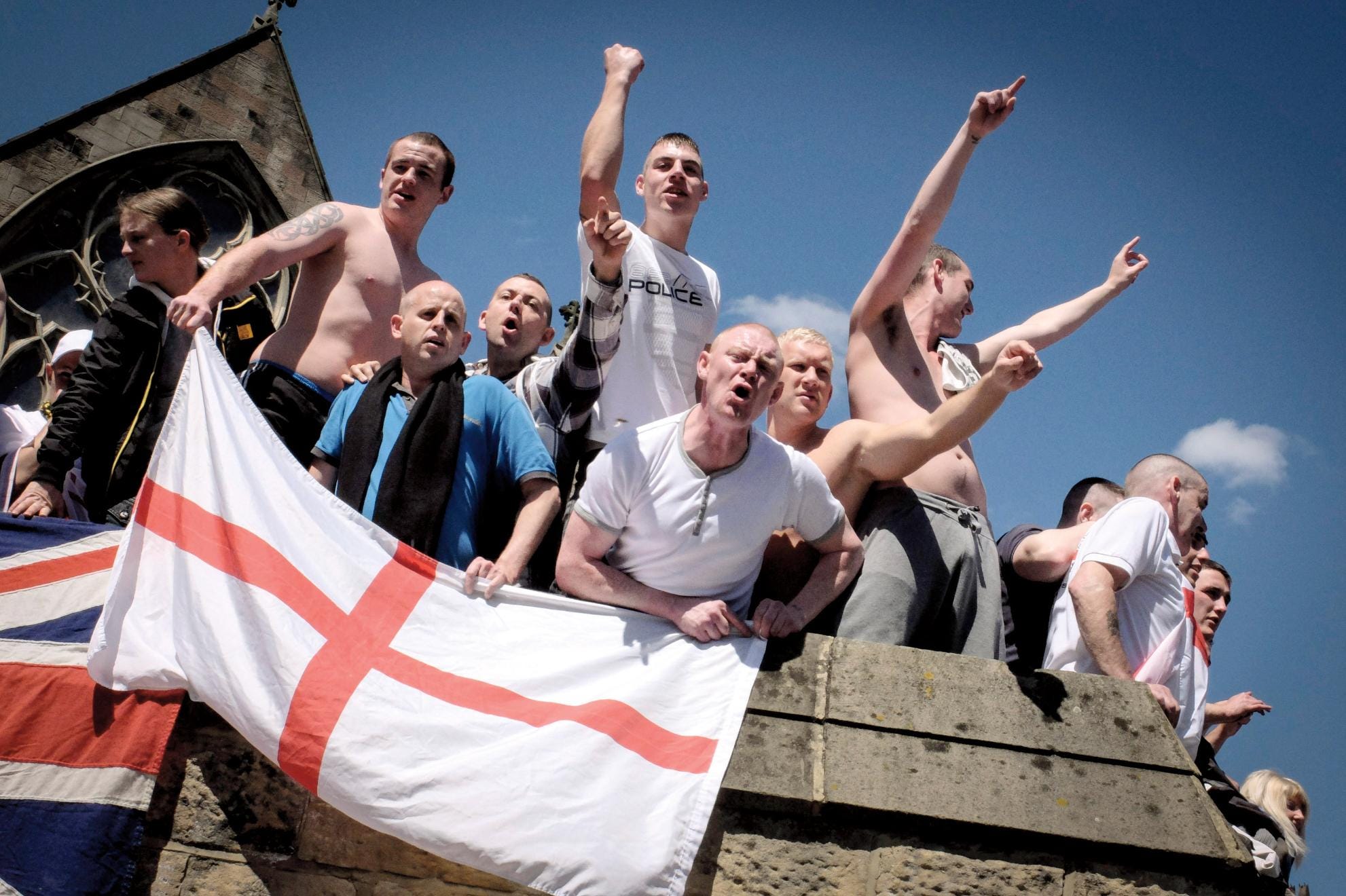
English Defence League (EDL) demonstration. Newcastle upon Tyne, May 2013.
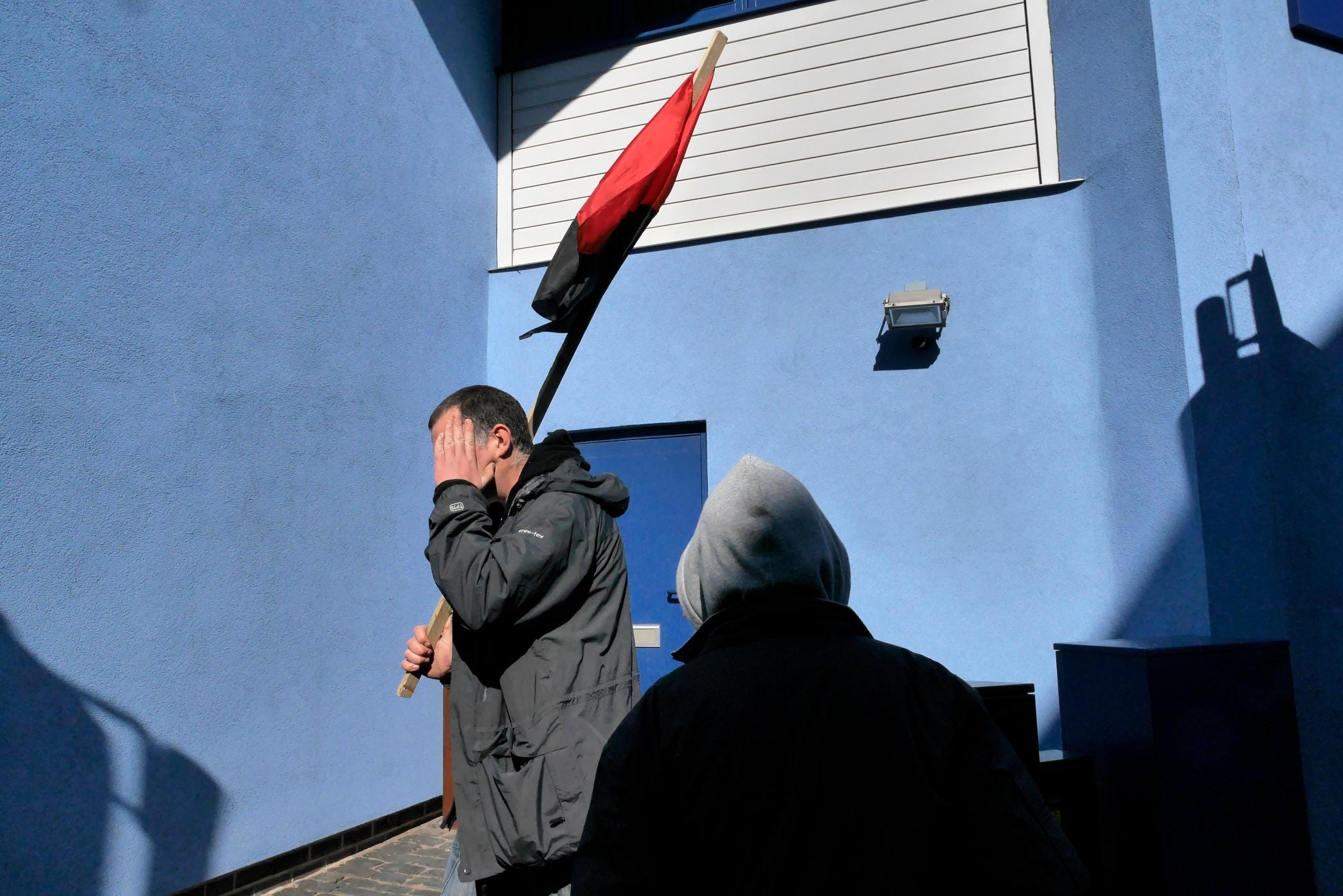
A shy anarchist at a union protest against low pay and the breaking of national pay agreements in the construction industry. Redcar, North Yorkshire, April 2015.
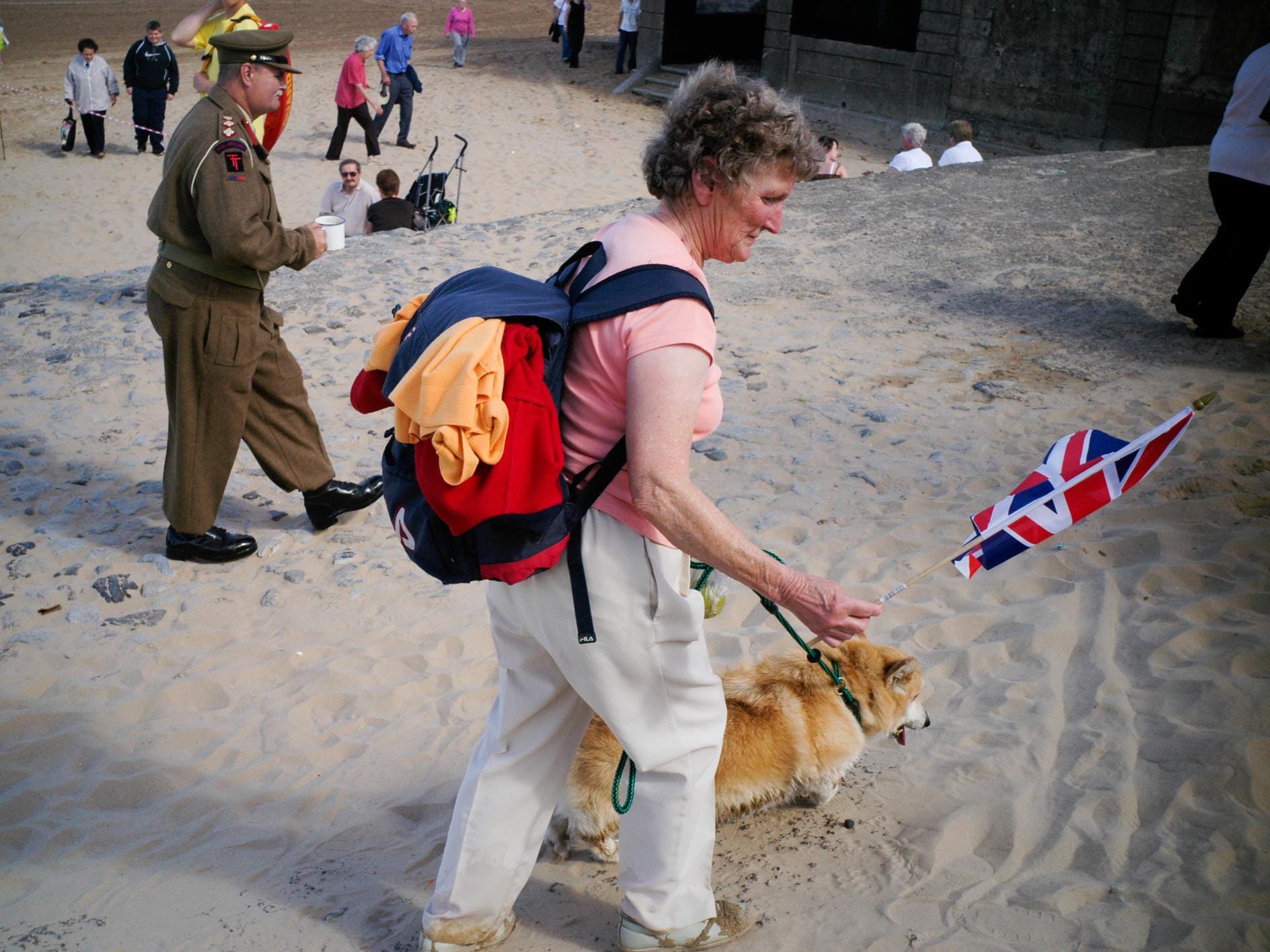
Redcar Beach the day of the premiere for the film Atonement which had WWII battle scenes filmed on the beach. Redcar, North Yorkshire, September 2007.
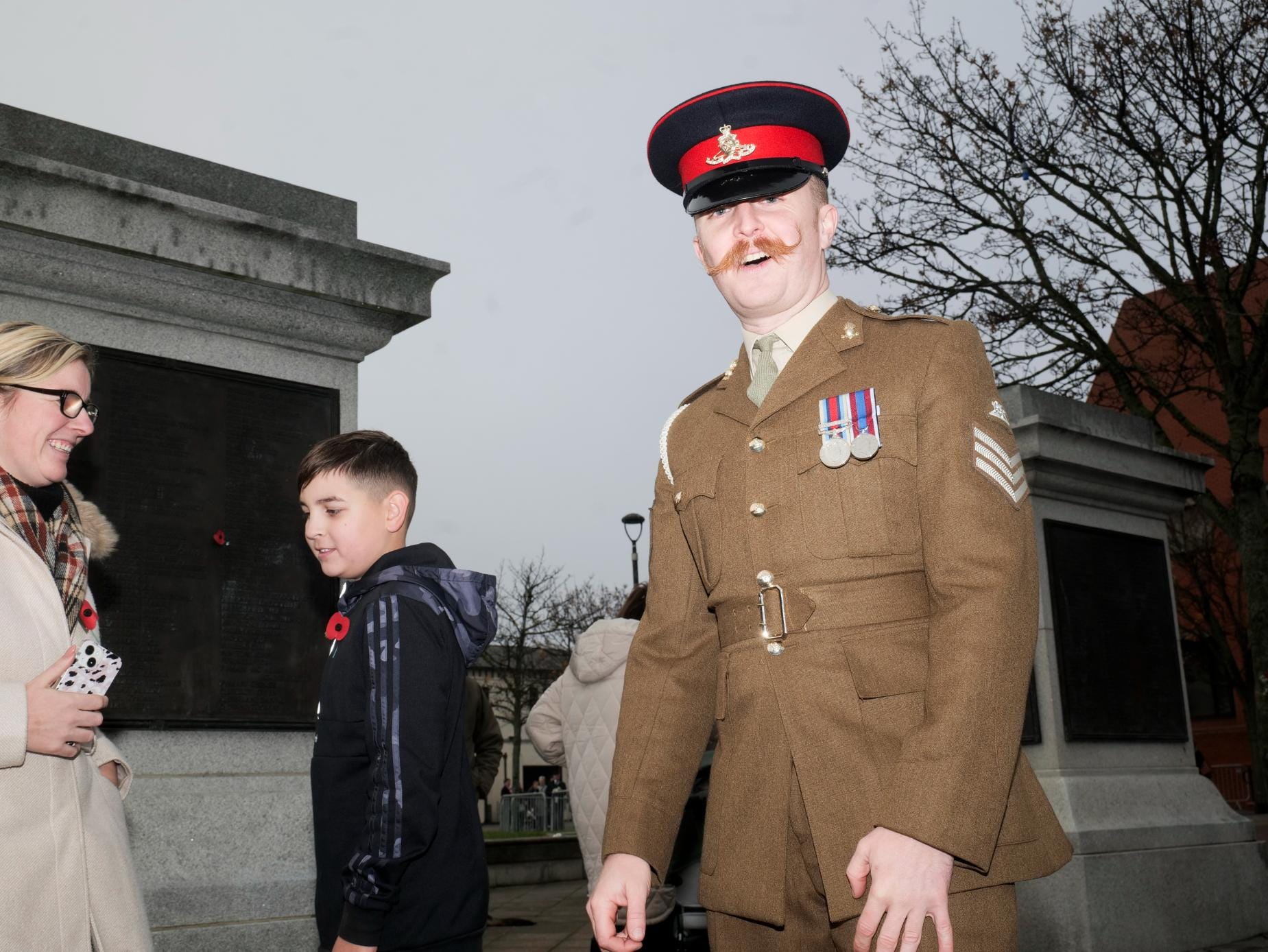
Remembrance Sunday. Hartlepool, November 2022.